Dlouho se argumentovalo, že zadlužení USA je vlastně v pohodě, protože Japonci zvládají mnohem víc a funguje to. Jenže nemůžete platit dluh dluhem a užívat si párty do nekonečna. 😀
Japonsko je nejzadluženější ekonomika světa, dluží 250% HDP. Dlouho jim to procházelo, protože si mohli půjčovat skoro zadarmo. Ale tahle doba skončila. 30leté výnosy teď vystřelily nad 3% a ceny dluhopisů spadly o 50%.
Teď budou muset refinancovat starý dluh za úplně jiných podmínek. Náklady na obsluhu rostou a státní rozpočet na to není připravený. Budou si půjčovat pořád víc, jen aby měli na rostoucí splátky.
Bank of Japan má pořád základní sazbu 0,5% a přitom trh vyžaduje víc než 3% na dlouhém konci. To není volatilita. To je důvěra, která se pomalu hroutí jako domeček z karet.
Do stejné dluhové pasti padá USA a další vyspělé státy. Je to otázka času.
Americké dluhopisy s dlouhou splatností rozhodně NEJSOU bezriziková investice, jak se běžně uvádí. Naopak jsou podle mého názoru rizikovější, než kvalitní akciové portfolio.
Euforie na trzích 📈
Fond manažeři jsou plně zainvestovaní. Drží 3,5% cash což je nejnižší úroveň za posledních 15 let.
80% respondentů uvedlo, že neočekává recesi. Před dvěma lety to bylo právě naopak. Téměř všichni očekávali recesi, která nepřišla. Fond manažeři drželi rekordní množství hotovosti. #VždyNaopak
Zároveň většina z nich uvedla, že americké akcie jsou předražené. 🤦🏻♂️
Hodně peněz se přesouvá do Evropy a Číny, ale nejpopulárnější pozice zůstává long BIG TECH.
Jako hlavní tail risk uváděli eskalaci obchodních válek.
Takže abych to shrnul. Všichni jsou v trhu, chamtivost je na maximální úrovni. Jediný Warren Buffett má strach a nadále hromadí cash. Uvidíme jak se to vyvine. ���
Zdroj: Únorový průzkum sentimentu od Bank of America. Zahrnuje 200 portfolio manažerů s celkovými aktivy kolem 500 miliard dolarů. Má docela dobrou výpovědní hodnotu ohledně sentimentu na trzích.
Já si teda nemyslím, že “big money” jsou “smart money” obecně. Většinou jsou to kluci jako my, co se prostě v korporátu vypracovali a teď spravují větší peníze. Mezi nimi je pár jednotlivců, kterým dávám velký kredit.
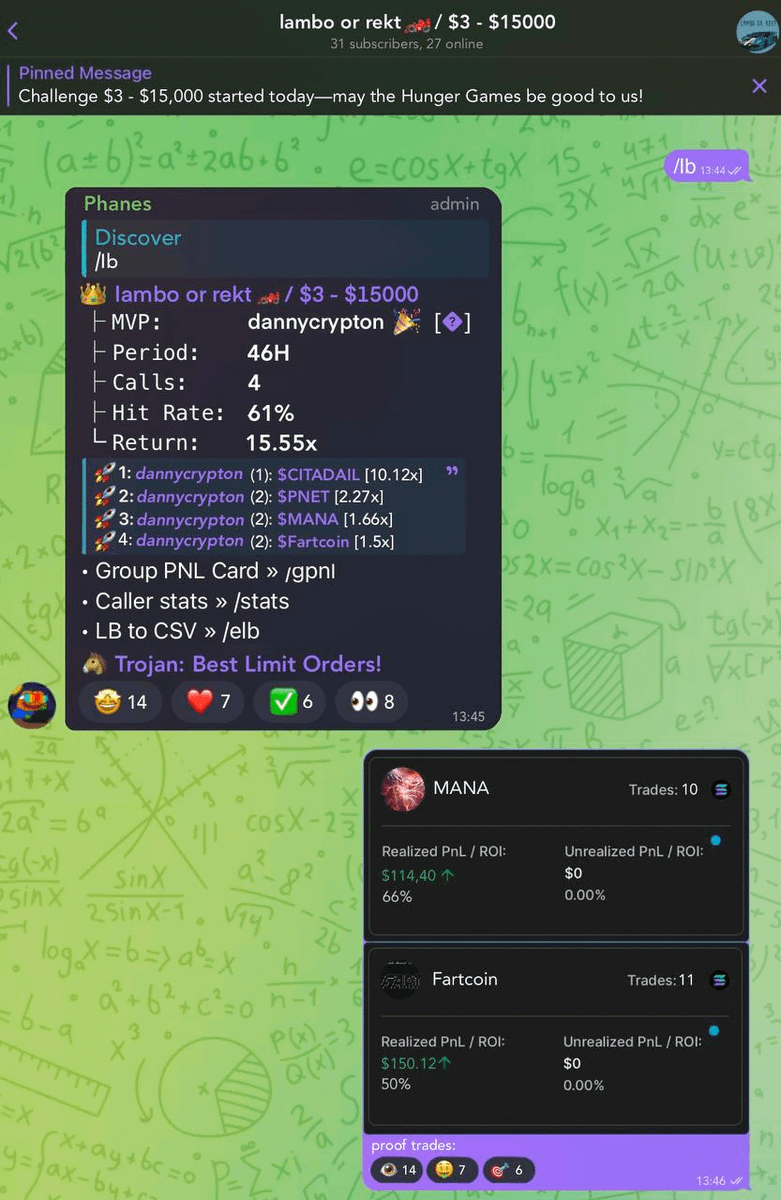
$3 to $15000 update (DAY 2)
1.66x on $MANA
1.5x on #Fartcoin
Currently at - $164 and got a few 100x insider calls for today.
Join?
• Like & retweet
• Comment "LFG"
• Be follower
This is Alex Becker
One of the best crypto traders, who turned $6,000 into $51 million !
He predicted every market trend since 2020 and did it again
Here’s his list of 8 AI picks with 100x potential 🧵👇
BlackRock just made a move into #RWA
They made the first move with BTC ETFs and everyone followed
If you missed AI, this is the next narrative about to blow up
My list of top 5 #RWA altcoins to buy right now 🧵
If you’re a smart guy,
Always got good grades.
Never studied.
Be careful.
Smart people tend to live off potential.
They know they (could) do anything.
And that’s enough for them.
Don’t fall into that trap.
Judge yourself based on what you’ve done.
Not on what you could do.
I left the fashion industry 9 years ago because I didn’t feel fulfilled, I was depressed, and I didn’t align with the values of the industry. I was not happy making a living off my physical appearance.
I was also severely underweight to fit the industry standards back then (about 98 pounds for 5’7, lost my period for a few years) and knew I had to get back to a healthy place.
So, I sold all my designer clothing, broke the lease of my apartment, and bought a one-way ticket to Australia. Over there, I worked at a cherry farm then a banana farm. The job was very physical, my health improved a little bit, I had a routine, a job to do every day, I had no pressure to look a certain way and I could escape in my mind for hours while working. It was, in a sense, peaceful with very little stress, but I still felt a deep emptiness.
Once my farm work was done, I took a 2-month solo trip to Indonesia, Hawaii and the Canadian Rockies. The Canadian Rockies were where I found my passion for hiking, backpacking and landscape photography. For 3 weeks, I slept on the passenger’s seat of my rental car and photographed the area at the best of my ability. (I had only started photography a few months before). Little did I know that this would be the start of my carreer.
Over the next few years, as my passion for landscape photography grew, my physical and mental health got better. I learned to treat my body with respect and be thankful for it. The emptiness was still there, but would disappear when I would spend time in the mountains and create.
Climbing up a mountain gives you the ‘’illusion’’ to fight for something that’s worth fighting for. When you do it enough times, this illusion becomes a reality and you heal. Creating art gives you the ability to express your deepest emotions and process them. Together, they healed me and still are. (A forever work in progress)
For many of us artists, art is our therapy. It is sacred.
This is why, at least for me, web3 can be hard to navigate at times. Floor prices, supply, selling out, 1/1s, editions, ROI, utility, airdrops … All of this can sometimes feel a little bit soulless however important to consider if you want to make a living in web3. It is a harsh and conflicting reality.
That’s why empathy towards each other is important. You never know what art can mean to someone. It can range from a fun hobby to an absolute survival mechanism. Photography and hiking personally saved my life and I’m sure art saved many lives.
Hope you enjoyed this read.
Elon Musk fired 6,500 employees at Twitter.
A little birdie told me it's down to:
- 2 designers
- 6 iOS developers
- 20 web developers
- Around 1,400 sales and operations people
How is it possible that we are still using this website?
Two words:
Parkinson's Law.
Have you ever wondered why seemingly simple tech companies have tens of thousands of employees?
Sometimes, it's because they have huge sales forces or tech support/operations people.
But often it's also due to Parkinson's Law.
Parkinson's law is like lighter fluid for bureaucracy.
It's a business tapeworm that slowly eats away at companies, making them less and less efficient and innovative over time.
Parkinson's Law is the idea that the work will generally expand to the amount of time, budget, and number of people allocated to it, and no matter how many people you allocate to it, those people will feel busy.
They'll feel busy because, due to the excess time/slack in the system, they'll start focusing on less and less important tasks.
Here's how it manifests on an individual level:
Let's say you have a report due in a week.
The report might only take you around five hours to finish if you really focus and work efficiently. However, because you know you have a week to complete it, you might find yourself spending a lot more time on it than you need to.
You'll be more prone to distractions, take longer breaks, or perhaps decide to add more details, tables, graphs, and so forth.
Essentially, the task becomes more complex and time-consuming purely because you have more time in which to do it.
And here's how it manifests across organizations:
Imagine a big tech company. A social media company with various departments. Each department has tasks that it must complete to contribute to the overall productivity of the company.
Now, suppose each department is given a budget and a set amount of time to complete its tasks for the year.
According to Parkinson's Law, each department will use its entire budget and the entire allotted time, even if the tasks could have been completed more efficiently.
This is because as resources and time increase, departments tend to become more complex and less efficient.
For example, a department might add more steps to its procedures, requiring more approvals and creating more paperwork, which slows down the process.
Or it might use the full budget on additional personnel or equipment that doesn't necessarily improve productivity.
The department might also use the full budget to justify the same or larger budget for the next year, since budgets in many organizations are often determined based on the previous year's spending.
This is a phenomenon known as "budget padding" or "spend it or lose it" mentality.
Inefficiencies can also develop in staff allocation. If a department expands, it might add managerial positions that aren't strictly necessary.
More employees are hired to manage, creating layers of bureaucracy that may not contribute to productivity and can even slow decision-making.
I have seen this occur over and over again in my career. The larger the team, the larger the budget, the longer the timeline, the less gets accomplished.
I'm very curious to see how many more tech companies come to this realization.
So often, good times + revenue growth = Parkinson's Law.