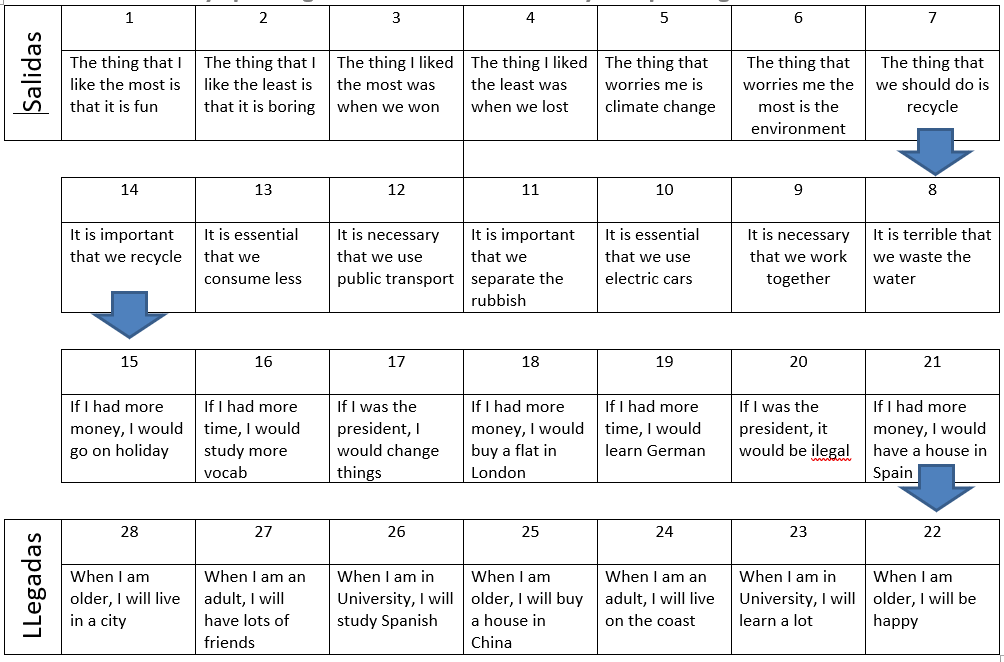
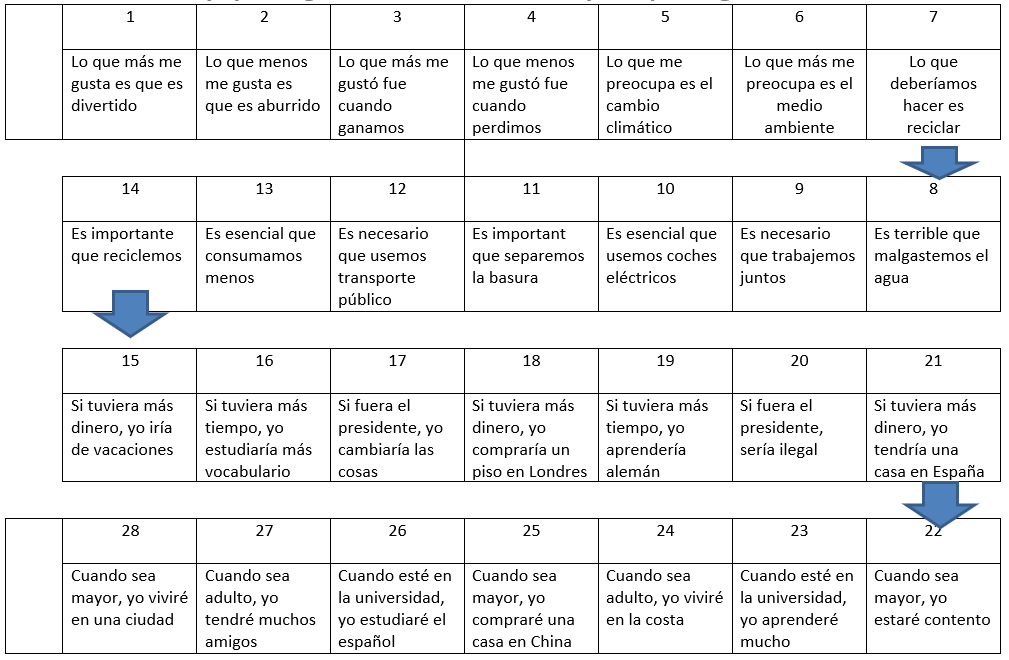
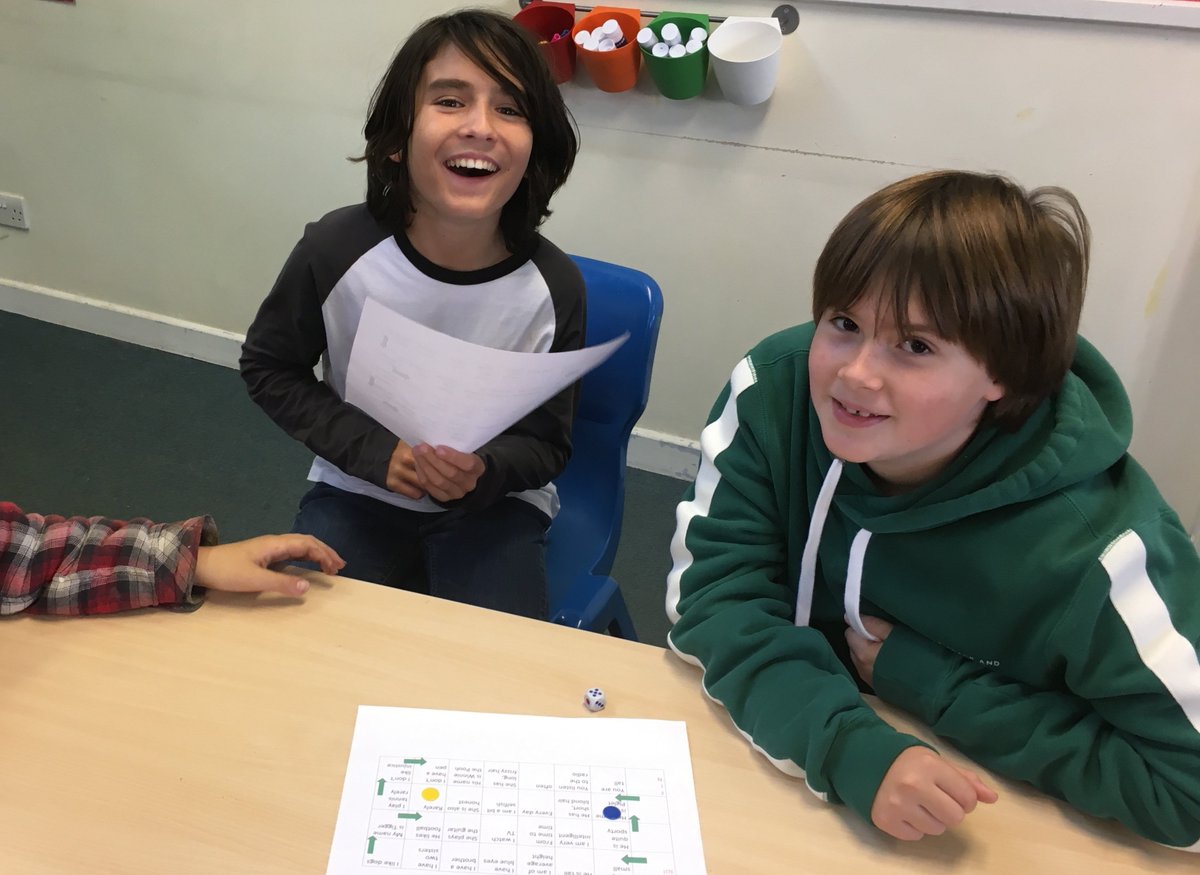
No Snakes No Ladders as suggested by @gianfrancocont9@FbGilt - very effective retrieval practice of key chunks of language from sentence builders this term getting ready for speaking exams @SherborneSchool@SherborneMFL
@BBmilliken @gianfrancocont9@FbGilt@SherborneSchool Make a double sided word doc with the board as in the pic. Then fill it with whatever you want them to practise. This one was four key structures that we had seen during the term. It's best as a recall, retrieval activity so that it's tip of the tongue recall
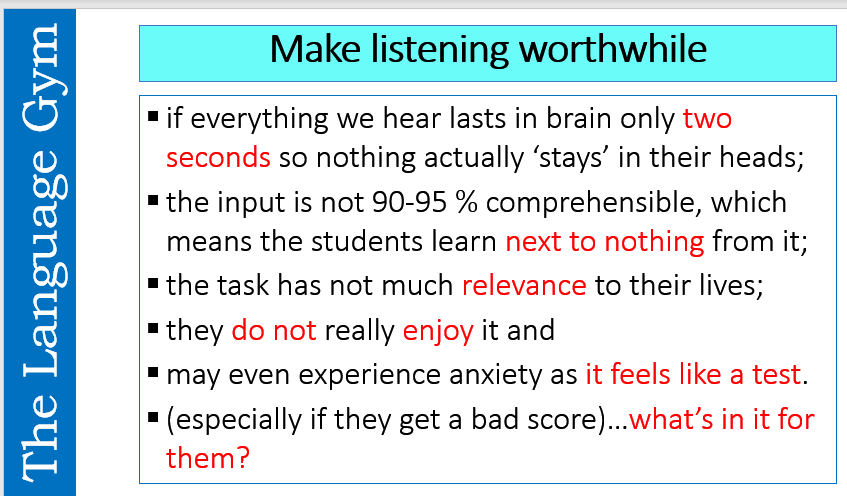
Make listening worthwhile - especially with classes that are not sit an exam in the short term. So, avoid the so-what effect and consider ways to make the experience, relevant, engaging, worthwhile and successful.
Strongly recommended for those who want to have a full overview of the Conti approach, from modelling to spontaneity. Five workshops: from strategies to reduce cognitive load and secure long-term retention to listening as modelling and, finally fluency and spontaneity.
@SraElliott1 @MelThompsett@gianfrancocont9 Check out some of my blogs (which also link to Dr Conti's). Is there a step of the sequence that is missing or that you need to further develop?
https://t.co/wW4uGJLyF5
@khgalea No pain no gain. Hopefully, the Rachel Hawkes of this world and the other MFL textbook's authors will eventually practise what they preach: to apply research to what they do. It's not enough to talk the talk.
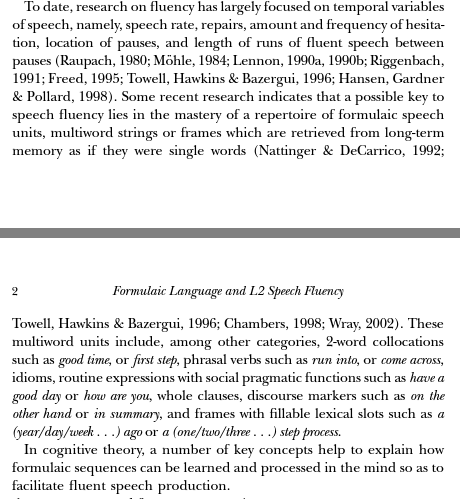
Popular English French/German/Spanish textbooks like Expo, Mira, Studio, Stimmt, Viva and Zoom not only do not include texts which are 90 % and above comprehensible, but they are also not highly patterned and flooded with the target structures. 1/2 #mfltwitterati#GILT_FB
Add to this the limited recycling of the core structures (they only recycle tenses at best) and the use of single-words lists and you get why they require lots of supplementation and do not really facilitate learning. 2/2 #GILT_FB#mfl_twitterati
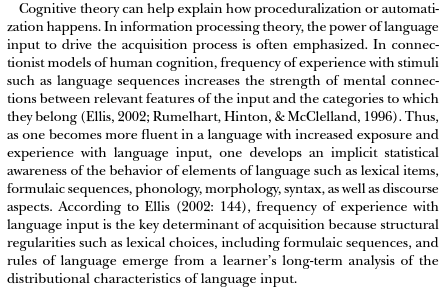
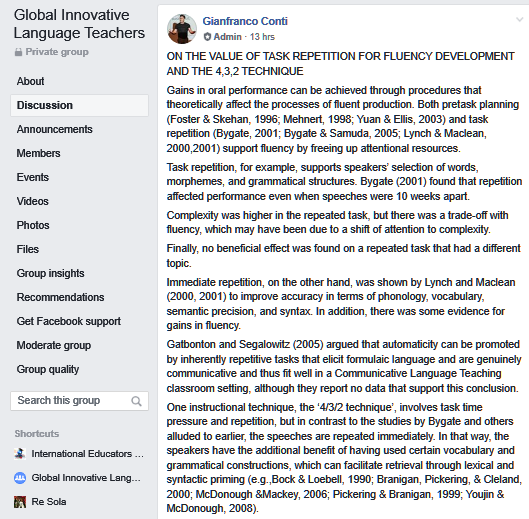
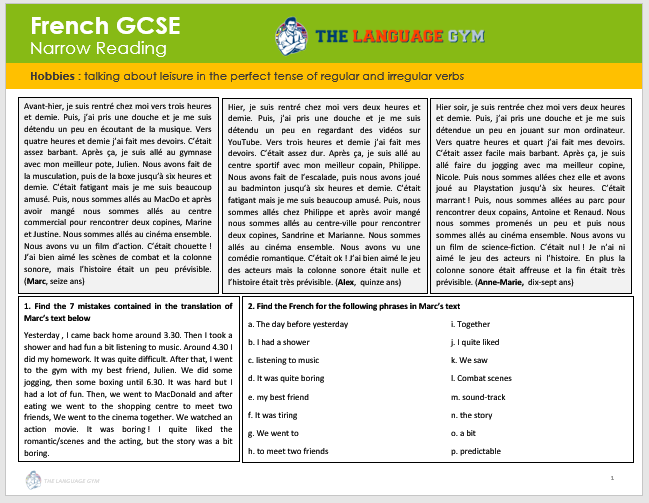
Why repeated exposure to controlled (90 to 95% comprehensible) input, input-flooding and highly-patterned input such as "Narrow reading" and 'Narrow listening" texts are potent enhancers of instructed second language acquisition @MrVinalesMFL
I recommend reading this to all who are keen on my approach, E.P.I.. Dylan describes a sequence based on my approach that he has successfully implemented many times over. Whilst he omits to detail the routinization phase, his implementation of E.P.I. is excellent.
New Blog: Teaching languages using ‘Extensive Processing Instruction’ – patterns and sequences to guide your Ss to language fluency. ¡Saludos! @gianfrancocont9 @spsmith45 @textivate
https://t.co/3gG3IewBgX https://t.co/HVtg783h3j
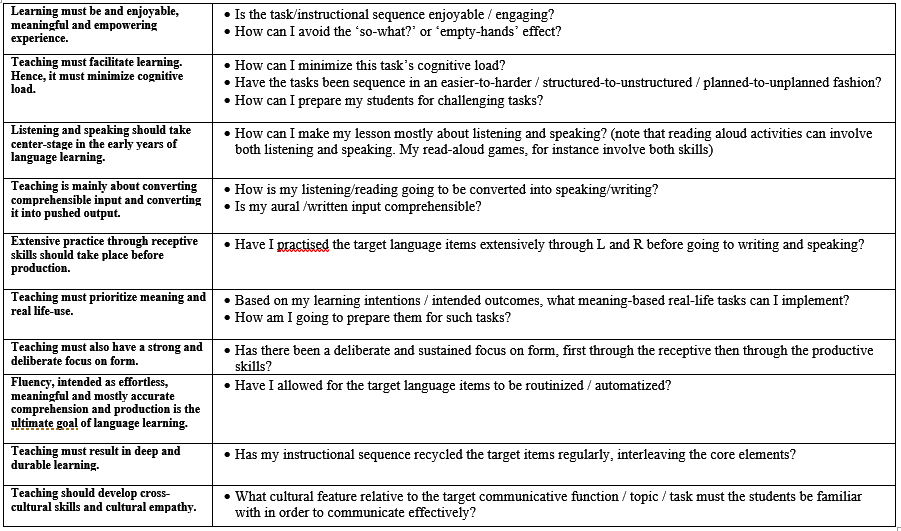
Key principles and related framing questions in L2 curriculum planning - from my keynote at the National Association of French Language Teachers in Sydney last week and my forthcoming keynote + workshops at the HoDs (Heads of Departments) workshops on 8th November in Sydney.