Just launched https://t.co/8lapUArrZh 👀
A better link in bio for executives and teams.
Create your page in minutes, keep everyone on brand, and turn social traffic into something useful.
Looking for a few early testers.
Just launched https://t.co/8lapUArrZh the link in bio built for executives and teams.
Set up your profile in minutes, keep your entire team on brand, and give every employee a better place to send traffic.
Looking for a few early testers 👀
Today I launched Wildcat App, an AI Ad platform where you can make UGC style videos in seconds. All built on @Lovable! Let me know your thoughts!
https://t.co/50ct9g4fgB
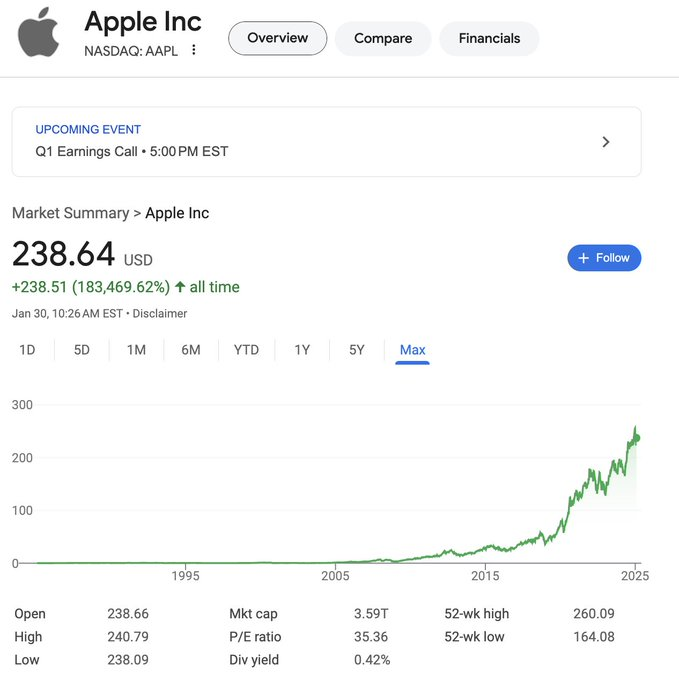
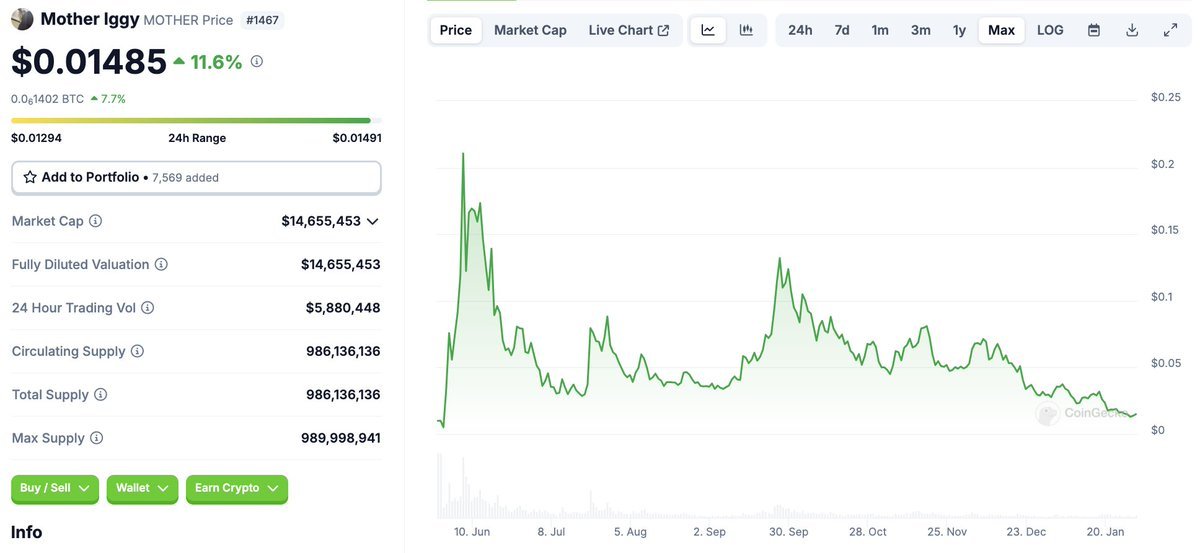
basically when an asset is a meme it eventually goes to 0.0 and trading it is just playing a zero sum game with other people trading it (eg pays to buy early / sell early)
an asset with intrinsic value is earning cash flow from paying customers (who value service provided more than price by definition) and everybody who invests in the asset can win
If you make money from Apple, you are making money from paying customers. If you make money from a pure meme, you are making money pvp from other traders. It's a really big difference.
https://t.co/S4Psq9BgPl
Theia's Ten Principles of Good Thinking 🥩
1. Write. Think by writing. You can begin with open writing on a blank page, and build more elaborate structures as you continue through the techniques below.
2. Specify. Ask specific questions and build specific hypotheses. Break large problems into specific subproblems. Pause frequently to specify relevant core assumptions and first principles.
3. Quantify. Interrogate relevant data and quantify core concepts. Identify and quantify competing casual forces. Pause frequently to triangulate and Fermi estimate.
4. Model. Think by building models. These models can range from basic mental models and applications of mathematics to elaborate computational models.
5. Predict. Good thinking is measured by good prediction. The prediction process includes —
(i) Begin with the base rate and adjust according to specifics.
(ii) Write specific predictions including a fan of outcomes and predictive confidence levels.
(iii) Apply Bayesian adjustments as you receive incremental information.
(iv) Log predictions versus final results measuring Brier and Thiel Scores.
(v) Learn appropriate lessons from predictive error.
6. Listen. Listen to many perspectives with an open mind, and steel man competing perspectives. Each perspective will have a unique contribution as well as a believability weight and bias set.
7. Bridge. Valuable thinking is measured by prediction relative to a consensus. Seek to develop contrarian opinions within an area of competence and bridge them to consensus by uncovering root cause differences.
8. Brood. Accept the limits of predictability and human knowledge. Understand that our mental operating system is full of bugs and biases but it is still the best tool we have. Identify, measure and handicap all biases relevant to a specific prediction.
9. Disconfirm. Look for evidence that contradicts your hypothesis. Value basic pattern detection and common sense over dogma and established conclusions. Develop a pre-mortem case for each prediction.
10. Endure. Accept that good thinking is inherently dissonant. It does not become easier but you can become better at handling the dissonance. Cultivate habits that strengthen the pre-frontal cortex and diminish the role of the amygdala.
We're going to buy back so much $LOCK, you may even get tired of buybacks. And you'll say, "Please, please. It's too many buybacks, we can't take it anymore."
We’re currently experiencing a massive surge of 8,000,000+ requests per minute. While we work to stabilize our platform, transactions may have trouble going through on the first try.
We appreciate your patience 🙏