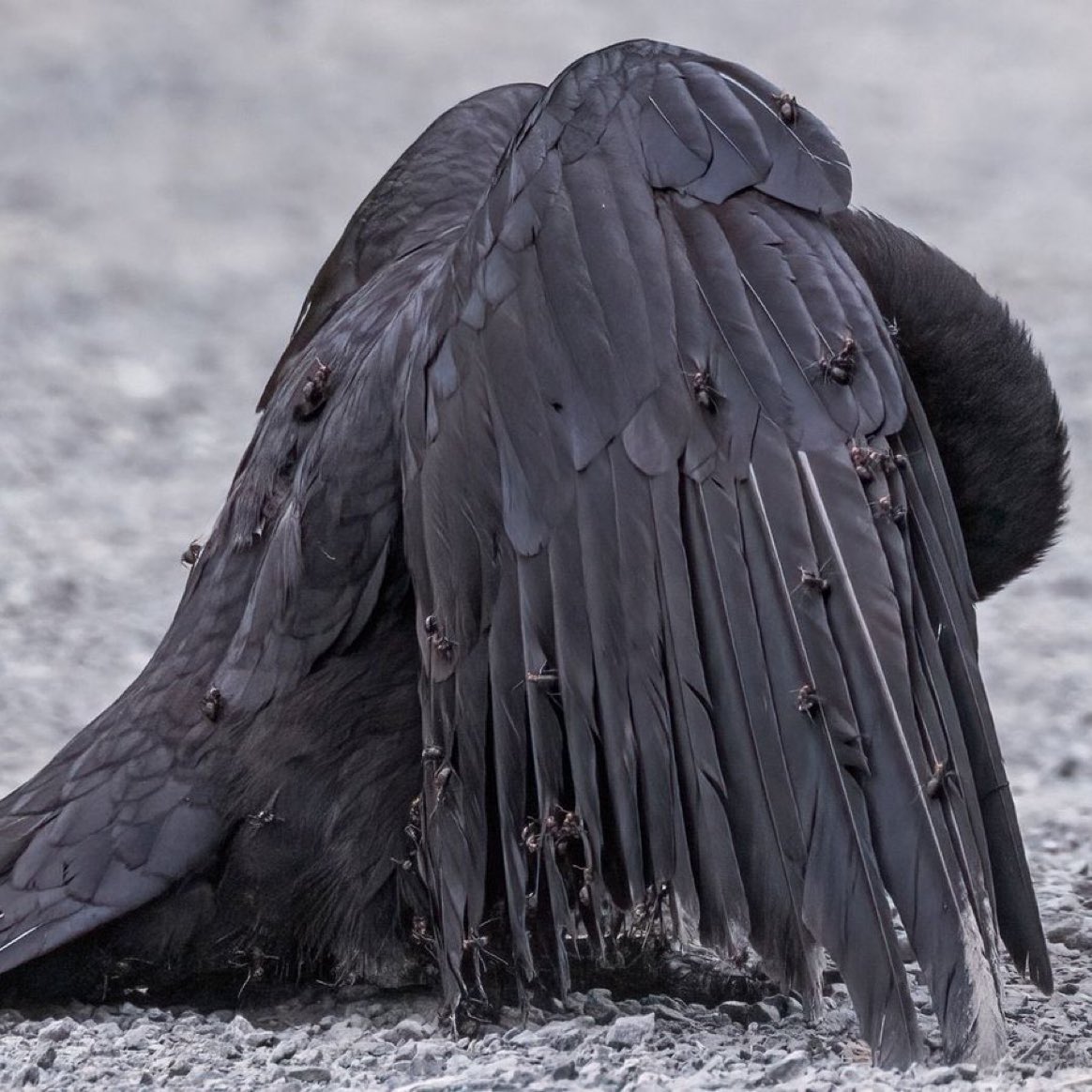
This crow has allowed itself to be covered in ants
Birds engage in a fascinating behavior called anting, where they rub insects, especially ants, on their feathers and skin. This can be done actively by picking up insects and applying them to their body or passively by lying in an area with abundant insects and performing dust-bathing-like movements. The insects secrete chemicals like formic acid, which possess insecticidal, miticidal, fungicidal, or bactericidal properties, providing potential benefits for the birds' health and plumage maintenance.
📸 Tony Austin
🏞️ @CalChinaClimate's latest brief with @nature_org summarizes how wetlands can contribute to climate change mitigation and factors that affect greenhouse gas flux in wetlands
Read the report 👉 https://t.co/Mdqgg4YH6b
What does Nvdia, Huawei and China have in common?
You are thinking all three entities have managed to humiliate her in public and happen to be run by Chinese people .
https://t.co/bU9d7cJD8N
Thanks Prof Joe Lee and @BrendanGodley for contributing to this important research. Hong Kong is undergoing massive urban development, Wetland is being converted into concrete surface and causing water quality changes and impact birds community
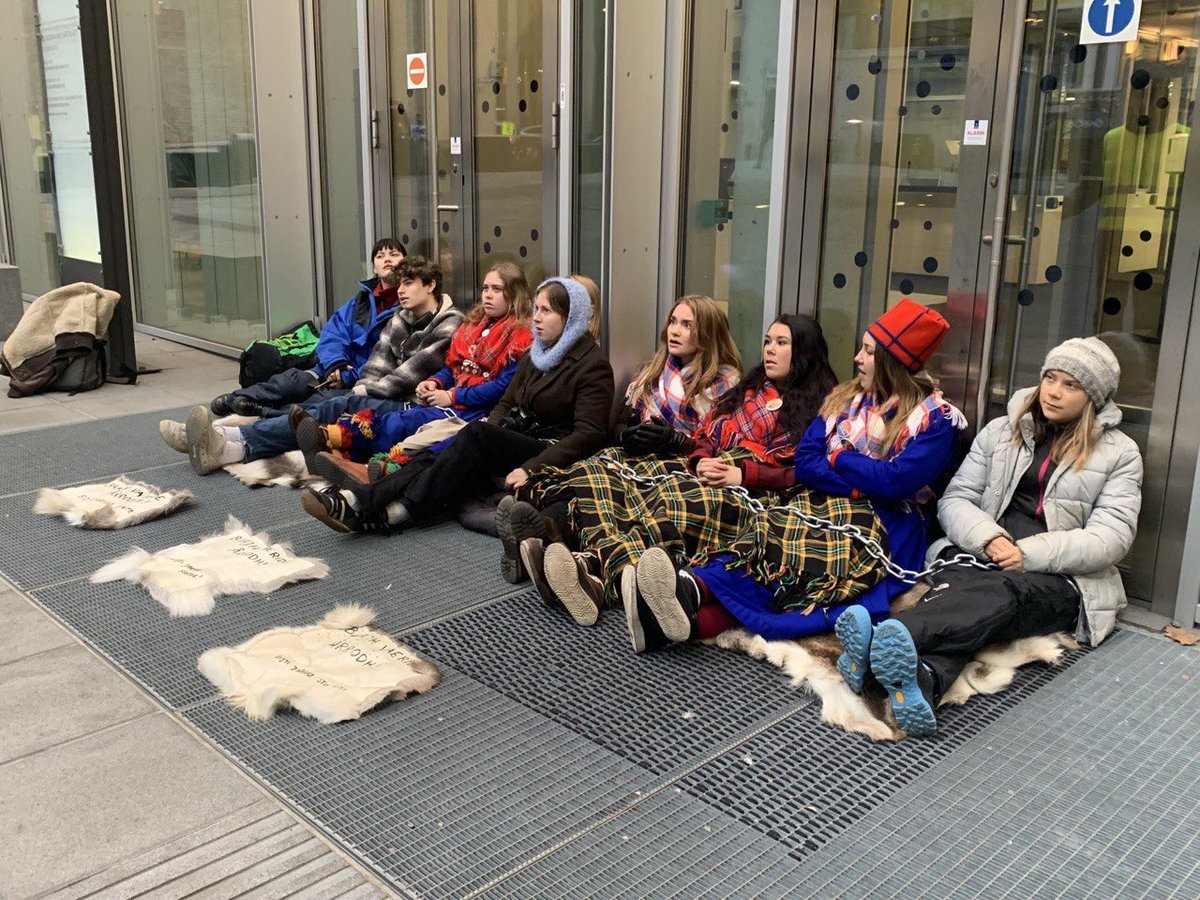
Week 269. Today I’m joining Sámi youth to blockade and shut down the Norwegian state due to their violations of human- and indigenous rights. Read more on @NaturogUngdom and @nsr_nuorat (instagram)
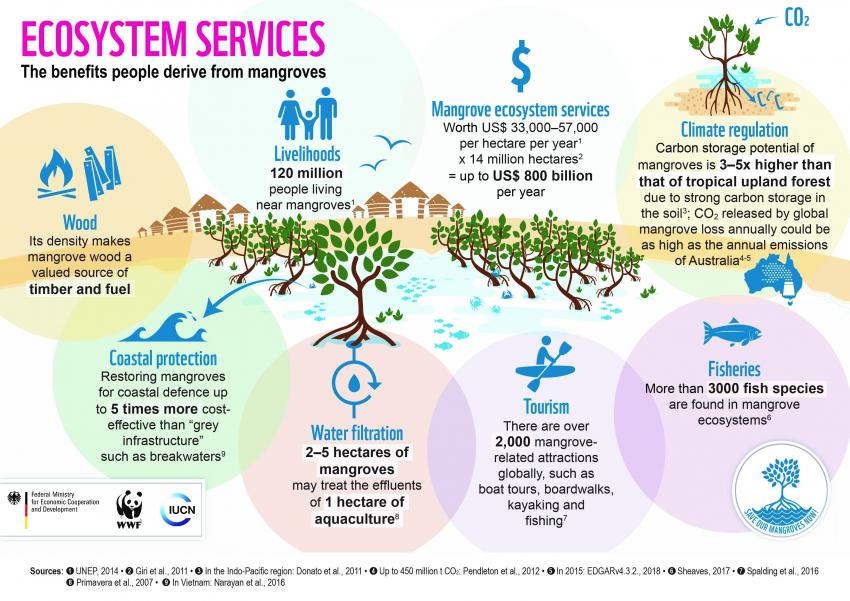
Thanks AFCD for organizing this rewarding short course on sustainable aquaculture. There are 2000 ha of fish ponds and wetland that are yet to reach its full conservation and fishery potentials. The indigenous fish farming community is facing unprecedente…https://t.co/zs4ccR4qcf
Solar is set to overtake generation capacity of all other power sources by 2027.
In three years, it will overtake gas.
In four years, it will push past coal.
And it's creating jobs as it does it.
We have the solutions. Implement them. #ActOnClimate#climate#energy#renewables