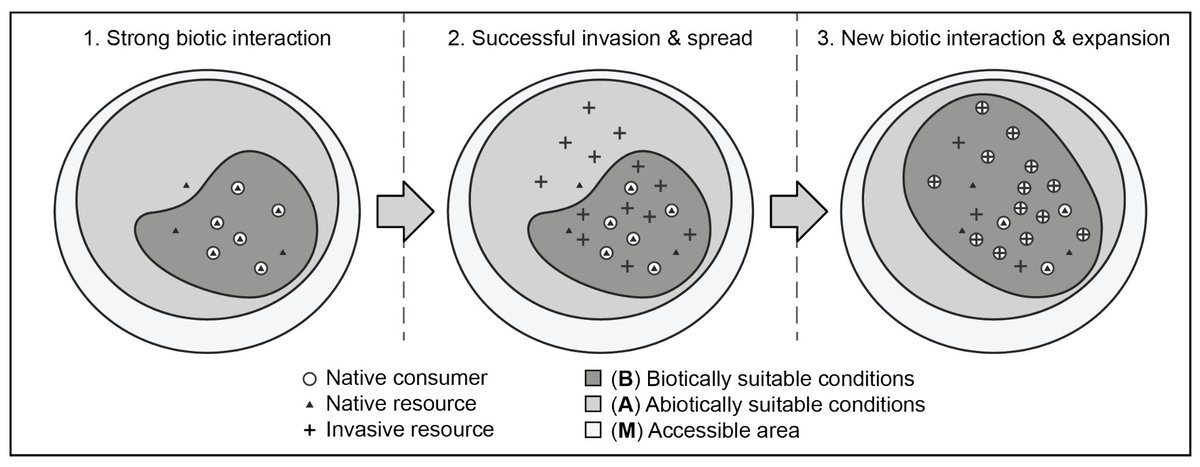
M is online!
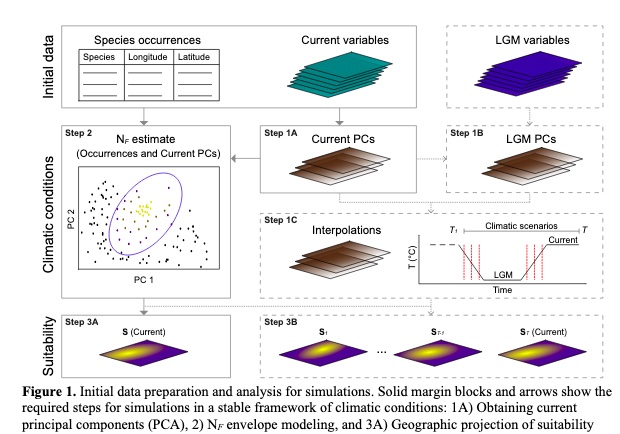
Check out our pre-print of a simulation approach for accessible areas. Great collaboration with @Marlon_E_Cobos & @PetersonBiodiv1
See you next week to chat about it (in Spanish):
https://t.co/DNwHk6bemT
#WhatIf
A simulation-based method for selecting calibration areas for ecological niche models and species distribution models - new in-press article coming out in Frontiers of Biogeography by Machado-Stredel et al. https://t.co/JcszQUg52N #FB_ArticleInPress#newbiogeo
The #voluModel methods paper I wrote with @Carsten_Rahbek in @MethodsEcolEvol just broke 4k reads! If you are interested in ecological niche or species' distribution modeling in marine systems and haven't read it yet, here it is: https://t.co/RiIRoJRDDg
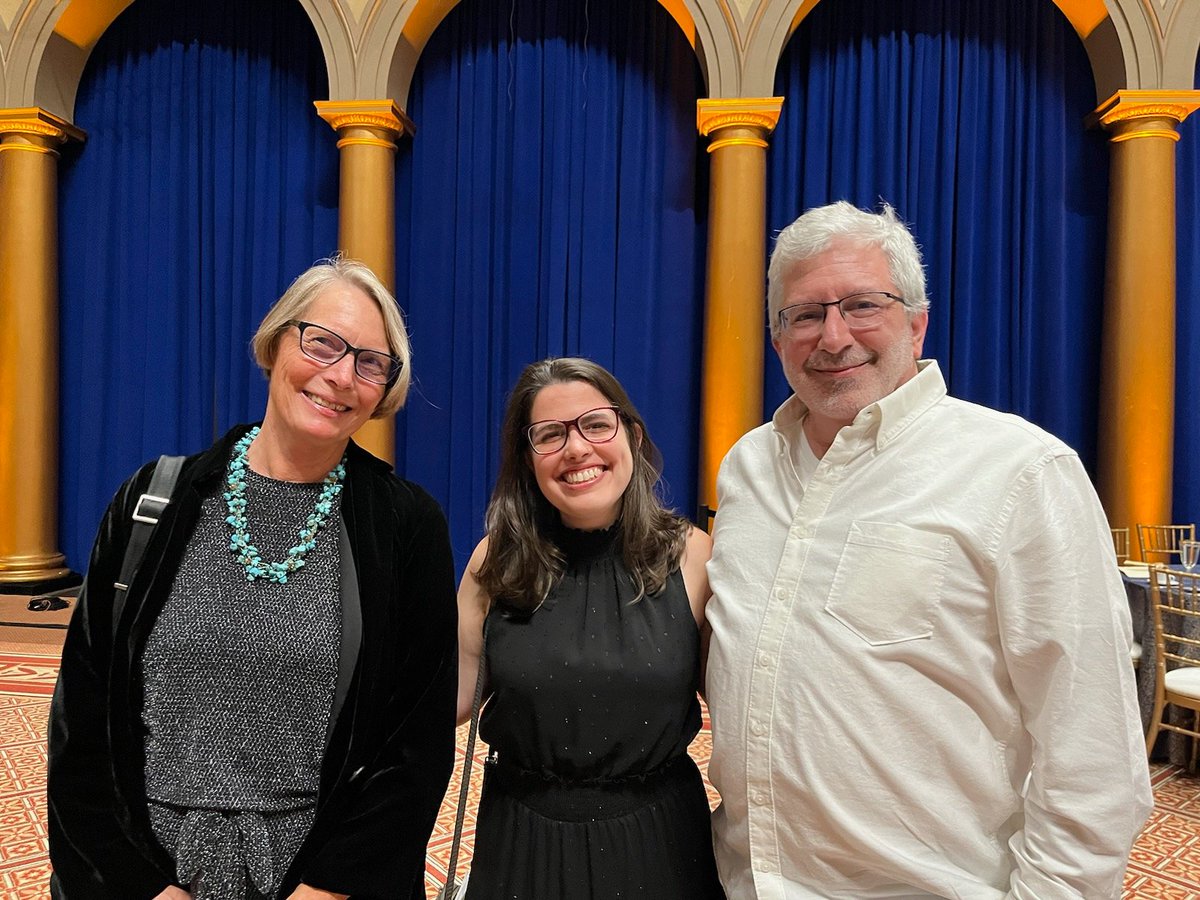
Truly an honor to represent the Anderson Lab & celebrate w/ @RPAbiodiversity at the #AAASFellows gala in Wash DC. The highlight of the night- meeting Franklin & Peterson!
🧵1/10🌍✨¿Sabías que los polinizadores son vitales para la producción del 75% de los cultivos alimenticios? En México, su diversidad es inmensa, pero ¿cuánto sabemos realmente de ellos? ¡Acompáñame en este hilo para descubrirlo! #HilandoCiencia2024
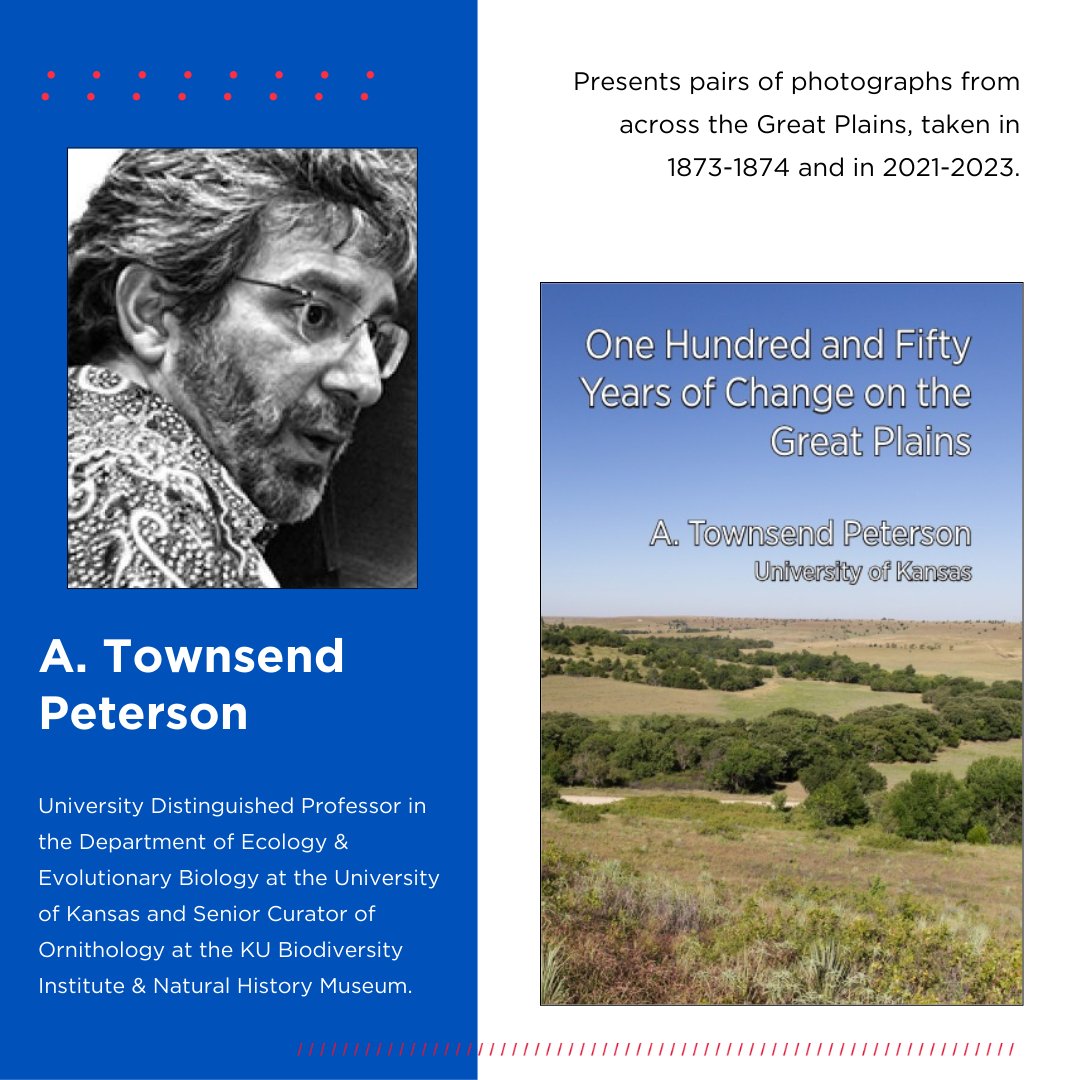
What inspired Dr. Town Peterson (@PetersonBiodiv1) to delve into historical ecology? Find out in the latest KU News article! ⬇️
The piece features his new book "One Hundred and Fifty Years of Change on the Great Plains."
https://t.co/umpSJAqKYN
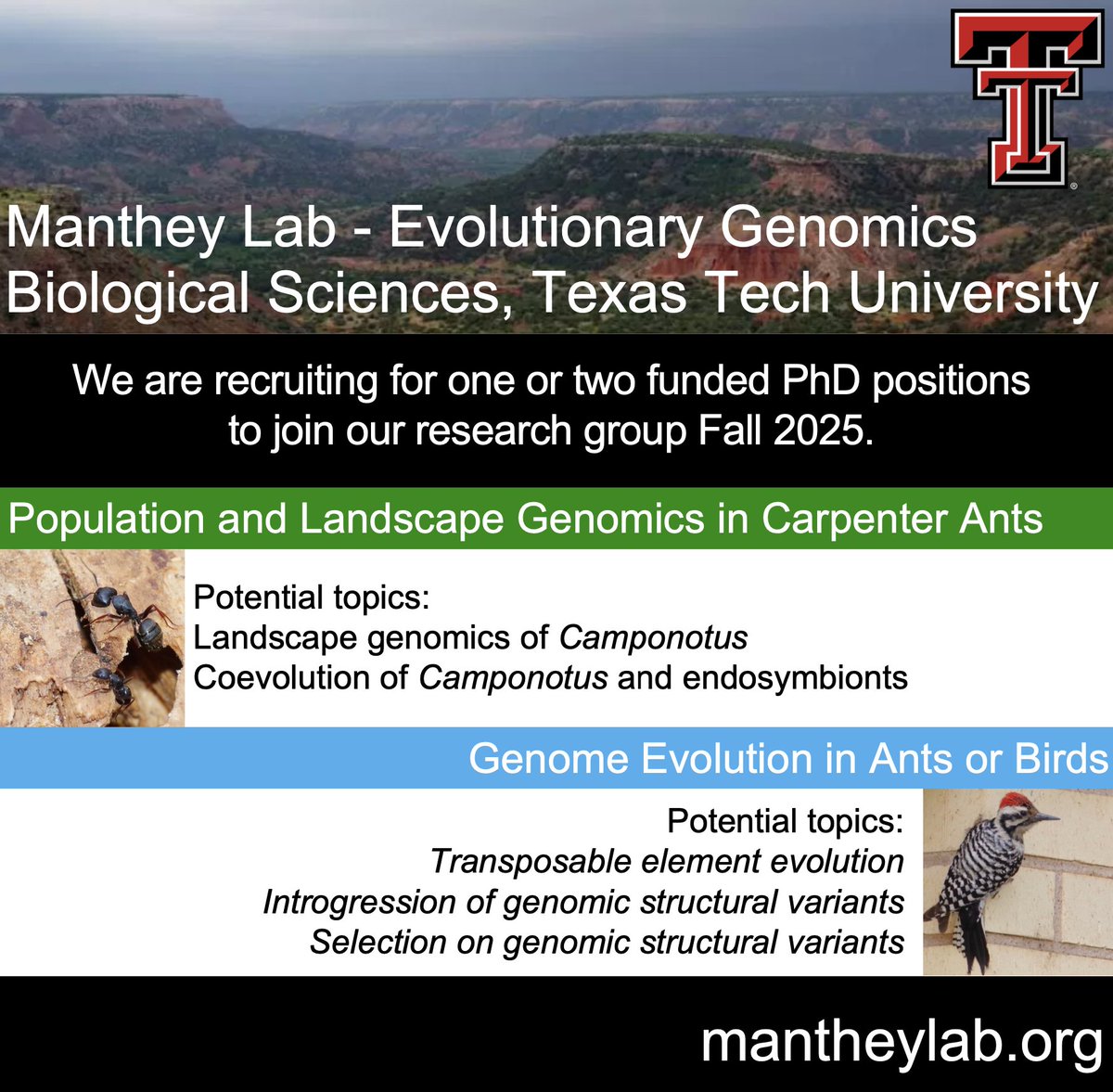
Interested in population genomics or genome evolution? We have open funded PhD positions to start Fall 2025. Info here: https://t.co/3w6YiDL4Ib and here: https://t.co/27ZLwrbwBF. Please retweet / forward to anyone that may be interested. #genomics#myrmecology#ornithology
Congratulations 🎉 to Dr. Town Peterson (@PetersonBiodiv1) on his new book, "One Hundred and Fifty Years of Change on the Great Plains." The book examines environmental change using repeat photography. Access the e-book or purchase a hardcopy here: https://t.co/1qSb3V2UPh
We have temporarily made TunnelBear free to use if you are connecting from Venezuela.
For those fighting for a better and more open Internet, please stay safe.
Check out our contribution in @AmOrnith#Ornithology on the relationship between the invasion of a new prey (Pomacea maculata) and the northward expansion of Snail Kites (Rostrhamus sociabilis) in #Florida
https://t.co/JVzqn9O534
One point we make is that for invasive prey to facilitate range expansions of native consumers some conditions are likely needed. Invasive consumers, in contrast, may have major impacts on local species
Neat collab. w. folks from @PetersonBiodiv1 at @kunhm & @FletcherEcology
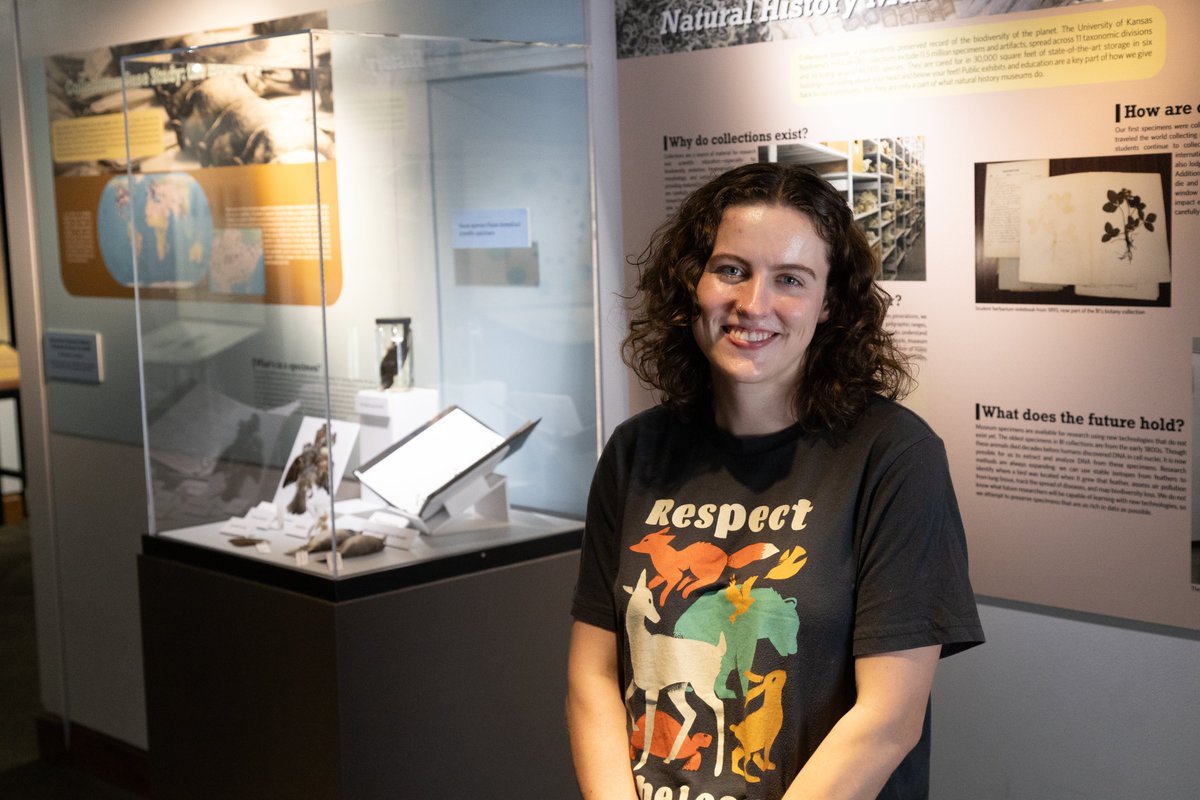
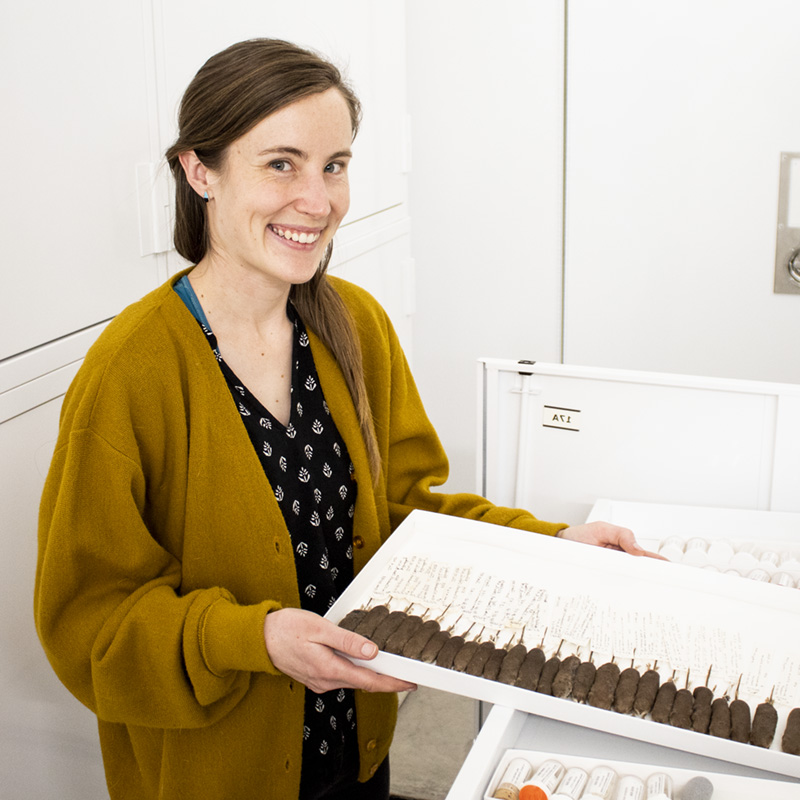
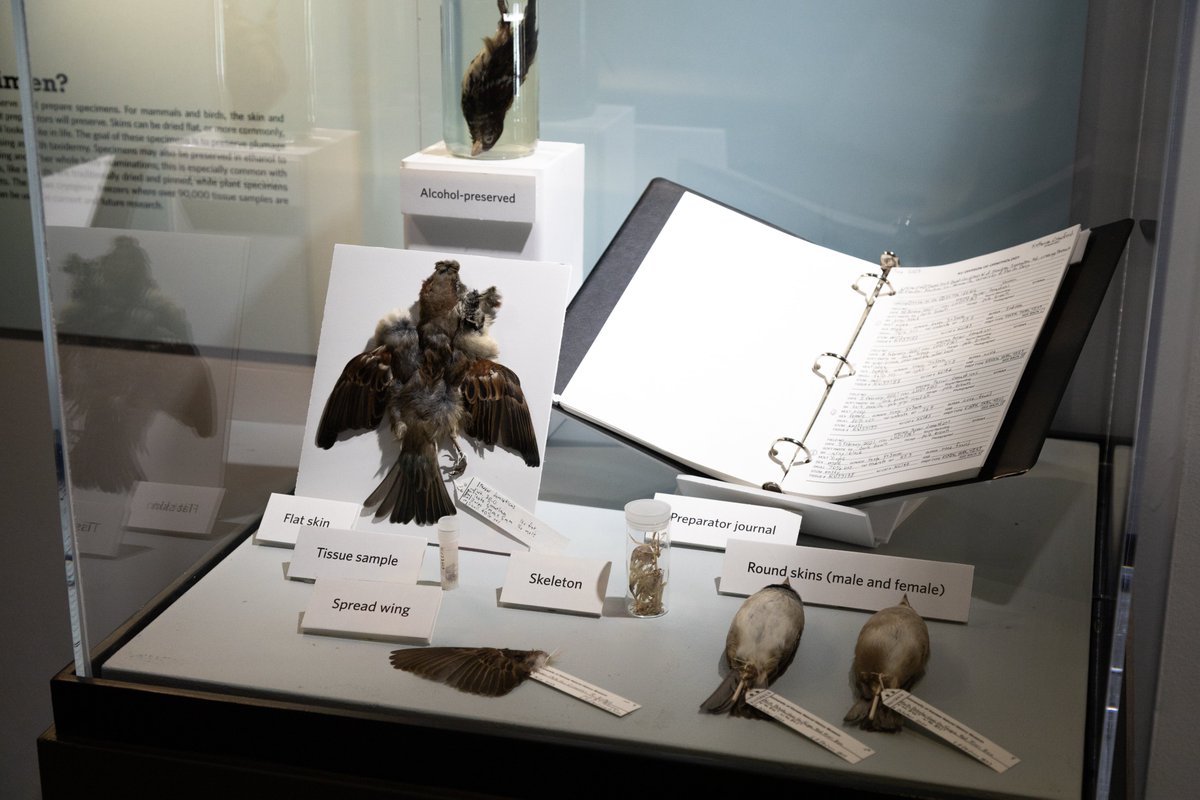
Why do natural history museums collect specimens? 🐦⬛
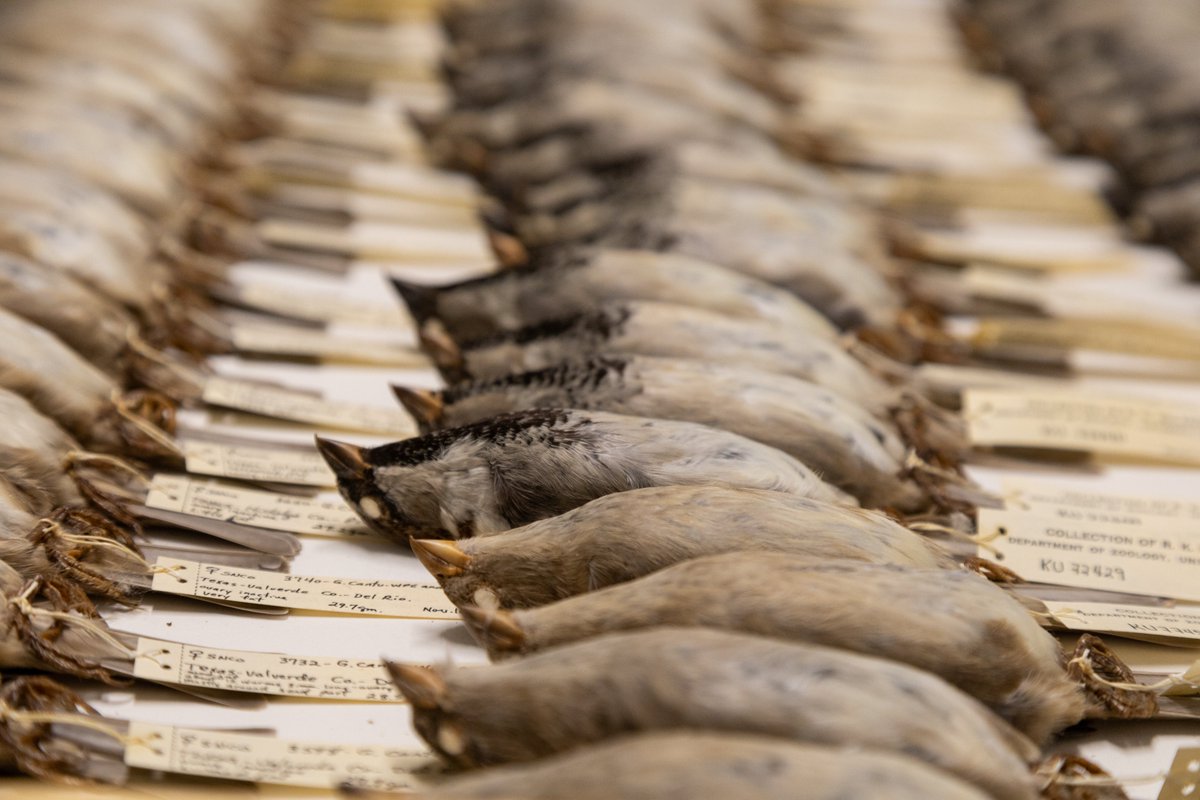
Discover the answer to this question in the new temporary exhibit created by @KUbiology Ph.D student Katherine Crawford! The exhibit examines evolutionary changes using house sparrows collected over the last 100 years.
Excited to see this paper out! We show the relationship between the expansion of Snail Kites to northern Florida & the invasion of a new prey
In this neat figure by @FletcherEcology one can see the bill latitudinal gradient across years & the kite northward expansion in 2018