Se trataba sencillamente de que con mi música podría sobrellevar todo lo demás. Mi música era el pegamento que me mantenía entero. #Eltemordeunhombresabio con #música es mejor ☺️
The quality of mental health care is declining—and a big reason is the lack of rigorous clinical training in programs for LMHCs, PMHNPs, and other practitioners who are being used to make up for the shortage in psychiatrists and psychologists. https://t.co/dYrzmItfIi
@APApsychiatric
Problematic internet use should be considered a global health concern, and governments must regulate addictive platform design, say experts in a new Commission published in The Lancet Psychiatry.
Find out more: https://t.co/Dpw3rykqn8
El TDAH no nació con el DSM ni fue descrito por primera vez en el siglo XX. Su historia se remonta al menos a 1753, cuando algunos médicos europeos comenzaron a describir dificultades de atención que hoy reconocemos como parte de este trastorno.
Una revisión histórica publicada en Frontiers in Psychology (2026), titulada Historical development of ADHD from 1753 to 2026, reconstruye más de 270 años de evolución del concepto de trastorno por déficit de atención e hiperactividad (TDAH).
¿Cómo hemos llegado al concepto actual de TDAH?
1753. Las primeras descripciones médicas.
El médico neerlandés Cornelius Albertus Kloekhof utilizó el término Attentio Volubilis (atención fugaz) para describir dificultades para mantener la atención y organizar las ideas.
Aunque sus explicaciones estaban basadas en teorías médicas que hoy carecen de sustento científico, su trabajo constituye uno de los antecedentes más antiguos conocidos.
Posteriormente, Melchior Adam Weikard (1775) describió problemas de atención, inquietud e impulsividad, mientras que Alexander Crichton (1798) abordó la dificultad para sostener la atención y la inquietud mental.
1902. George Frederic Still y el control de la conducta.
Still presentó observaciones de 43 niños con dificultades para mantener la atención, regular sus emociones y controlar su comportamiento.
Interpretó estas manifestaciones mediante el concepto de control moral, propio del pensamiento médico de su época.
Su aportación fue importante porque comenzó a relacionar las dificultades atencionales con problemas más amplios de autorregulación (Control inhibitorio-Capacidad Atencional).
1937. El descubrimiento de los efectos de los estimulantes.
Charles Bradley observó que la benzedrina, administrada inicialmente para aliviar molestias posteriores a procedimientos médicos, producía mejorías conductuales en algunos niños.
Este hallazgo abrió el camino a la psicofarmacología del TDAH. En 1944 se sintetizó el metilfenidato, que posteriormente comenzó a utilizarse para tratar problemas conductuales infantiles.
1968. El trastorno entra al DSM.
El DSM-II incorporó la denominada reacción hipercinética de la infancia o adolescencia.
En aquel momento, la hiperactividad era considerada la manifestación principal. Incluso predominaba la idea de que estas dificultades desaparecerían durante la adolescencia.
1980–1994. De la hiperactividad al déficit de atención.
Las investigaciones de Virginia Douglas contribuyeron a reconocer que las dificultades para mantener la atención y controlar los impulsos podían ser más relevantes que la actividad motora excesiva.
En 1980, el DSM-III introdujo el trastorno por déficit de atención, con y sin hiperactividad.
En 1987, el DSM-III-R adoptó la denominación TDAH y unificó los síntomas en una sola lista.
Posteriormente, el DSM-IV de 1994 distinguió 3 subtipos: predominantemente inatento, predominantemente hiperactivo-impulsivo y combinado.
2013–2026. Un trastorno cada vez más heterogéneo.
El DSM-5 sustituyó el término subtipos por presentaciones, reconociendo que las manifestaciones clínicas pueden cambiar a lo largo del desarrollo.
Paralelamente, la investigación pasó de buscar una alteración cerebral específica a estudiar múltiples redes neuronales, procesos cognitivos y contribuciones genéticas.
Los modelos contemporáneos consideran dificultades relacionadas con la inhibición conductual, la regulación del esfuerzo, la motivación, el procesamiento temporal y otros mecanismos que no necesariamente están alterados de la misma manera en todas las personas.
¿Qué nos enseña esta evolución histórica?
Que el TDAH no ha sido un concepto diagnóstico estático. Durante más de dos siglos, distintas explicaciones han intentado integrar manifestaciones clínicas que inicialmente se estudiaban por separado.
También evidencia que los modelos científicos y las clasificaciones diagnósticas se modifican conforme aparecen nuevos conocimientos.
Sin embargo, persisten problemas.
Los autores señalan que todavía no contamos con biomarcadores suficientemente precisos y reproducibles para utilizarlos de manera rutinaria en el diagnóstico clínico.
Conviene recordar que este artículo es una revisión histórica y narrativa, no un estudio experimental ni una revisión sistemática destinada a comprobar la validez de cada modelo diagnóstico.
¿Consideran que los cambios en las clasificaciones diagnósticas han permitido definir mejor el TDAH o seguimos agrupando bajo una misma categoría manifestaciones que podrían responder a mecanismos diferentes?
Referencia: DOI: 10.3389/fpsyg.2026.1938091.
New in Psychopharmacology: does the experience matter for ketamine?
In 3,637 adults with depression, more intense psychedelic experiences went with greater improvement.
Observational, but a sign the experience deserves careful measurement.
https://t.co/RQsdOZ6UrA
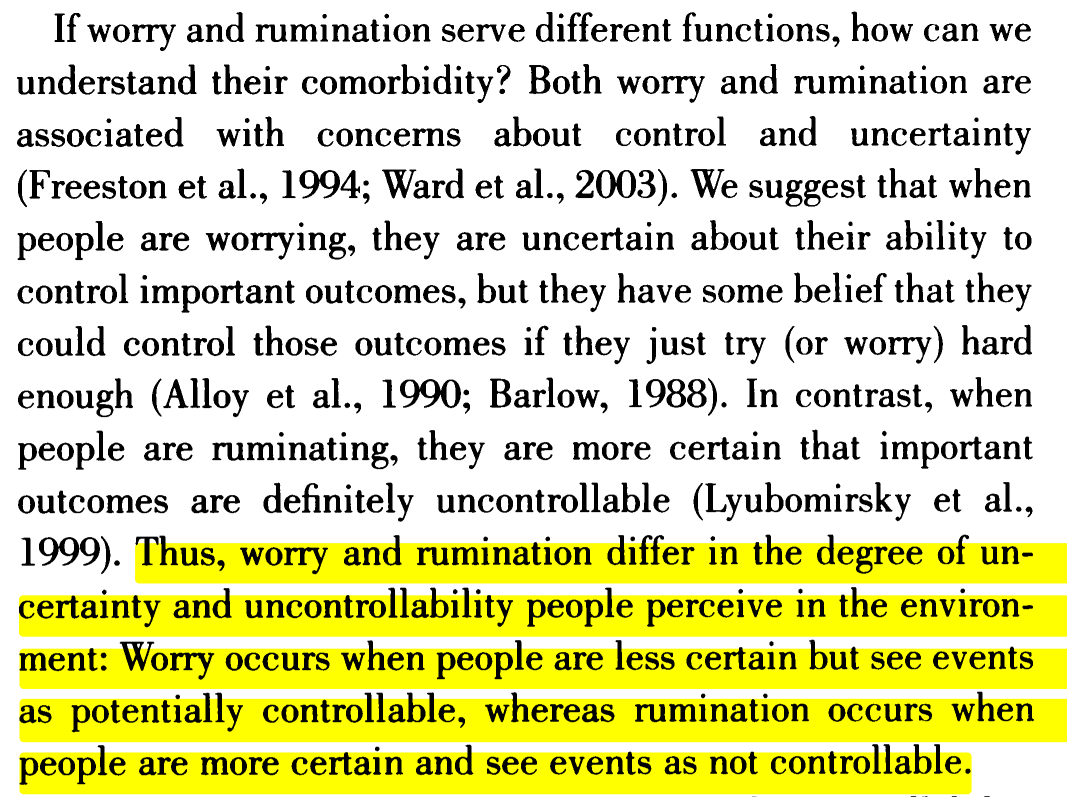
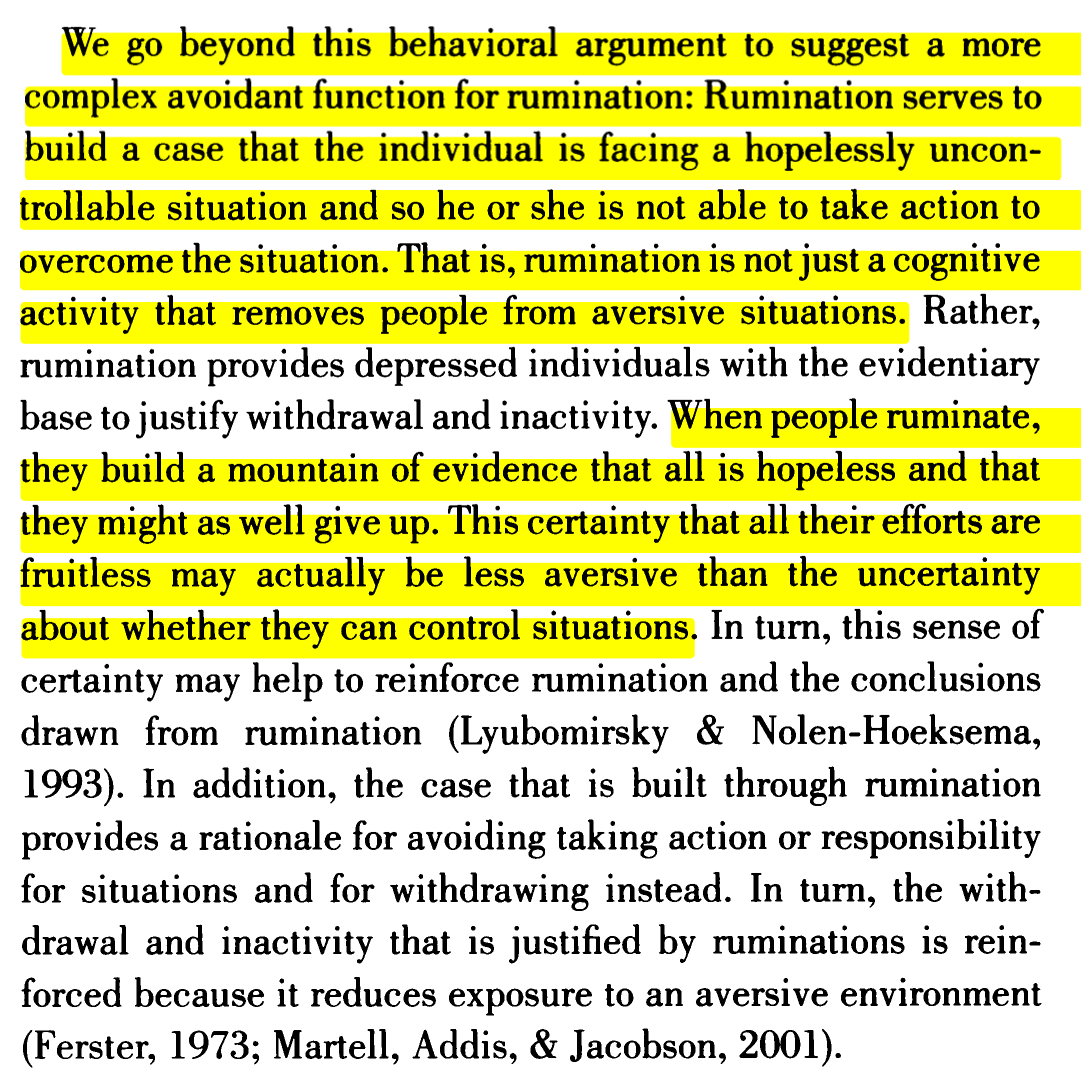
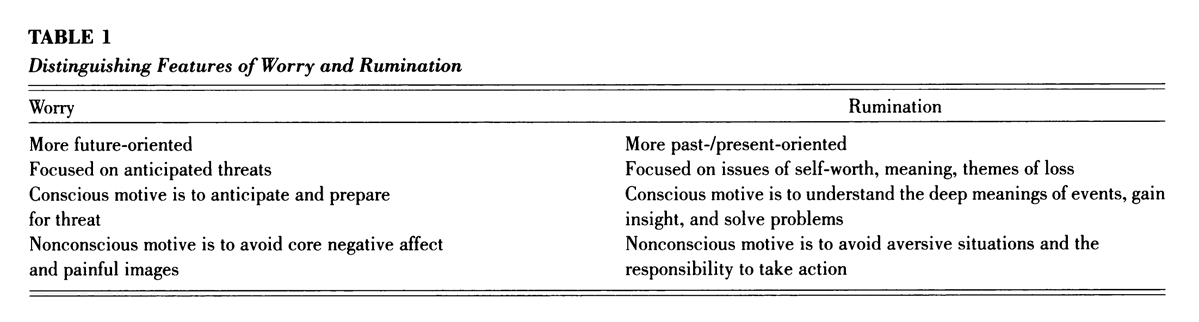
Bir kişinin sıkıntılarına karşı olumsuz düşüncelerle -çözüm için harekete geçmeden- tekrar tekrar odaklanması (ruminasyon), zihnin farkında olmadan her şeyin umutsuz olduğuna dair kanıt toplayıp harekete geçme sorumluluğundan kaçtığı bir savunma mekanizması olabilir.
An ecological momentary assessment study published in JCP found that suicidal ideation in depressed patients fluctuates within hours and closely tracks concurrent depressive symptoms, though the strength of these links may differ across major depressive, bipolar, and borderline personality disorders. JCP → https://t.co/EoS2JYKWUt
#SuicidePrevention #MoodDisorders #JCP
A rounds report published in PCC explains why serious illness and its treatment can be as traumatic as other recognized traumatic events, and how primary care clinicians can screen for medical PTSD and reduce risk through good communication and continuity of care. PCC → https://t.co/keA6uIjUBr
#PTSD #PrimaryCare #PCC
In memory of Marsha Linehan – an updated review of her memoir, Building a Life Worth Living.
Maybe every generation gets the DBT it deserves.
https://t.co/5qwir69xjF
Do psychiatrists have a spider-sense? Can your doctor really sense when something is not right? A fascinating new review published in Brainby Amad and colleagues explores something many experienced clinicians recognize but rarely discuss: the intuition that something is not quite right with a patient, even before we can identify a specific symptom. The authors call this phenomenon VIBE (Violation of Interpersonal Bayesian Expectation), proposing that our brains continuously predict how people should communicate and interact, detecting subtle mismatches in eye contact, facial expressions, voice, emotional responses, and conversational timing. When these expectations are violated, clinicians may experience a gut feeling that something is wrong. The concept builds on the historical praecox feeling, described in schizophrenia, but potentially extends to autism, mood disorders, and other neurological and psychiatric conditions. What resonates with me after decades of examining patients with Parkinson's disease and other neurological disorders is that clinical medicine is about much more than checking boxes, reviewing scans, or ordering laboratory tests. Sometimes the way a person walks into the room, speaks, moves, or interacts tells us something important before we can articulate precisely what it is. The caution is that intuition is not a diagnosis, and this proposed framework still requires scientific validation. Our impressions can also be wrong or biased. The art of medicine is learning to recognize these subtle signals, testing them against objective evidence, and never losing sight of the person sitting across from us. Perhaps the best physicians are not those with a supernatural spider-sense, but those who have learned how to listen, observe, question, and remain curious.
https://t.co/U4iorjXwkG
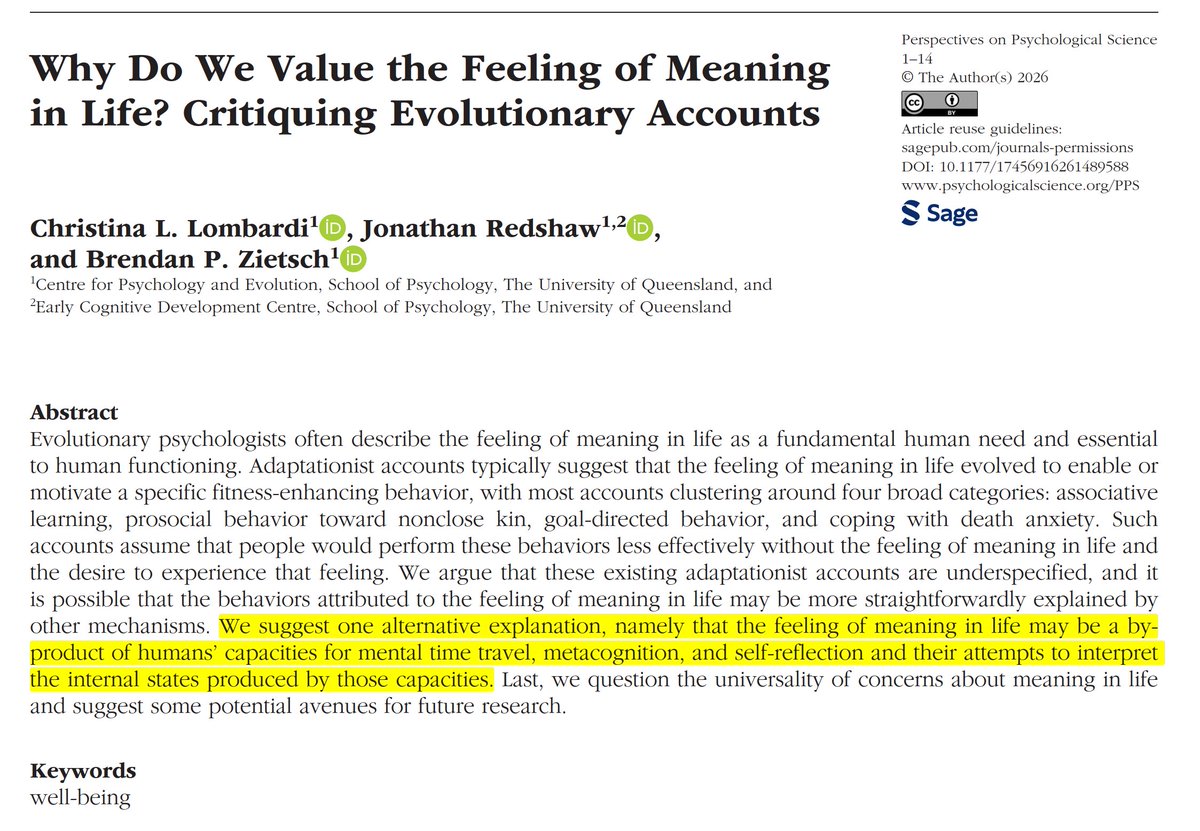
Viktor Frankl ve Abraham Maslow yanılmış olabilir:
Hayatın anlamını aramak aslında insanın doğuştan gelen bir ihtiyacı değil; emeği (maaşlı çalışma) ile hayatta kalması arasında soyut bir boşluk olan ve sonsuz bir seçenek havuzunda kaybolmuş modern sanayi toplumu insanının yarattığı bir sorun olabilir.
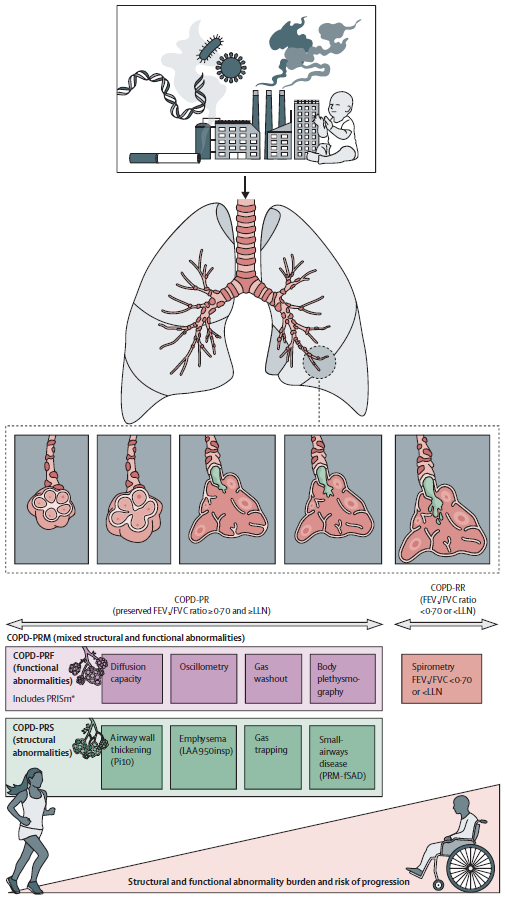
The 2022 Lancet COPD Commission called for a shift in thinking about COPD from an end-stage disease to one with different types of risk factors and trajectories.
A new update reviews progress made in the take-up of the recommendations: https://t.co/Q15brYAUlQ