People want to talk about AI as some crazy new thing.
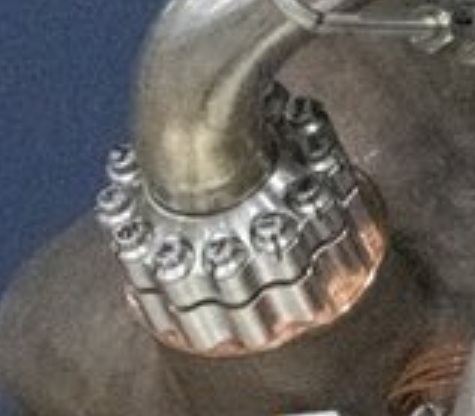
But the base layer of the industrial revolution is a ton of tiny tubes with water running through them and there's nothing you can do about it.
I learned of this Italian machine tool company called Pietro Carnaghi. They make these giant precision machine tools called vertical lathes and they are used for jet engines, nuclear reactor, and gas turbines. They are considered one of the best if not the best in that niche.
A United Space Alliance technician steps inside the space shuttle’s external tank, specifically the intertank structure that separates the liquid hydrogen tank below and the liquid oxygen tank above.
He goes inside to place panels to support an X ray of the tank’s structure.
how i CAD -- engineers don't really talk about their CAD workflows much, so i thought i would spell mine out. i hope it's useful
i don't default to "parametric" (what should really be called feature based history) modeling, and i think that's ok. i think it has its place (<10% of cases imo) and i rarely think it useful in R&D or mass manufacturing. i find it's great for people who have standardized assets that follow strict rules (furniture, truss or framing companies, etc.)
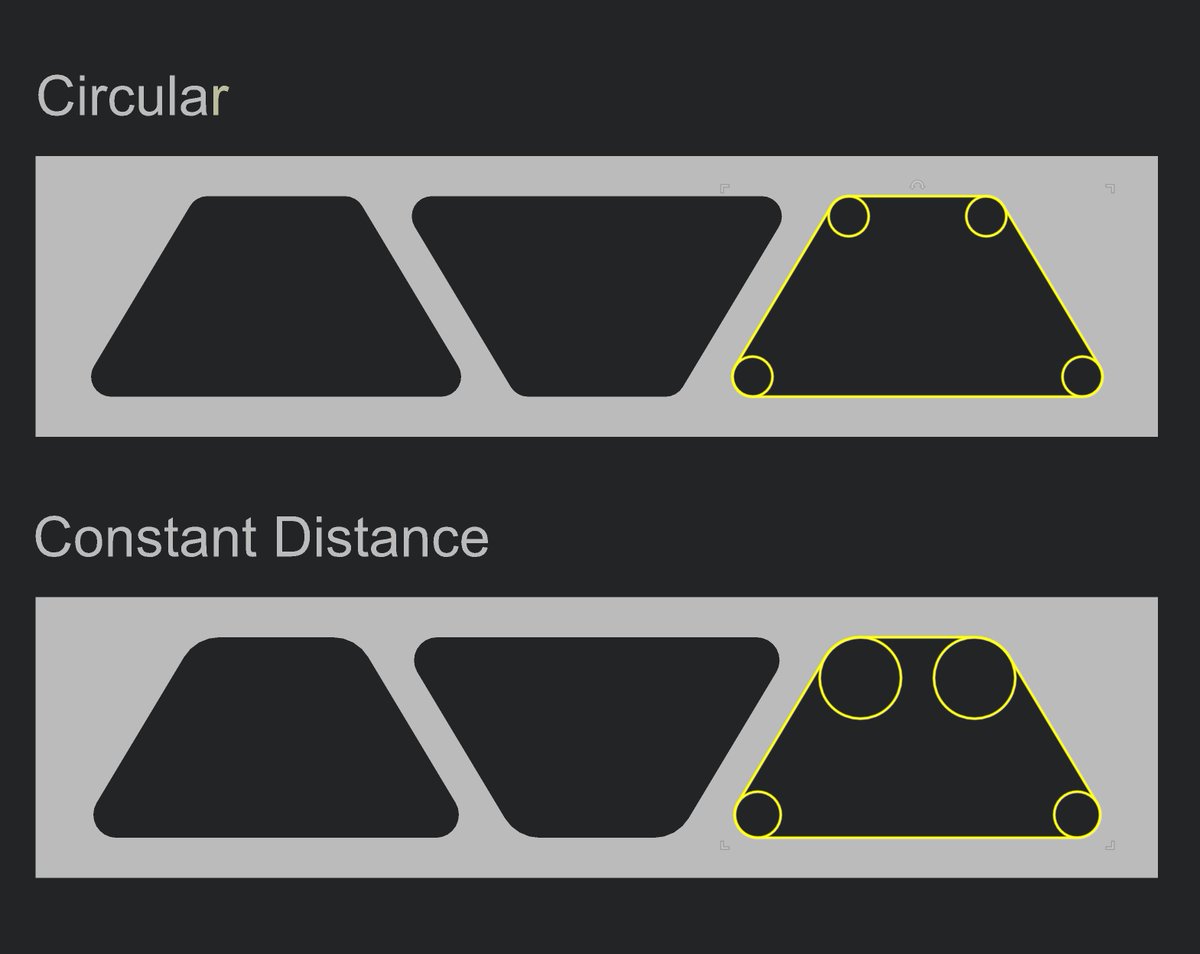
i use a direct modeling approach that avoids sketching when possible. how do i do this without sketches? NX lets you generate curves without sketches. autocad and plasticity operate through this paradigm by default
i do not care about feature history length and either ignore it, or purposely use tools like remove parameters (NX) to wipe the history periodically. i never use assembly functionality or assembly constraints and all of my parts live in a single file as bodies
these files are by proxy "assemblies". i instantiate bodies within them (blocks in autocad, components in NX) when required -- i have various workflows for turning these parts into something the system can understand for drawings and PDM. those most familiar with fusion360 or NX are already aware of this paradigm
some organizations don't like this. for example, one forced feature history based models ("parametric") or models would be rejected in the ECR process
in other orgs, they've mimicked almost 100% my direct modeling workflow and it was actually frowned upon to have a feature based modeling histories. what i've learned is that for really complex assemblies, you need to not parametrically link variables that define geometry and reduce feature history as much as possible. i understand this is indirectly calling some startups out (like flow engineering), but i have not yet seen this to be untrue
why?
1. dependencies break. think of each dependency (parameter, feature, etc.) as an attack vector. native CAD files are not source code. each CAD company has created their own "source code" (features) and they do not necessarily all compile to the same result. in the software paradigm, you should actually think of BREPs (.stp exports) as the source code, and everything before that as an abstraction that could cause issues. almost every employer i've had disagrees with me on this, so if your blood is boiling, it's OK, you're not alone
2. it's fast. it doesn't matter what i started with, i don't have to think about the history of the part. if i don't like a part, i can push/pull faces and slice geometry to get what i want. the ability to totally disconnect the future state of a geometry from its previous state is, and i don't think this is an exaggeration, almost 10x faster than having to grok what you were thinking months or years ago
3. to further the point in 2 -- you can comment code. that's a reason source code can live for decades and its intent can still be understood later. you can't comment feature histories
4. if you go with the direct modeling approach, the CAD cartel loses. if you can easily export your step file, and rely on direct modeling approaches, then you're never locked into a CAD system. period. feels pretty good. by the way, this is what enables open source hardware
2025 moved fast—and so did we.
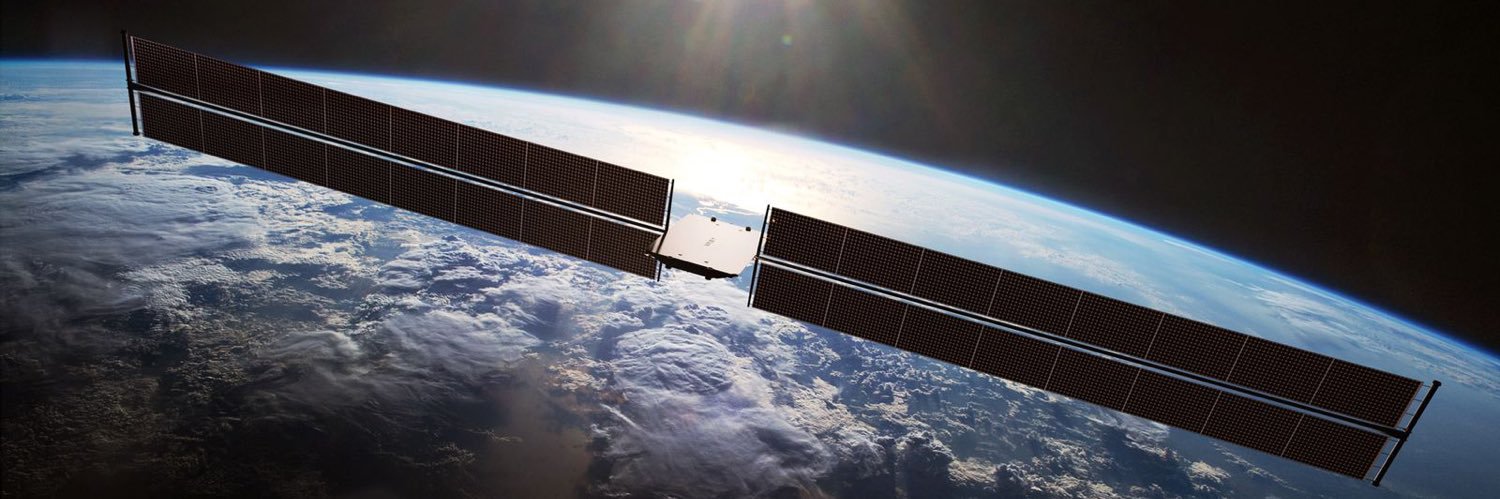
This year, we launched the LEO Express 2 and 3 missions, bringing us to a total of three Mira spacecraft on orbit, executed a first-of-its-kind autonomous RPO, and upgraded Mira to expand performance and unlock mission profiles across higher energy orbits.
In our Helios program, we proof tested the Run Stage tank test article, validating the tank structural design and manufacturing processes. This primary structure is representative of the flight tank for the fully-manifested Caravan 1 maiden flight of Helios. And, our Deneb engine test article executed 165 powerpack hotfire tests across 13 builds.
We shared our vision beyond GEO, with an Impulse-designed lander architecture to deliver more mass to the moon and help build out a sustained lunar presence.
We raised a $300 million Series C, bringing total funding to over half a billion dollars, and doubled our team.
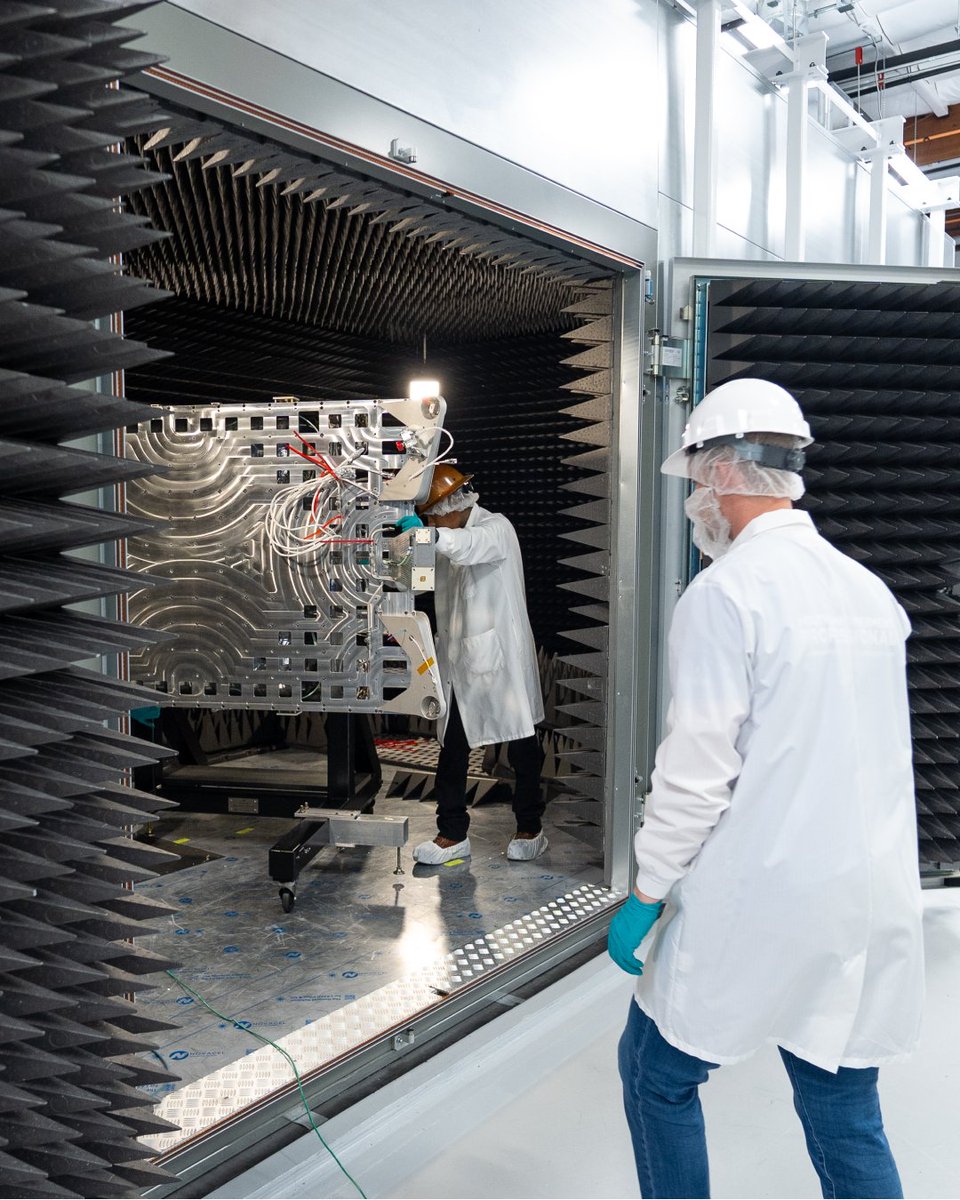
We tripled our testing footprint in Mojave, opened a new facility in Colorado expanding capabilities across precision manufacturing, optics development, GNC, and simulation, and secured additional space in Redondo Beach to support our scaling production.
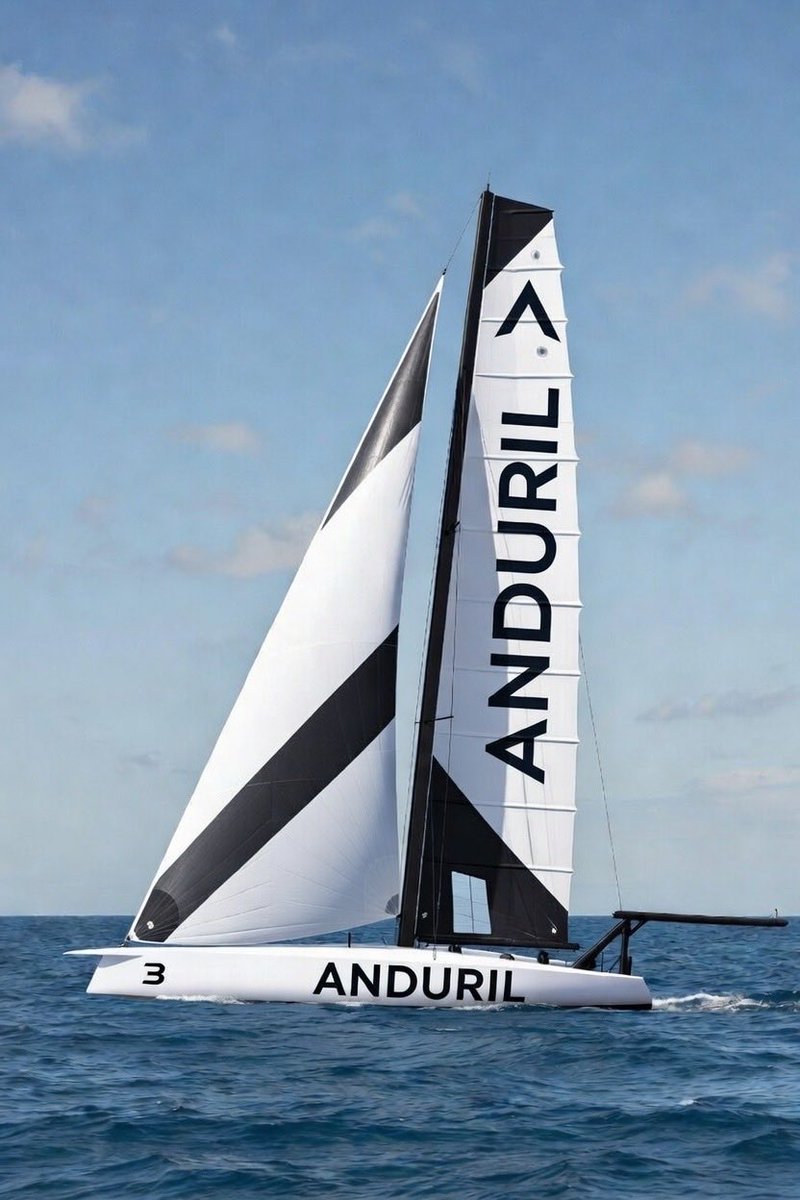
We initiated major mission contracts and partnerships with NASA, SES, Anduril, Astranis, Infinite Orbits, Lodestar, and more.
We were named one of Fast Company’s Next Big Things in Tech, SpaceNews’ Emerging Space Company of the Year, and LA Business Journal’s Disruptor of the Year.
And that’s just a few of the highlights. We’re excited to bring you inside these moments and more in 2026.
Happy New Year from all of us at Impulse!
#MobilizeSpace
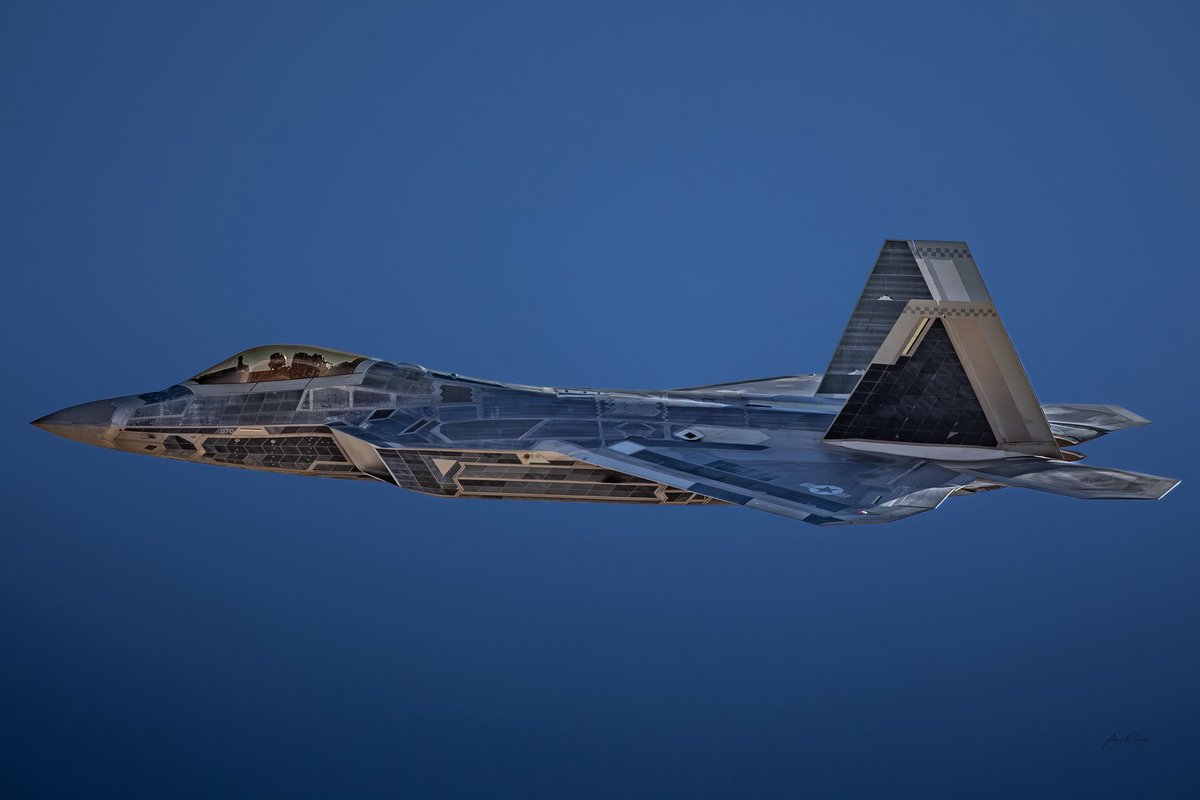
Right place. Right time. Pure luck. Honest truth: I didn't even realize what I had captured until weeks later. A rare glimpse of the test USAF F-22A "Symbiote" / "Zombie Raptor" -one of those moments where the camera saw it before I
did.
📍 Nellis Air Force Base, NV 🇺🇸
🗓️ 01/25/23
📷 Canon R6 + RF 600mm f/4L
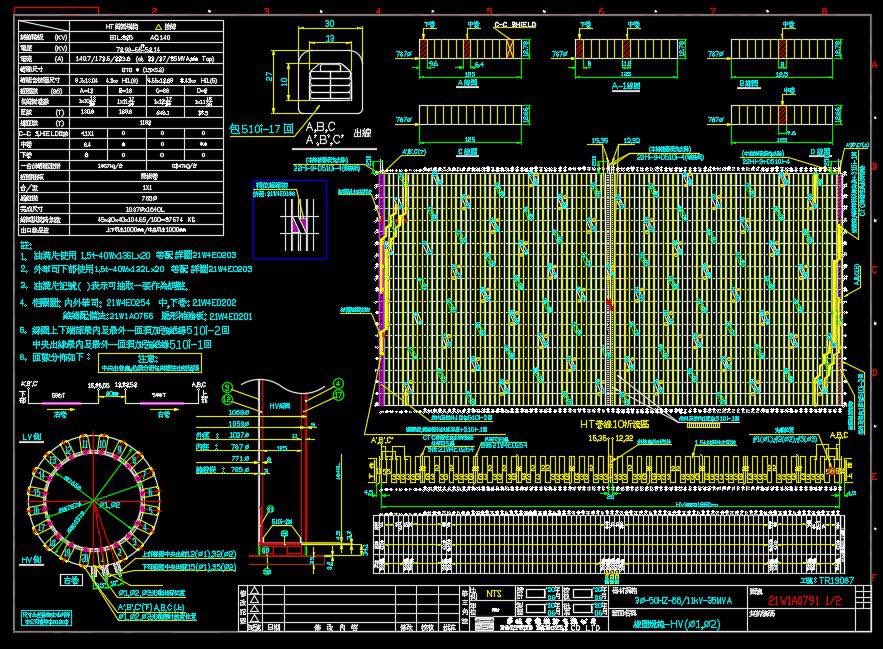
Heat Exchangers, Turbines, Transformer
First it was the transformers, then it was the turbines, the next critical industrial equipment to see a supply crunch might be heat exchangers.
There are myriad new technologies for transformers, turbines and heat exchangers that nobody in industry (of note) is really pursuing in anger.
Transformers are essentially obsolete, there are safer, much better and more performant ways to step voltages up and down. We don’t use them because nobody makes them at scale.
There are superior turbine cycles that use high pressure gases instead of steam. You can run a closed Brayton cycle with a gas turbine sans a combustion chamber. It’s 5-8% more efficient than steam. Yet we still build new steam turbines because that’s what we’ve always done.
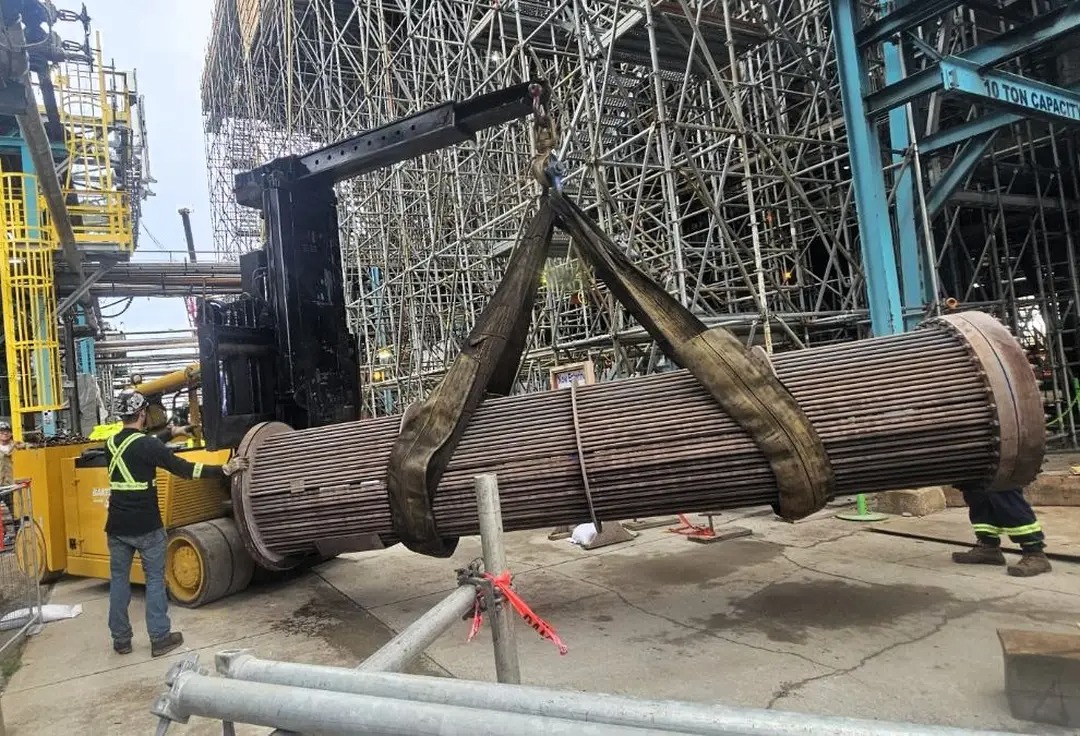
Same with heat exchangers, we now know how to make printed circuit heat exchangers. We can build them at huge scale and we use them in LNG tankers to cryogenically liquify nat gas. Do we use this new technology elsewhere in industry? No not really. We still build tube and vessel heat exchangers just like they did in 1880.
Is this 3x new startups all pressing 3 different markets? Or should this be 1 larger startup? Pooling resources across adjacent products and markets?
These three product categories have a big impact on energy conversion, process efficiency, and waste.
When industry moves to new technologies, the risks and costs of proving the tech are often privatised onto a single project, whereas the benefits are socialised to everyone once the new superior technology is proven.
This often leads to many individual projects passing on superior technologies that are newly available, because the project is too small the shoulder the cost, or the project is too big to shoulder the risk.
This consistently creates a market failure in free markets, which is why China often is more advanced in these spaces. Where the CCP can force individual projects to carry new technologies for the benefit of wider society.
In the West, we need to get much better at this.
In reality maybe the west needs a super conglomerate that is able to build a power stack suitable for 2040, just like Tesla built their car tech stack for the future and SpaceX built the reusable rocket stack.
This is the path to trillion dollar market caps. Rebuild the whole stack in one coherent business case and raise the capital necessary to get it all the market.
This often demands something like $10bn of development spending and capex, but that’s a small price to pay owning the new paradigm on the power generation sector when the world needs to spend something like $5 trillion on new grid infrastructure and power generation assets.
All the pieces already exist, and they exist at the necessary scale.
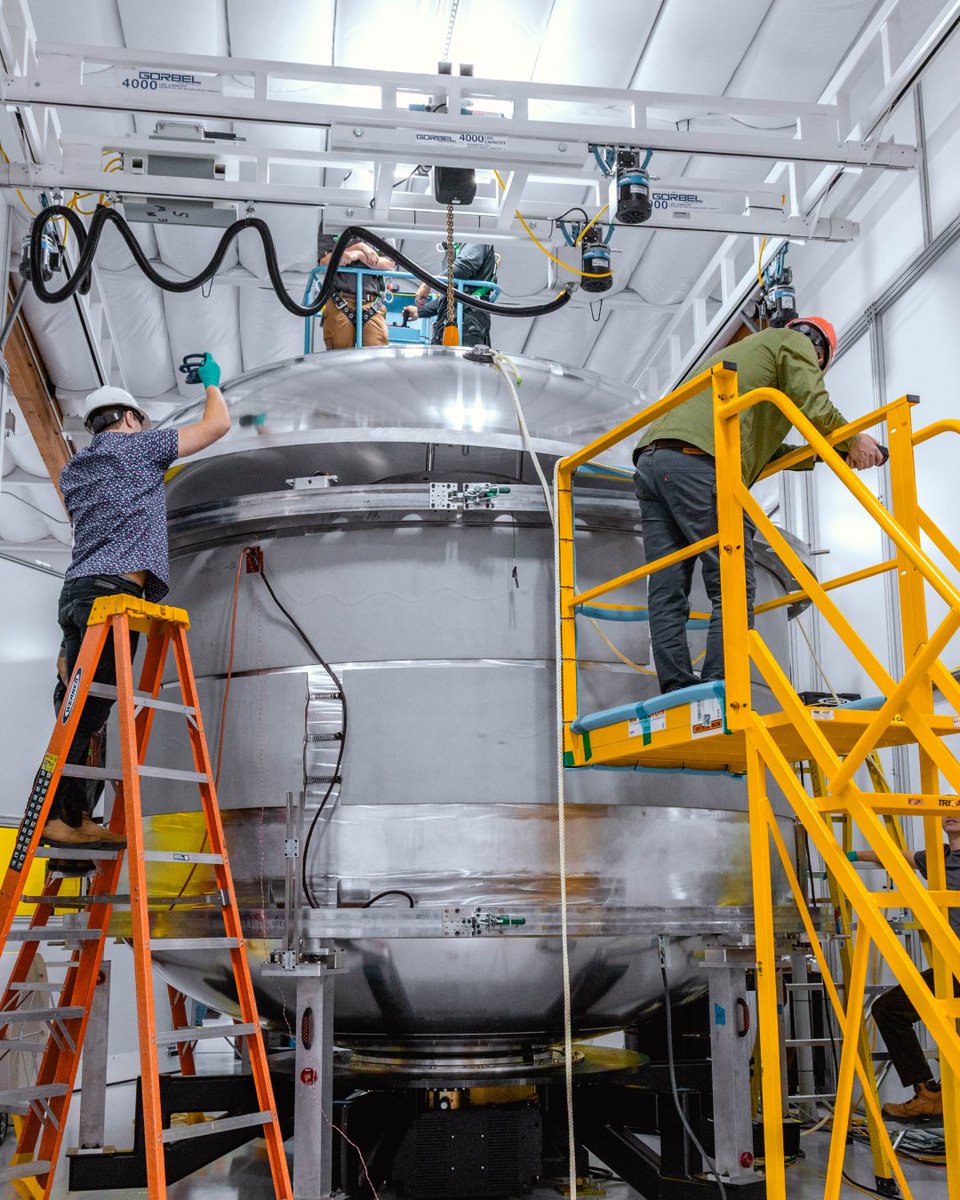
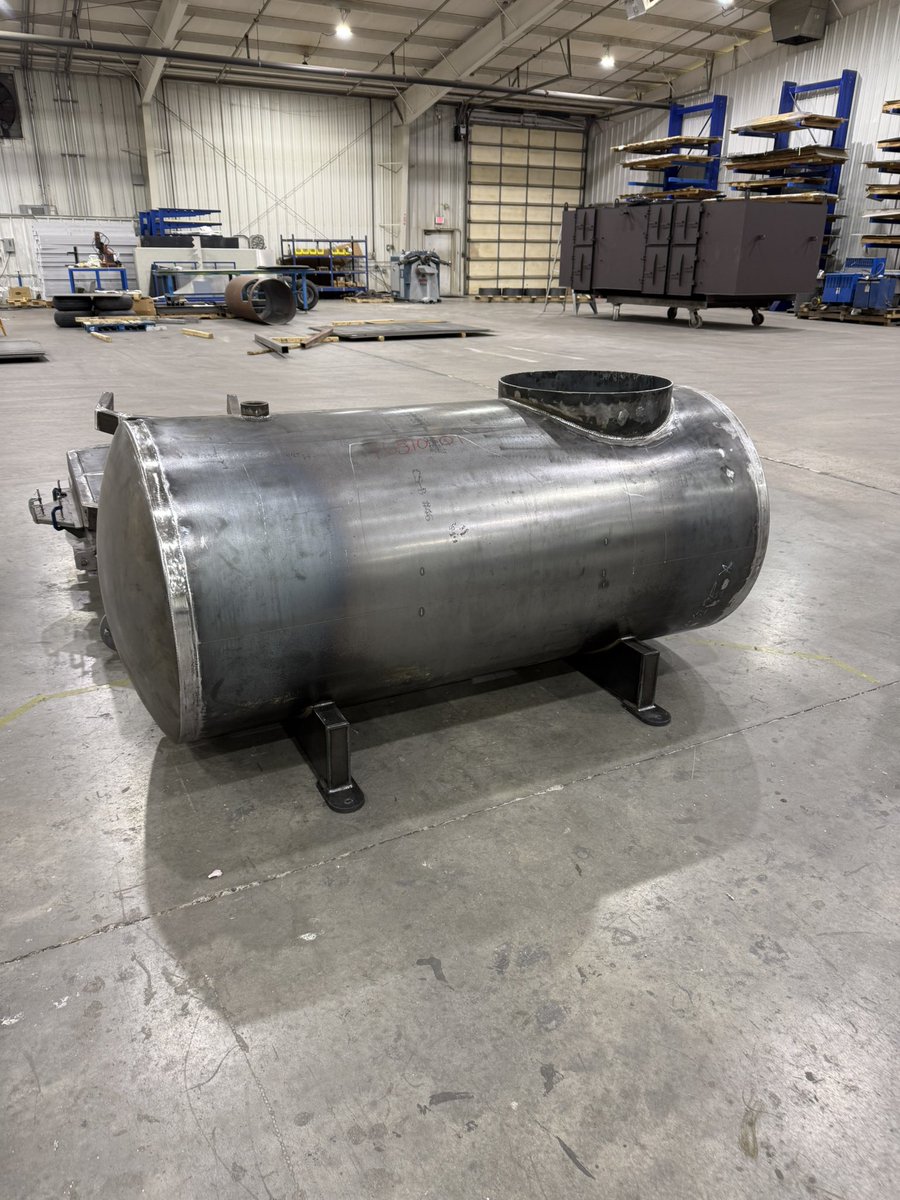
We had to build this 300-gallon tank from scratch because we couldn't source one reliably.
This is a microcosm of the American supply chain right now: gaps everywhere.
If you don't have the skills in-house, you are at the mercy of a broken system.
If anyone needs custom tanks let me know 😂