Hello #Twittstorians and everybody interested in lost #rarebooks!
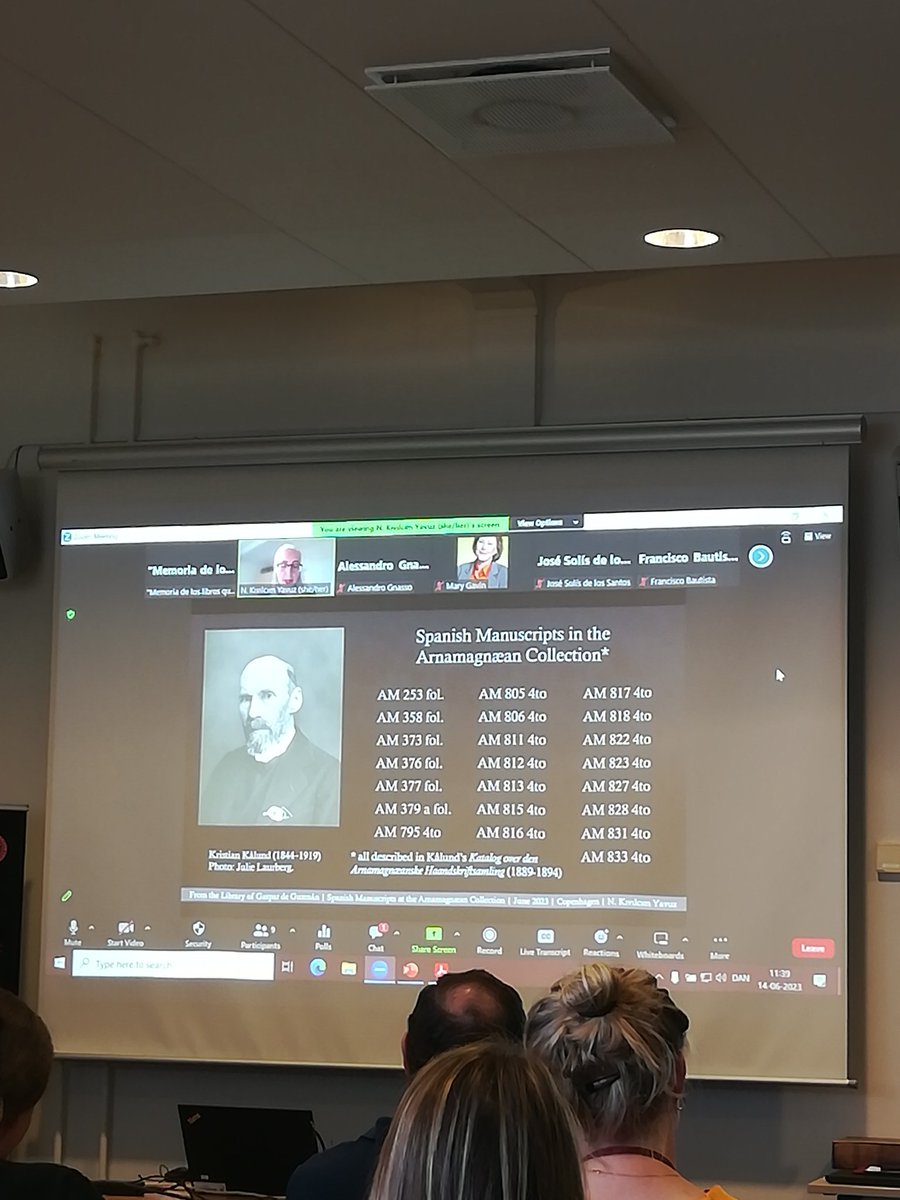
The FILOL project aims to locate the dispersed books from Hernando Colon's library, created in Seville in the 16th century.
So, #Curators and #Librarians worldwide, if you have any of them we are your guys!🤩📚1/4
The John Rylands Research Institute's new leadership team begins today, with Professor Guyda Armstrong our new Director, and Professor Stefan Hanß the Deputy Director and Scientific Lead. We have many new initiatives on the way, so watch this space!
Hello #twitterstorians! If you are into #books#libraries and #Mediterranean and Transatlantic studies, please consider to send a submission for the panel "Paper Travels" I am organizing for the next #RenSA24 meeting in Chicago. Spread the word!
https://t.co/wV6bslfaei
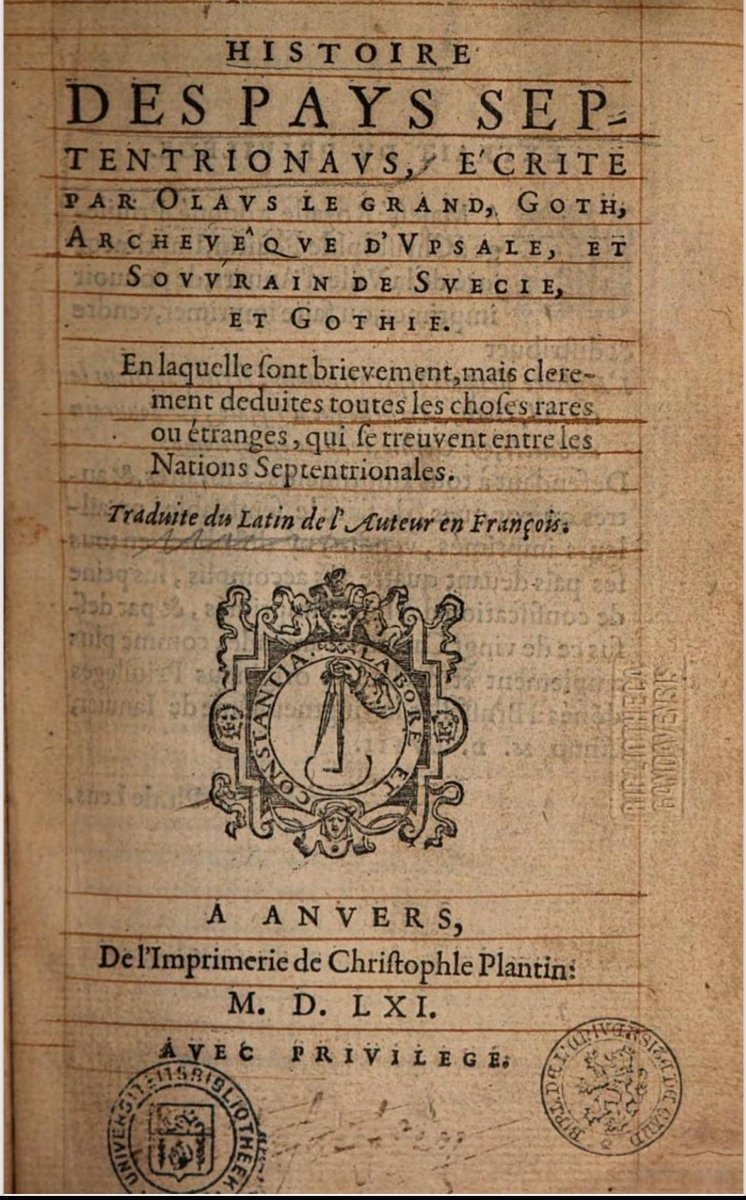
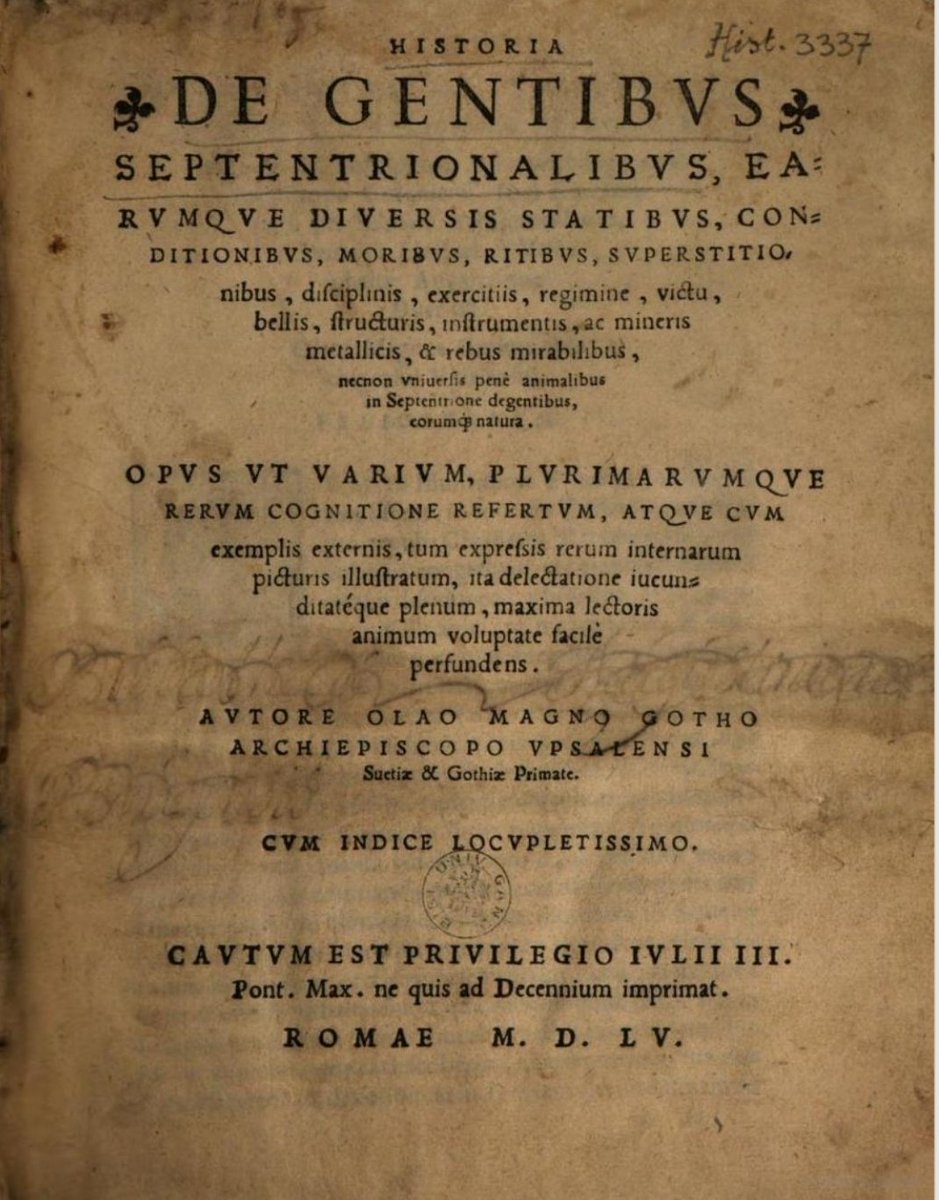
A request to #twitterstorians interested in #Scandinavia and #bookhistory. If you have found in your path any ANNOTATED early copies of Olaus Magnus's "Historia de Gentibus Septentrionalibus" in Latin or Vernacular (Italian, French, Dutch, English,etc) please contact me!Thanks!🙏🏻
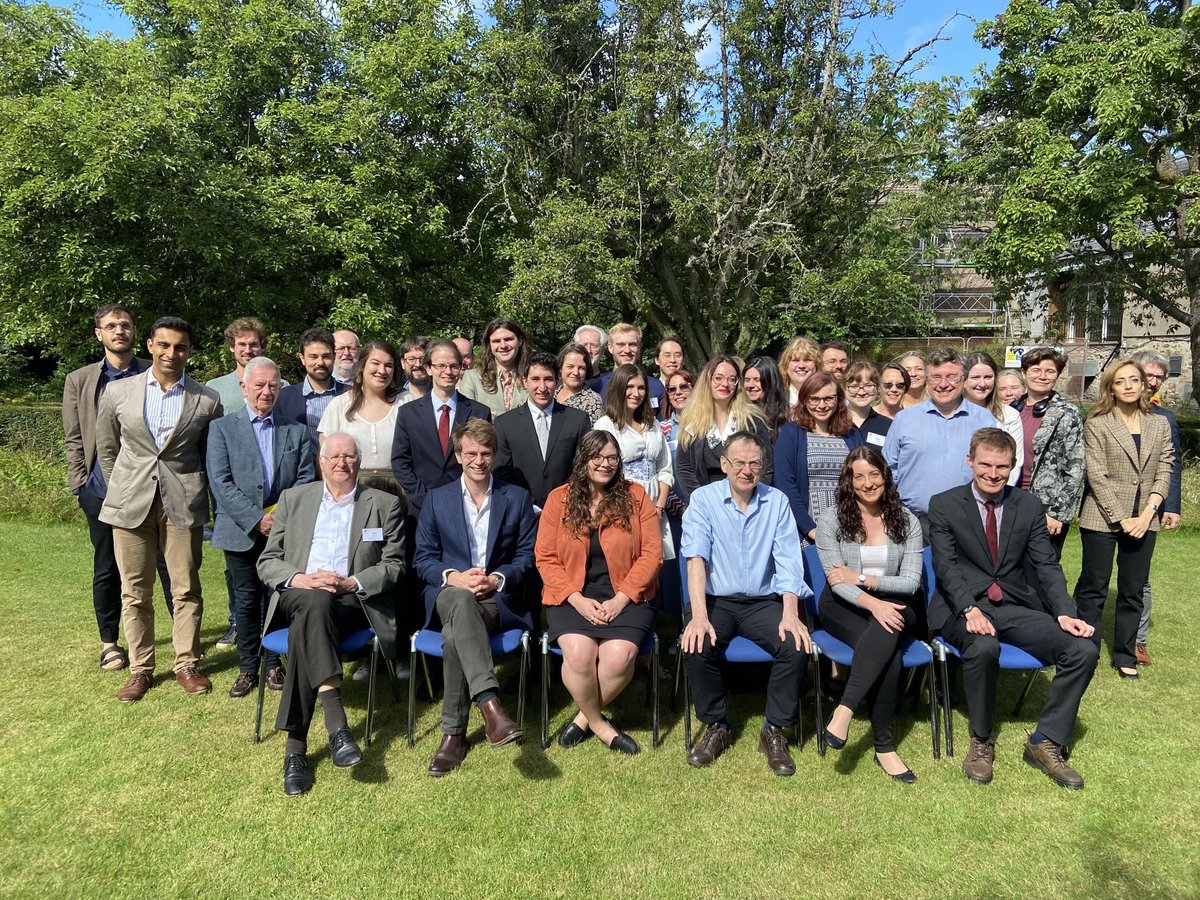
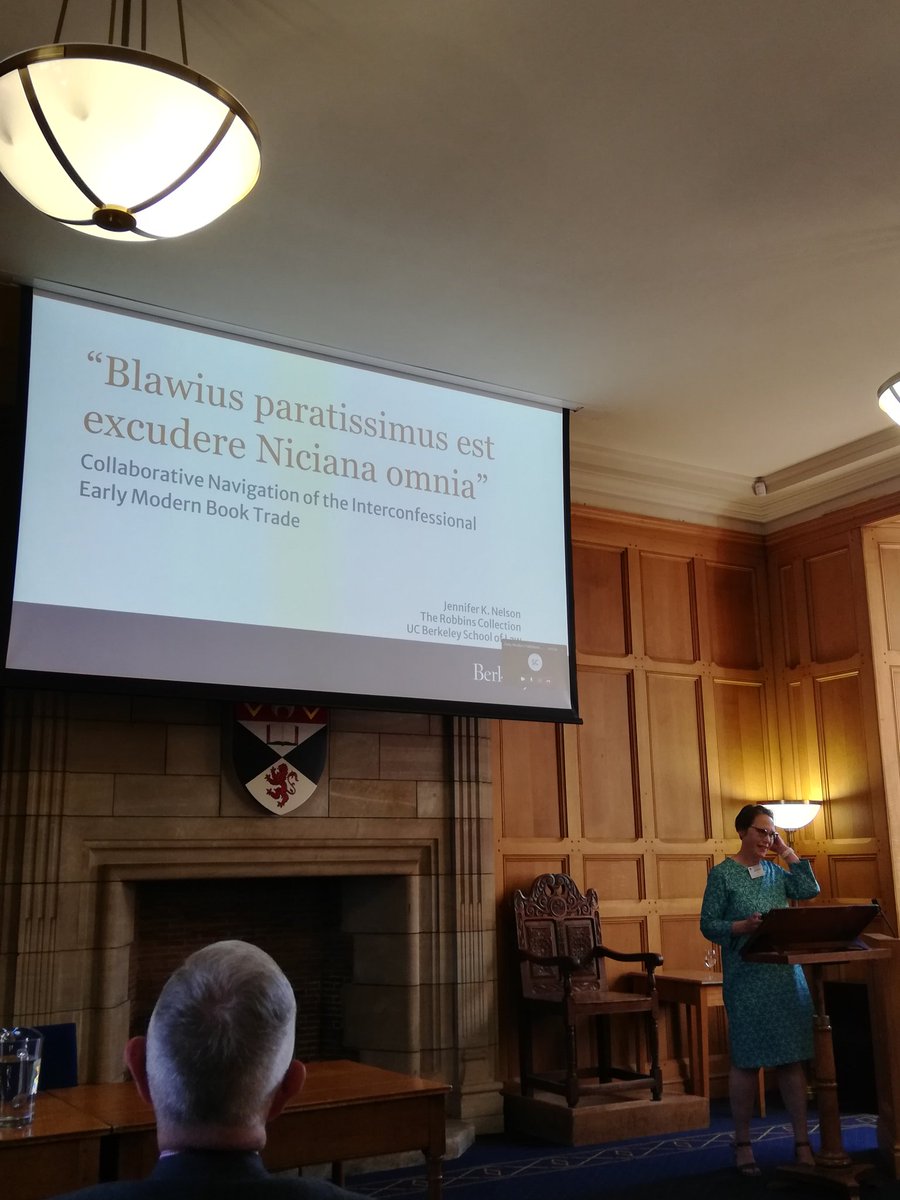
That brings us to the end of #USTC23! Thank you to all our presenters, chairs, conference participants and members of the USTC team for making this year’s conference a success. Big shout out to our co-organisers Ian Maclean, @A_der_Weduwen & @CullenBarnaby
Second day of the #USTC23.
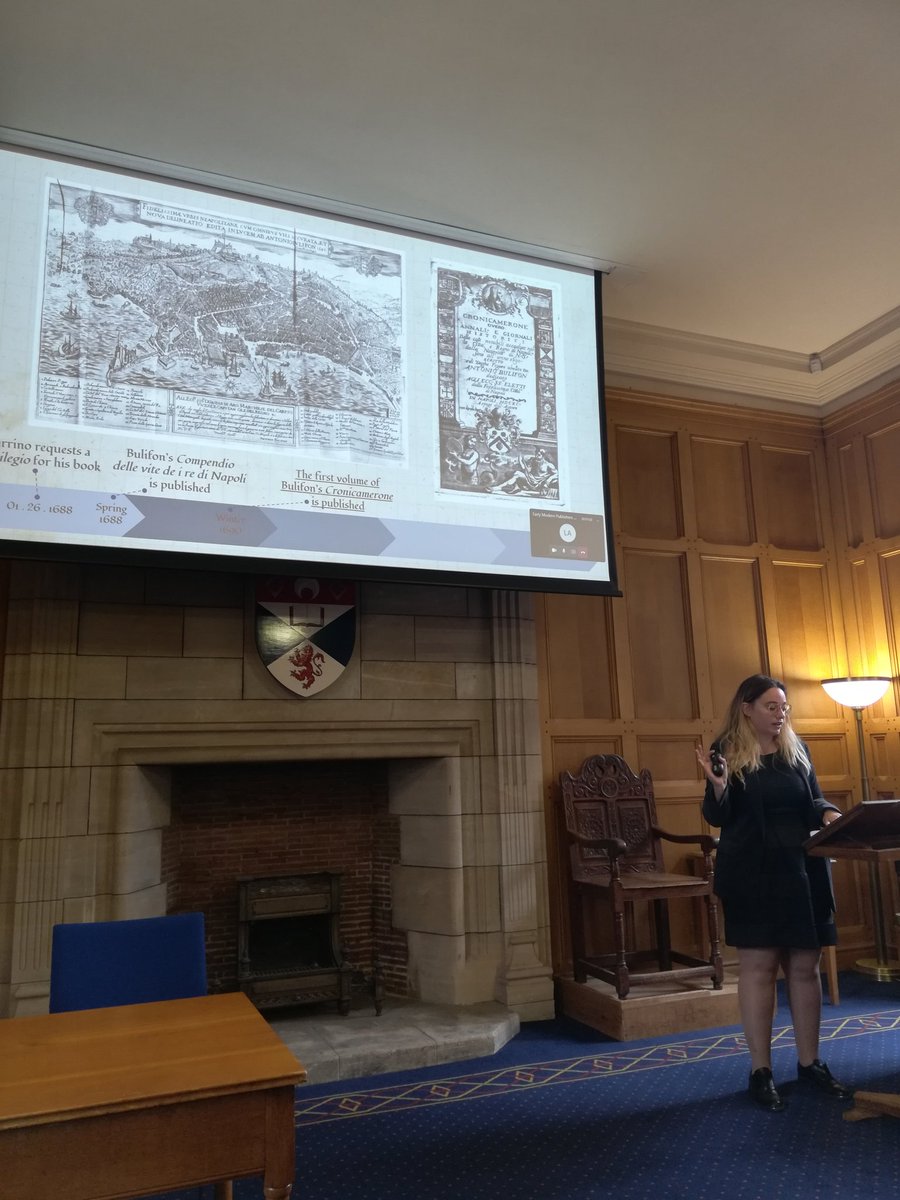
In the second panel of the day @LauraIncolling2 delivers an excellent paper on the rivalry between two publishers in 16th-century Naples.
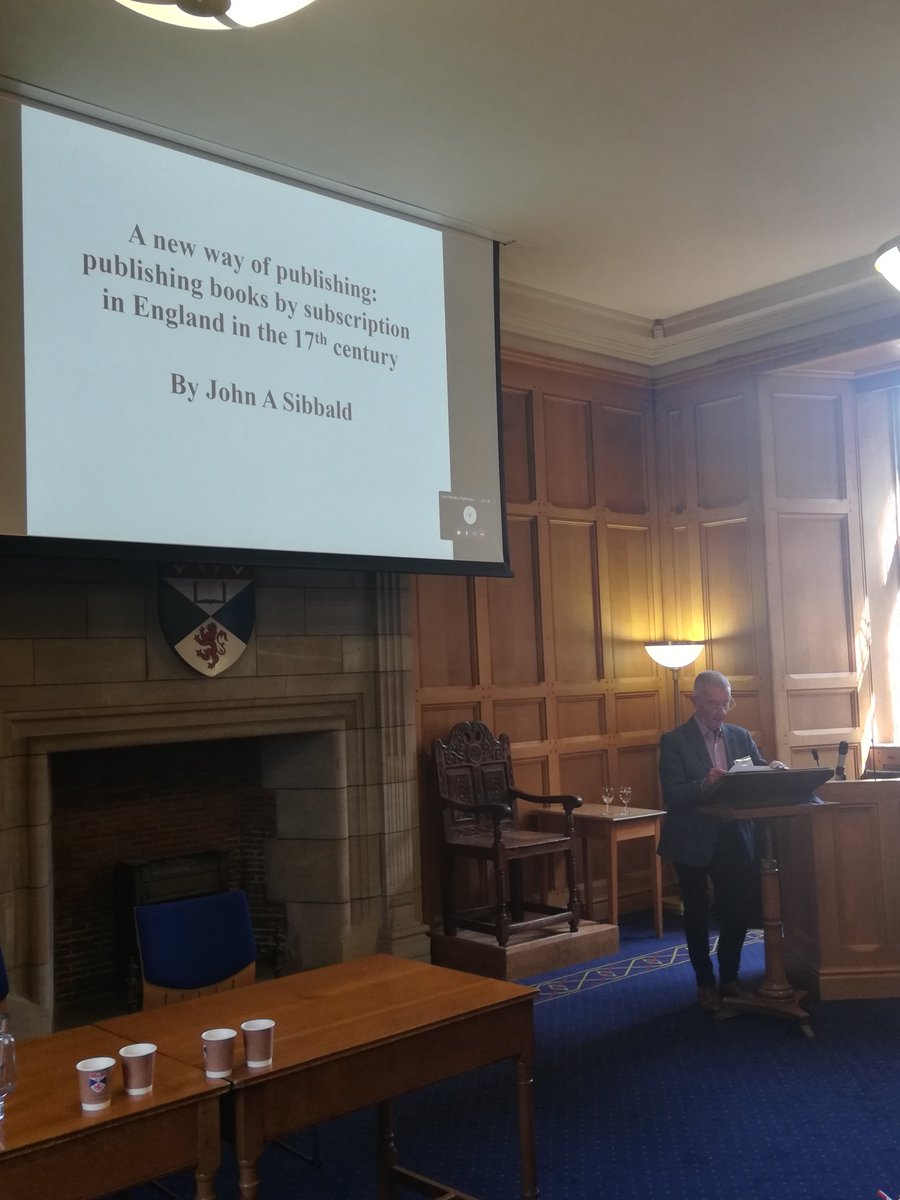
For the opening of the last panel of the day, the "venerable" USTC rare book scholar John Sibbald talks about a very peculiar way of publishing in early modern England: publishing by subscription.
#bookhistory#Ustc23#BookTwitter
Are you a fan of popular fiction and ephemeral print? Then this paper from @PhdNatale on the publishers of popular books in the Early Modern Mediterranean is for you #USTC23