Inspiring people of all ages and backgrounds to explore, engage with, and enjoy all aspects of the Roman Kiln's story, both in Highgate Wood and beyond.
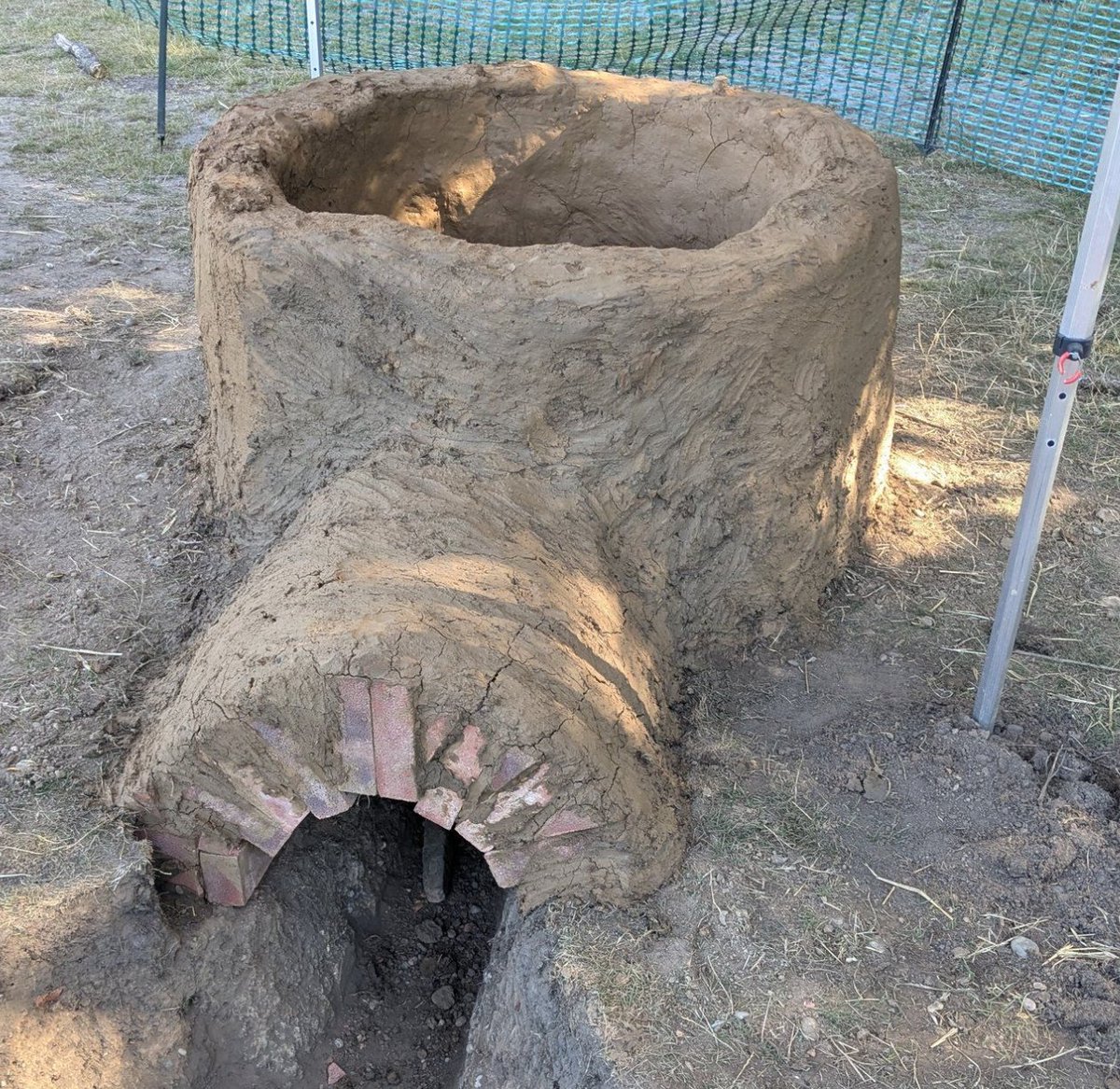
Join us on Sunday, 1st, September at @colhighgatewood Community Heritage Day ( from 11am to 4pm) for a live firing of a replica Roman kiln built by @pottedhistory
Stay tuned for more details on the event to be announced soon. 🏺 🔥
Every research and experiment since the discovery of the Roman kiln site in 1966 has improved our knowledge about the kiln. 🏺🔥
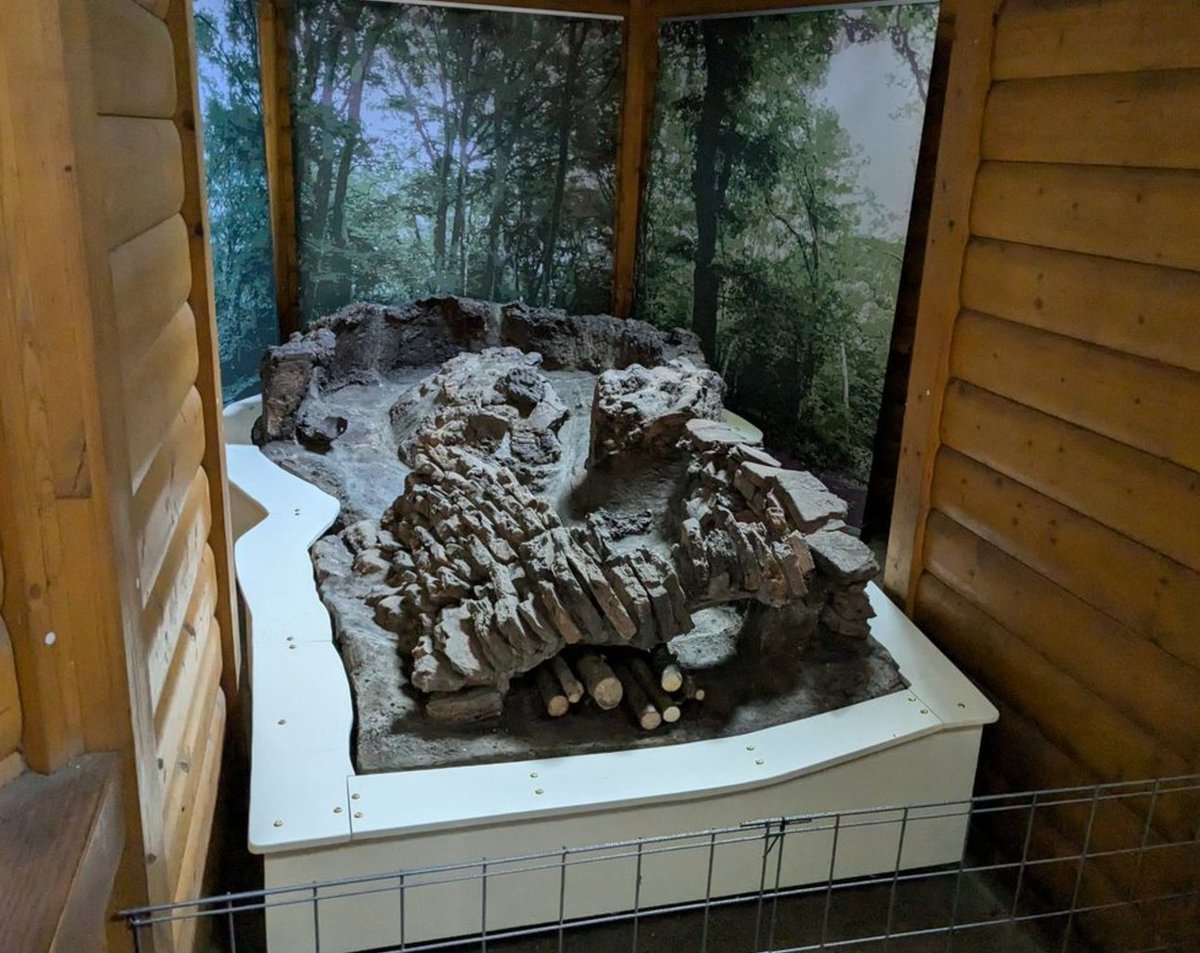
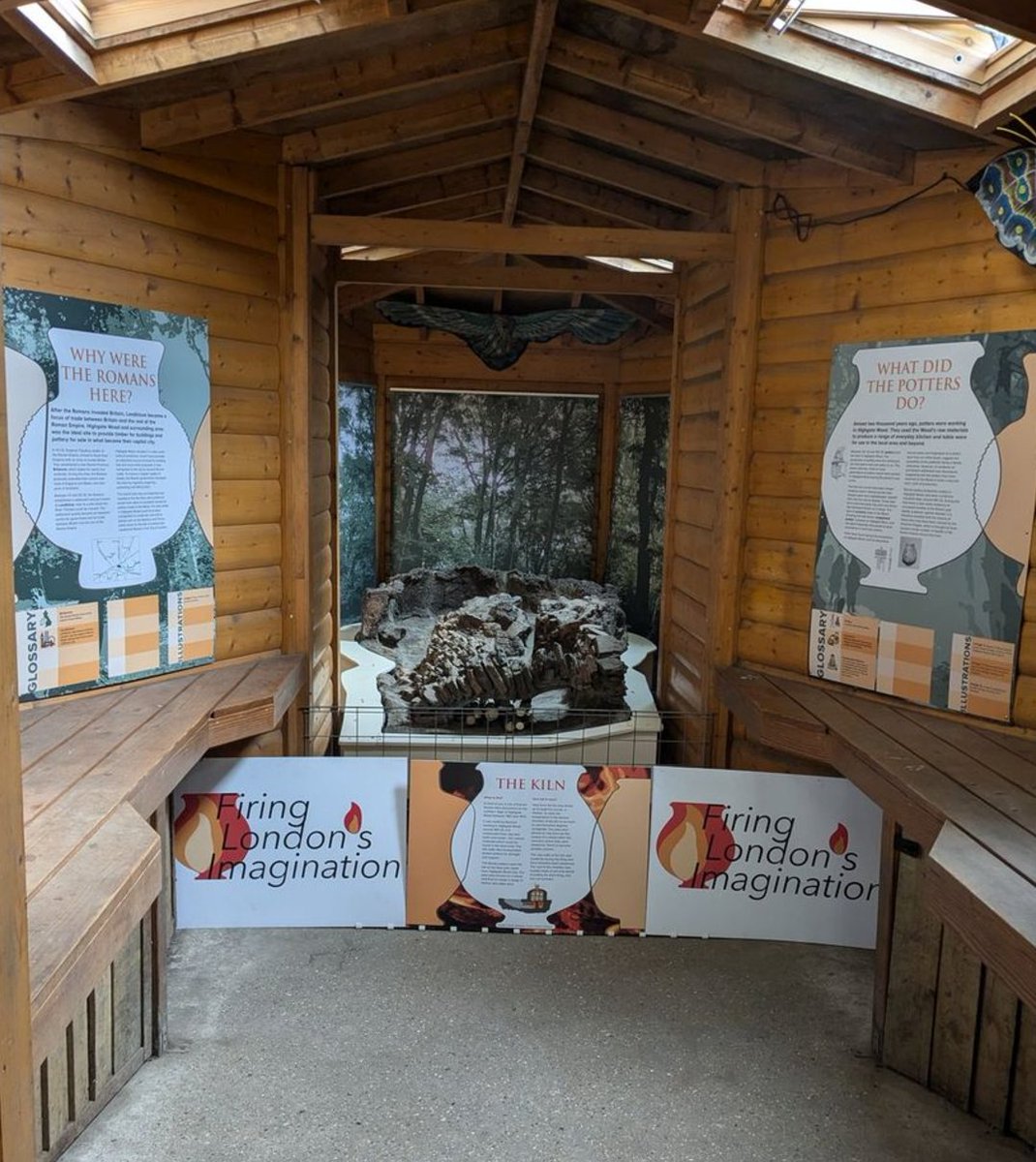
Learn more about the kiln experiments by visiting our Temporary Roman Kiln exhibition at Highgate Wood.
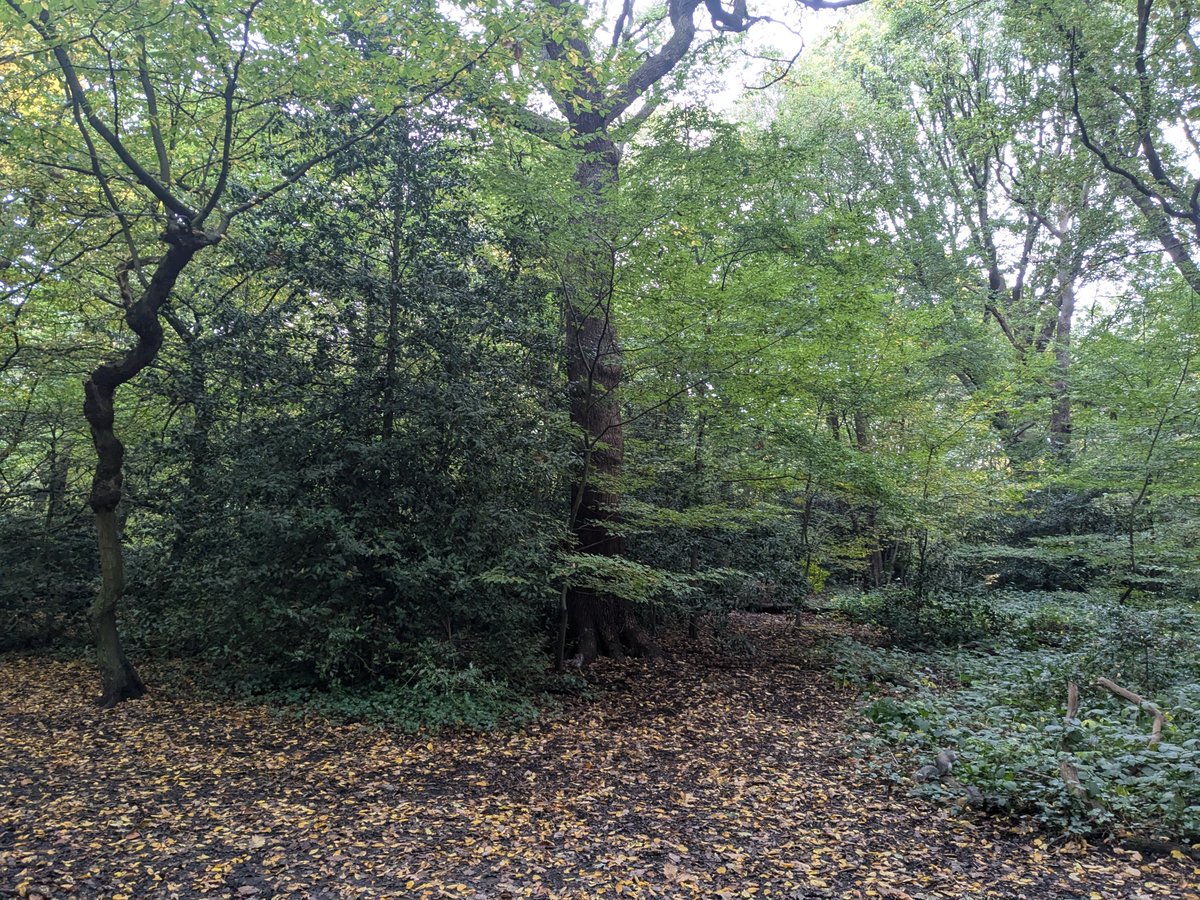
Highgate Wood, located 5 ½ miles north west of Londinium, would have provided an important source of wood for building, fuel and many other purposes.
Visit the temporary Roman kiln exhibition in Highgate Wood to learn more! 🏺 🔥
Image credit: Friends of Highgate Roman Kiln
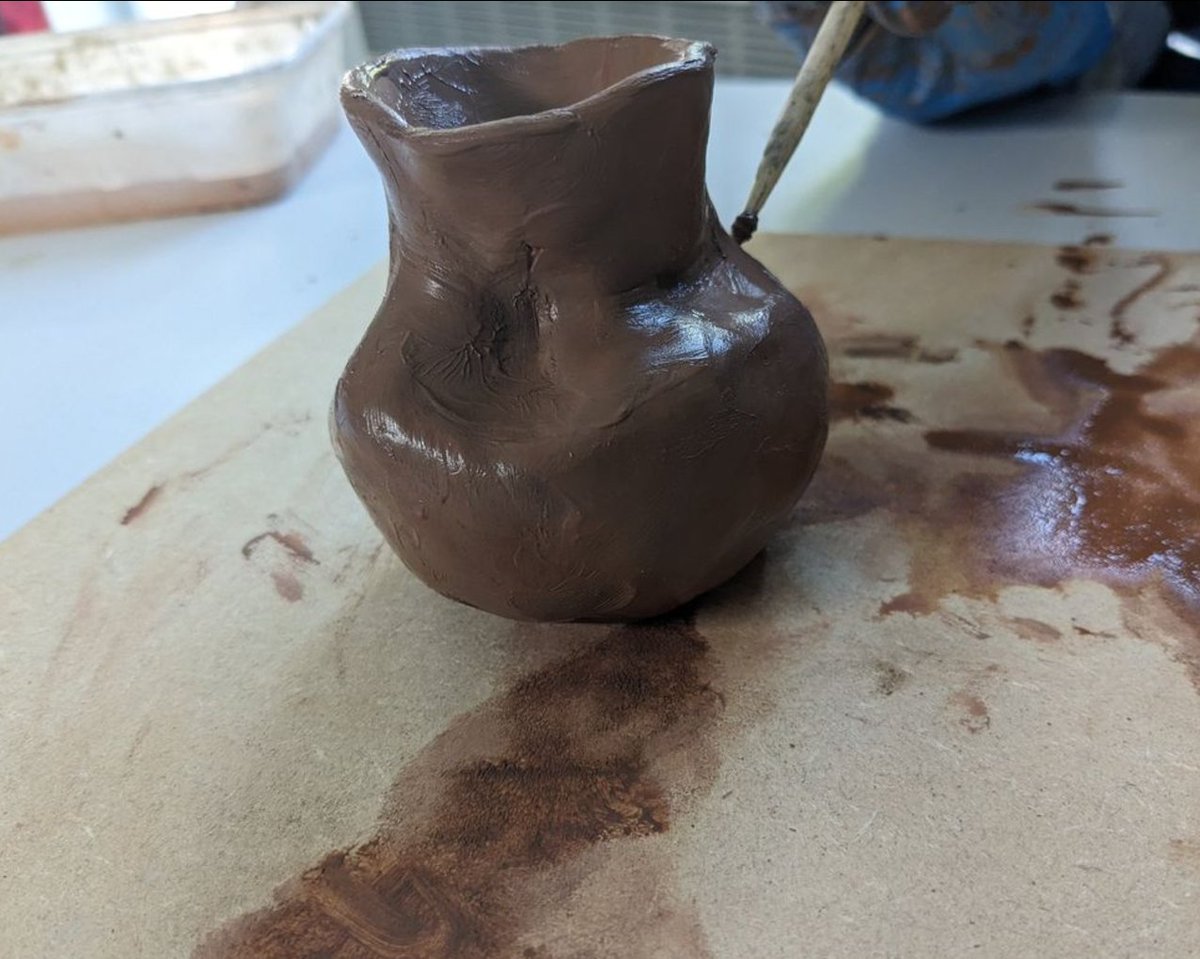
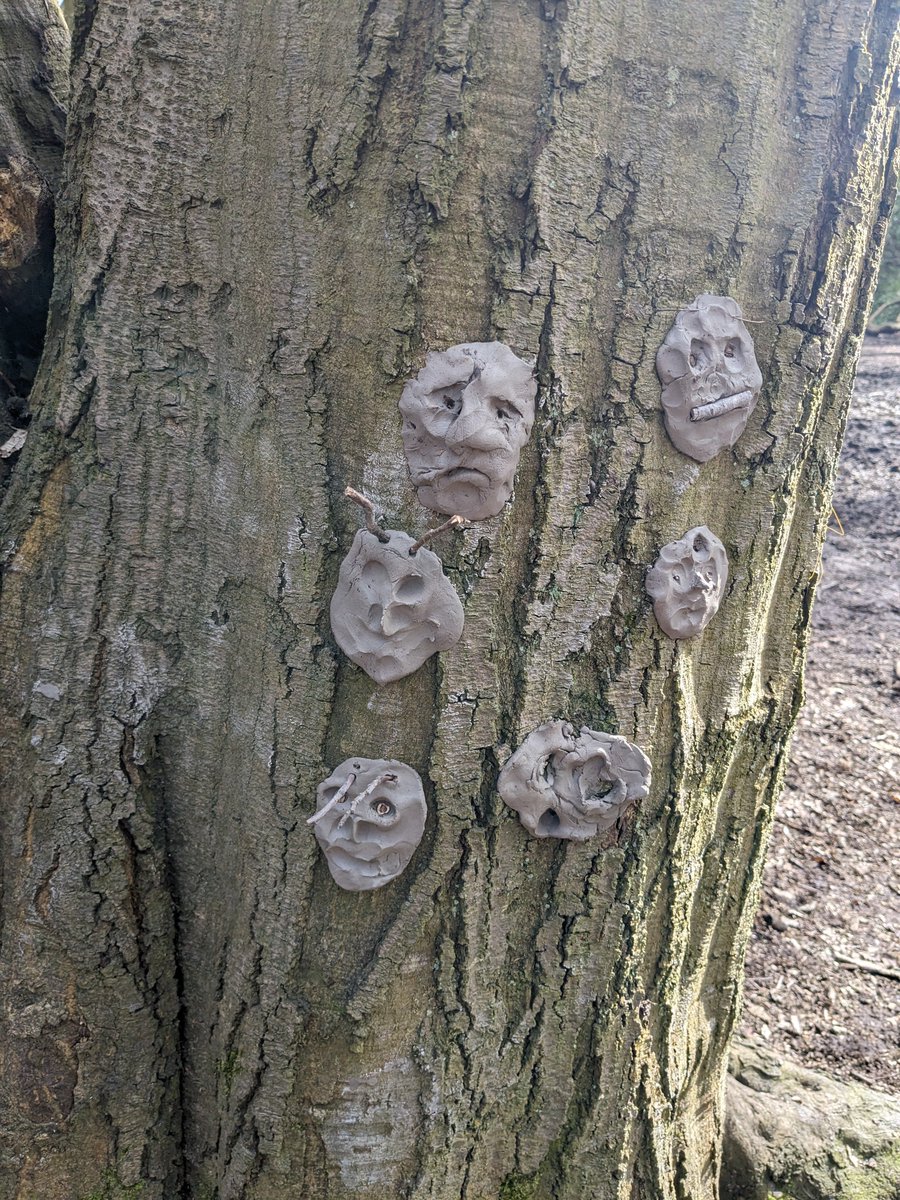
KS2 Hands- on archaeology & clay session 🏺 🔥
Led by one of the Firing London’s Imagination educators, this 90-minute workshop explores London’s rich history.
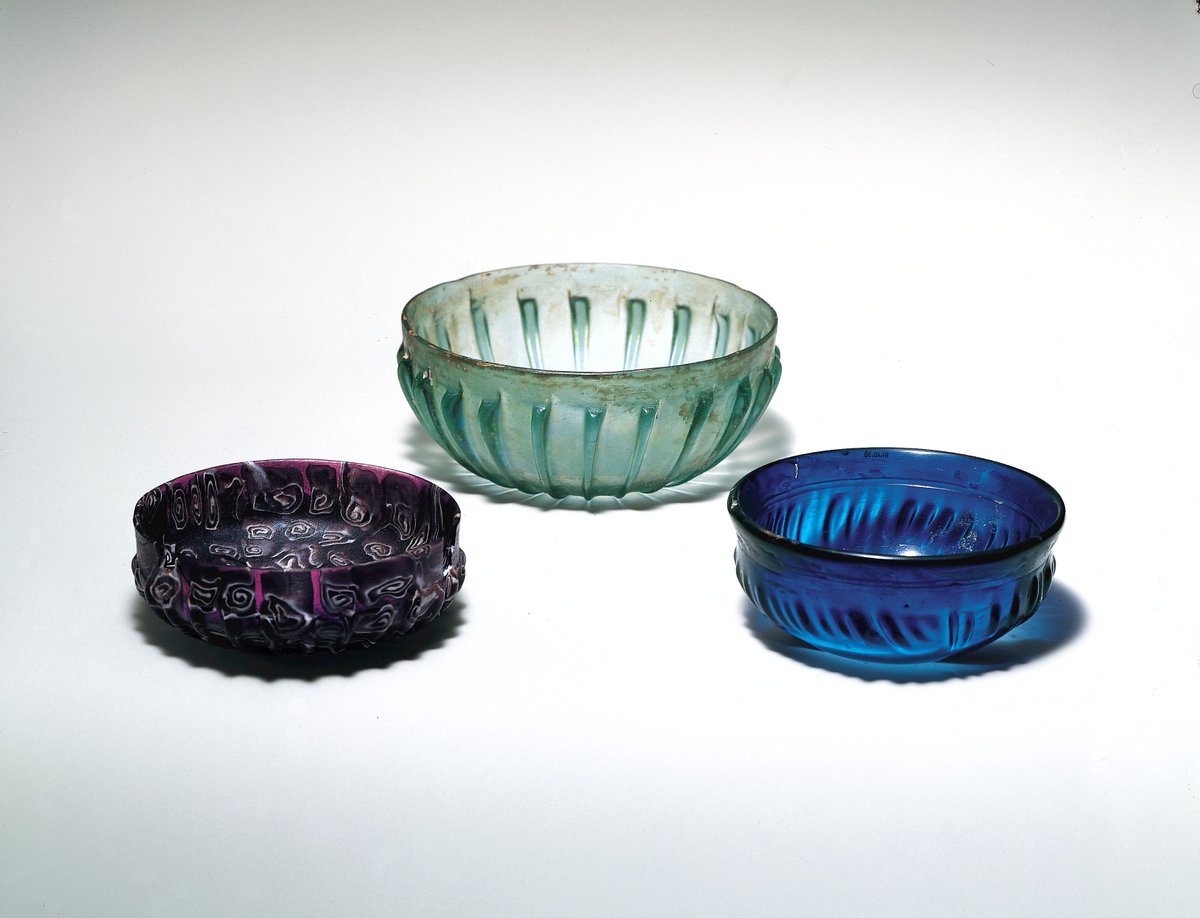
Three beautiful #Roman glass bowls (l-r) in a deep purple with white swirls, pale green-blue, & a deep cobalt blue. All of them are about 2000 years old, & would have been a very fashionable piece of tableware (📷 NY Met Museum) #Archaeology#RomanArchaeology#AncientGlass
Explore a piece of ancient history—the Roman Kiln! 🏺🌲
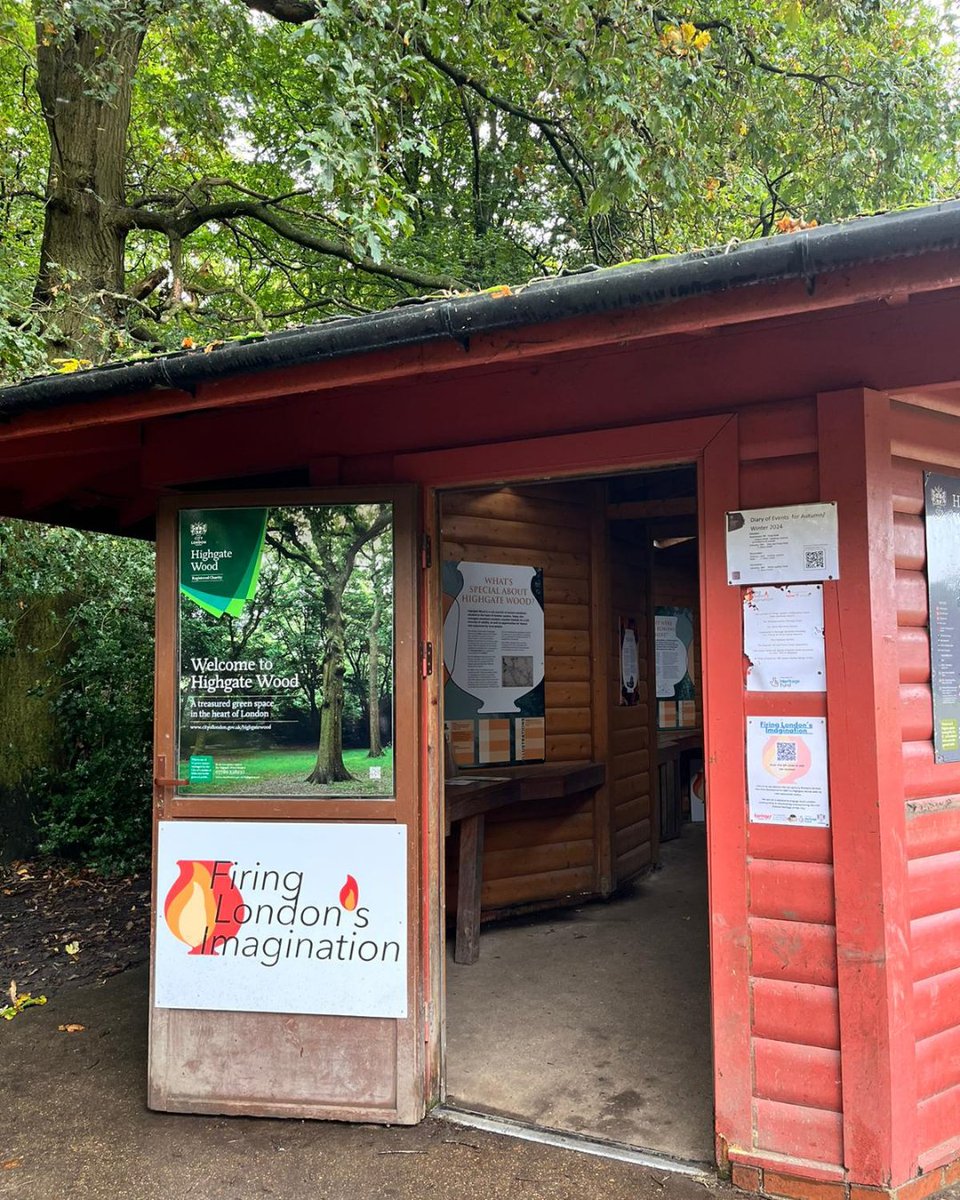
Dating back to the 1st–3rd century AD, this incredible artefact has been restored and returned to its original home in Highgate Wood, thanks to @FiringLondon. Visit the info hut to see it for yourself!
#HighgateWood
Check out the Firing London’s Imagination YouTube page, where you will find a fascinating video on the Roman-era kilns discovered at Highgate Wood. 🏺 🔥
In the past, there were more springs and streams in Highgate Wood than there are today. This was one of the reasons why the Roman-era potters chose this location.
Visit the temporary Roman kiln exhibition to find out more!🏺🔥
Image courtesy of C. Blaney
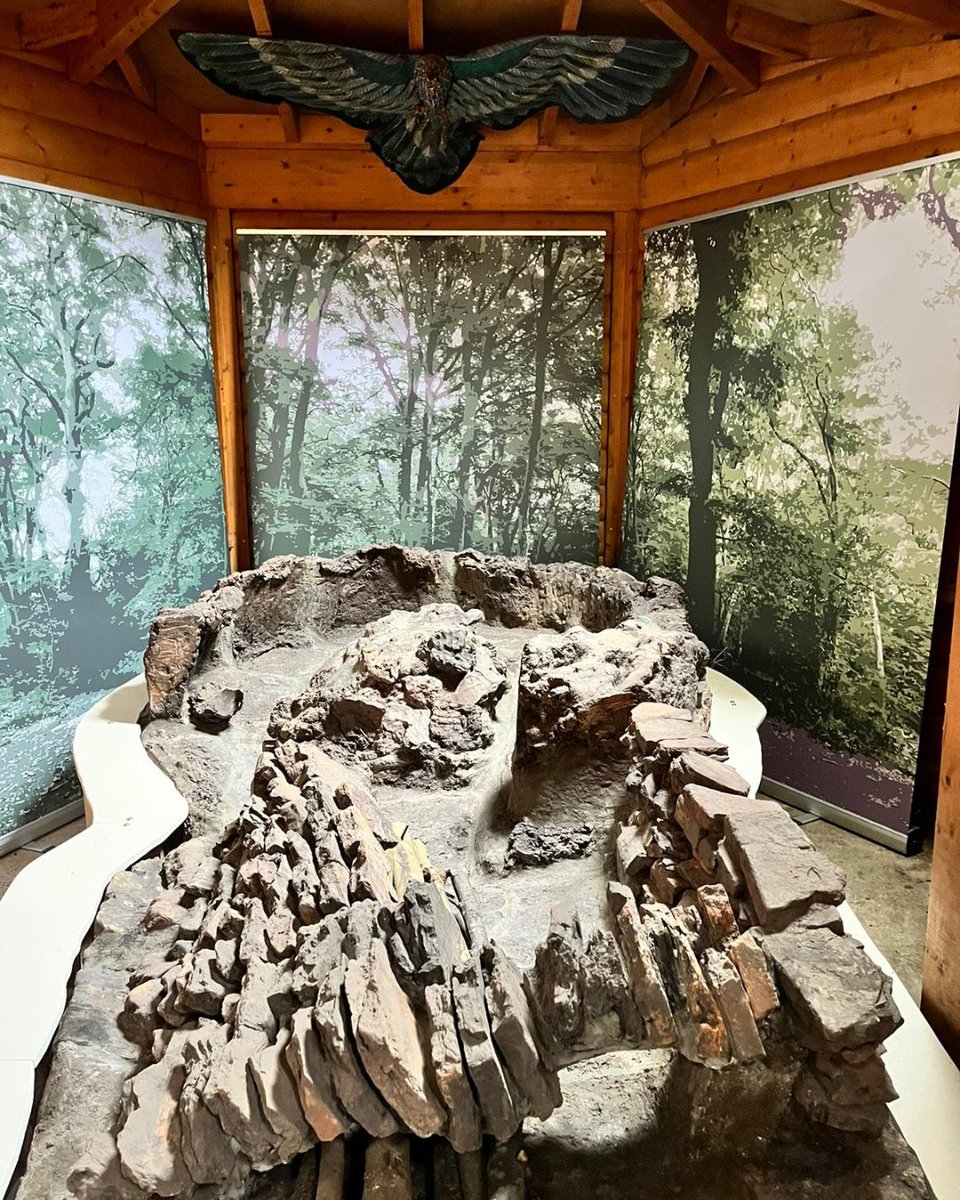
This photo shows one of the ten Roman-era pottery kilns that were discovered in Highgate Wood between 1967 and 1974.
Visit the temporary Roman kiln exhibition to see this kiln on display and learn more about its discovery. 🏺 🔥
🍄 Some stunning fungi in Highgate Wood at the moment. Please remember these are not for picking as they are an essential part of the very special ecosystem in the Wood 💚
#HighgateWood
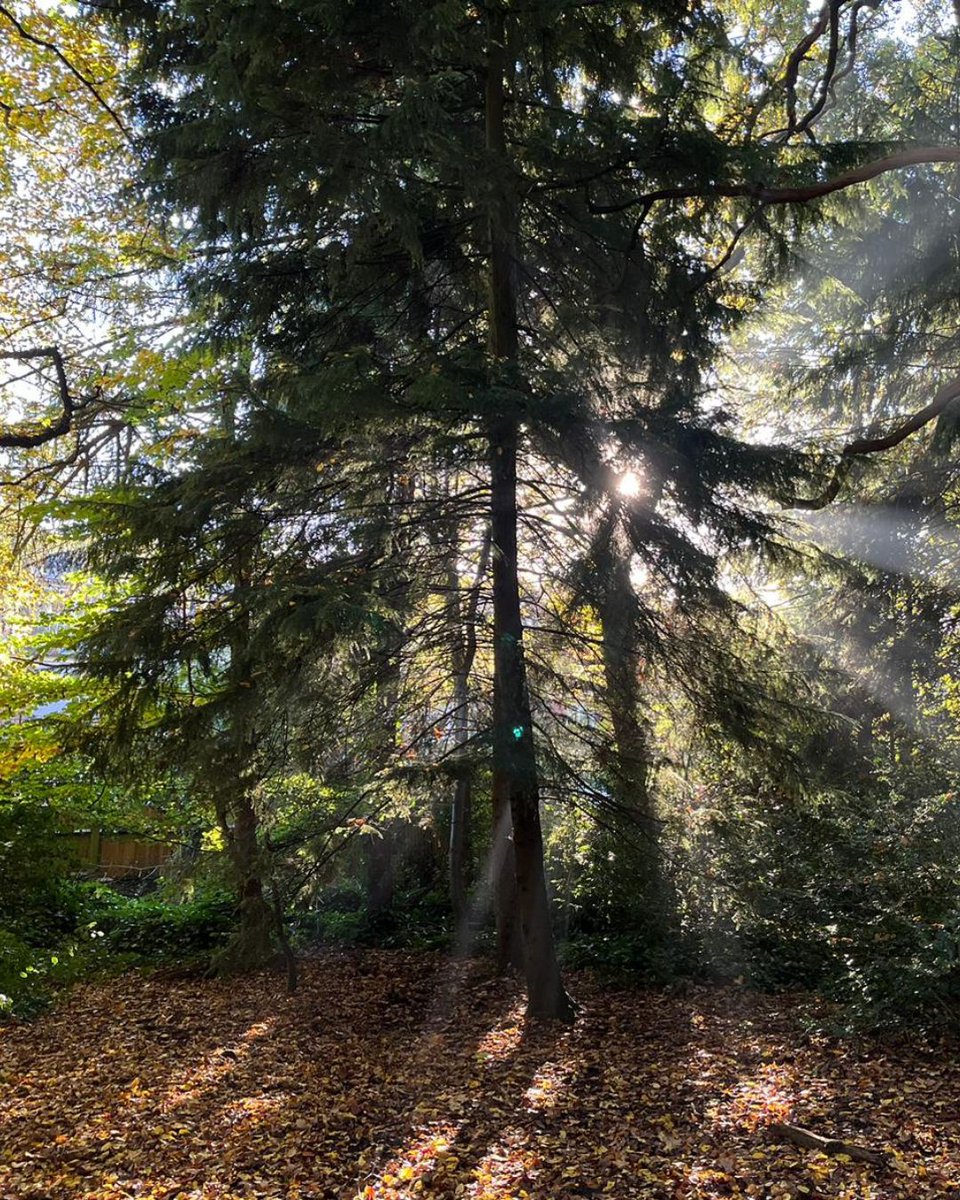
Gorgeous autumnal sunlight light captured in the Wood a couple of weeks ago. 🍁🍂 It won't be long before the leaves fall so if you get the chance to visit soon, grab the opportunity.
📷 Cindy, Senior Ranger
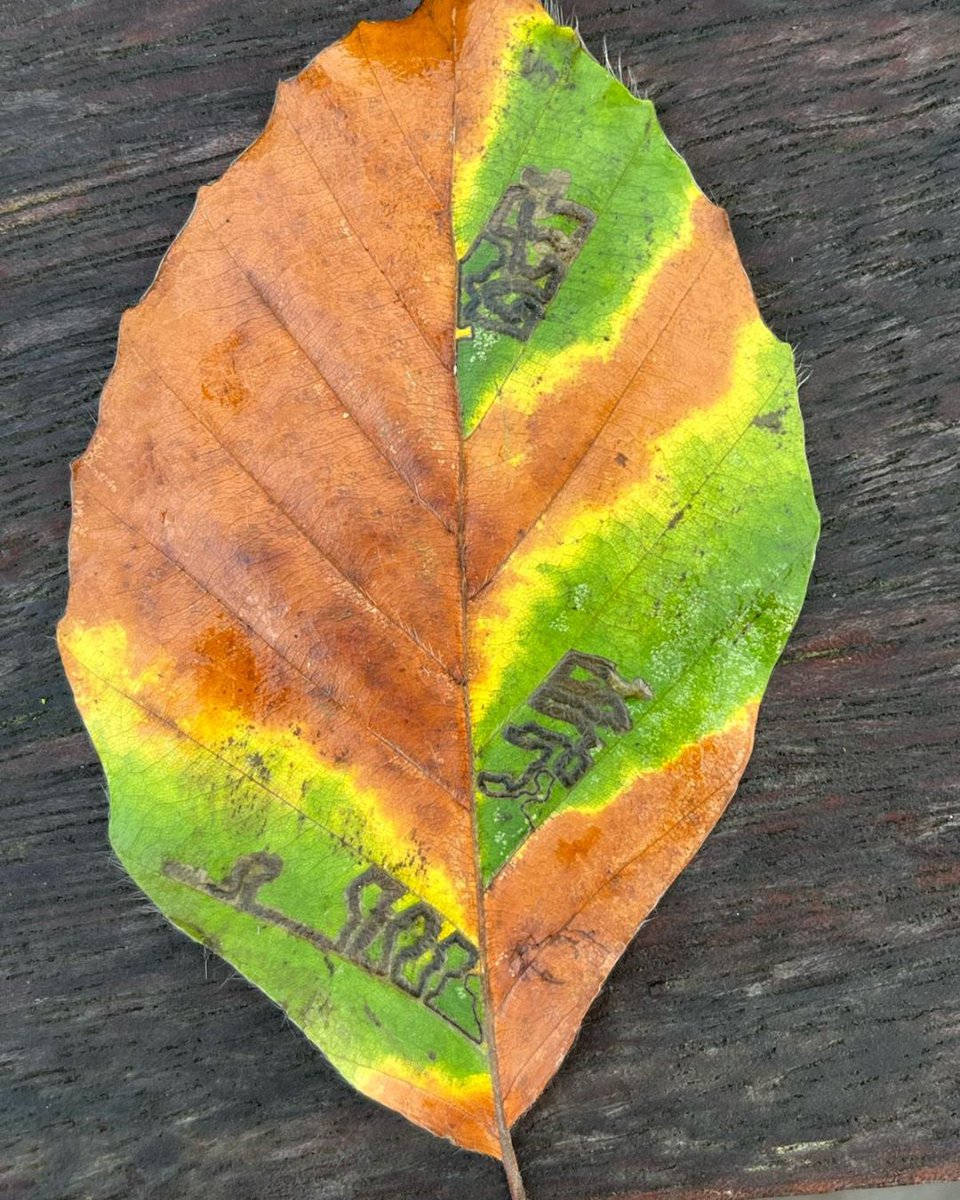
A fallen beech leaf found in the Wood with mines of a micro-moth called Stigmella Tityrella. The green chlorophyll persists around the larval mines making an amazing and beautiful pattern. 🤩
#HighgateWood#NatureisWonderful
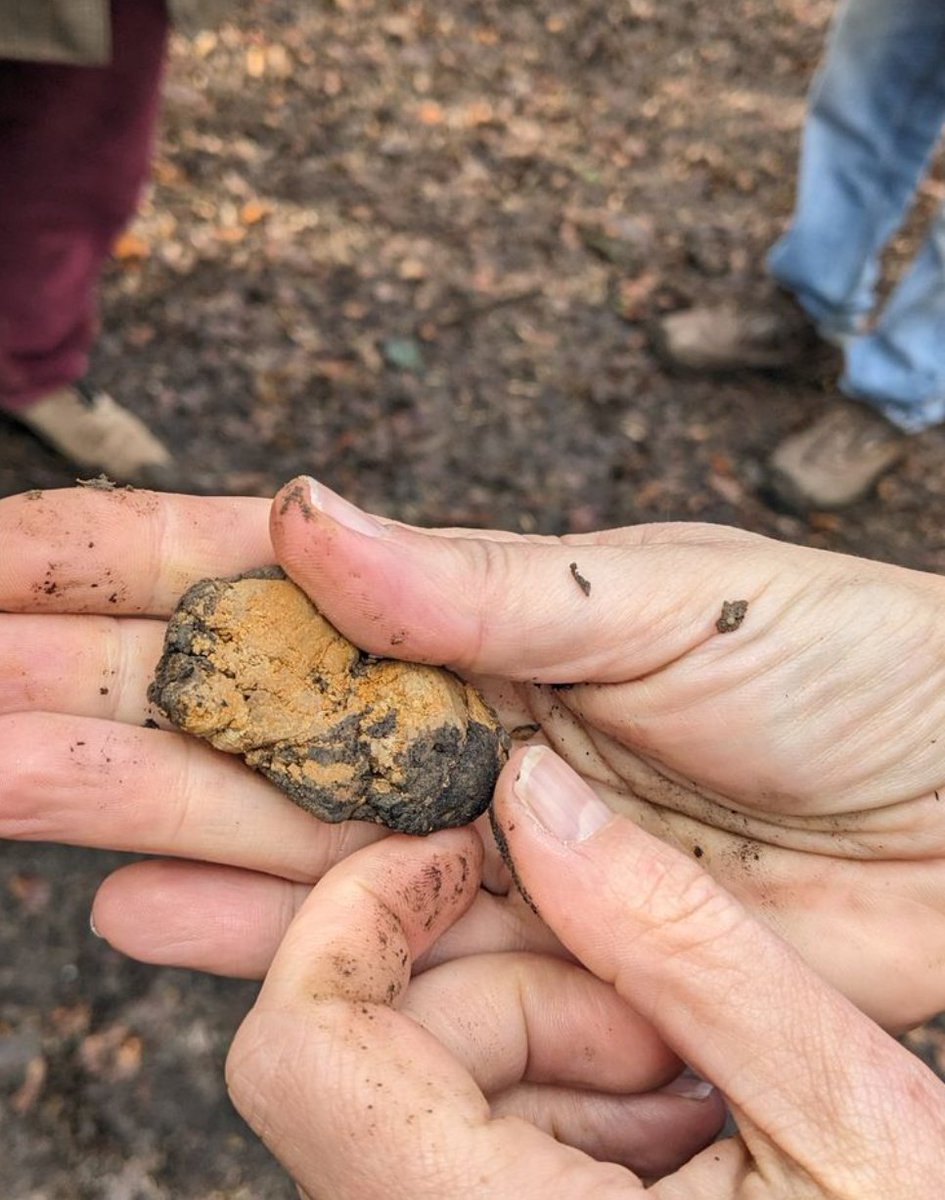
The clay🏺
One of the reasons why the Roman potters chose Highgate Wood was because of its access to clay.
Visit the temporary Roman kiln exhibition at @ColHighgateWood to find out more.
Discover a piece of ancient history in Highgate Wood! Visit our information hut to see a Roman kiln over 2,000 years old. Follow @FiringLondon for updates on this fascinating project! ⚱️🌳
#HighgateWood#RomanHistory
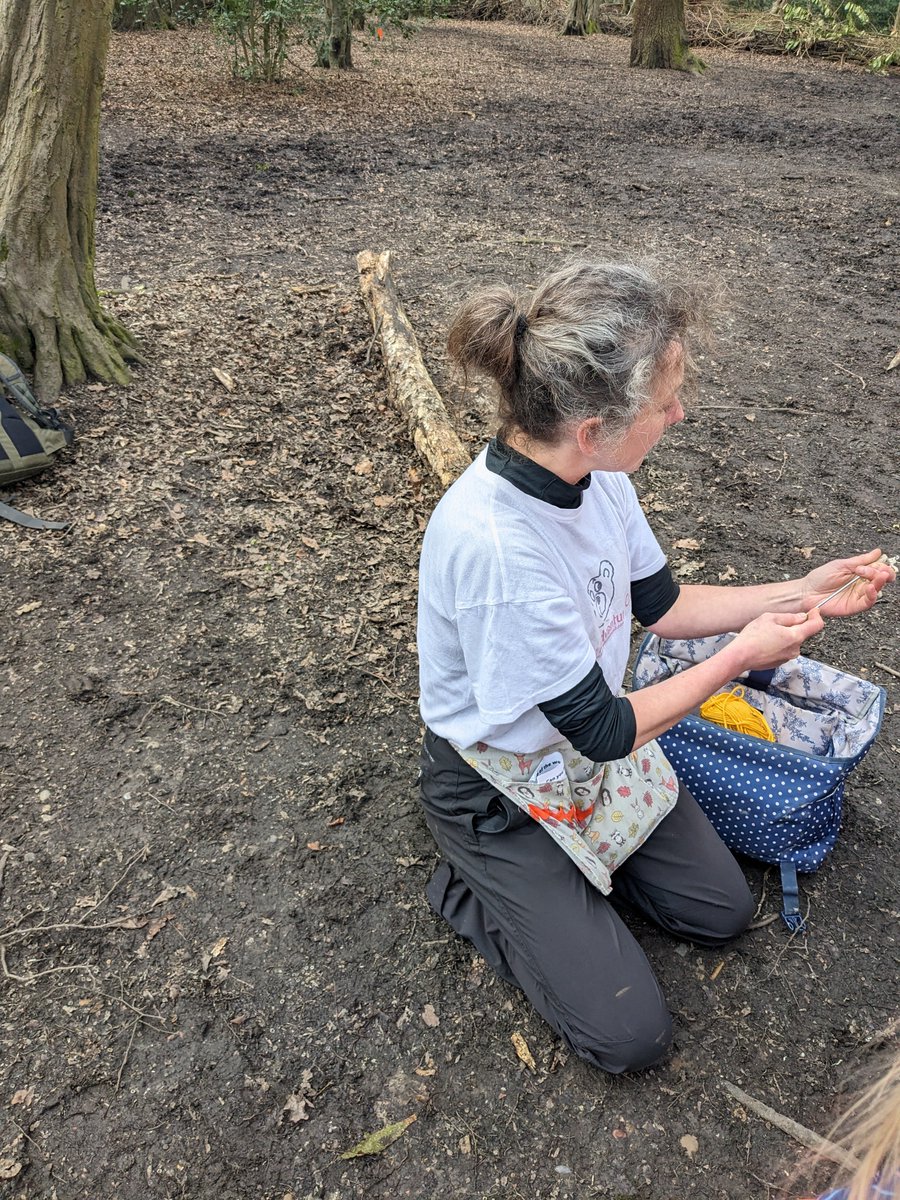
The KS1- lower KS2 Roman Woodland Adventure workshop run by @sallysadventure is a fantastic outdoor learning opportunity for schools. 🏺🌲
If you or anyone you know would be interested in booking this free workshop for their school, click the link in the bio.
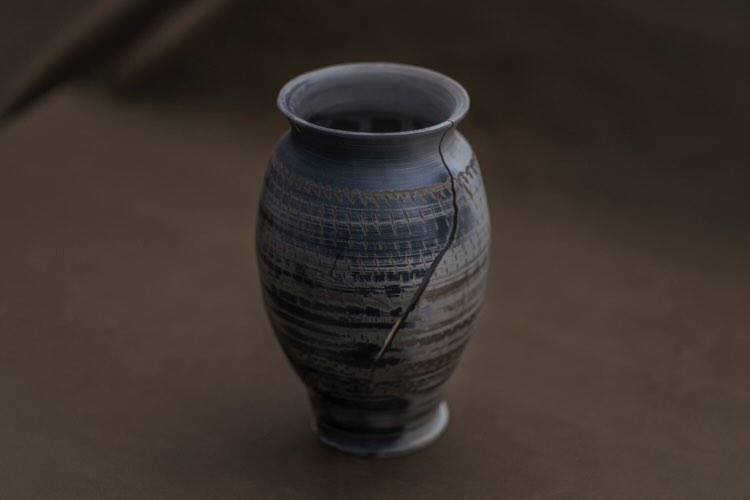
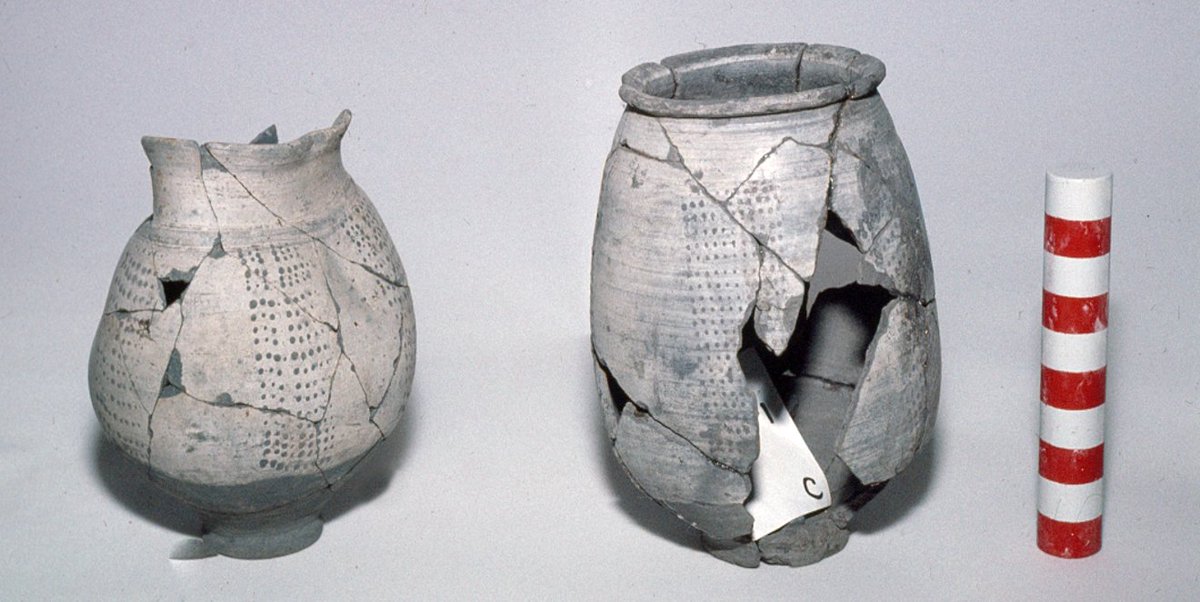
The 'Poppyhead beaker' often had raised dot decorations. This particular style of pot was produced at Highgate Wood in the later period of the 2nd century AD and was shaped like the seed head of a poppy.
Image courtesy of H. Sheldon