#DYK: Different species of salmon have different coloured flesh. Also, wild and farm raised salmon eat carotenoids in different quantities and from different sources which can make the colour differ. #FishFarmFacts https://t.co/rNslCupqP2
The #SDGs were developed with the aim of creating a sustainable life for future generations, with specific targets to be achieved. GSI aims to drive change at speed & scale in order to achieve these SDGs – here we discuss how we plan to get there https://t.co/eSEhytxGTa
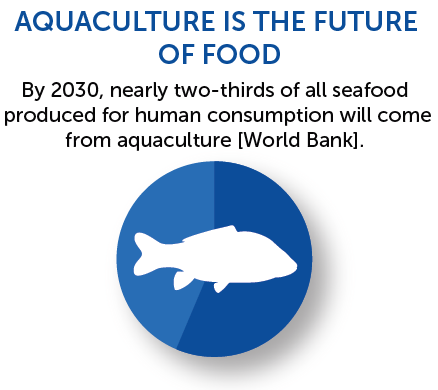
In the face of population growth, diminishing resources & environmental degradation, we need to look to #aquaculture as a responsible & sustainable food system so that we are better adapted to tackle climate change & other threats https://t.co/fxAYraKsLd @FAOfish
#DYK: It takes approximately three years to raise a salmon from egg to market size. Salmon spend approximately 10-16 months in our freshwater facilities before being moved to the ocean for an additional 12-24 months. #FishFarmFacts https://t.co/wbGkcJwqJB
#DYK: We locate our farms in areas that provide the best conditions for our fish, while ensuring that any potential risks to wild salmon are mitigated. Read more about our location guidelines here: https://t.co/BgK5uL74ka #FishFarmFacts#SustainableAquaculture
“You can be confident that it was produced with care for the fish, planet & people.” Read more about how certification schemes like @ASC_aqua allow consumers to make responsible purchasing decisions here: https://t.co/Ffd5scIErm
#DYK: Our farm-raised salmon begin life in land-based fresh water facilities for approximately one year before transitioning to ocean-based farms where they continue to grow in the most efficient environment possible. #FishFarmFacts https://t.co/HWc3DoLFiL
The UN is projecting that we need to double food production globally by 2050. With #WorldOceansDay 🌍🌊 around the corner, we're launching a new #foodforthought story, highlighting the role we're playing in BC to feed a growing global population w/ healthy climate friendly food.
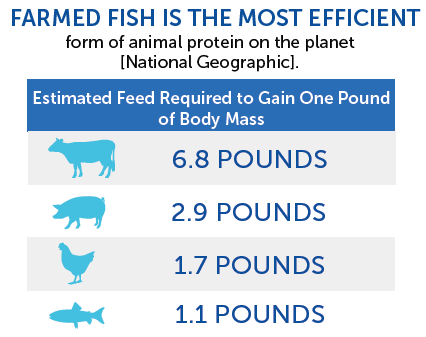
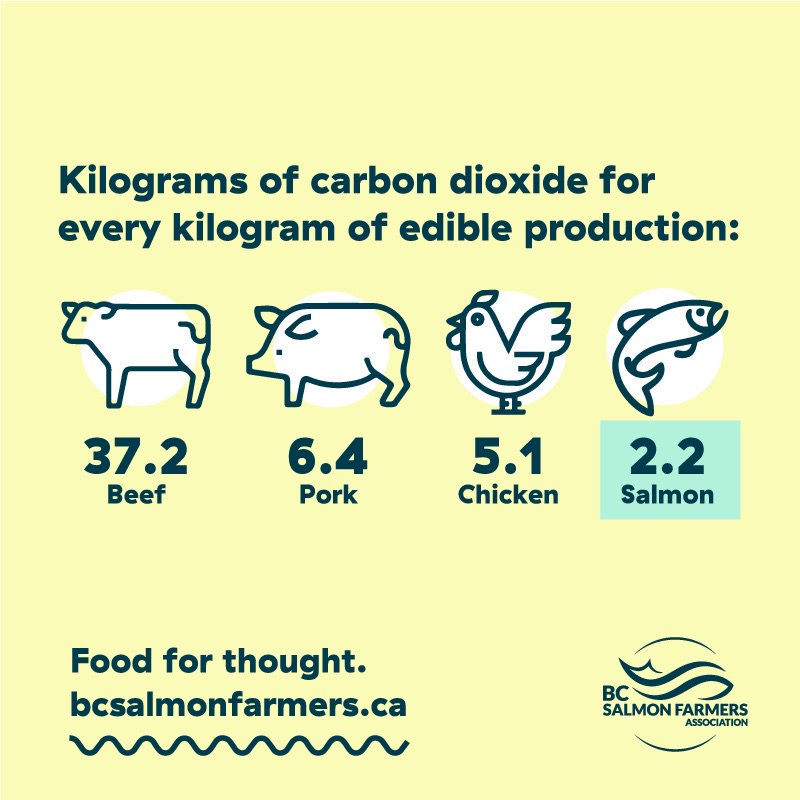
Did you know that salmon is one of the most energy efficient farmed animals? The carbon footprint of farmed salmon is one tenth that of beef. That includes the fact that seafood is often transported longer distances to market than meat. #WorldEnvironmentDay
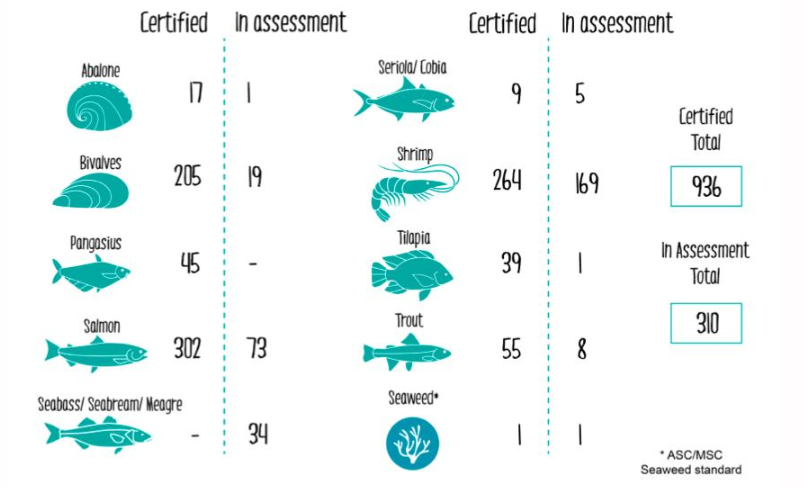
Great to see that more seafood is becoming @ASC_Aqua certified, and salmon is leading the way! As GSI we have 203 farms certified so far and use the standard as our target across all of our sites
Have we found a way to sustainably feed the future?
If done right, ocean farming could be our best hope to help sustainably feed the planet without degrading the environment. https://t.co/WUJ1iR8SoM #aquaculture
#DYK: As a result of climate change, salmon farmers have to find ways to increase the ocean oxygen levels and circulation near their farms. Learn more here: https://t.co/GnUxZwWLJh #FishFarmFacts