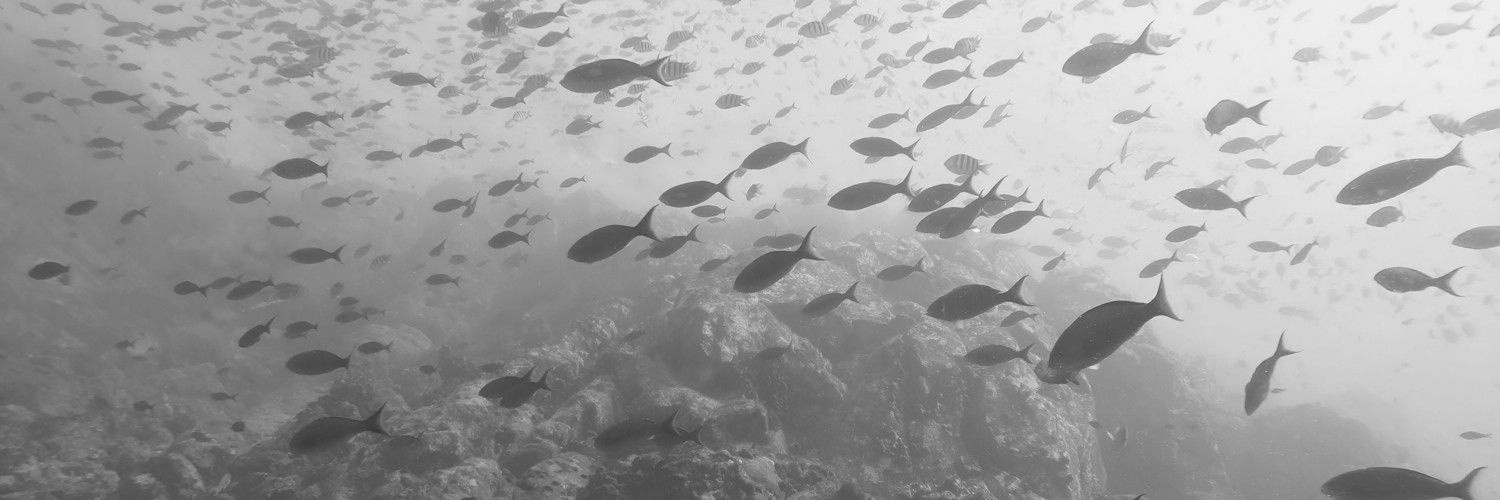
Lake heatwaves are becoming more frequent, longer-lasting, and more intense than atmospheric heatwaves. A study found lakes retain heat longer, increasing thermal stress on aquatic organisms and raising risks for freshwater biodiversity.
Learn more➡️ https://t.co/3cVylabZjg
To create Paintsville Lake reservoir in Eastern Kentucky, swaths of forest were submerged.
The woody structures provided an ideal habitat for what soon became prized trophy fish, but this habitat has deteriorated.
Learn more➡️ https://t.co/kWHygVdgz8
PC Jason Russell
Zebra mussels are a common invasive species, but struggled to spread past the Great Plains. A 2025 study used a habitat suitability index and network analysis to estimate future mussel spread westward through Texas.
Learn more➡️ https://t.co/k1O53ZlpWU
PC: D. Jude via Flickr
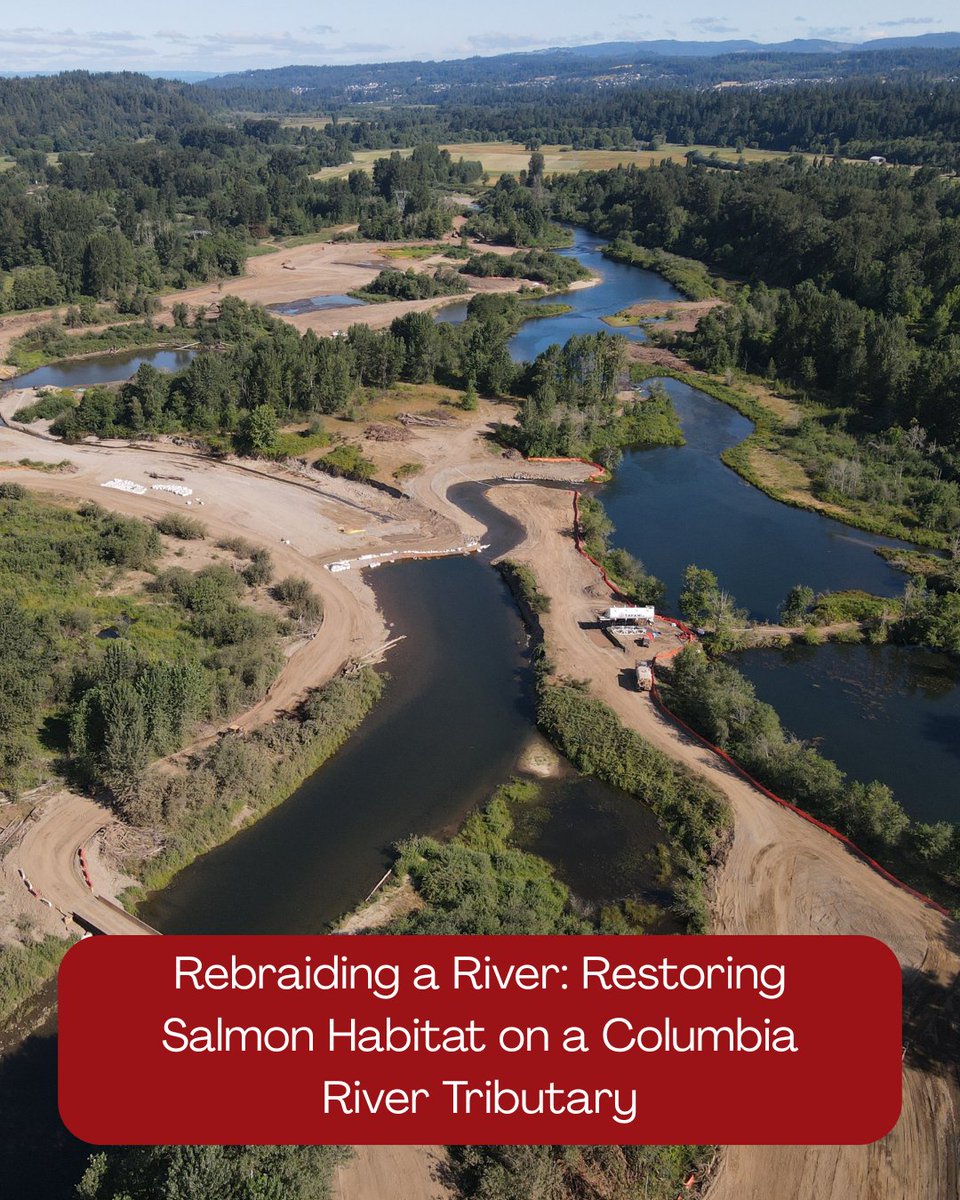
Decades of development straightened Washington's East Fork Lewis River, causing erosion and degrading salmon habitat.
Now, a $23.5 million project aims to reconnect and restore the river to its former self.
Learn more ➡️ https://t.co/SaBMRDjJO4
PC: The Estuary Partnership
Freshwater organisms use rocky reefs to lay eggs and hide from predators. Decades ago, in Saginaw Bay, this natural habitat was smothered in sediment. Now, a collaborative effort is restoring reefs to the crucial fishery.
Learn more ➡️ https://t.co/PBOdj10bYy
#Saginaw#Walleye
In California, coastal redwoods tower over streams crucial for salmon spawning. A recent habitat improvement project has changed one of these streams. Scientists are monitoring to ensure it remains suitable for the keystone species.
Learn more➡️ https://t.co/7hAbcQfNij
PC: PWA
In 2018, Hurricane Michael decimated the Chipola River–the only river in Florida with a reproducing population of shoal bass. The Florida Fish and Wildlife Conservation Commission raced to save this unique species.
Learn more ➡️ https://t.co/FaDTBqEOSW
PC: Florida FWC
@MyFWC
One of the most biodiverse rivers in the entire Midwest flows through central Ohio. The Nature Conservancy recently finished a multi-year restoration project to improve water quality at the Darby's headwaters.
Learn more ➡️ https://t.co/BDuyUGj2Po
PC: TNC Ohio
#Biodiversity
Oysters have been consumed in Ireland for over 4,000 years, but were wiped out during the Industrial Revolution. 🦪
Now, over 200 years later, they are being reintroduced to their historic home.
Learn more ➡️ https://t.co/7bUJQnJOD1
PC: David Lawlor
#DublinBay#Oyster
For decades, there was a gaping hole in Chile's protected lands.
That was recently changed with the purchase of Fundo Puchegüín, a 328,000-acre swath of wilderness in the heart of northern Patagonia's Cochamó Valley.
Read more ➡️ https://t.co/5uDIuHzmze
PC: Puelo Patagonia.
For over a decade, the Great Lakes Center has operated a data buoy in Lake Erie’s eastern basin. Popular with anglers and boaters, it will soon be joined by a sibling–another buoy deployed near the city of Buffalo.
Learn more ➡️ https://t.co/UYF9i9Umn2
PC: Brian Haas
#LakeErie
Alligator gar are apex predators in Texas rivers. But their position at the top of the food chain renders them susceptible to harmful biomagnification.
What does this mean for the popular sport fish? Read more➡️ https://t.co/InlGmOdOxD
PC: Adapted from Zach Moran
@ArkansasTech
As a high schooler, Nicole Corbett noticed changes occurring along the coastline of her hometown, Popponesset. She now aims to understand these problems by monitoring water quality and more along the Nantucket Sound coast.
Learn more ➡️ https://t.co/kYOsmuMfdM
PC: PWSA
The Mussel Watch Program is “the longest running continuous chemical contaminant monitoring program” in US waters. It will celebrate four decades of monitoring. But how has it reached this significant milestone? 🦪
Learn more➡️ https://t.co/gj7dpJMbn0
PC: PWSSC
@noaacoastalsci
The hummocked landscape of Iowa’s northwest is a looking glass to its glacial past, and the Iowa Great Lakes are no exception. They provide an excellent classroom for the Iowa Lakeside Laboratory.
Learn more ➡️ https://t.co/i6JG2e6ByS
PC: Matt Fairchild
#IowaGreatLakes
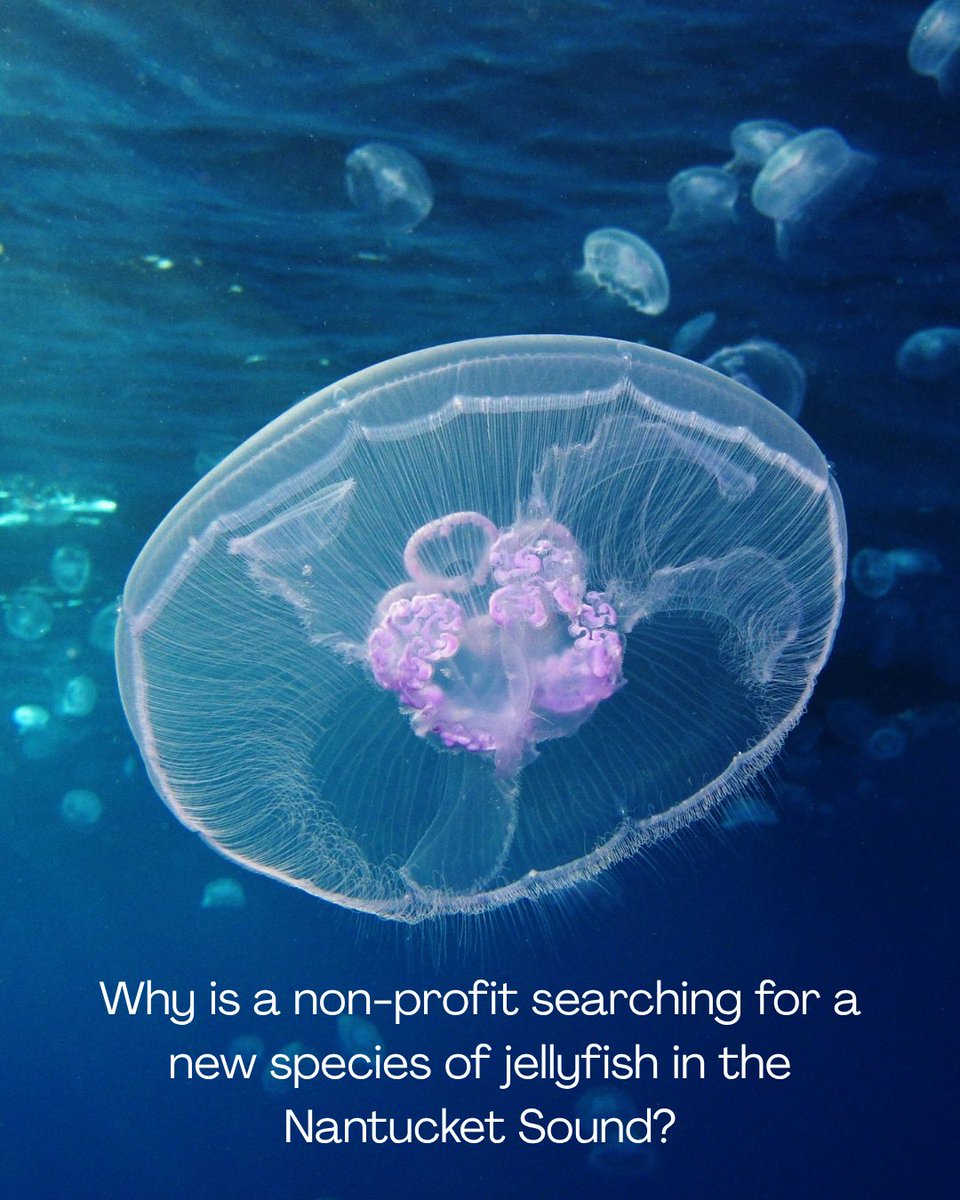
When Nicole Corbett was stung by a moon jellyfish, which is supposedly stingless, she was dumbfounded. Now, she's leading a non-profit taking genetic samples from what may be a new species of jellyfish.
Learn more ➡️ https://t.co/0foMWSqk69
PC: Alexander Vasenin
@poppywatersa
When most people hear fisheries management, they may think of the preservation and conservation of endangered species, but this isn’t always the case.
Take, for example, the Florida Bass.
Learn more ➡️ https://t.co/zD13GeAj5T
PC: FWC
@MyFWC#FloridaBass#FloridaFishing
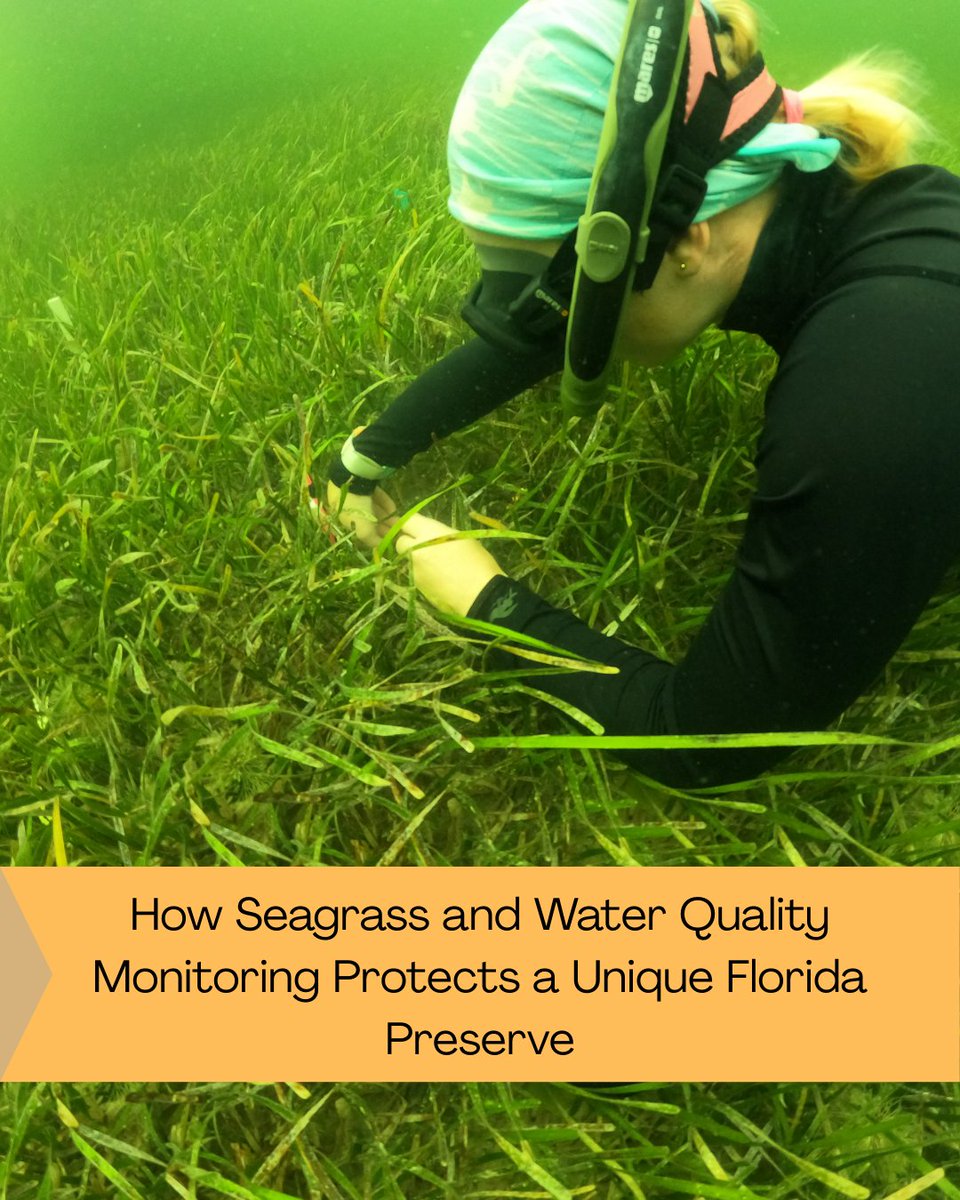
How does Florida protect one of its newest marine protected areas?
Through monitoring one of the most important saltwater ecosystems: seagrass meadows.
Learn more ➡️ https://t.co/lAGsf3gT12
Photo Credit: Adapted from Morgan Edwards
#Seagrass#Florida#NatureCoast#MPA
We have some exciting news...
FishSens has joined BlueSky! We look forward to sharing the latest fisheries and aquaculture technology, industry news, and research with new audiences.
Give us a follow @fishsens-magazine.bsky.social or click the link: https://t.co/10kgpqxo6u
Lake Ontario supports six salmonid species, which are important to the local economy. Now, a collaborative research project is using acoustic telemetry to track these species and fill in knowledge gaps.
Learn more ➡️ https://t.co/PB4bz8Ceez
PC: Amalia Despenic.
@lampreycontrol