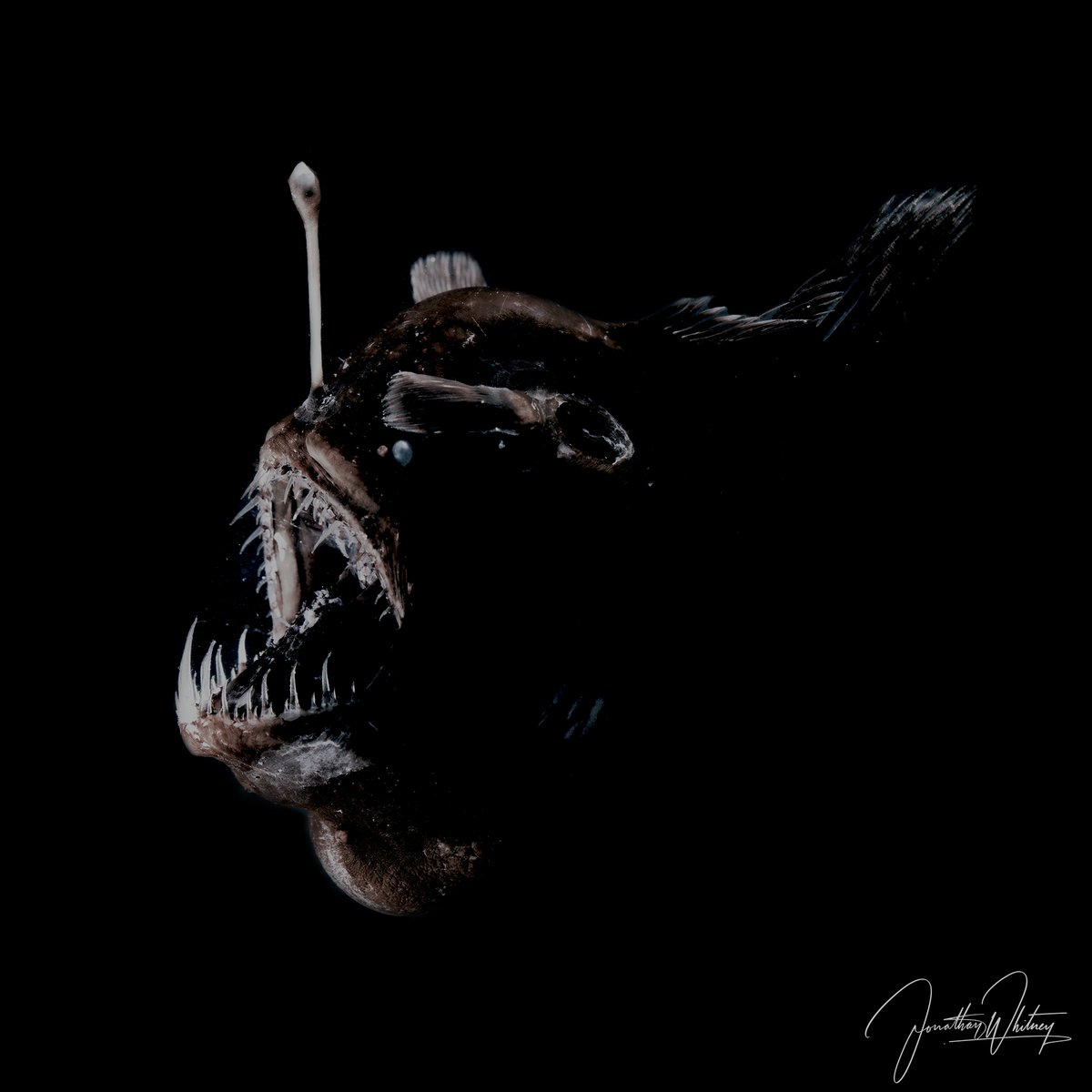
Humpback anglerfish (Melanocetus johnsonii) offshore of Hawaii. Adult females (~5”) can be 10x bigger than males and live as deep as 4000m! Bioluminescent lure, huge mouth and squishy skin allow them to swallow prey bigger than they are. #PelagicPortraits@NOAAFish_PIFSC
Here is the nisto stage of a ula pāpapa, Regal Slipper Lobster (Arctides regalis). First in new series #PelagicPortraits showcasing creatures of midwater habitats around Hawaii, from our recent @NOAAFish_PIFSC expedition investigating pelagic ecosystems on @NOAA ship Oscar Sette
Job alert! Our NOAA colleagues at SWFSC are recruiting a Postdoctoral Research Associate to investigate the ecology, evolution, & population dynamics of marine mammal, fishes, and invertebrates using eDNA. Join the growing NOAA 'Omics Network https://t.co/K0Xm3FZHeO
Job opportunity! Interested in bioinformatics, eDNA metabarcoding, and want to work in Hawaii?
3-year, Bioinformatics position (Postdoc/early Career Researcher) with CIMAR at @NOAAFish_PIFSC. Apply @ https://t.co/TDaPIzZVDV by 3/29 and join a growing network of eDNA researchers.
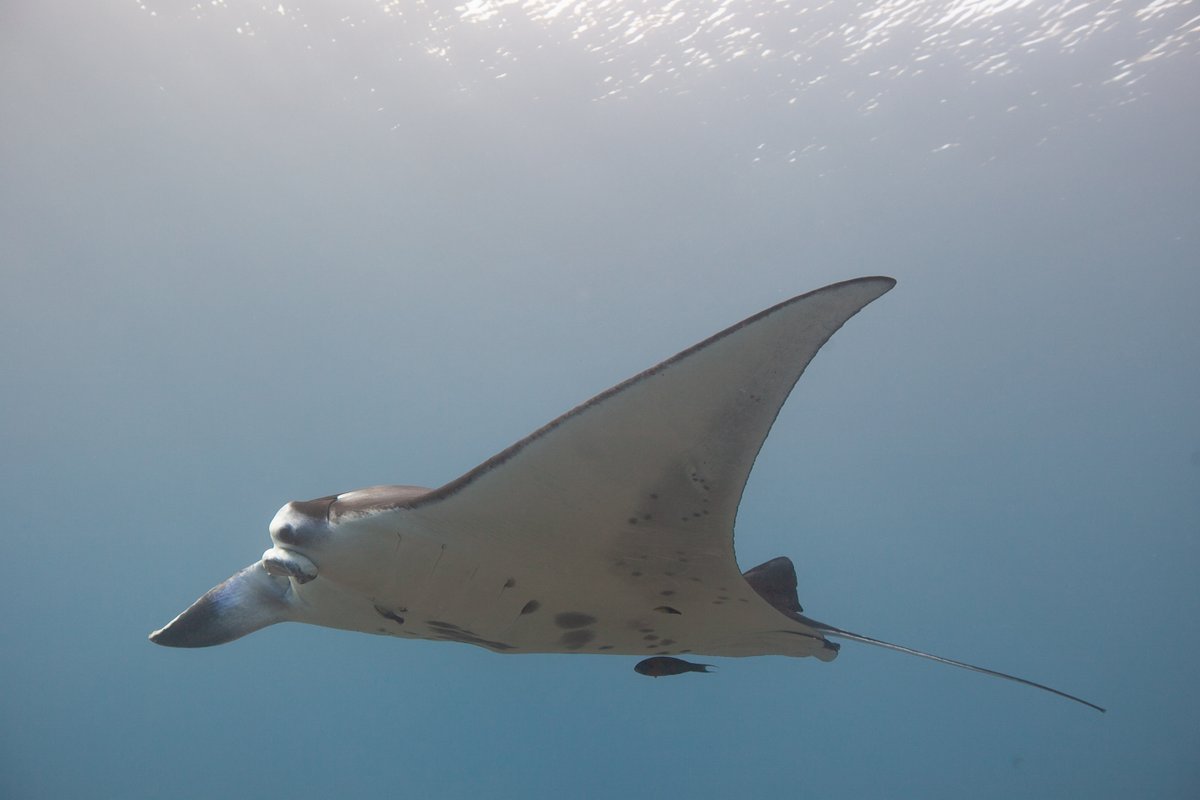
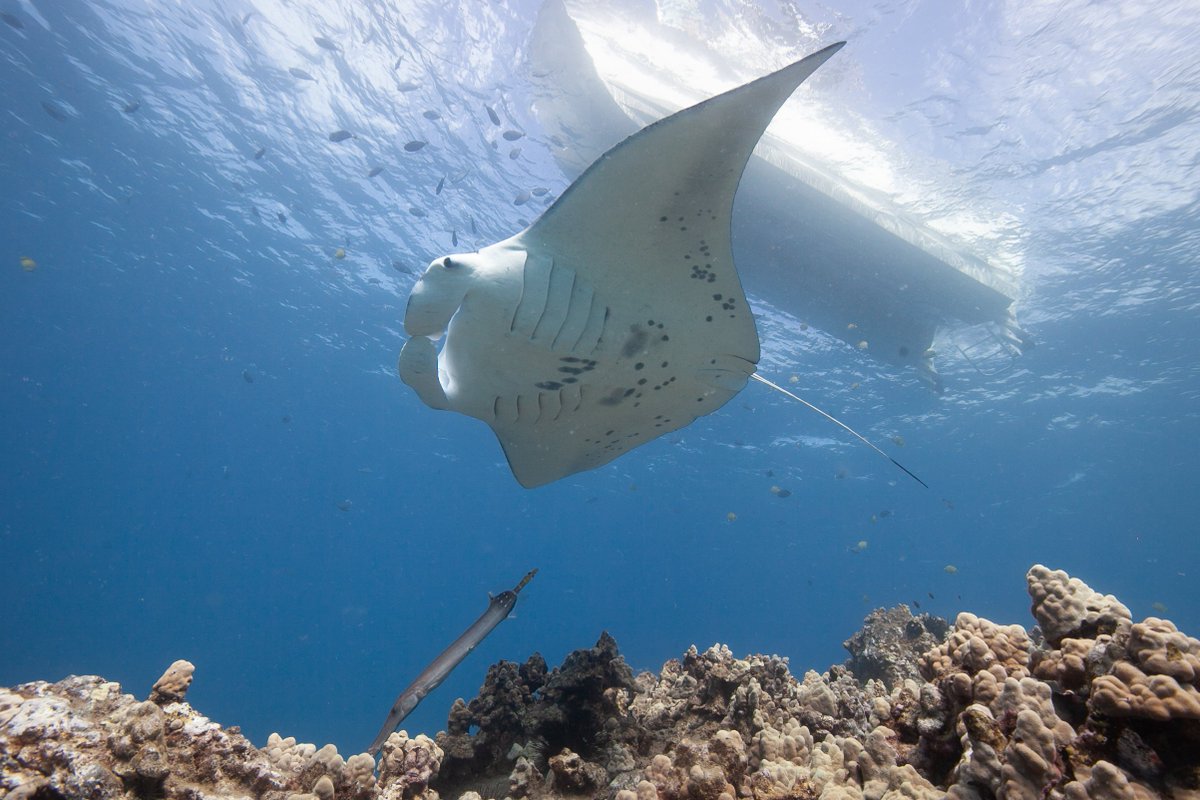
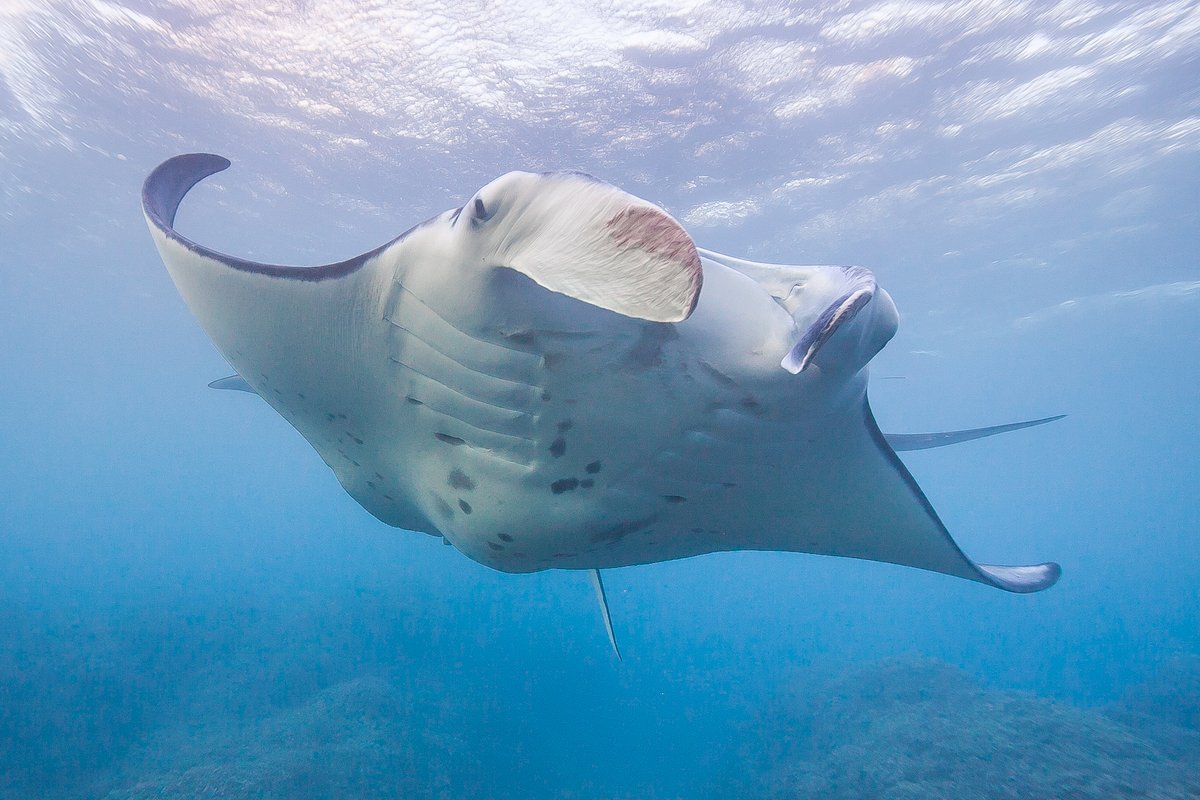
@SpringerNature@BMC_series@RR_Coleman@MarkDeakos@NOAAFish_PIFSC Small population size and low reproductive rates (1 pup every 1-7 years) make these and other island populations extremely vulnerable to human impact. Reef mantas face several threats including fishing line entanglement, boat strikes, and habitat loss. They need our protection.
@SpringerNature@BMC_series@RR_Coleman@MarkDeakos@NOAAFish_PIFSC Reef manta rays rely on healthy coral reefs. They visit reefs to get cleaned and meet up with other mantas. Coastal development can degrade coral reefs and embayments which are critical habitat for manta cleaning, socializing, breeding, and pupping.
@SpringerNature@BMC_series@RR_Coleman@MarkDeakos@NOAAFish_PIFSC We estimated the number of adult breeders (effective pop size) in each island at only ~104 on Hawaiʻi Island and ~129 throughout Maui Nui. With so few breeders, the loss of a single individual could have detrimental consequences to the resilience of #Hawaii#ReefMantaRays.
@SpringerNature@BMC_series@RR_Coleman@MarkDeakos@NOAAFish_PIFSC We provide the first genetic evidence that female #ReefMantaRays are strongly philopatric, and only reproduce on the island where they were born. Migration rates are equivalent to one female moving between island groups every 1,300 years and one male only about every 64 years.
@SpringerNature@BMC_series@RR_Coleman@MarkDeakos@NOAAFish_PIFSC We show that Hawaii Island and Maui Nui are made up of only a few hundred rays each and should be considered separate. Small and isolated animal populations are vulnerable to disease and extinction. Islands may need targeted management strategies to ensure long-term stability.
Did you know that female reef mantas in Hawai‘i only reproduce at the island where they were born? 🤔The first genetic study of reef manta rays in Hawai‘i found that each island has separate and genetically distinct populations! Learn more: https://t.co/ZEYOfDGGUy
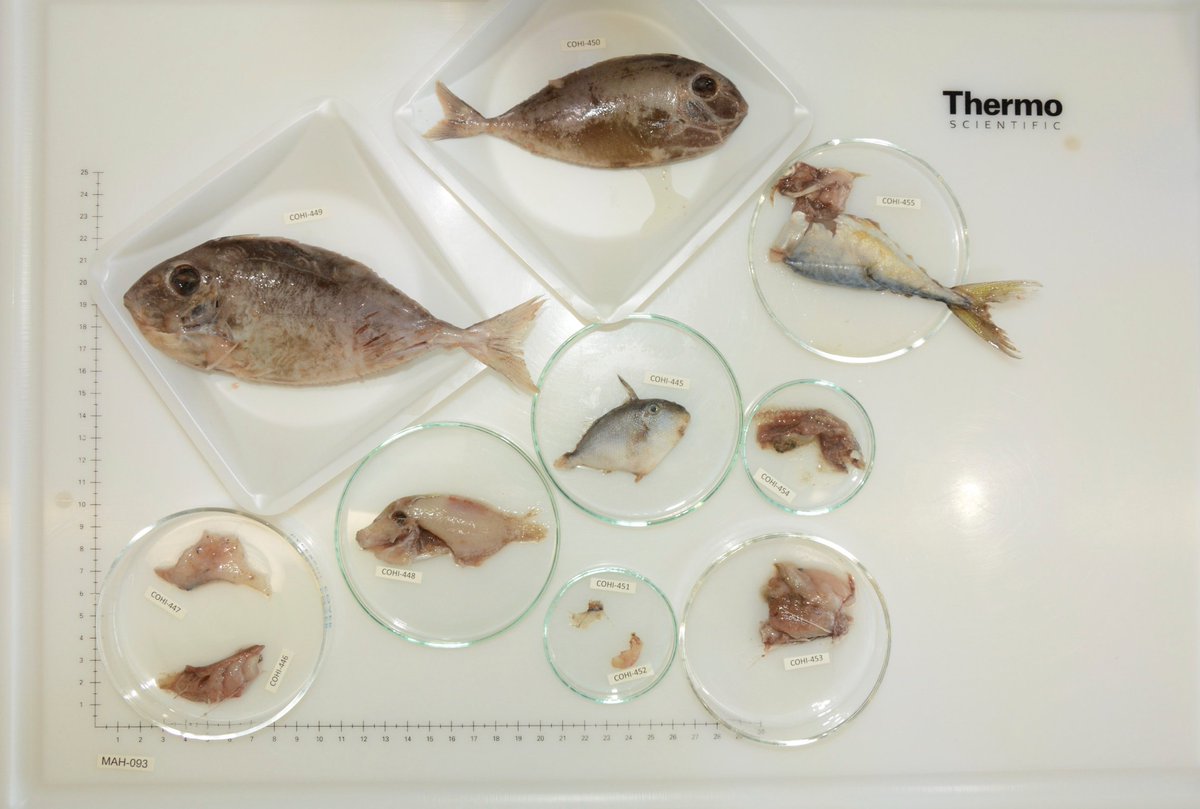
Find out how Hawaiʻi fishers are helping @NOAAFish_PIFSC & @NOAAFish_PIRO learn about mahi diet including a new rewards program to thank contributors for their donations.
Mahimahi may be on your plate, but what’s on theirs? Young malu, ōpelu, & nūnū, to name a few! Find out how Hawaiʻi fishermen are helping @NOAAFisheries learn about mahi diet and the connection to local reefs: https://t.co/W7SUmKp1ep
#CitizenScience#nomnom#sustainable#fishing
Happy #UNWorldOceansDay! I’m celebrating by sharing stories of the amazing lives of baby fishes in the 'Oceanic Discoveries' segment (10:35am EDT) along with @Brian_Skerry, Mattie Rodrigue @oceanx, @DrAustinG, Nicole Yamase, and @natkelley. Livestream at https://t.co/sOb3lAfboE
The high seas cover nearly half of Earth's surface and hold great biodiversity (lots of #deepsea), BUT they remain the least-protected areas on our blue planet. Join me in signing the petition led by @RebeccaRHelm @DivaAmon and others to help protect high-seas biodiversity.
Join me and the @UN@OceanicGlobal on Tuesday 10-5 EDT in celebrating #WorldOceansDay!
This year’s event will highlight the importance of the ocean for sustaining life and livelihoods.
https://t.co/CzDB4cSeKd
I’m thrilled to be speaking at this year’s @UNWorldOceansDay on June 8th! Join us for an all-day, virtual event exploring oceanic biodiversity, new ocean discoveries, and innovative solutions for our changing ocean. RSVP at https://t.co/NScJF59EYm!
So excited to see larval fish featured in the @nytimes! Gorgeous and illuminating photography from @JeffMilisen and Steve Kovaks @ngfl3333 coupled with unparalleled taxonomic expertise of Bruce Mundy (my mentor), Ai Nonaka & Dave Johnson from @smithsonian https://t.co/J9BpYaIgjR