L’utilizzo degli integratori di acidi grassi Omega 3 è associato a un aumento di probabilità di sviluppare Fibrillazione Atriale: il possibile meccanismo sottostante.
https://t.co/QFeGZs5qTW
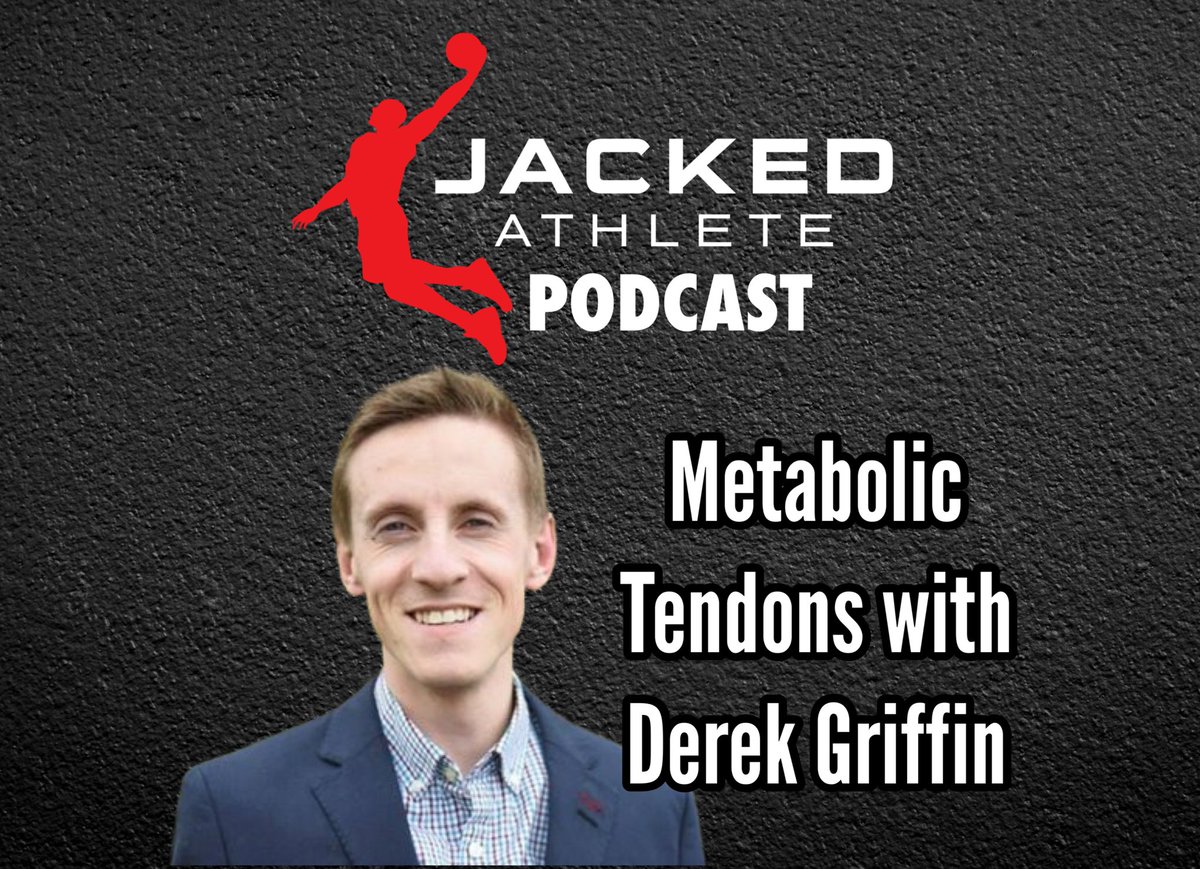
Podcast with @DerekGriffin86 on metabolic/autoimmune/inflammatory influences in tendinopathy.
Tremendous show.
So many insights.
https://t.co/go6wDr4uzt
Consent ✅
Female 30s
Reports bilateral 'sciatic' pain since late teens
Deep gluteal pain into posterior thigh to back the knee
'Shooting', 'aching'
Worse with prolonged walking, muscle fatigue
Deep squat sore
Large available LSp & hip ROM on testing - 'hypermobile'
Typical pain brought on with end range overpressure into FADDIR and FABER tests
Negative SLR
Xray - bilateral borderline / mild acetabular dysplasia - possibly posterior (or global) type with retroversion & 'cross over' sign alongside Tonnis (roof) angle <10 degrees
Remember that the hip joint can send pain in myriad ways into leg & mimic sciatica (see pain map diagram)
In this case, true bilateral radicular pain wouldn't make since from teens - doesn't add up
Think 'outside the box' & consider other causes of 'pseudo-sciatica'
Whether you’ve had an ACL Reconstruction or you’re dealing with patellar tendinopathy, leg extension isometrics can be a valuable component of knee rehab.
Check out these options!
🧵
Fino ad oggi l'unico giocatore in grado di stoppare un tiro fermando il pallone sopra il rettangolo piccolo del tabellone, a circa 3 metri e 70 di altezza, fino ad oggi, era quello che ognuno può creare nel videogioco NBA2K.
Fino ad oggi...
Mamma santissima che foto.
#NBAtipo
⚠️ Quadriceps activation after ACL reconstruction - the early bird catches the worm! 🐛 🦅
NEW #BJSMBlog summarising a recent study where you can learn the key techniques to enhance quadriceps activation and prevent long-term complications 📉
Blog ➡️ https://t.co/CAdmWeN3To
Paper ➡️ https://t.co/GJjrV1c3zM
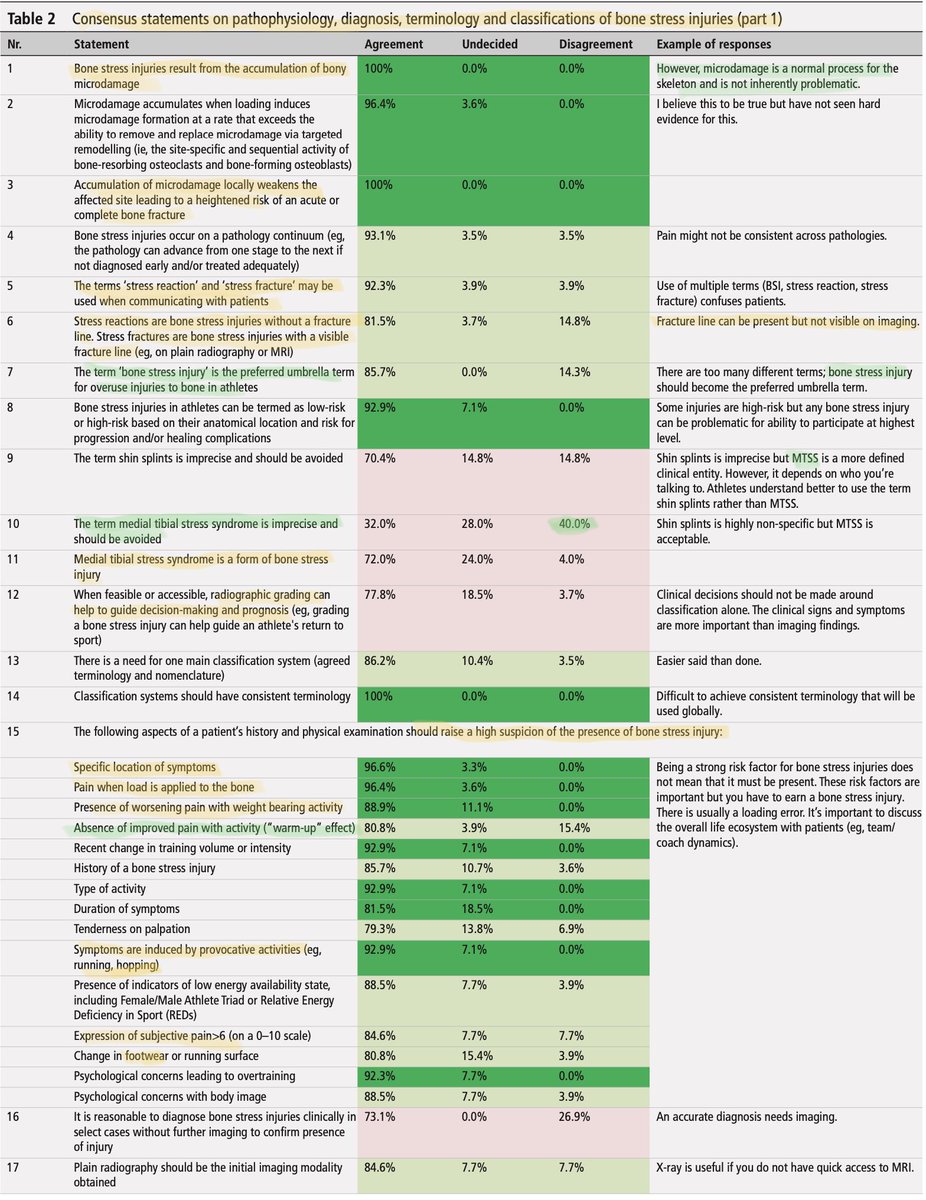
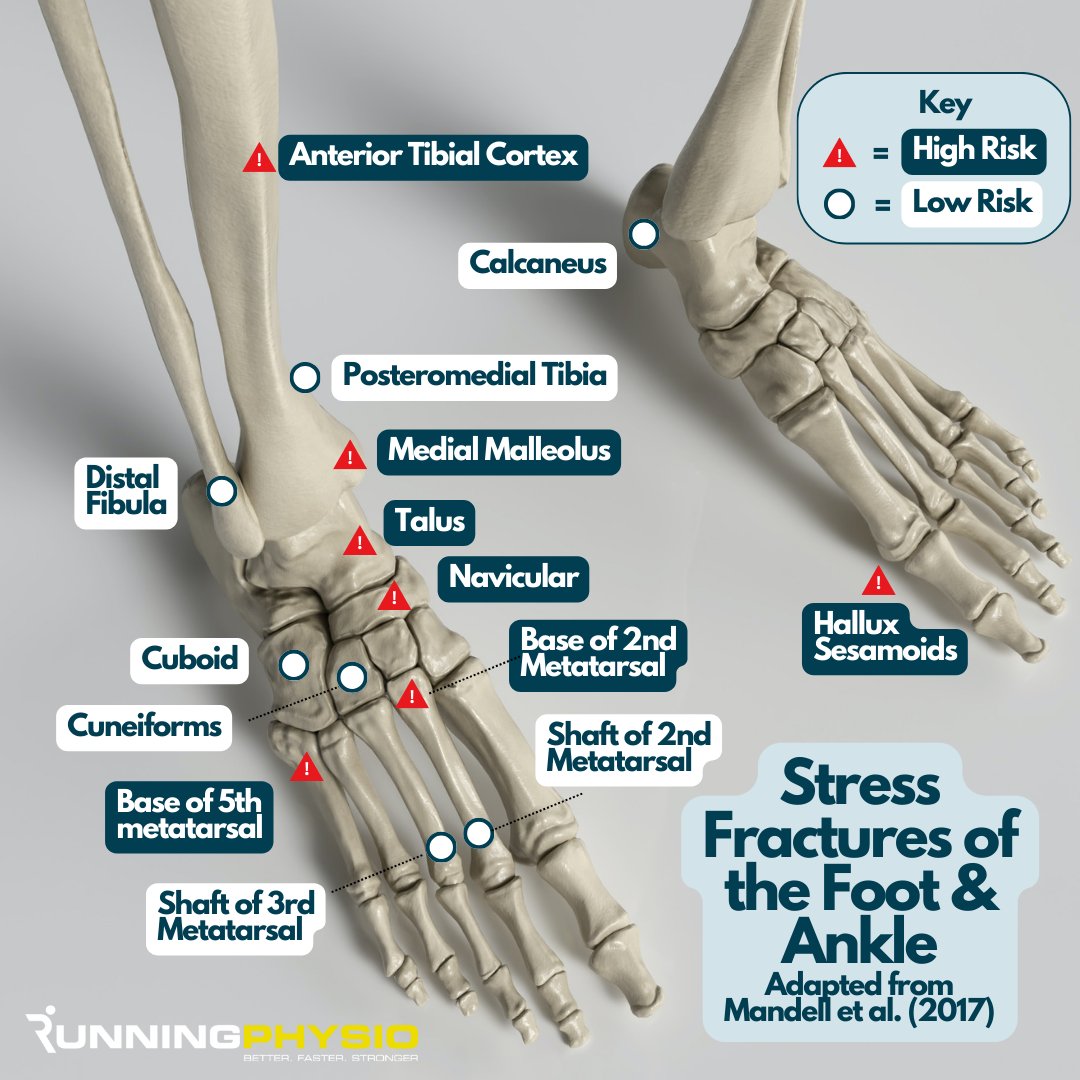
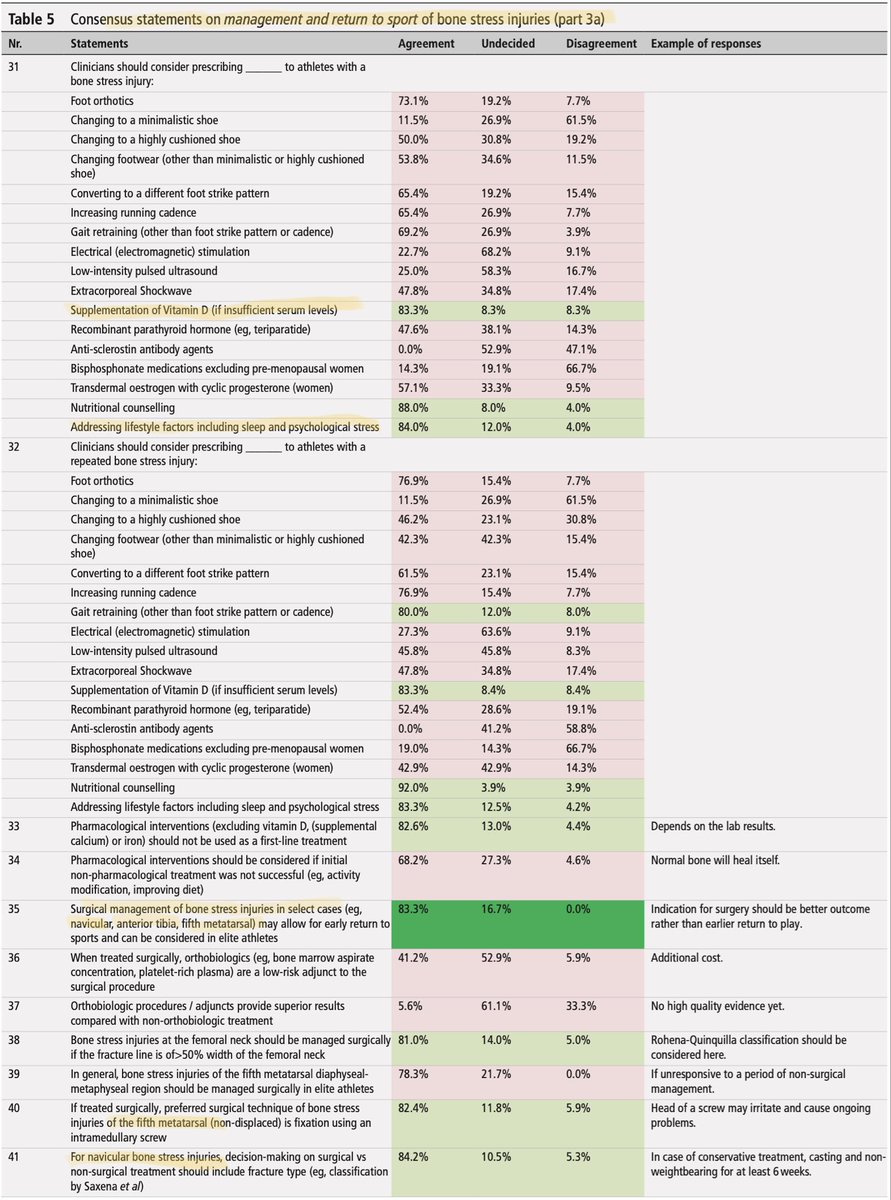
Consenso internazionale sulle fratture da stress negli atleti:
• definizione
• terminologia: “Bone Stress Injury”
•fattori di rischio
• gestione
• ritorno allo sport.
https://t.co/7mX86bfeZr
Consent ✅
A nice 'sports medicine' case
Body builder - on warfarin for Factor V Leiden deficiency
Doing 200kg hip thrusters (as you do).....
Later that evening a mis-step at the theatre, hip drops into extension - sudden 'pop' and immediate anterior hip pain
Bruising & swelling +++ over few days (see photos)
Painful & weak straight leg raise - squat ok
POCUS video - massive haematoma proximal rectus femoris
With a patient this size, difficult to assess indirect head at its origin - but looks grossly intact ✅
After aspirating 100ml blood (always aspirate proximal to distal to avoid fistula formation under gravitational effect), it's easier to evaluate the proximal rec fem tendon pathology
Direct head from AIIS looks intact - but haematoma is medial and immediately adjacent to the anterior aponeurosis (the continuation of the direct head) - so on balance it's probably a partial tear of the common tendon distally into musculotendinous junction
The injury exaggerated ++ by bleeding propensity re his warfarin
The central tendon (extension of the indirect tendon) isn't grossly deficient / retracted
Also note the knee joint effusion - a 'sympathethic effusion' - very common with higher grade rec fem injuries.... don't be distracted by this
The patient can't afford MRI or surgical opinion, so doing what you can to assess tendon under ultrasound is key - including removing the haematoma to allow better evaluation of the tendons AND reduce risk of myositis ossificans
The other consideration is 'anabolic support' - this will affect warfarin metabolism and the patients INR.
Something to diplomatically bring up.
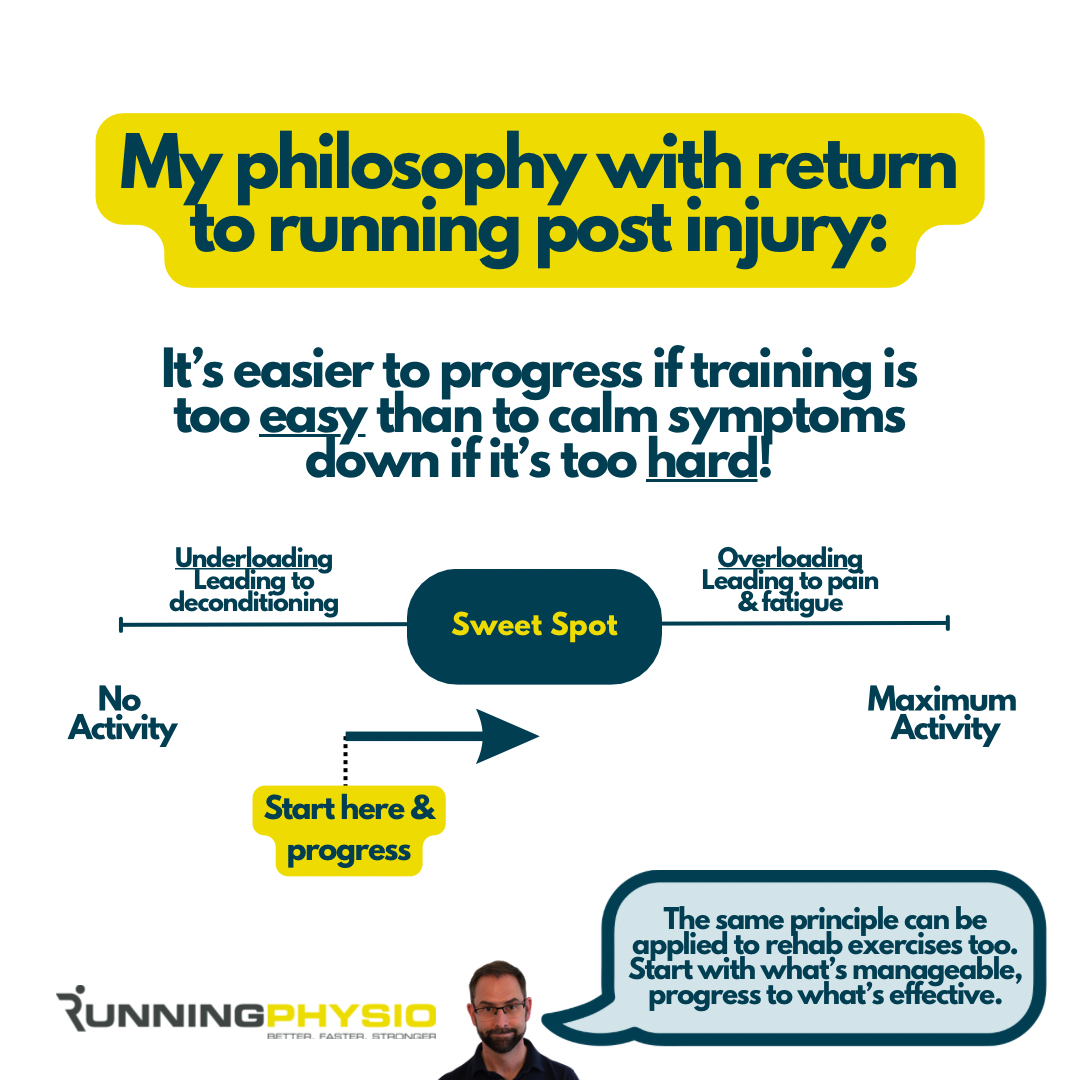
Endurance performance starts with strong foundations of consistent training, effective recovery (including sleep 😴) and a diet that meets an athlete’s energy and nutritional needs. Injury often requires the same!
Last week I ran a 2:26 marathon—a 10-minute PR.
Here are some training approaches and strategies that helped me get there. 👇🏼
1. High-density running days 🏃🏻
I ran just 4 days per week during the block but averaged around 60–70 miles per week. That meant 15+ miles per day on days that I ran. A typical week included a 13, 15, 20, and 22+ mile day.
2. Cross training 🚴🏻
On non-running days, I rode a bike (@GoZwift indoor trainer) for 100–120 minutes total. Mostly easy but sometimes an interval workout. I averaged 4–6 hours of cycling per week.
3. Better fueling ⛽️
I mostly run fasted, but on workout days and long run days, I consumed carbohydrate gels (@MaurtenOfficial and @ScienceinSport) and fluids + electrolytes as needed. Not only did this help with performance during the workout, but it made a MASSIVE difference in my recovery and ability to bounce back from long and hard workouts.
4. Long run workouts 🚀
Once or twice per month I ran marathon-specific long run workouts that include marathon-pace work and faster-than-marathon-pace work that totaled 6–10 miles. Running fast on tired legs was something I needed to know I could do and these sessions prepared my physiology and psychology for the marathon.
5. Post-exercise ketones 🧠
This is a method that needs more data to support it, but some evidence indicates ketones might help with recovery and increasing EPO when taken after workouts. I used them twice per week: after workouts and after my long run. I use @Ketoneiq.
6. Creatine 💪🏻
I can’t say how much of my performance has benefitted from supplementing with creatine (5 grams per day) but there’s enough reason to speculate that it might help with recovery, strength, and power that I can’t justify not taking it. The brand I use is @livemomentous.
7. Sauna 🔥
Heat and humidity training in Texas played a big role in my success (race day in Indiana was 45 and cloudy). However, I still tried to use the sauna at least twice per week 20–30 minutes/session), ideally after a run, in order to maintain and augment some of the heat adaptations I was receiving. I also believe the sauna is a potent recovery tool and I love using it on the rare day off.