5️⃣ Protects infrastructure. Storm drains, hydrants, sidewalks, and guardrails all work better when they’re not buried or crushed under tons of compacted snow.
4️⃣ Keeps roads from turning into ice rinks. Snow piled too close to the pavement melts during the day and refreezes at night. Pulling banks back limits that daily melt-freeze cycle.
3️⃣ Reduces flooding when things warm up. When temperatures rise or rain falls, massive snowbanks melt fast. If they’re right up against roads and drains, you’re more likely to see ponding, icy refreezes overnight, or even basement flooding.
2️⃣ Improves visibility and safety
High snowbanks block sightlines at intersections, driveways, and crosswalks. Pushing them back helps drivers, pedestrians, and school buses actually see each other.
1️⃣ Makes room for the next storm
If snowbanks stay piled high, the next snowfall has nowhere to go. That’s when roads get narrower, sidewalks disappear, and plows struggle to keep up.
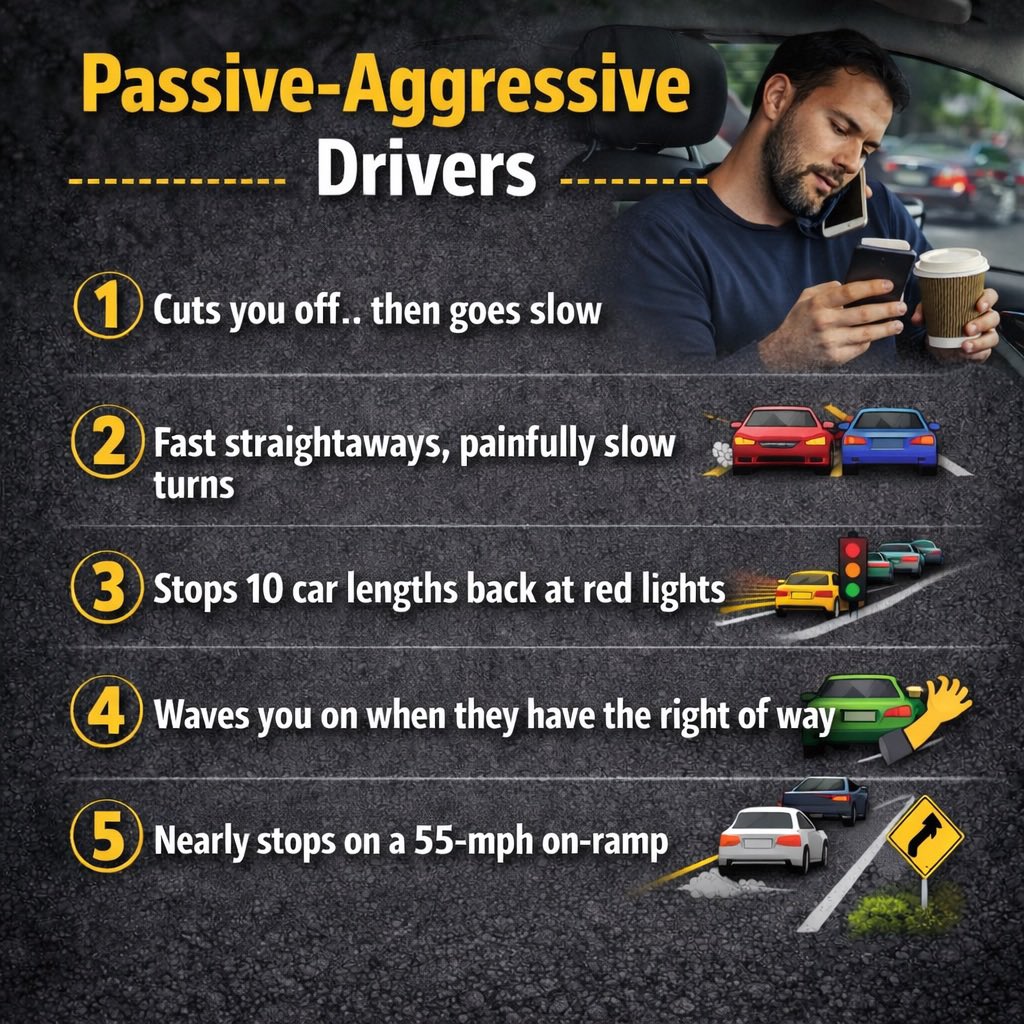
As someone who drives the Taconic State Parkway daily, I’ll be the first to say aggressive drivers are the worst.
But a close second? What I call passive-aggressive drivers.
These are the drivers who technically follow the rules… while somehow making everything worse. Examples
Whoa - check out the signal for well above average temperatures in early April 🌡️
A potent Pacific jet may blow unusually hot air masses into the country.
It could be an early taste of summer.
Earthquake just recorded in New Jersey. 4.8 magnitude. Felt it pretty significantly at my house in Dutchess County New York. It knocked the wreath off the door and the chandelier was swinging.
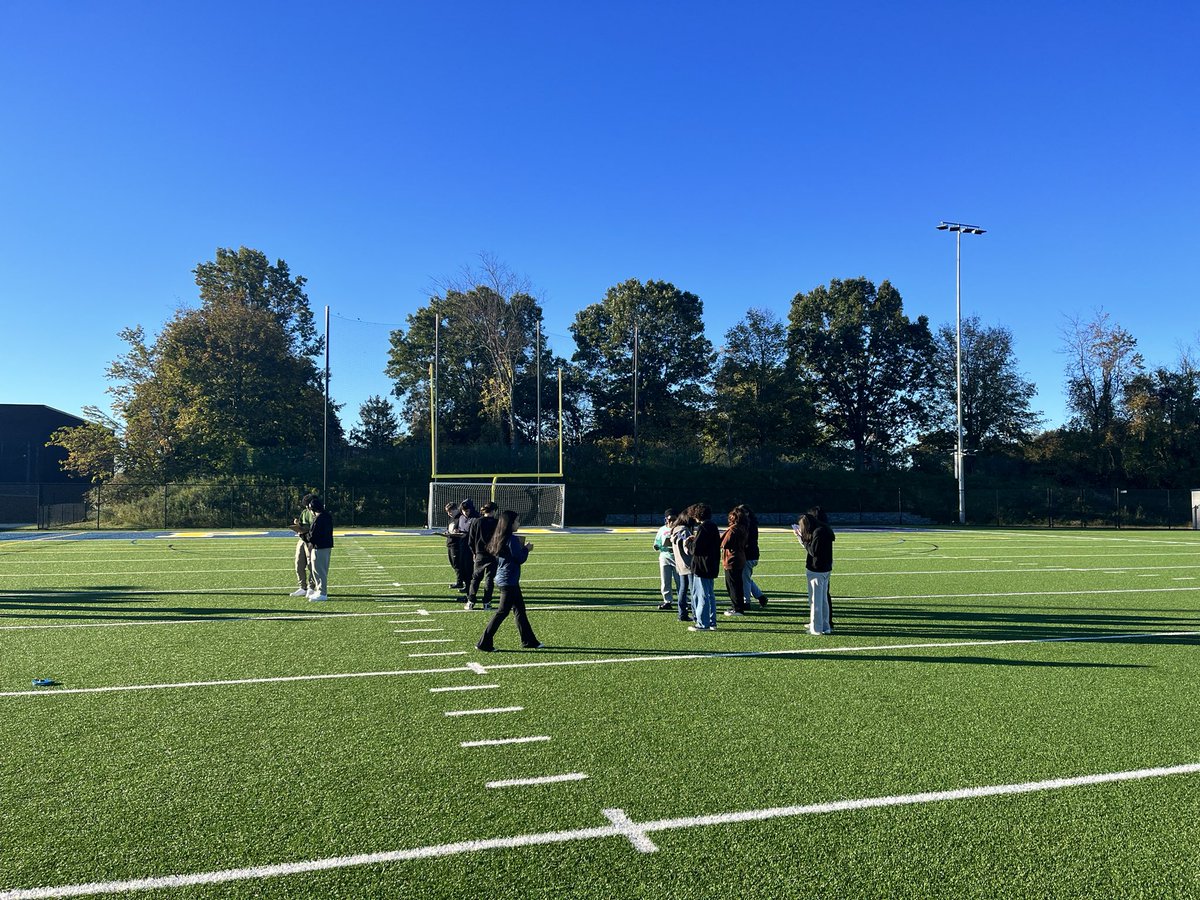
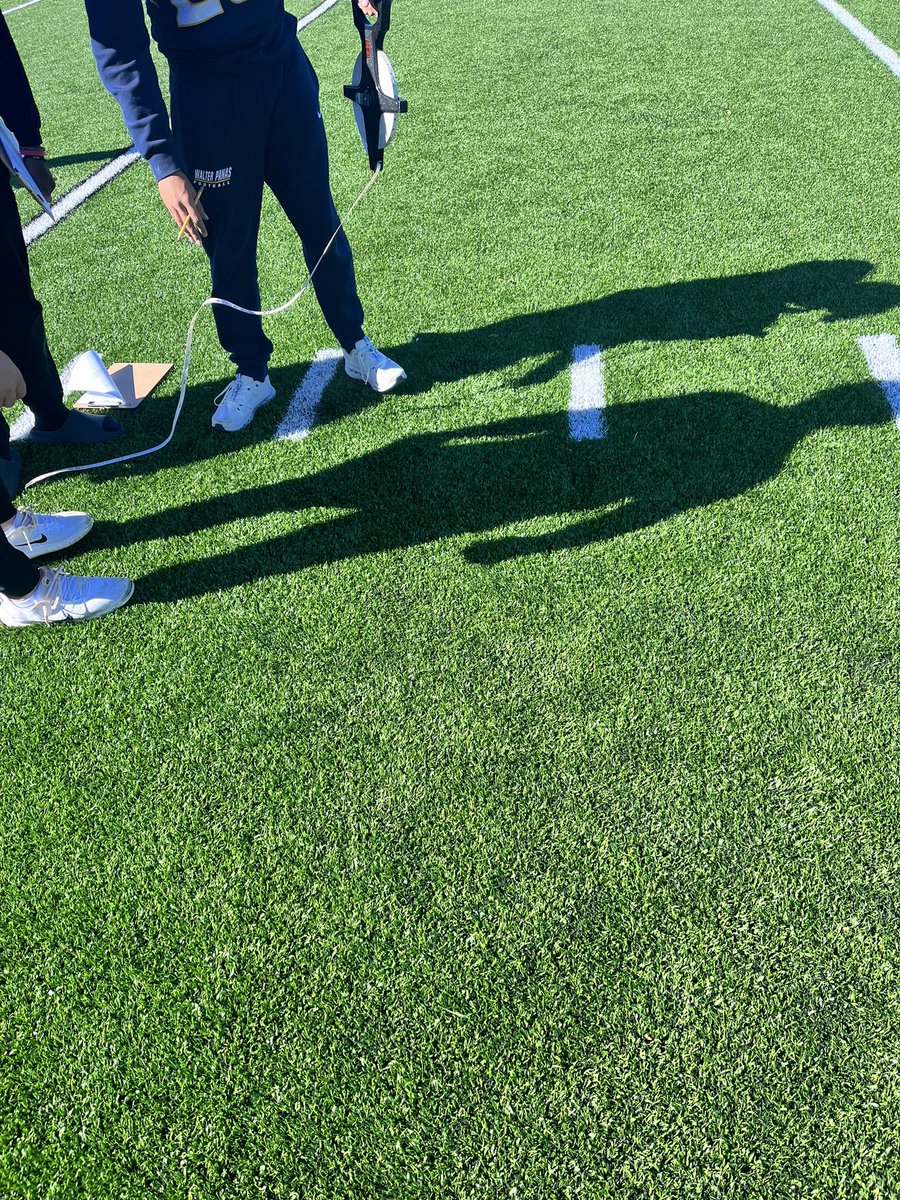
Measuring the length and direction of our shadows. We recorded data at different times throughout the day helping students understand the path of the sun through the sky. @lcsdwphs@LakelandCSD