Dedicated to facilitating public discussion about regional transportation improvements in NOVA/DC Region | Active Transportation Safety and E-Bike Advocate
The mistake was understandable in the 1960s, but it should be scandalous now. We know that parking can never fill the seats on a train running frequently all day. Only dense development AND a good network of connecting transit can. The latter already exists here. 3/
Covid and work-from-home has finally smashed the illusion that Park-and-Ride is the key to suburban transit ridership.
But that illusion is still guiding some transportation planning models today. 1/thread
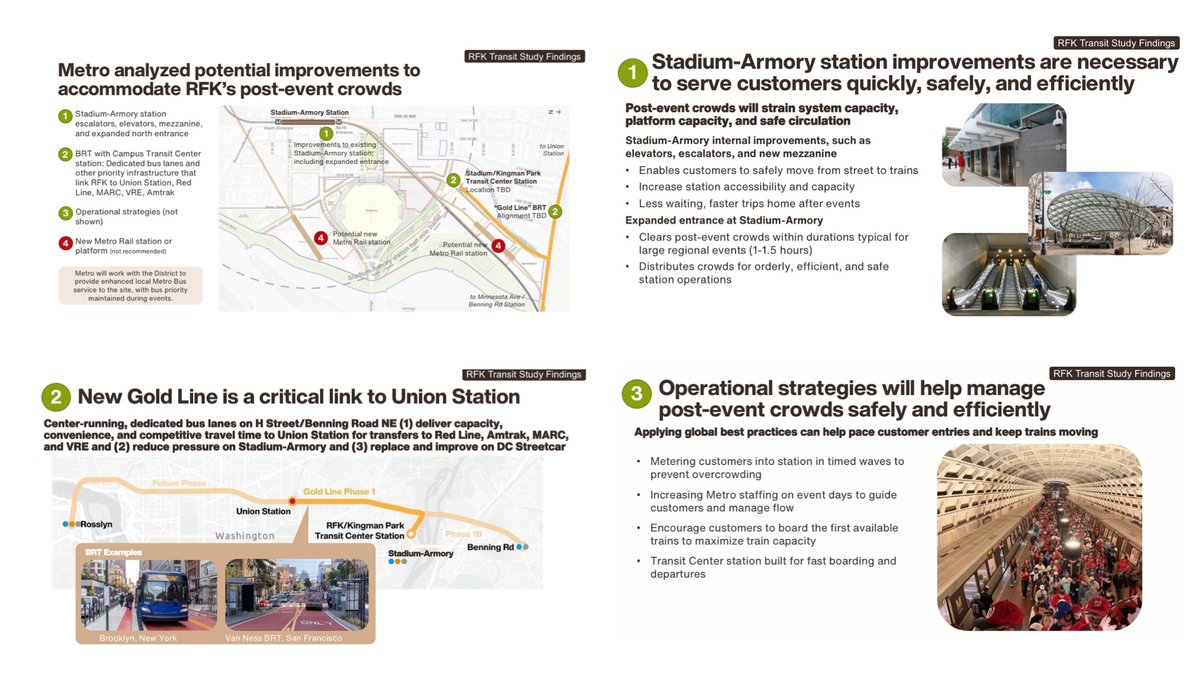
And would provide little value for massive cost that we can use for better overall service including 🚌 network. Gold Line to Union Station then across town is key to area getting better transit service year round plus it supports distribution of crowds during games.
I think building setback rules may be the single most perverse idea we’ve adopted in this country — high compliance costs and no benefit whatsoever.
You go to any normal old neighborhood and the buildings are flush with the sidewalk and it’s fine.
These conversations would be a lot more productive if it focused more on the obstacles to service improvement and bringing that to public attention vs framing that implies that transit agencies are just leaving service on the table, which is often not the case!
@wmata@FredHussain Is H St wide enough to build dedicated lanes? It clearly was not wide enough for the street car. Need dynamic parking rates to ensure the one travel in each direction is not blocked...
Metro proposes essential upgrades to accommodate RFK Stadium, including enhancements to the Stadium-Armory station and the Gold Line Bus Rapid Transit. These improvements will ensure reliability, accessibility and capacity for fans and residents.
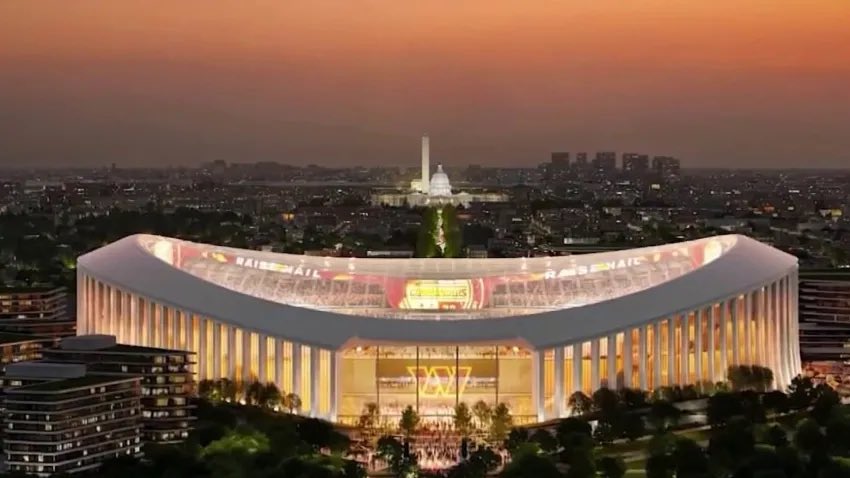
BREAKING-Metro is NOT recommending building a new station at the RFK site for a new Commanders Stadium. But the transit agency warns, if major improvements aren’t made to the existing station, fans could be waiting 2+ hours for trains and buses after events. @nbcwashington#wmata
@PA_Supremacist What is the source document for the reduced travel times? The improvements are more related to capacity and reliability, not speed. The biggest time savings between Richmond and NYC will be the new Airo Trains being able to switch between diesel and electric.
A unique provision: AV fleets must share digitized logs of infrastructure defects — potholes, damaged signs, broken signals — with GPS coordinates and timestamps.
DC's roads getting a free, continuous inspection from AV sensors is a tangible public benefit (plus serving DC!).
A 🧵with my thoughts:
- Thx you, agree Metro is high quality & we are proud of our recovery driven by safe frequent reliable service.
- Agree we must never stop trying to be efficient using public money smartly
- This misses context of variable vs fixed costs (ridership\labor)
The worst kind of development is not low-density sprawl. It's high-density configured to be unwalkable and unservable by public transit. High-density = high traffic, and this guarantees all that traffic is in cars. Sadly the US exported this idea all over the world.
Detroit set the all-time Draft attendance record with 775,000 people in 2024. Pittsburgh is within reach of the record as more than 620,000 fans have attended so far, per the NFL, and the weather is expected to get better throughout the day. Green Bay and Nashville hit 600,000.
The biggest difference between European and American cities is the missing middle.
In Europe, 3–6 story walk-ups are the default.
No elevators, or smaller ones, one stairwell. Lower cost to build. They pencil.
In the US, we’ve regulated this building type out of existence.
Single-stair bans
Overbuilt fire code
Big elevator requirements
Parking minimums
Each rule might sound reasonable in isolation but when you stack them you kill the building type entirely.
“At Penn Station, the @LIRR and @NJTRANSIT respectively take 18 and 22 minutes to unload passengers, load new passengers and depart.
In Tokyo, the Keio Inokashira Line takes three minutes, six seconds to do the same at its Shibuya terminal.”