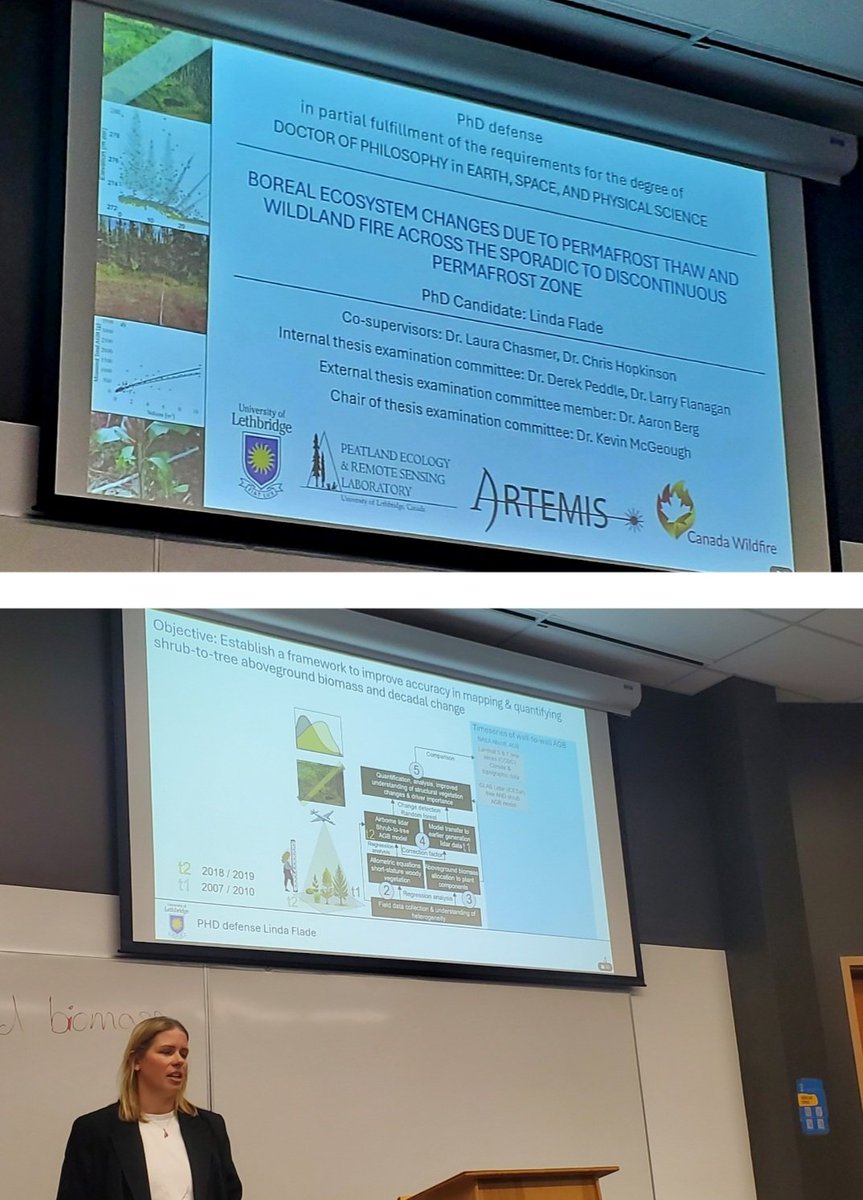
Check out my new paper out of my PhD with @ErsPeat@artemis_lab at @UofLGeo: "A Bi-Temporal Airborne Lidar Shrub-to-Tree Aboveground Biomass Model for the Taiga of Western Canada" https://t.co/cbfkJnGiSF
The model will aid in the quantification of fire fuel & C dynamics.
Congratulations to Dr @FladeLinda on the successful defense of her PhD thesis on boreal ecosystem biomass changes due to permafrost thaw in Southern NWT! great work Linda! Funding support provided by @NSERC_CRSNG@CanadaWildfire, @uLethbridge, @gnwt
Canada has joined the EU’s research and innovation program, Horizon Europe, and will work jointly on large-scale projects tackling Europe’s biggest challenges.
https://t.co/CNTAua2KST
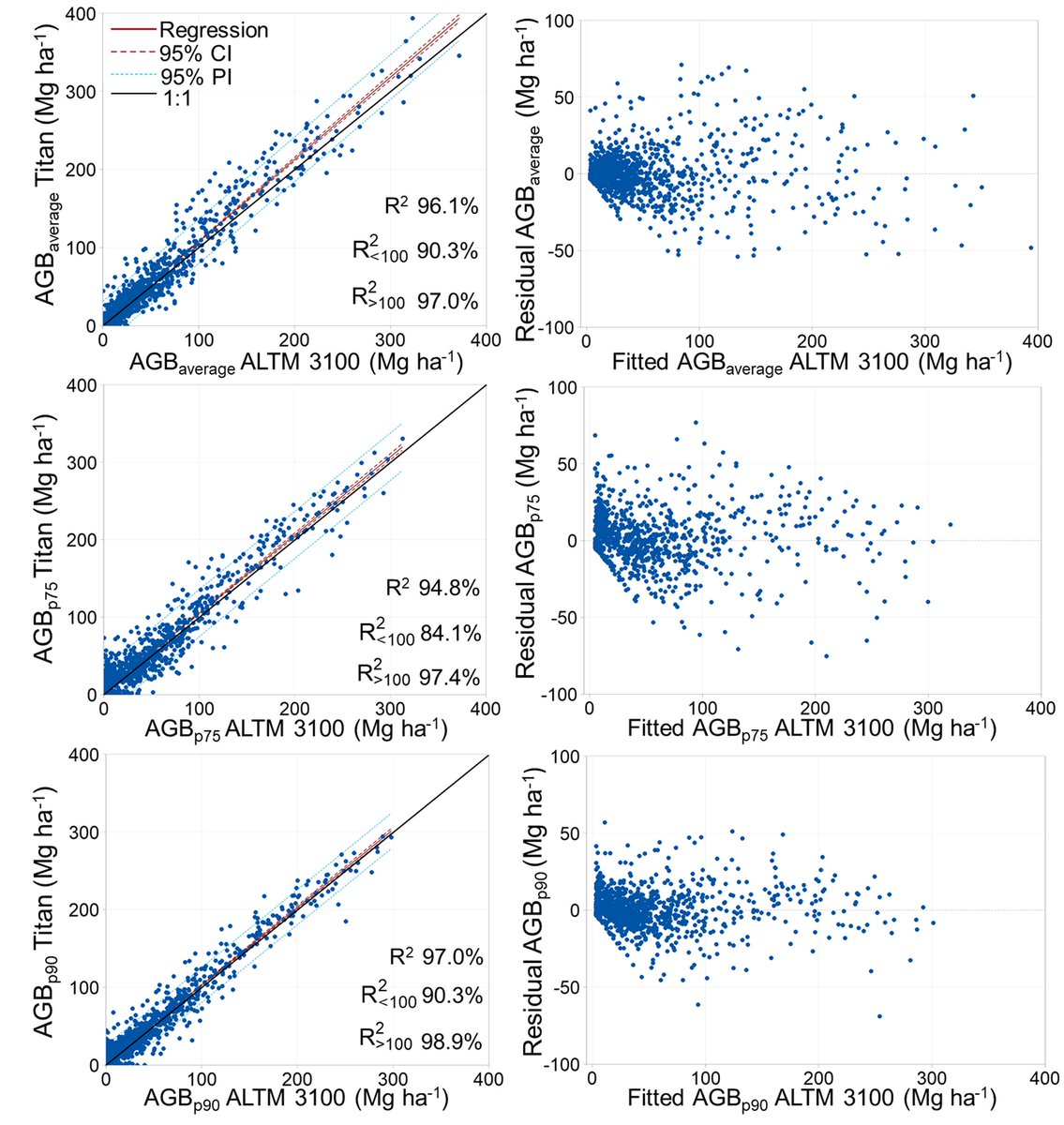
Check out my new paper out of my PhD with @ErsPeat@artemis_lab at @UofLGeo: "A Bi-Temporal Airborne Lidar Shrub-to-Tree Aboveground Biomass Model for the Taiga of Western Canada" https://t.co/cbfkJnGiSF
The model will aid in the quantification of fire fuel & C dynamics.
The model also calibrates for systematic error of an earlier generation lidar sensor. The ability to transfer the bi-temporal shrub-to-tree AGB model between sensors enables future research of spatially explicit changes of AGB.
A view from the window of Kisik's plane late this afternoon, acquiring LiDAR of the landslide that blocked the Chilcotin. We will be visiting site tomorrow and resurveying it several times over the next few days. About 0.5 km2 in area.
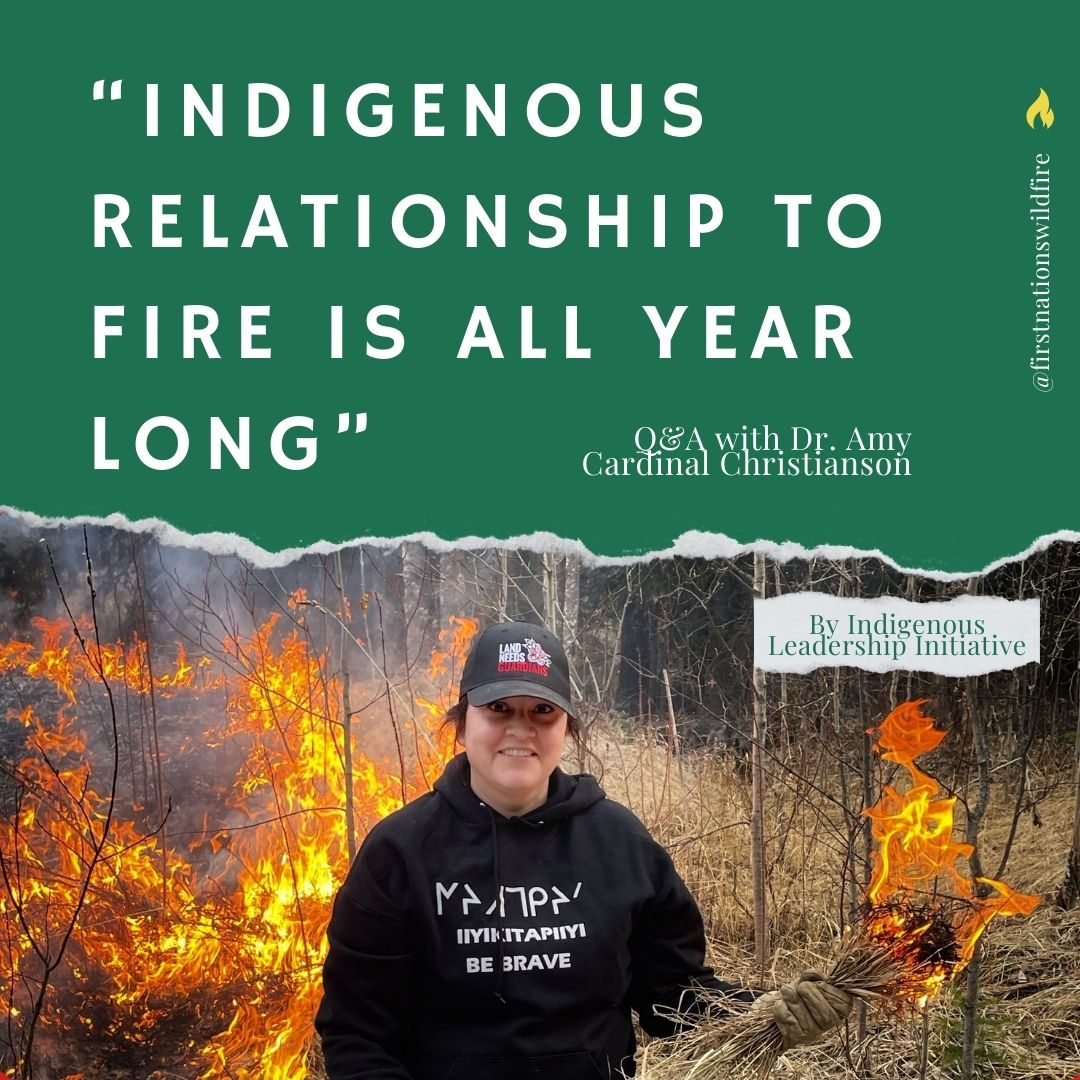
🔥 @ILInationhood featured Dr. @ChristiansonAmy in a Q&A discussing Cultural Fire's vital role in wildland management. Key points include using fire for forest regeneration and ecosystem health, with initiatives like Muskrats to Moose showcasing successful cultural burns.
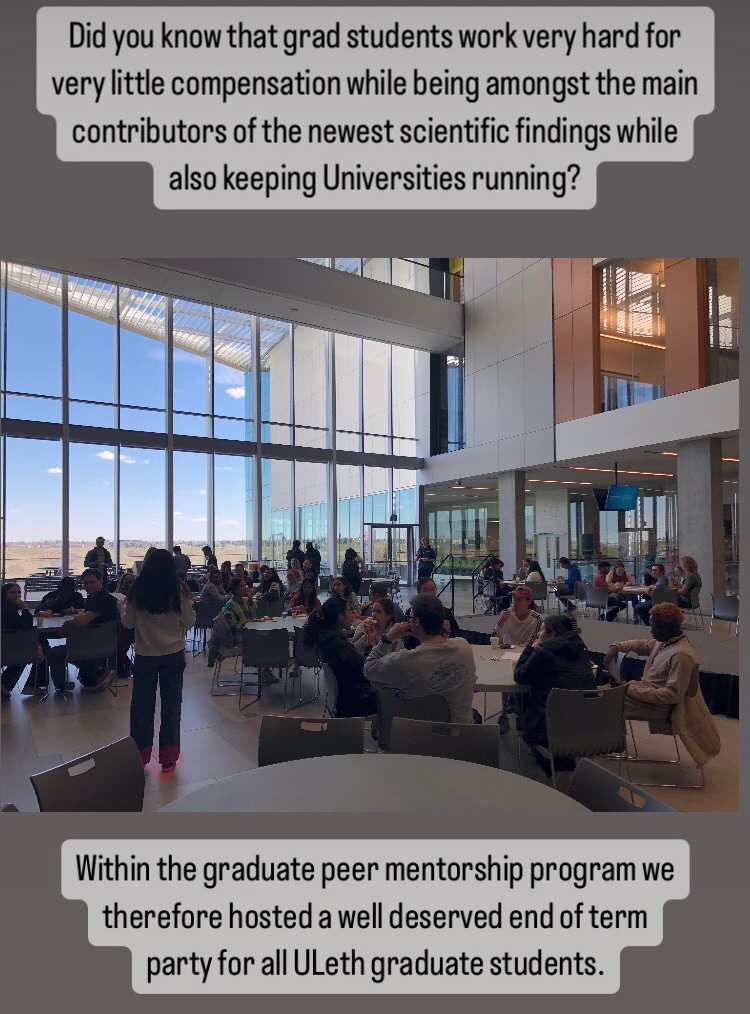
Glad to be part of the Graduate Peer Mentorship Program at @uLethbridge where we support positive change towards a well connected and supported grad student community.
72 students attended the event and got a chance to relax, eat, and meet peers - a deserved little break.
OUT NOW
Shortening fire return interval predisposes west-central Canadian boreal peatlands to more rapid vegetation growth and transition to forest cover
📑 https://t.co/wJiXgNmC01 @ERSPeat@em_ajone@ulethbridge
Excited to announce this publication! Our peatland map for the Canadian boreal forest is now available as open data (https://t.co/jNVjEBlcdT). We hope this will facilitate further research in ecology, wildfire management, carbon accounting, and more!
🗞️
"Supervised terrestrial to airborne laser scanner model calibration for 3D individual-tree attribute mapping using deep neural networks" ⤵️
@uLethbridge
With #NSERCsupport.
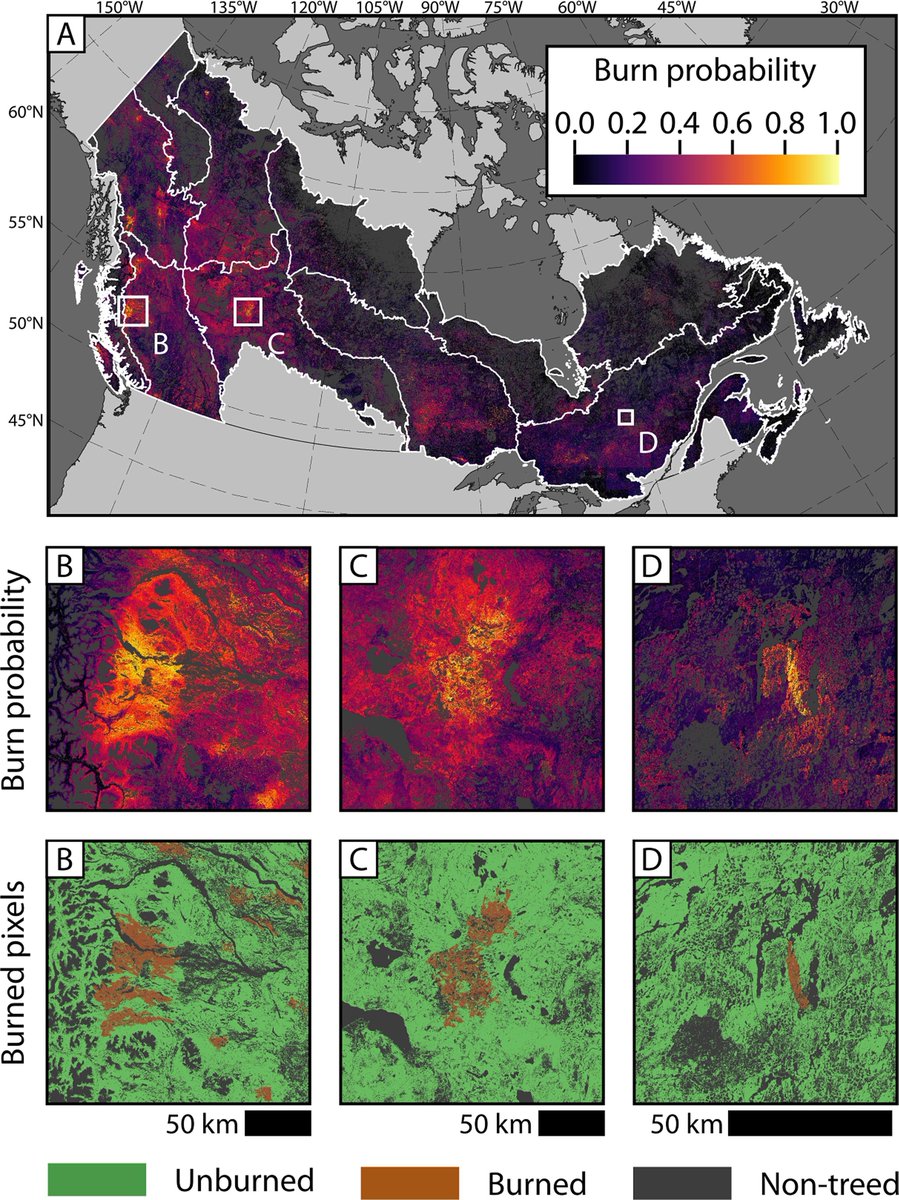
Where & how much #wildfire can be expected?🌲🔥
We use #timeseries#Landsat, #climate, biotic & topographic predictors to model.
Mulverhill et al. Multidecadal mapping of status and trends in annual burn probability over Canada’s forested ecosystems.
🔗https://t.co/m0YFIbeVJ5
I'm hiring a masters or PhD student (fully funded) interested in groundwater vulnerability in northern communities impacted by permafrost thaw! Join our growing groundwater research team @queensu.
Please share! @cpa_acp@PYRN_official@IAH_ECHN_Canada@ehPECS
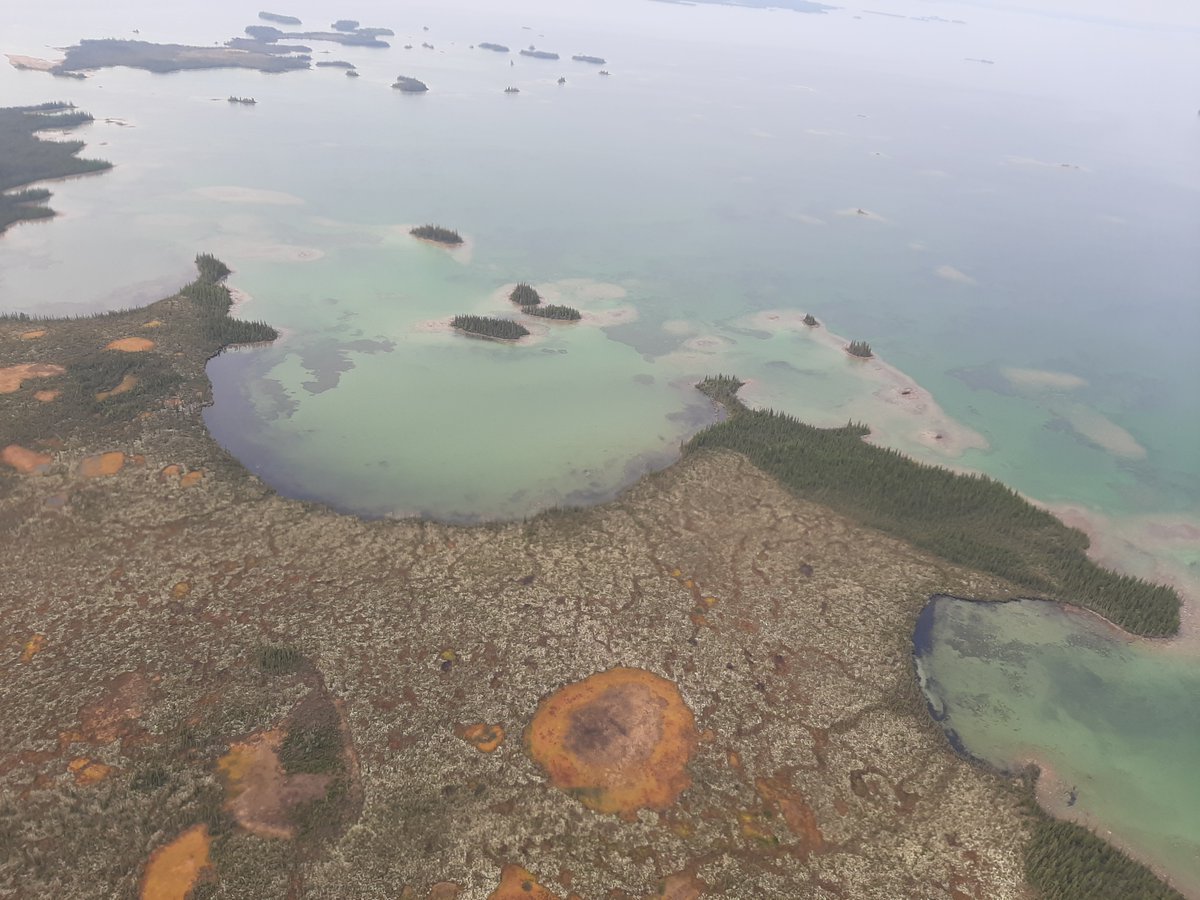
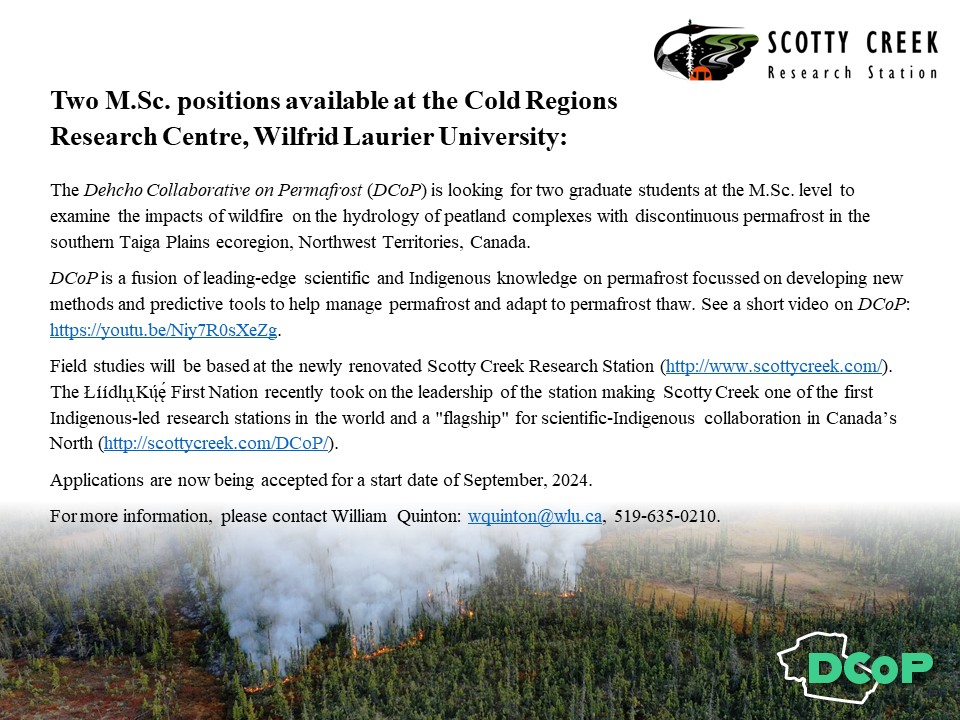
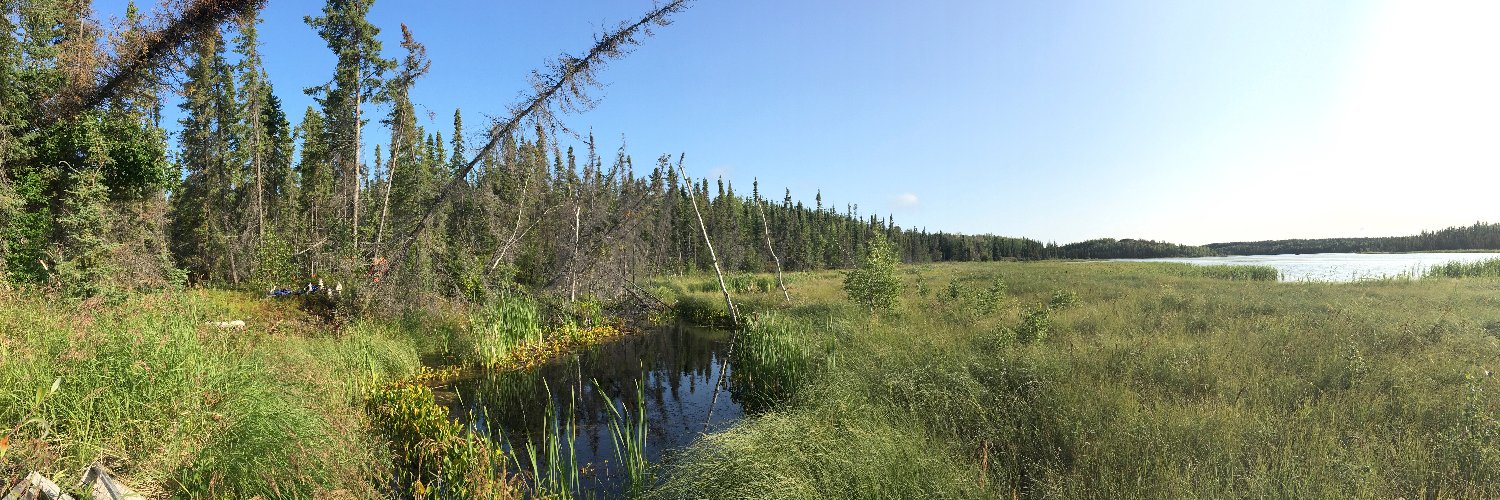
New graduate student opportunities at the Cold Regions Research Centre to study the eco-hydrological impacts of #wildfire at Scotty Creek, #NWT, Canada: