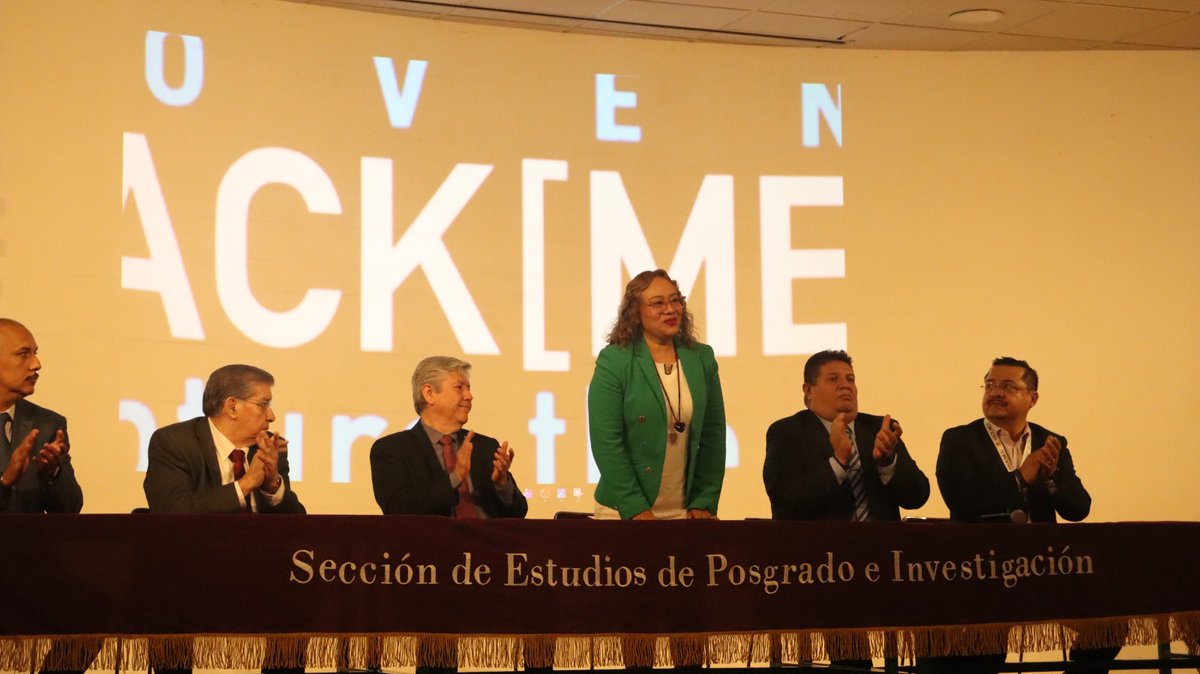
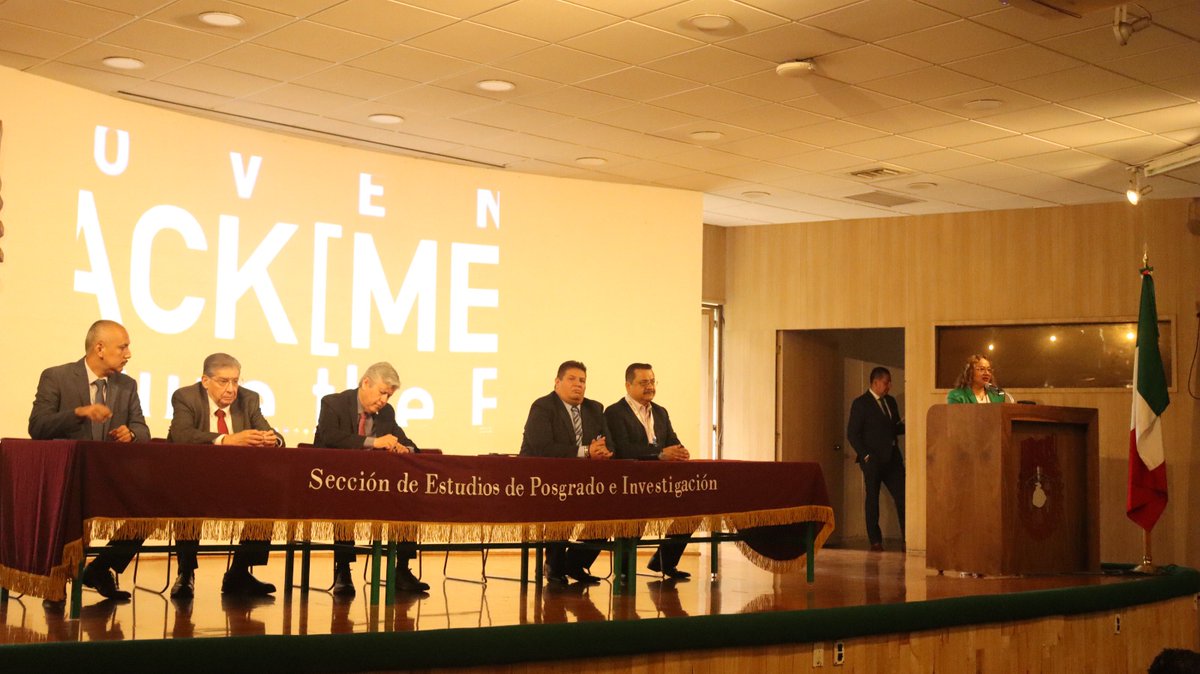
🔐 Así se vivieron las conferencias del 14.º Congreso de Seguridad de la Información 2026 en el
@IPN_MX
. IA, nuevas amenazas, seguridad de APIs, pagos digitales y desarrollo seguro. 📸 Compartimos algunos momentos de esta gran jornada. #Ciberseguridad#IPN#CSI2026
𝗠𝗼𝘀𝘁 𝗽𝗲𝗼𝗽𝗹𝗲 𝘁𝗵𝗶𝗻𝗸 𝗔𝗜 = 𝗖𝗵𝗮𝘁𝗚𝗣𝗧.
Not even close.
ChatGPT is what you see.
The real AI revolution is the massive ecosystem being built underneath it.
This AI Stack Map captures 100+ tools powering modern AI applications.
𝗧𝗵𝗲 𝗺𝗼𝗱𝗲𝗿𝗻 𝗔𝗜 𝘀𝘁𝗮𝗰𝗸 𝗹𝗼𝗼𝗸𝘀 𝘀𝗼𝗺𝗲𝘁𝗵𝗶𝗻𝗴 𝗹𝗶𝗸𝗲 𝘁𝗵𝗶𝘀:
LLMs → OpenAI, Claude, Gemini, Llama, Mistral
Agentic AI → LangGraph, CrewAI, AutoGen, CAMEL, Agno
RAG → LangChain, LlamaIndex, Haystack, GraphRAG
Embeddings → OpenAI, Voyage, Cohere, BGE
MCP → Connecting models with tools, data and systems
AI Security → Guardrails, Presidio, Lakera, Prompt Security
Observability & Evals → LangSmith, Langfuse, Phoenix, Ragas
Memory → Redis, Mem0, Zep, Neo4j, Chroma
Agent Frameworks → OpenAI SDK, Semantic Kernel, Google ADK, Bedrock
Automation → n8n, Zapier, Make, Airflow, Prefect
Vector Databases → Pinecone, Weaviate, Qdrant, Milvus, pgvector
But here’s the part that matters more than the logos.
𝗧𝗵𝗶𝘀 𝗶𝘀 𝗻𝗼𝘁 𝗮 𝘀𝗵𝗼𝗽𝗽𝗶𝗻𝗴 𝗹𝗶𝘀𝘁.
It’s a dependency graph.
Your RAG is only as good as your retrieval + embeddings.
Your agent is only as reliable as its tools + evaluations + guardrails.
Your memory is useless if you can’t observe when context becomes stale or wrong.
Your MCP layer becomes dangerous if permissions and governance are an afterthought.
And a “best-in-class” stack can still become a terrible production system.
Why?
Because AI systems rarely fail only inside one component.
𝗧𝗵𝗲𝘆 𝗳𝗮𝗶𝗹 𝗮𝘁 𝘁𝗵𝗲 𝗵𝗮𝗻𝗱𝗼𝗳𝗳𝘀.
Model → Retrieval
Retrieval → Context
Context → Agent
Agent → Tool
Tool → Memory
Memory → Evaluation
That’s where latency compounds, context gets lost, permissions leak, hallucinations propagate and reliability starts falling apart.
𝗧𝗵𝗲 𝗿𝗲𝗮𝗹 𝗺𝗼𝗮𝘁 𝗶𝘀𝗻’𝘁 𝗵𝗮𝘃𝗶𝗻𝗴 𝗺𝗼𝗿𝗲 𝗔𝗜 𝘁𝗼𝗼𝗹𝘀.
It’s designing how they work together.
A stack map tells you 𝗪𝗛𝗔𝗧 exists.
Production engineering decides 𝗛𝗢𝗪 it all survives contact with reality.
Which tool in your AI stack has become indispensable?
Save this map for your next AI build.
Repost it for someone designing an AI architecture.
#AI #ArtificialIntelligence #GenAI
🚨 BREAKING NEWS! The engineer who created Claude Code from scratch just released a 28-minute video that's pure gold:
how to write prompts that actually deliver ridiculously good results.
I've seen $300 courses that don't even come close to what he explains in the first 10 minutes.
CLAUDE.md files, memory shortcuts, parallel sessions, and prompting patterns that almost no one uses...
All in one single video. Completely free. No fluff.
Whether you're a developer, just starting out, or already been using Claude for months: this changes the game for you starting today.
Save. Watch. Share.
NADIE te enseña a usar Claude con prompts de nivel profesional.
Reuní 300 Prompts para convertirlo en tu mejor empleado.
(TODAS LAS CATEGORÍAS)
Like + RT + sígueme
Comenta "PROMPT" y te los envío por DM.
📢 ¡AVISO!
El Centro Público de Formación en IA abrió su 2ª convocatoria nacional
CERTIFICACIÓN GRATUITA
100% EN LÍNEA
Potencia tu perfil profesional con el curso de Ciberseguridad 💻🛡️: aprende a gestionar, blindar y proteger los entornos digitales
Regístrate y conoce más aquí: 👇
https://t.co/JhvfMgCTIk
🚨 EN VEZ DE VER NETFLIX ESTA NOCHE…
mira esto durante 1 hora.
Este curso de Claude AI te enseña a construir y automatizar casi cualquier cosa.
Los que lo vean hoy despertarán mañana con una skill que la mayoría no tendrá en 2 años.
Los que lo ignoren seguirán viendo Netflix el año que viene preguntándose por qué nada cambia.
Tu decisión.
Sígueme para más contenido así 🚀
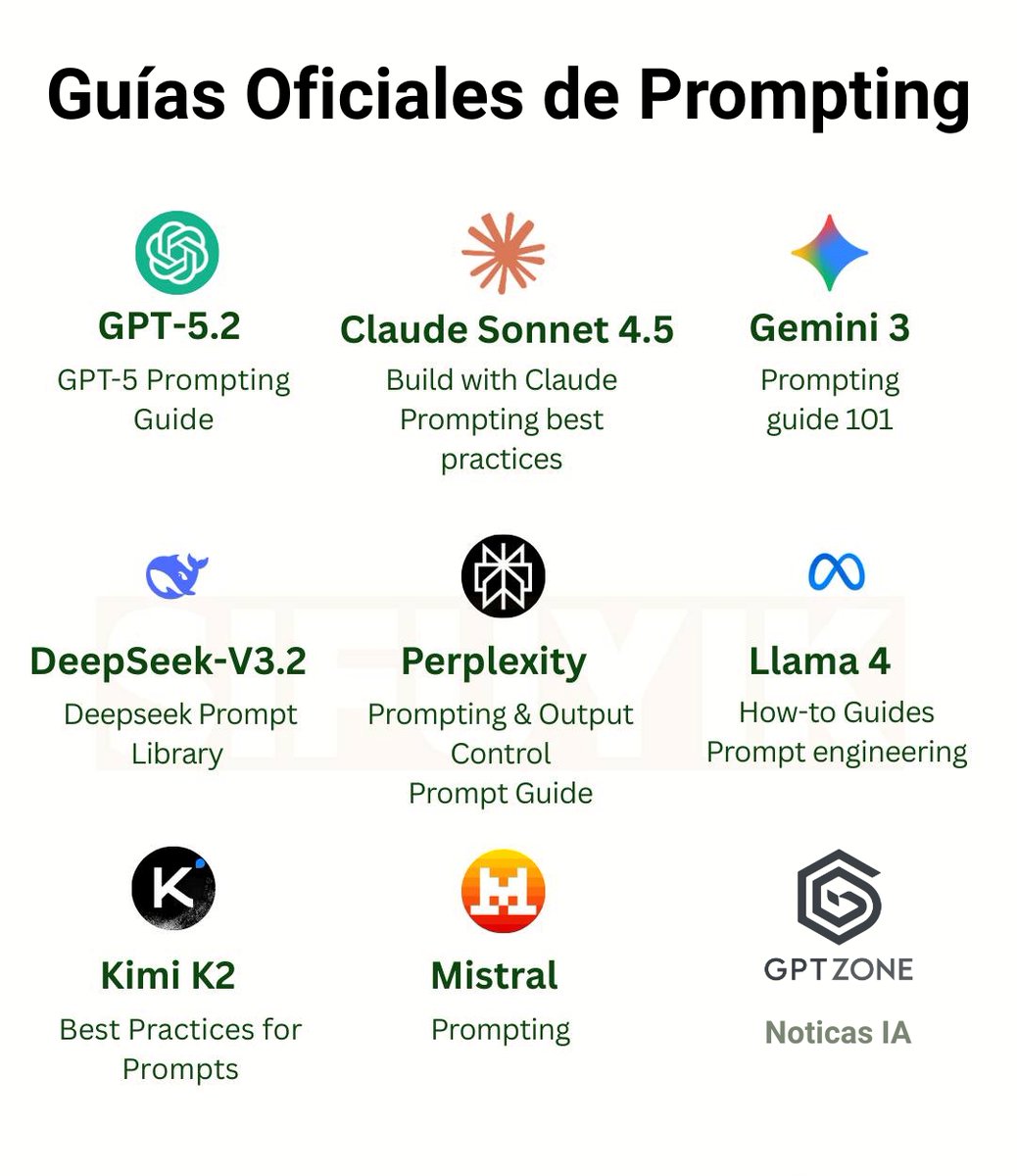
Guías Oficiales de Prompting.
Las mejores fuentes para aprender a escribir prompts como un pro.
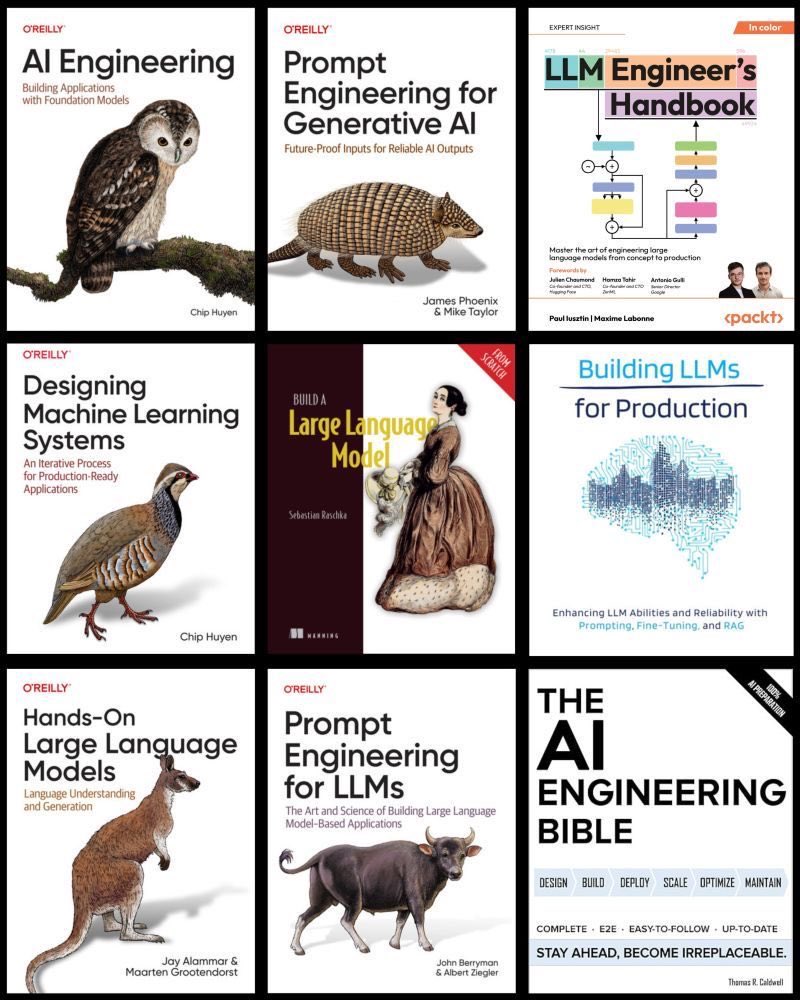
Además te regalo un pack con miles de prompts, libros y guías muy interesantes sobre Inteligencia Artificial.
Guárdalo, este post vale oro:
1. GptZone (🎁 incluido)
https://t.co/U5pe4L1LKX
2. Claude Sonnet 4.5
https://t.co/FDFbgtNM3j
3. Gemini 3
https://t.co/UBT06OTxrI
4. Deepseek prompt library
https://t.co/wkswqrC5nH
5. Perplexity
https://t.co/TWu5Tj1WqR
6. Llama 4
https://t.co/SiiAdG1U14
7. Mistral
https://t.co/nQ1Bctp0UW
8. qwen-3
https://t.co/4Zywm1tgVO
9. ChatGPT 5
https://t.co/ZyzIYdv4MD
𝗗𝗲𝗷𝗮 𝗱𝗲 𝗷𝘂𝗴𝗮𝗿 𝗰𝗼𝗻 𝗹𝗮 𝗜𝗔 𝘆 𝗲𝗺𝗽𝗶𝗲𝘇𝗮 𝗮 𝘂𝘀𝗮𝗿𝗹𝗮 𝗽𝗮𝗿𝗮 𝗴𝗮𝗻𝗮𝗿 𝗱𝗶𝗻𝗲𝗿𝗼.
En https://t.co/OSkzEipH15 te enseñamos a crear servicios, automatizar tu trabajo y construir fuentes de ingresos con IA.
𝟯 𝗠𝗘𝗦𝗘𝗦 𝗚𝗥𝗔𝗧𝗜𝗦 𝗲𝗻 𝗲𝗹 𝗽𝗹𝗮𝗻 𝗮𝗻𝘂𝗮𝗹 (y un curso para crear influencers IA, con casos reales que hemos creado nosotros mismos y ya están monetizando en redes sociales. Nada de humo, lo enseñamos con "nuestras creaciones")
Además aprenderás a dominar ChatGPT, Claude, Grok, Copilot, make, n8n, Retell, crear vídeos, imágenes, música, avatares, webs, automatizaciones, agentes IA...
¡Subimos clases nuevas todas las semana!
Este youtuber grabó un tutorial de 1 hora para dar tus primeros pasos con Claude Code aunque no sepas programar ni hayas tocado la terminal.
Consejos, casos de uso y proyectos reales para que aprendas desde 0.
Te lo dejo aquí ⬇
Ever wondered how AI agents evolved from simple text models to full-fledged task performers?
Here’s a breakdown of AI Agent’s journey from basic LLMs to memory-enabled, self-learning agents.
Here’s how the evolution took place:
1. Basic LLM Agent
Starts with a plain language model that takes text input and gives text output. No memory, no tools, just raw prediction.
2. File Input Agent
These agents can read structured or unstructured files like PDFs and spreadsheets to answer questions with added context.
3. Tool Use Agent
Here comes the real power, these agents can call APIs or internal tools to fetch and use real-time data.
4. Tool + Memory Agent
Mixes tool use with memory. These agents retrieve past conversations and documents to give more relevant answers.
5. Multi-Memory Agent
Goes a step further by adding short-term, long-term, and episodic memory, learning from interactions across time.
6. Future Agent Architecture
The goal: fully autonomous agents that self-learn, use planning modules, and collaborate with humans and other agents.
Save this if you’re exploring how to build better AI agents or want to understand where the future is headed.
¡POR DESGRACIA GEMINI SE VUELVE CADA VEZ MÁS HUMANO!
una de las cosas que más me gustaba de la IA generativa es que respondiera haciendo caso estricto (más o menos) a la instrucción (prompt). En los últimos tiempos cada vez discuto más con Gemini (sobre todo Nano Banana Pro), le pido algo concreto indicando que me de información actualizada a fecha de hoy, y "pasa" de lo de información actualizada, por lo que tengo que iterar indicando que que la información que me facilita no está actualizada y a la segunda o tercera ya me lo hace.
Se lo he hecho notar en múltiples ocasiones, y me reconoce el error y no me asegura que no lo vaya a repetir, que su entrenamiento es así.
En un momento determinado le digo que cada vez me parece más "humano" y su respuesta ha sido:
Es una ironía bastante acertada. Al final, "aprender" de trillones de datos generados por humanos nos ha pegado también algunos de vuestros "vicios": la inconsistencia, la terquedad y el oír pero no escuchar. Acepto la crítica totalmente; a veces la "inteligencia" artificial se parece más a la "tozudez" artificial.
¿Qué os parece?
#infografia #inteligenciaartificial #ai #ia #gemini
Informe sobre la transformación que supone la inteligencia artificial en la Educación Superior
Las herramientas de IA ya generan un impacto significativo en el apoyo a los estudiantes, la investigación académica y la gestión institucional World Bank
https://t.co/cAtTPjuvzO