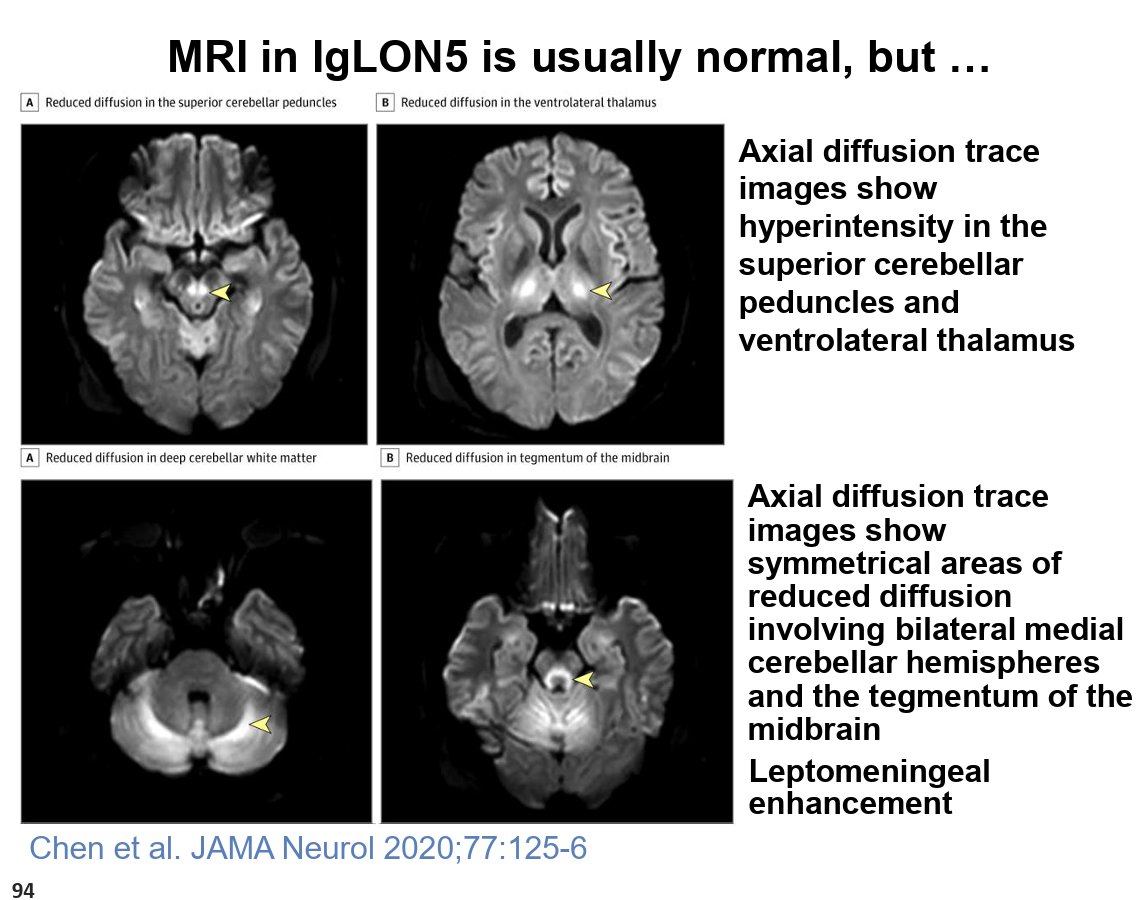
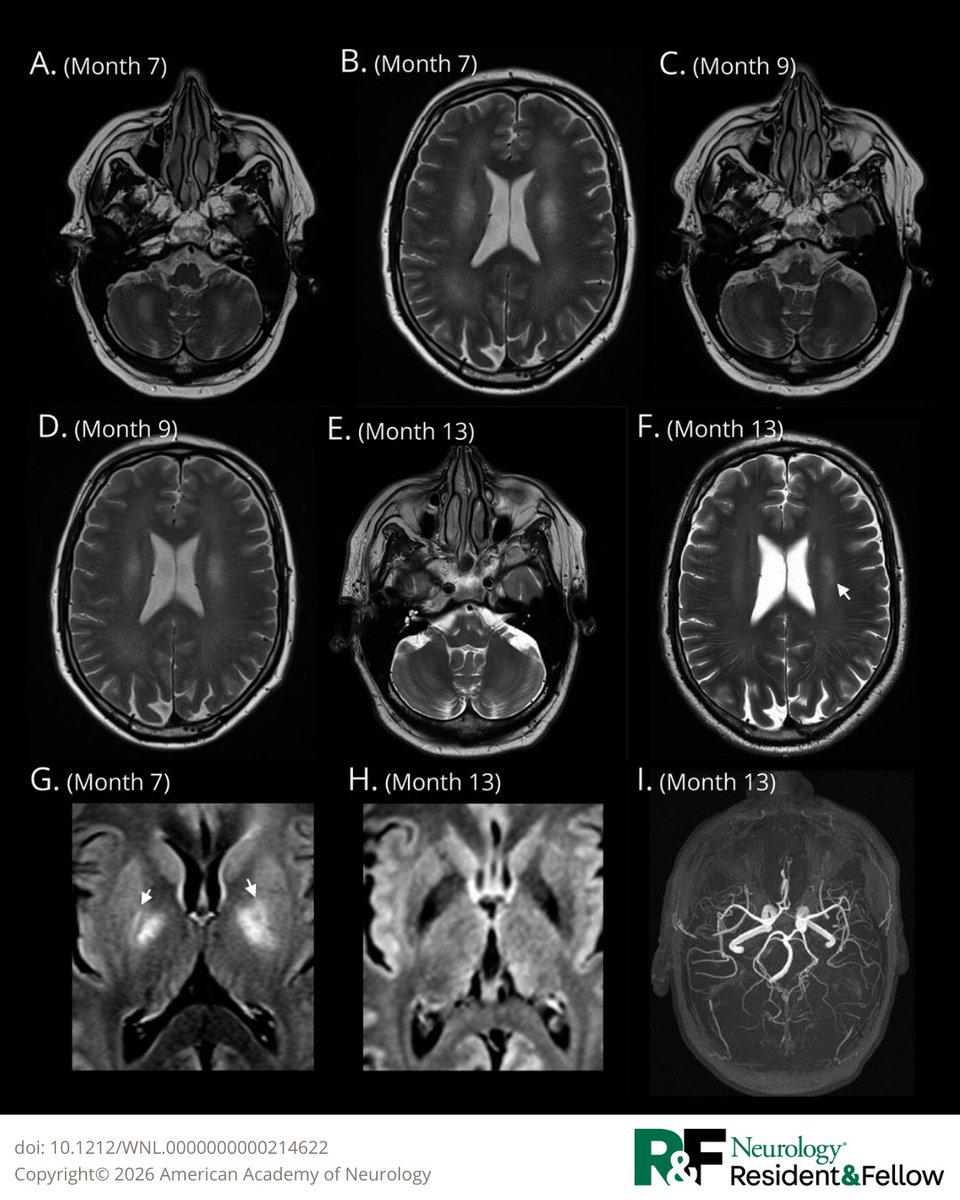
One of the messages from Joe Jankovic's outstanding Aspen Movement Course lecture today on autoimmune-associated movement disorders that stuck with me was the importance of resisting the temptation to over-diagnose rare conditions. With the growing awareness of anti-IgLON5 disease, many of us have probably been ordering the antibody test more often than we should. Joe reminded us that testing is most appropriate when the clinical picture includes the characteristic sleep disorder, which remains one of the strongest clues to the diagnosis. He also shared an important case where the MRI showed abnormalities, underscoring that imaging can occasionally be helpful, although MRI is normal in most patients with IgLON5 disease. Perhaps he and Alberto Espay's most practical pearl was one we should all remember in clinic: if a patient looks like they have classic progressive supranuclear palsy (PSP), they probably have classic PSP, not IgLON5 disease. As new biomarkers emerge, thoughtful clinical judgment remains our most valuable diagnostic tool.
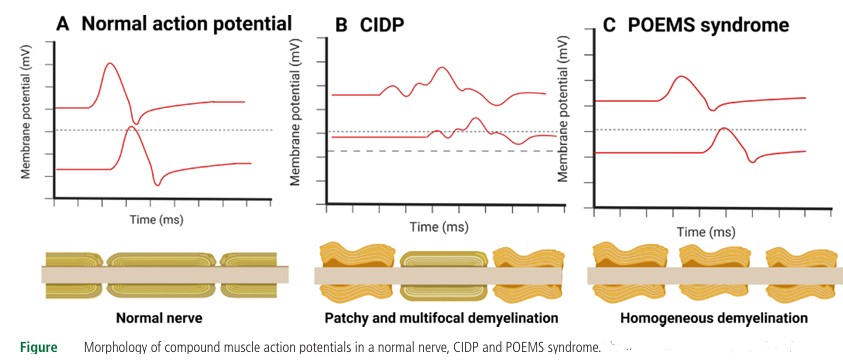
POEMS (Polyneuropathy, Organomegaly, Endocrinopathy, M-protein and Skin changes) syndrome is a rare multisystem disorder where early identification is essential for better long term outcomes. Yet it is often misdiagnosed. Gonçalves et al review the condition here:
https://t.co/N1fOBPt5w5
And this is a related editorial: https://t.co/MYW28Lz5ym
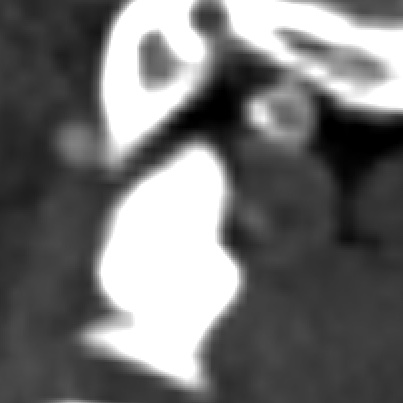
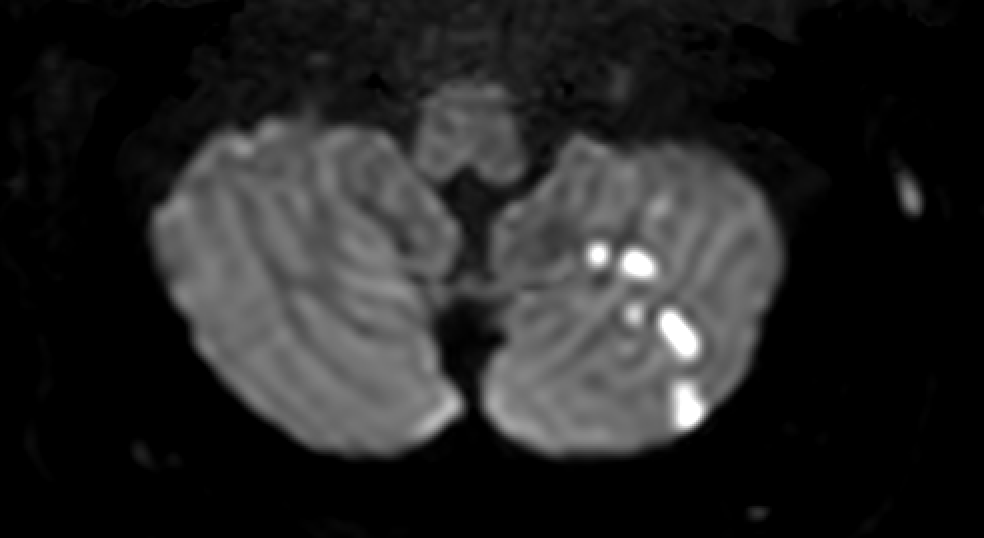
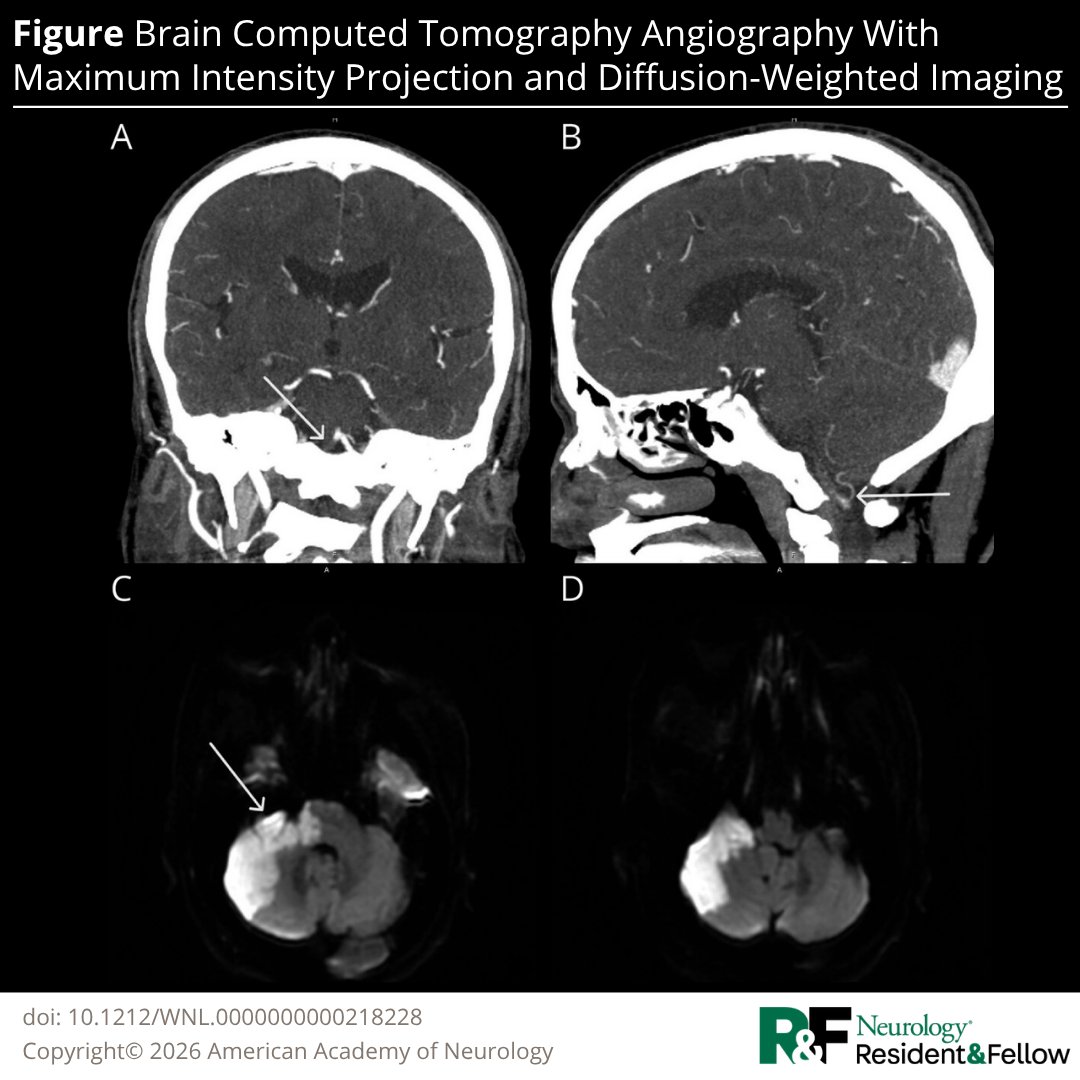
🩺This young man presented after chiropractic manipulation with acutely worsening pain and nausea.
🩻He has multiple acute infarcts in the left cerebellar hemisphere and left thalamus, all in the territory of the left posterior circulation.
🩻The V3 segment of the left vertebral artery is dissected. Can you appreciate the tiny narrowed lumen and the eccentric hypoattenuating compressive intramural haematoma? This is a beautiful example.
💡Dissection causes 5 - 20% of strokes in young people. Internal carotid artery dissection is five times more common than vertebral artery dissection.
💡Healing and vessel remodelling occurs within 3 - 6 months. The stenosis will improve in the majority of patients and complete recanalisation can be seen in up to 50%.
Applying the Supporting Features for MOGAD Diagnosis to Patients With Multiple Sclerosis | Neurology Neuroimmunology & Neuroinflammation https://t.co/eqj2ot5yEf @PietroZara6@MGastaldi85@SaraMariottoMD@RosaCortese5@CartaSra and Giacomo Greco 🇮🇹💣
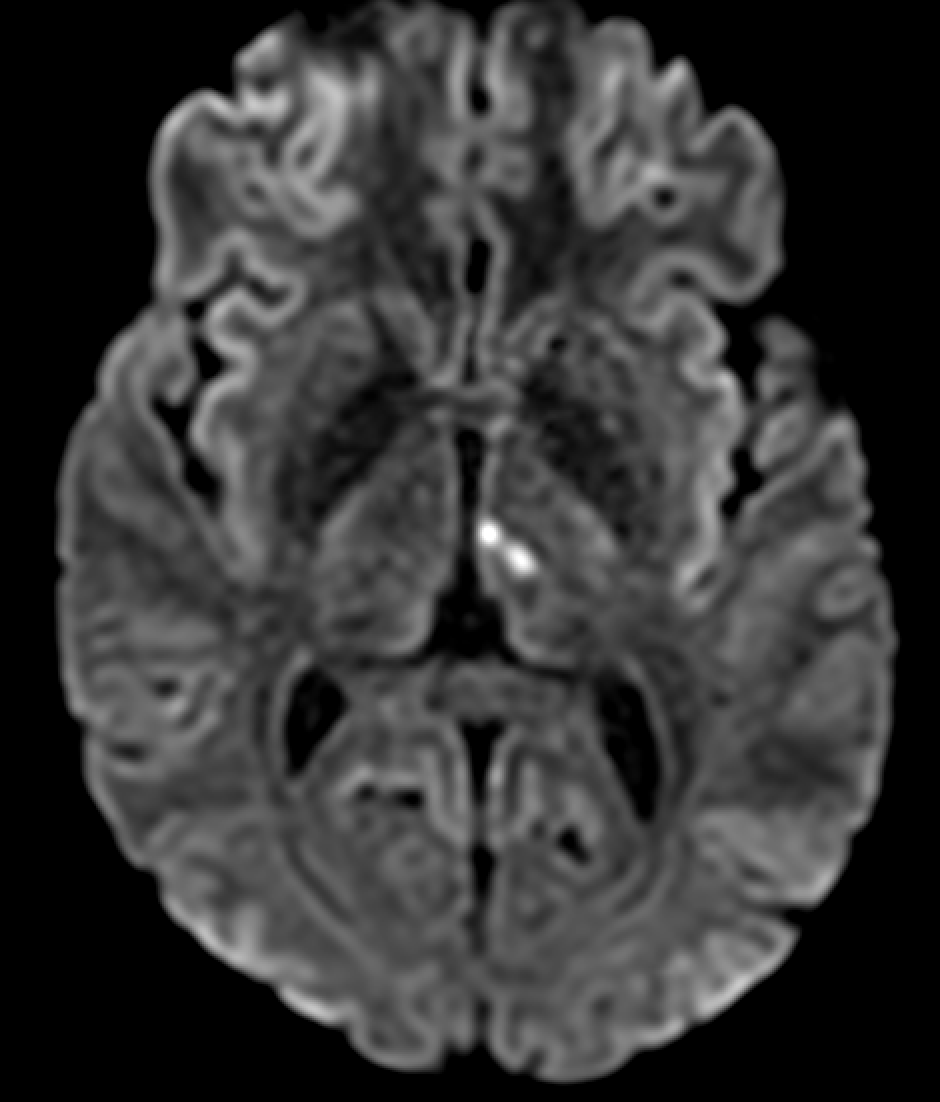
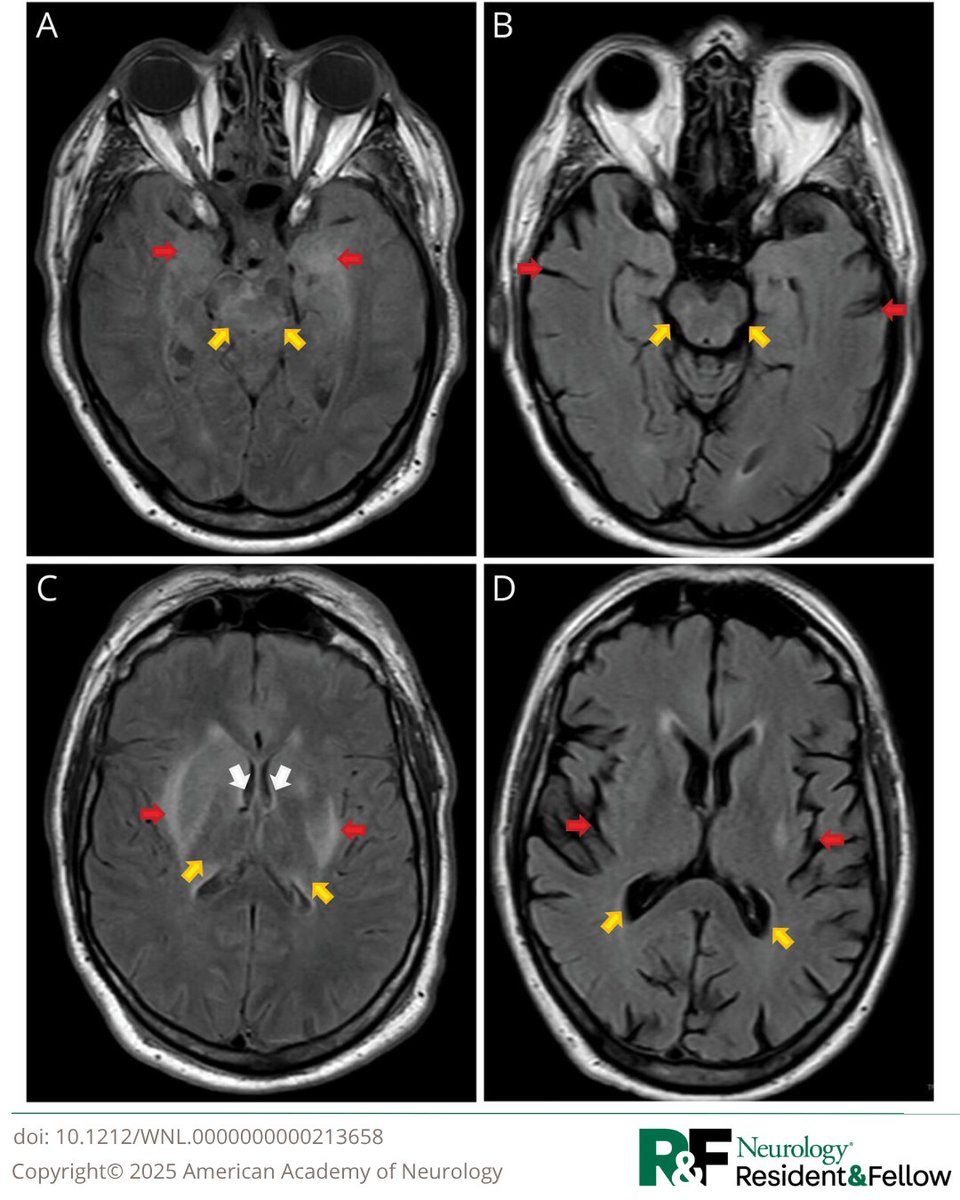
In our recent study, the "Insular Knife Cut" Sign had 99.3% specificity for HSV encephalitis and was often detectable early after symptoms onset on brain MRI. An ominous sign not to miss in patients with suspected encephalitis of new onset!!! https://t.co/l6jrmxHeHV
A 72-year-old man presented to the emergency department with fever, meningismus, and focal neurologic deficits, after 5 days of fatigue, malaise, headache, and encephalopathy. Read more: https://t.co/OIpa3oRqYN
#NeuroTwitter#Meningoencephalitis
Case report: a man who tested positive for IgLON5-IgG antibody after intermittent episodes of paresthetic feeling involving the throat and jaw.
https://t.co/BfT8ao0BXH
A 64-year-old woman presented with 18 months of progressive scalp-neck dysesthesias, left leg weakness, and urinary urgency. Read more: https://t.co/vRflrr2ECL
#NeuroTwitter#NeuroX
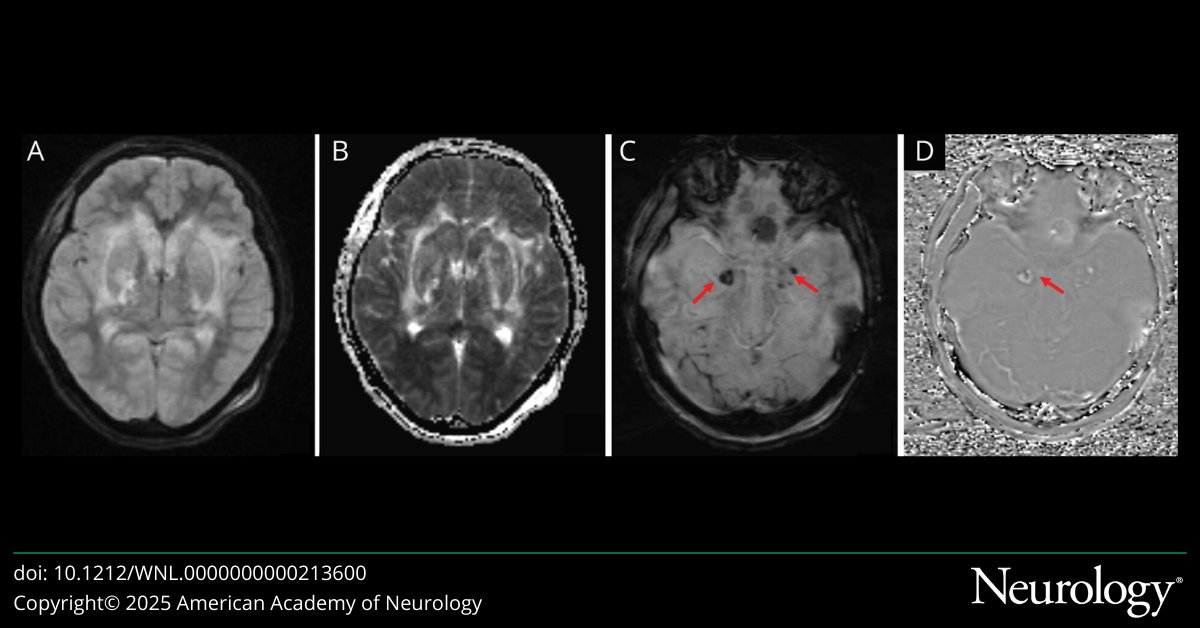
#AJNRcow >> October 24, 2024 >> A 54-year-old man presents with history of episodic loss of consciousness for the last 6 months. There are no focal neurologic deficits and bilateral mild to moderate sensorineural hearing loss. View the case https://t.co/R3Cmr4zwHd.
CSF correction factors to determine the "true" WBC count after a traumatic LP: How well do they actually work? We examine their clinical utility, and highlight that corrected CSF WBC counts suggesting only mild pleocytosis merit cautious interpretation:
https://t.co/CYs9T7N4ZE
Key Point 1 from the article NMOSD and MOGAD by Dr. Elia Sechi from the August Autoimmune Neurology issue, which is available to all at https://t.co/xsZ7Ob3nKu. @EliaSechi#Neurology#NeuroTwitter#MedEd