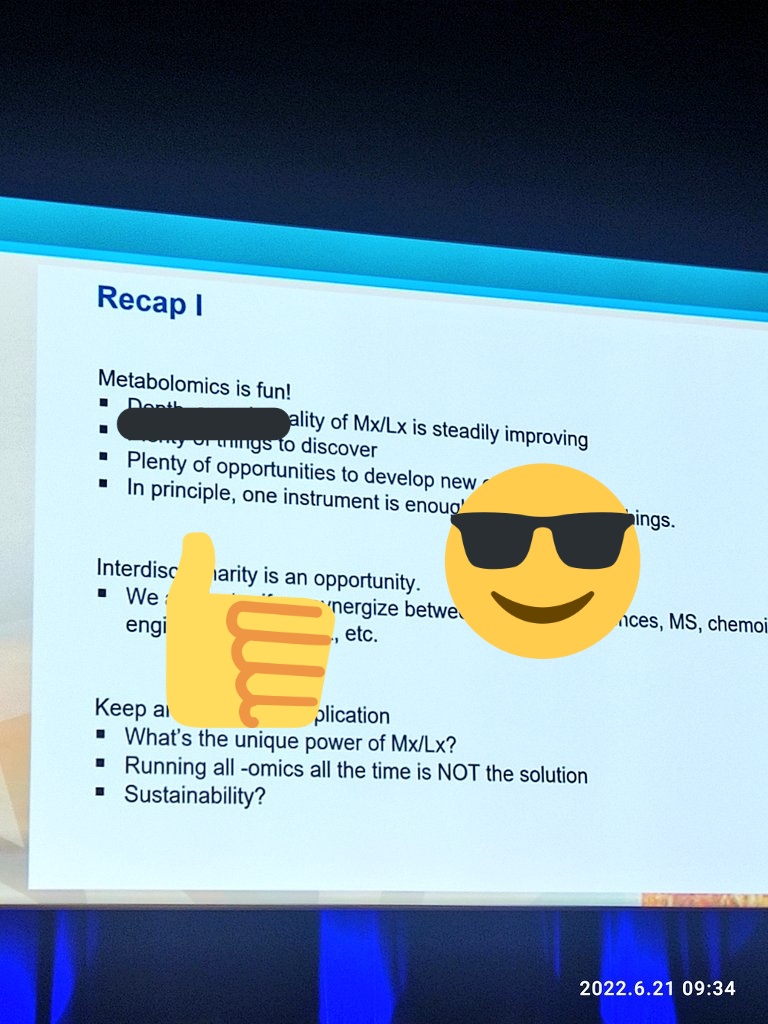
I would be happy to chat about our way to solve the SmallPolarMoleculesChallenge in Metabolomics at #MetSoc2022
So happy to see this one published!
https://t.co/L0pkeximgk
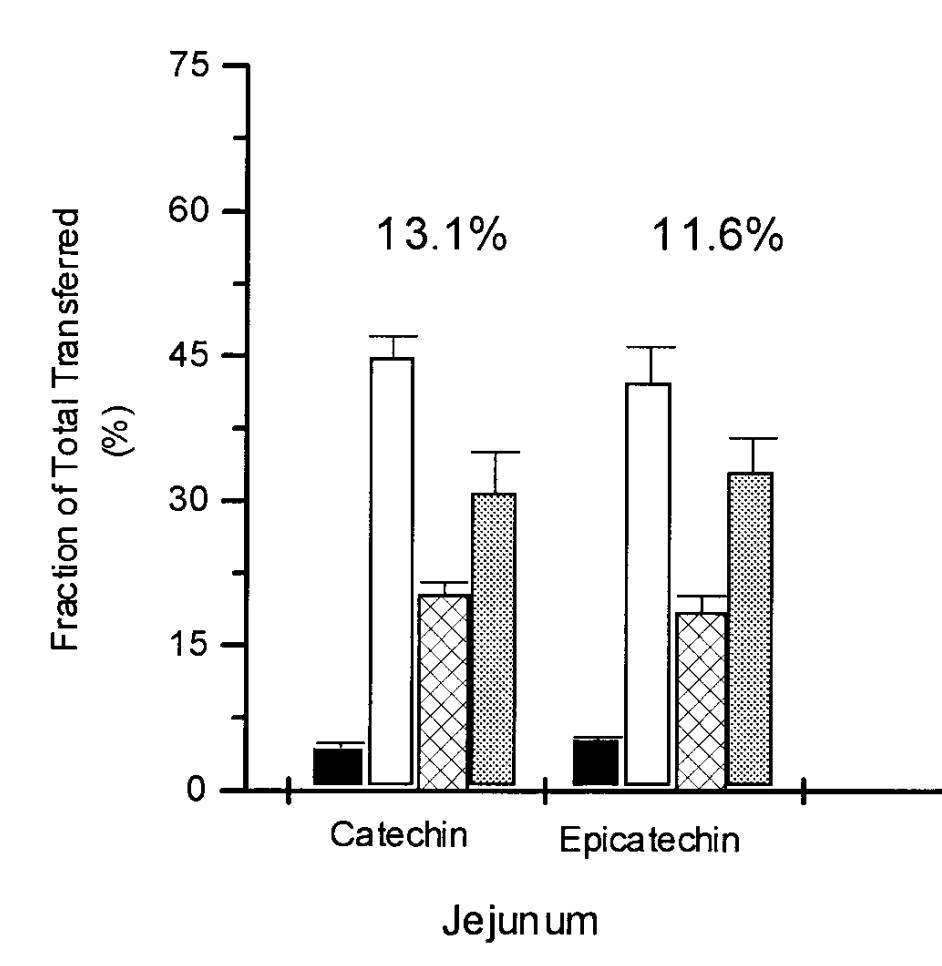
It's been more than 20 years that @Prof_JPESpencer and I showed that flavonoids are unable to act as antioxidants once they have been consumed.
Why do we still read so much about flavonoids as antioxidants?
https://t.co/wnlqoTclMQ
Paper number 5, and probably the last one, from the Sugarbiomarker Study is out now, read for free with this link until June16. I’m so proud of what we have accomplished so far and all the work the study team have done.
#biomarker
https://t.co/RGG38R4UgY
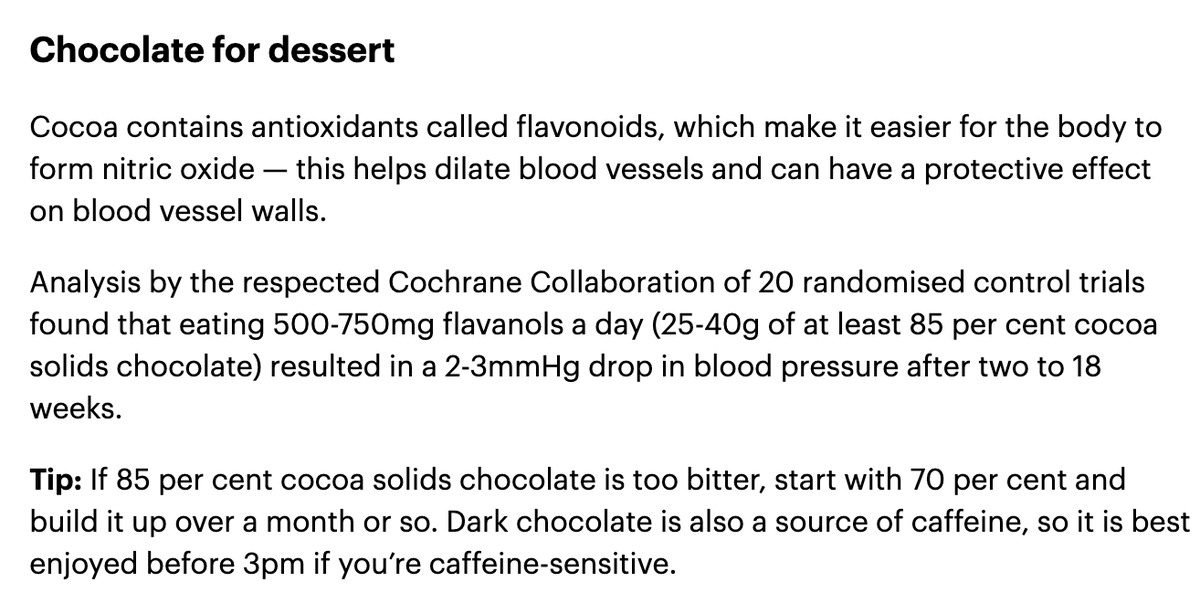
This is dangerous misinformation by @DailyMailUK and @TheGutHealthDoc: there is no evidence that chocolate has a beneficial effect on blood pressure - all evidence (including large RCTs) are on isolated compounds.
Chocolate is a very bad source of flavanols - drink tea!
This is dangerous misinformation by @DailyMailUK and @TheGutHealthDoc: there is no evidence that chocolate has a beneficial effect on blood pressure - all evidence (including large RCTs) are on isolated compounds.
Chocolate is a very bad source of flavanols - drink tea!
Thank you for inviting me for VPAP 2022. Great talks yesterday and the day before!
You can still register for this free event to listen to my talk about our targeted matabolic profiling approach.
One more week for the 3rd VPAP (2022)!
25th, 26th and 27th October 2022
Please join via zoom for the free event to share the knowledge and networking!
https://t.co/d4MeXkP4Gc
https://t.co/BoSPUW1Ob5
🚨🚨🚨Want to do #metabolomics across three different #massspec platforms? Would you like to support exciting basic and translational research in our beautiful new @MRC_LMS building? We are looking for a Metabolomics Scientist! DM for details 📊👩🔬👨🔬🧪 https://t.co/JKMwkBXBbT
Do some foods fill you up for longer? - MDR's Prof @gfrost59 comments in this interesting BBC article about how some foods promise the ability to stave off hunger pangs and whether they can any foods really suppress our appetite?
https://t.co/HrIgO0Lxx0 @ImperialNutr
@ggkuhnle Great work! Measuring bioactives, is it possible at all? As most nutrition studies using questionnaire data this topic is very important for the validity of future research! Thanks.
📢📢📢
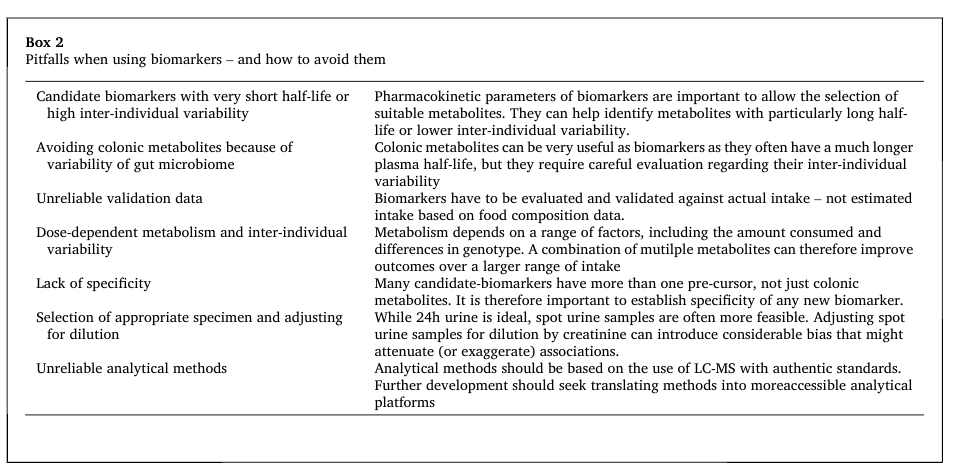
Measuring the intake of dietary bioactives: Pitfalls and how to avoid them.
Our long awaited (🧐 by whom?) review has at last been published. 🍾
We tried to address the 🐘 in the room: how can we assess intake of 'bioactives' in the diet. 🧵
https://t.co/CqMxBwdVvv
New article: Despite mounting recognition of the importance of sex consideration in the #biomedical fields, male- and female-specific metabolic signatures have not been identified. This review focuses on the #metabolic differences related to sex: https://t.co/1cBzSZklzK
The NPC team are #MetSoc2022, if you saw our Open Platform paper a few months ago and would like to chat more about it, come see Stephane who will be presenting poster #331 at session 3 and session 4 about this and how we want to grow and support annotations and method sharing
Large epidemiological and clinical studies (with over 500 individuals) published in slightly over a decade reported 191,387 glycan analyses. Genos (@GGlycoscience) performed 159,651 of these analyses. Not bad for a small lab in a small country… (to be published soon in Chem Rev)
Highlighting a new @EMN_MetSoc member!
Welcome on board @Sussypalma
"Susana, originally from Mexico, works at The Francis Crick Institute in the implementation of metabolomics workflows and SFC-MS methods. Her interest focuses on metabolic changes associated with chronic diseases