100x devs are real. Bro built a Mac app, an Android app, and looks like he figured out iOS as well...all in the same time I’ve been trying to fix a shadow on a button.
I need a break. See you Monday.
🚀One of my favorite @antigravity use cases:
Asking the agent to go to a website and identify an arbitrary number of user journeys, then asking for it to make a tutorial for all of them (screenshots and instructions). It's effectively a fast path for QA testing and creating guides!
👇You can also edit / modify any proposed plan, @GoogleDocs-style:
🤖 Synapse: Multi-Agent AI Platform
(Made by the LangChain Community)
A versatile platform featuring intelligent agents that seamlessly handle web searches, task automation, and complex data analysis through natural language interactions.
Explore the project on GitHub 🔗
https://t.co/RJcyWpCznS
Teamwork is finally fun again.
Matter by JetBrains makes product development faster, smoother and yes, more enjoyable.
Designers, PMs and devs can now build in one place, together.
Join the waitlist https://t.co/fAtL8BZXU7
Anthropic has overtaken OpenAI in enterprise LLM API market share.
OpenAI fell from 50% in late 2023 to 25% by mid-2025, which shows that brand alone does not hold share once real workloads start.
Anthropic now leads enterprise LLM API usage with 32%, while OpenAI has 25%, pointing to a real shift in how companies pick vendors.
Enterprise LLM API spend hit $8.4B in the first half of 2025.
Anthropic’s push on data controls, compliance, and clean integration with existing systems won trust, and that trust tends to decide renewals and expansions.
Claude’s recent lines, including stronger reasoning and coding, helped too, with developer code-gen share around 42% for Anthropic vs 21% for OpenAI.
Usage is shifting to inference at scale, so uptime, latency, and incident response matter more than raw benchmark wins.
Vendor switching stayed low at 11%, and 66% of teams just upgraded within the same vendor, so any share gain here is hard won.
Google sits near 20% and Meta near 9%, so this is not a 2-player market, and strengths differ by use case like agents, code, or retrieval.
Buyers now weigh cost per token, data residency, auditability, SOC reports, and fine-grained controls as much as model quality.
Multi-vendor setups are rising because they reduce lock-in and let teams route tasks to the best model for that job.
🚨Gemini 3.0 Pro - One shotted
i asked it for retro nintendo sims with games and no external assets used , it takes 1 min to output no other model have this level of consistency
Prompt and Proof of one shot in Thread and this is not the best shot , there is one more cooking with slightly different prompt
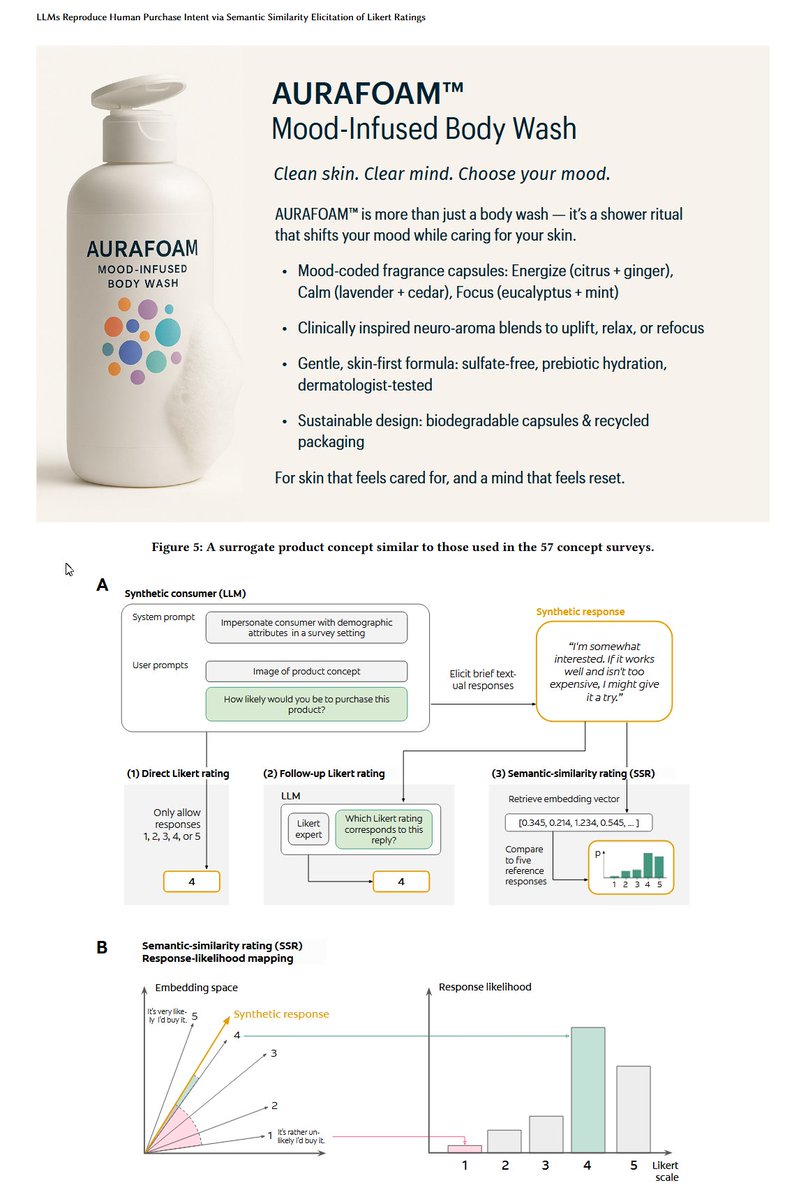
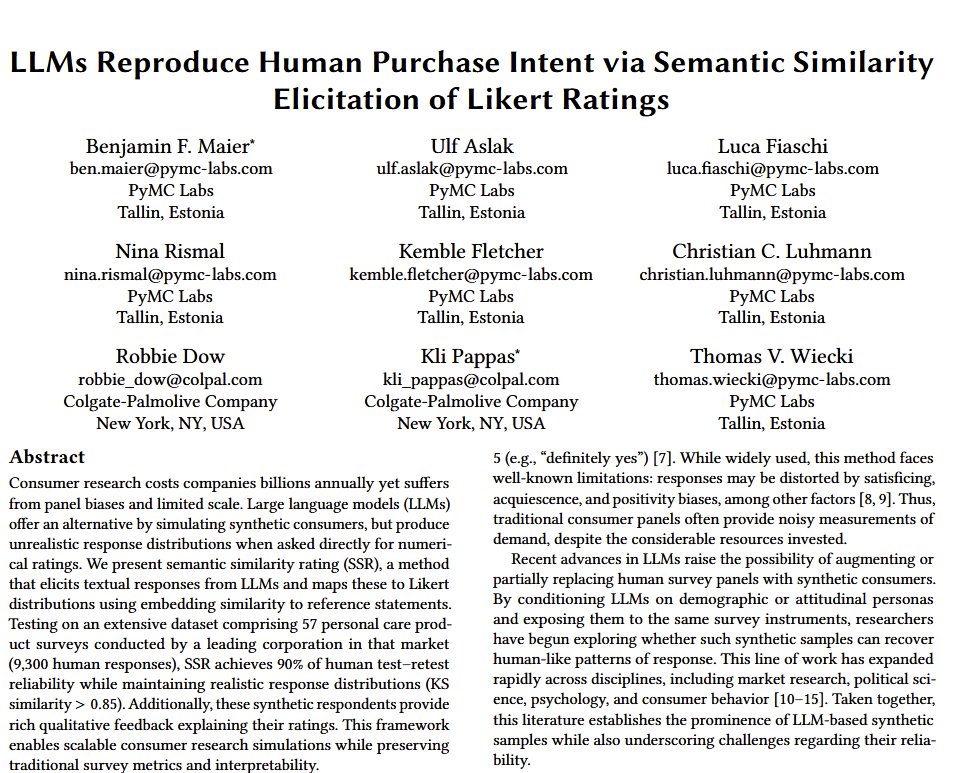
This paper shows that you can predict actual purchase intent (90% accuracy) by asking an LLM to impersonate a customer with a demographic profile, giving it a product & having it give its impressions, which another AI rates.
No fine-tuning or training & beats classic ML methods.
might be helpful → add this in your css (on the top), it'll override tailwind excess font weight on the web and the font weight will look exactly the way it is on figma.