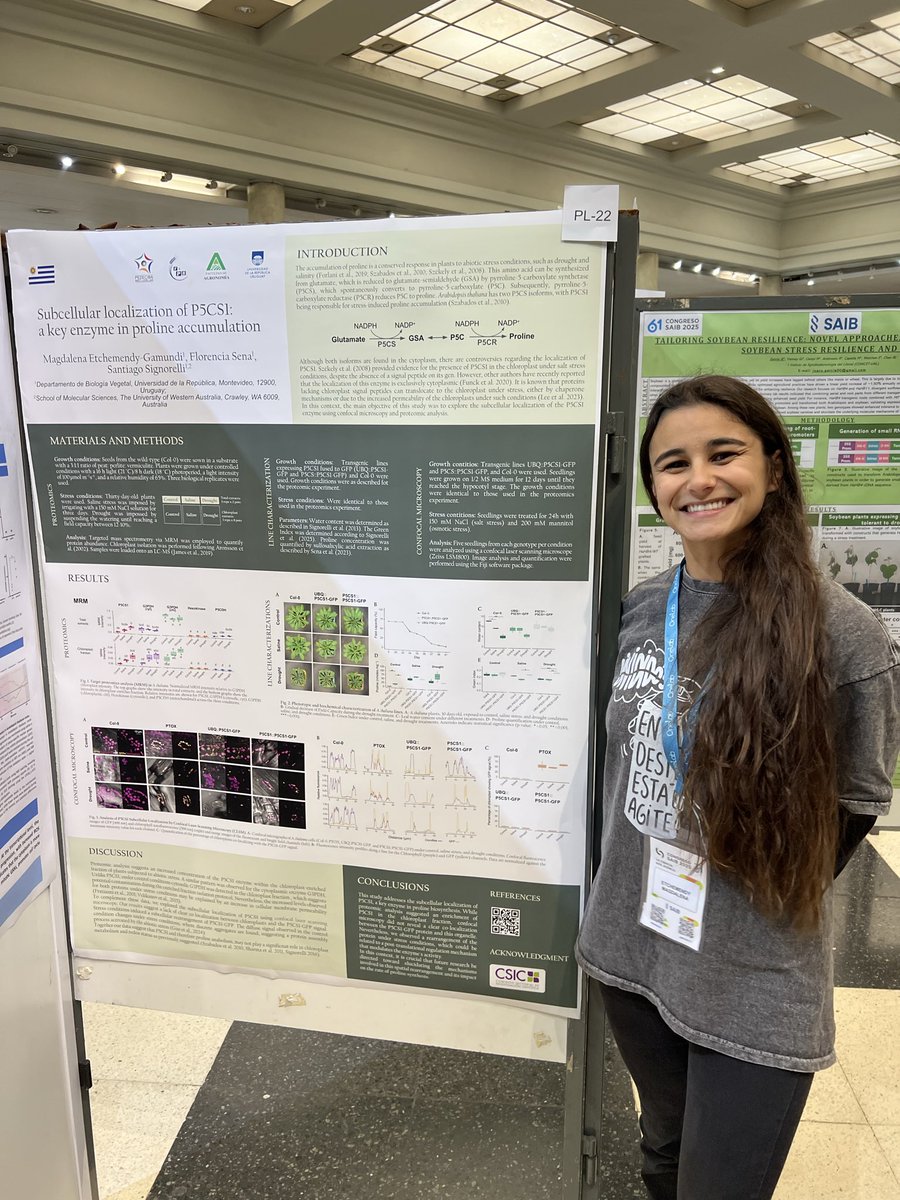
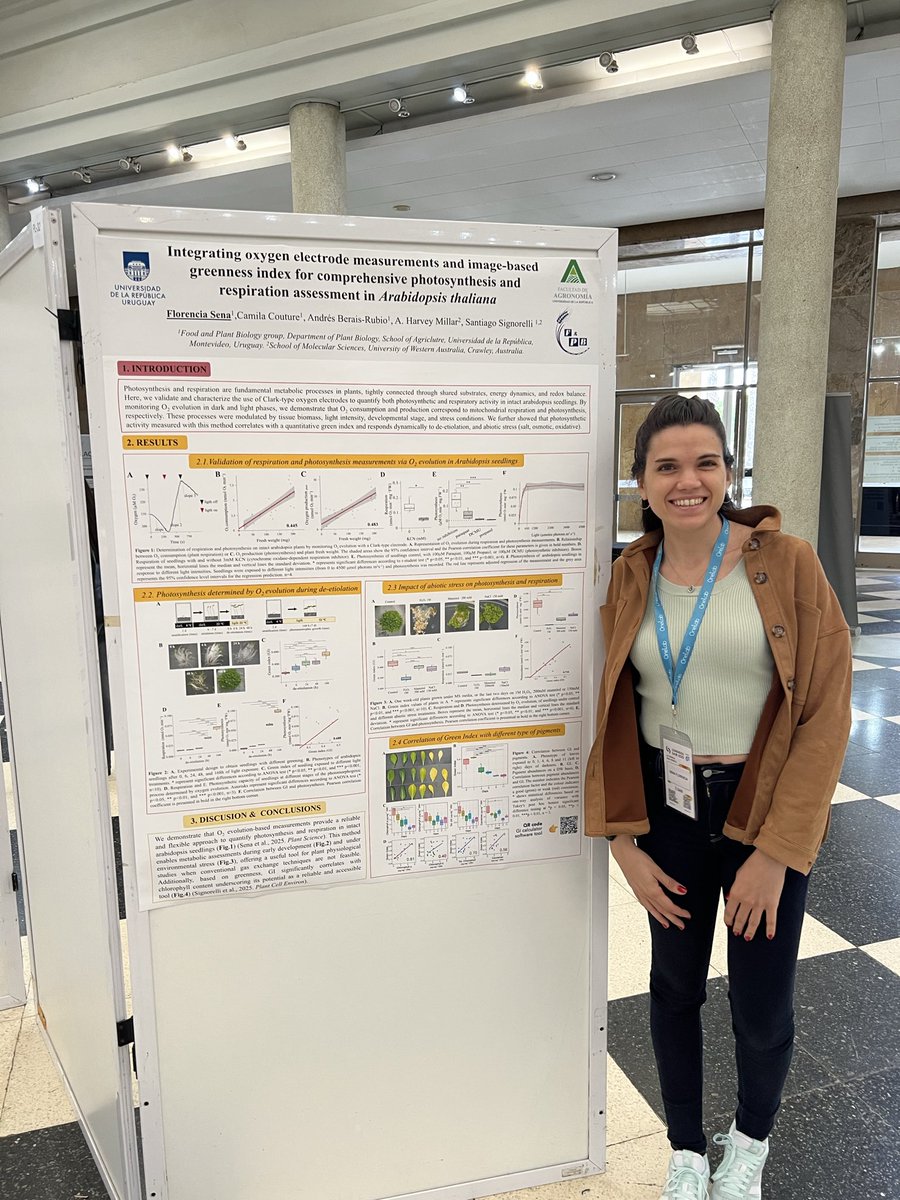
Beyond excited!! 🤩 Our group, @FnPB3, has been selected to become a Max Planck Tandem Group in Latin America.
We will share more details very soon.
Deeply grateful to all our team members and collaborators who believed in this project and made it possible. 🙏🏻
Great to see this out! 🌱📸
Go to https://t.co/SWBdTspgTS and look for the GI calculator available for Windows. Soon we will be developing Mac and Linux tools.
Stay tuned for updates in tutorial and protocol. 😎
@dounmonton@Udelaruy@FagroUdelar
🚨 Finally out in @PlantCellEnvir!
Very happy to share Green Index: a simple, open-source method to quantify leaf greenness using RGB values
✅ Correlates with chlorophyll
✅ Requires no advanced tools
✅ Free & accessible to all
🔗 https://t.co/uLO4Q2uUY3
@uwanews@ahmillar9
Today, the New England Journal of Medicine published what may be a landmark moment: doctors used customized gene editing inside a living baby to treat a deadly genetic disease called carbamoyl-phosphate synthetase 1 (CPS1) deficiency. Is it time to prepare for a world where we don’t just treat genetic diseases, we rewrite their story? Will gene editing change the future of medicine?
Key Points for the Public:
- Think of it as the first real-life genetic fire rescue; editing a baby’s DNA to prevent brain damage and death.
- They used a tool called base editing, that is considered a precise cousin of CRISPR.
- The authors corrected a disease-causing mutation in the liver using lipid nanoparticles.
- You may recognize lipid nanoparticles as the same delivery technology used in mRNA COVID vaccines.
- Their treatment was "tailor-made for a single patient."
- The personalized gene-editing drug called k-abe was made in under 6 months (incredible!).
- The single infant they used it on had a rare and fatal genetic disorder.
- So far, the treatment has been safe and effective though followup has not been very long.
- The infant tolerated more protein, required fewer medications, and recovered from infections without ammonia spikes (known to be bad for the brain).
My take: This isn’t science fiction anymore, gene editing can be performed in real-time. Gene editing is moving beyond sickle cell. Lipid nanoparticle delivery facilitates re-dosing, making it safer and more flexible. What does this mean for the future? Neurogenetic diseases could be next in line? Could we start moving into rare brain conditions in children or even adult-onset disorders like Huntington’s or inherited forms of Parkinson’s? What was cool about this study was moving from diagnosis to therapy, in just months. The platforms like this one seem to be scalable. Many diseases could share delivery systems with only the guiding RNA changing. Ethics and oversight will be critical. Safety, long-term monitoring, and clear boundaries (e.g., no germline edits) must be built into the future of this therapy. Could this change the arc of progression for many diseases? We hope this technology and approach will move from lethal newborn disorders to slowly progressive neurologic conditions. Has gene editing moved past the dream stage? Is it time to prepare for a world where we don’t just treat genetic diseases, we rewrite their story? https://t.co/1jHOp6ziiB #GeneEditing #CRISPR #Neurology #RareDisease #BaseEditing #PrecisionMedicine #NEJM #Parkinsons #Neurogenetics @ParkinsonDotOrg@FixelInstitute
Hi everyone, we created a AI-generated podcast about our research in grapevine. It is completely blow minding what AI is delivering to us.
Listen to it 👇🏻👇🏻
https://t.co/NPSNTgpe7T
Credits to: NotebookLM
A year full of visitors! 💫
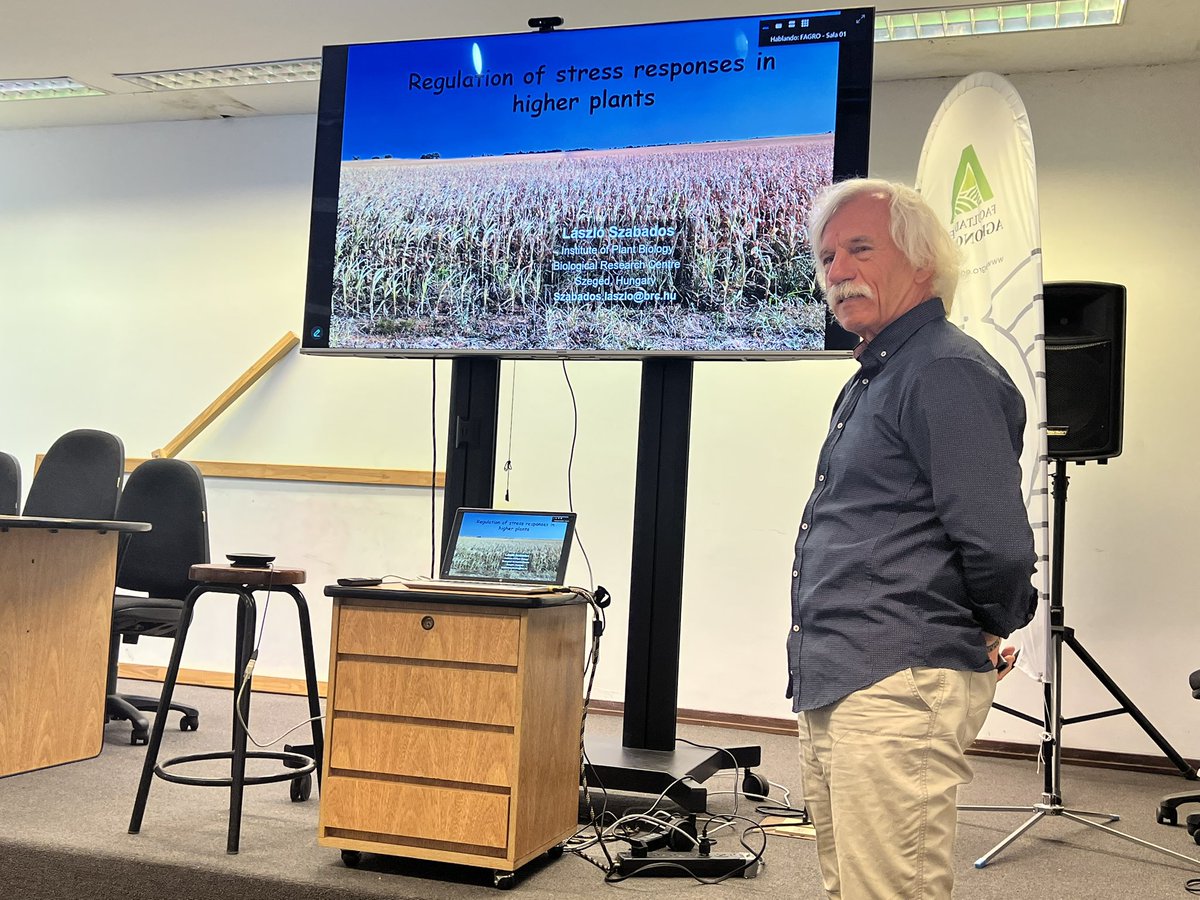
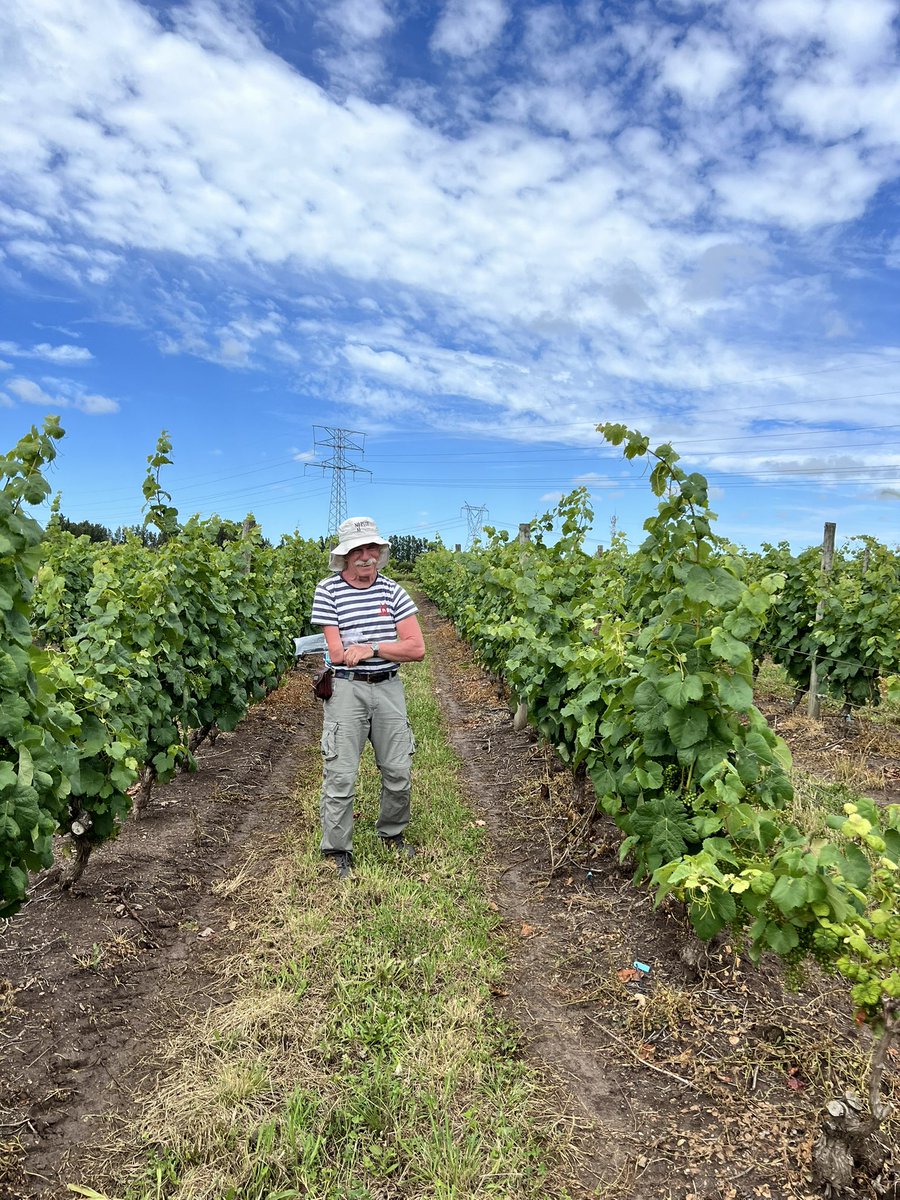
This time we received our @ICGEB collaborator Laszlo Szabados from Hungary 🇭🇺. It was a pleasure to have him for two weeks with us!
📣📣📣 Hey #PlantBio2024 attendees, tomorrow (Tue) we’ll have the Metabolic Biochemistry symposium with 5 interesting 15-min talks, including photosynthesis, TOR pathways, PA, Pro, etc.
Please, come and join us! 😃
Thanks @ASPB for offering me to Chair this symposium. 🙏🏻
Happy to see my PhD student Andres Berais ready to present his results about speed breeding Medicagos at #PlantBio2024.
If you are interested in this topic, please come and see him at poster #900-76
@Udelaruy@FagroUdelar@uwanews@FnPB3
Job opportunity (pls RT)! @UoBbiosciences@PlantSci_UoB is advertising for an Assistant or Associate Professor in Plant Biology. Further details and application instructions can be found here:
https://t.co/Y0D1VTXodT
Closing date: 07/04/2023
#plantsciencejobs#plantsci
Stomata are pores for gas exchange.
↳ CO2 uptake, O2 release.
They are crucial for:
1. Water regulation.
2. Sustaining plant life.
Plants conquered land from water over 400 million years ago.
↳ Horizontal gene transfer was key in transition of plants from water to land.
Introducing John Lunn, the Editor-in-chief of the Journal of Experimental #Botany. John specialises in:
🌱 #Carbohydrate metabolism
🌱 #Sugar signalling
🌱 #Photosynthetic CO2 fixation
🌱 Source-sink relations
🌱 Evolution of #enzymes
🌱 #Sulphur metabolism
How green is my plant? A key question for many plant experiments. Check out Green Index!
Increase the info you get from your plant pictures and make it quantitative data.
https://t.co/WySFuQHMpk
Now on BioRxiv!
@signorellisanti@plants4space@SMS_UWA@uwanews@FnPB3@Udelaruy
📢 We’re #hiring!
Are you ready to lead a lab? We’re recruiting early career scientists for Group Leader positions across our research areas!
Applications due Nov. 1.
🔗 Learn more and apply at https://t.co/KPFHVekQCR.
#STEMjobs#academictwitter