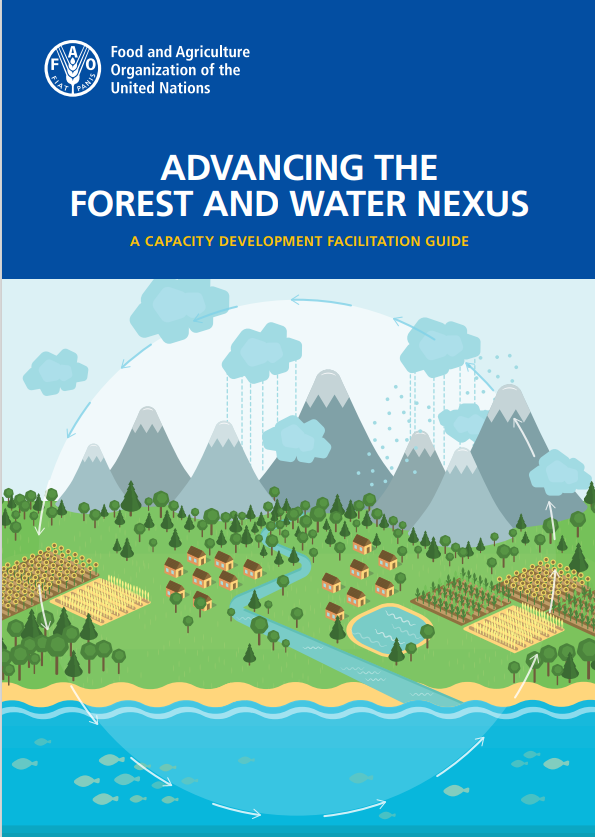
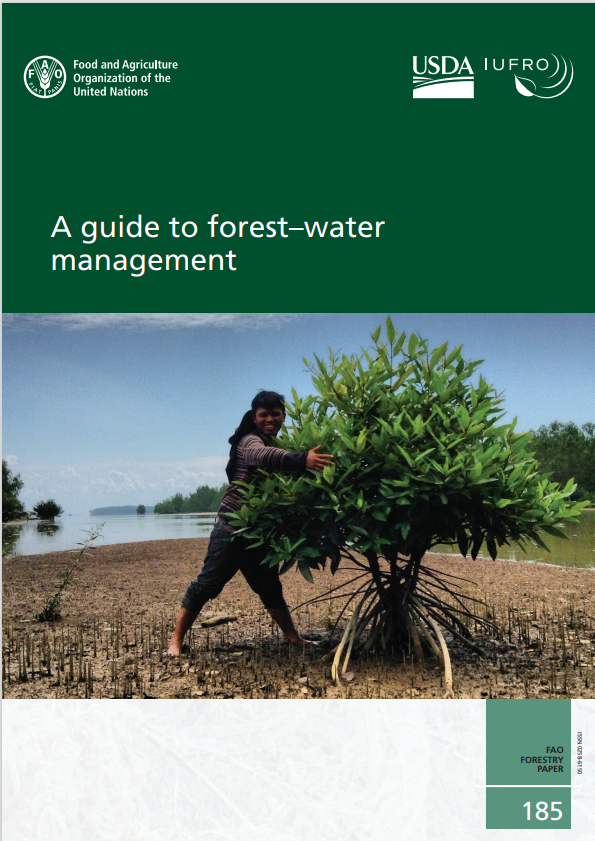
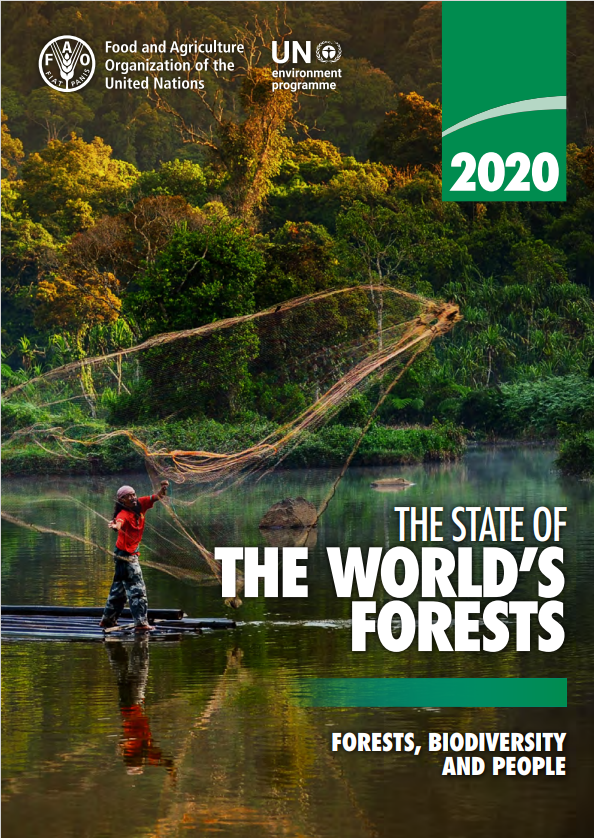
Check out our Forest and Water website to access loads of useful resources on the #forestwater nexus, including those featured below 📚🌿
👉https://t.co/hpV1iEj2Bx
#Peatlands are the world’s most carbon-dense terrestrial ecosystems.
Their #conservation is one of the most cost-effective ways to decrease greenhouse-gas emissions.
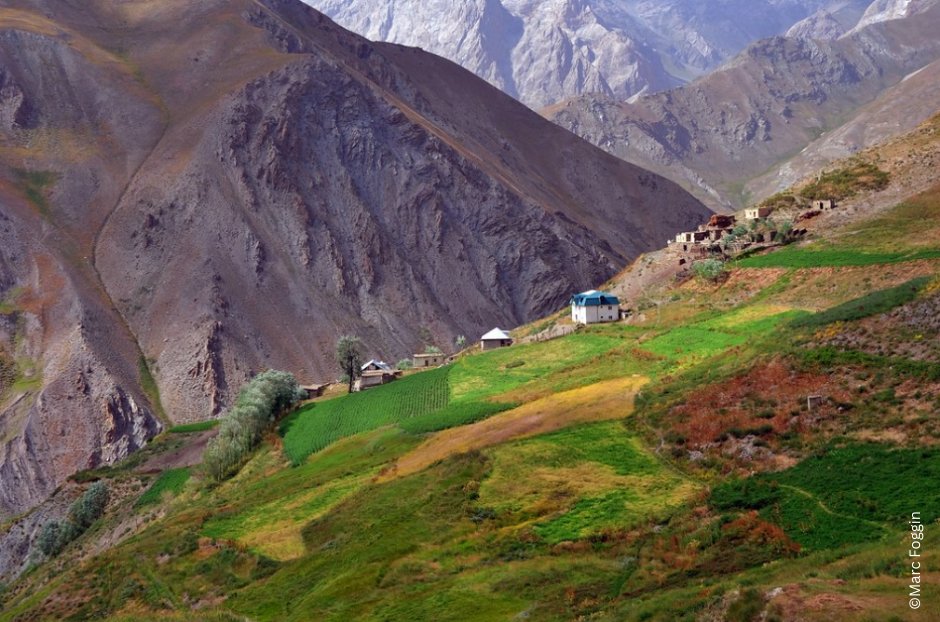
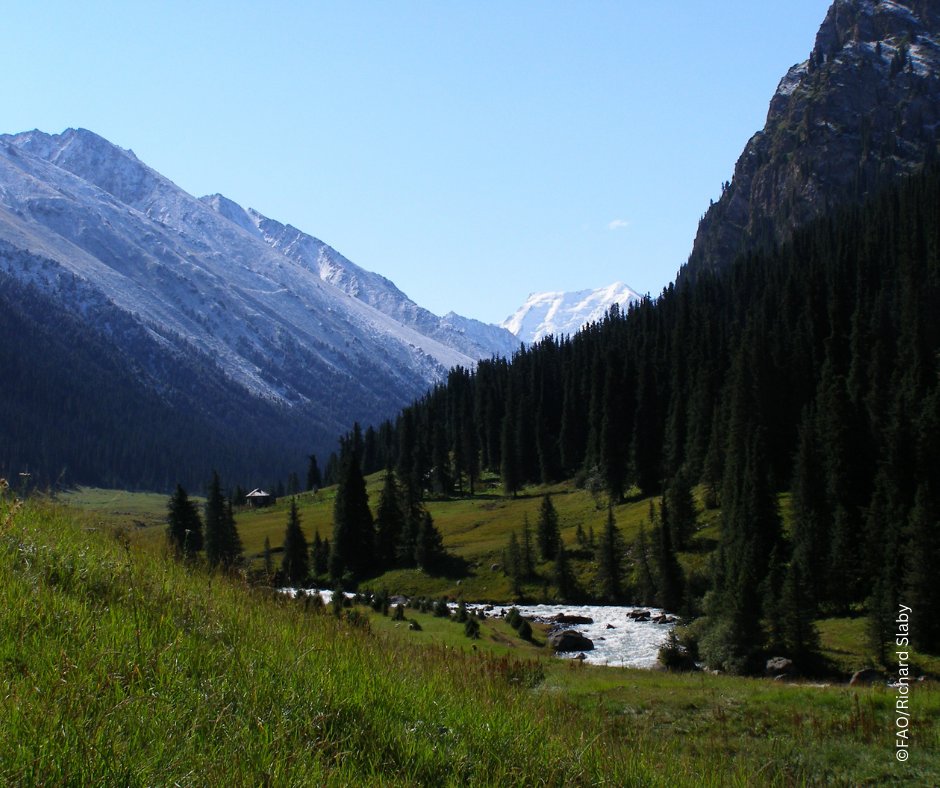
Establishing and managing forests in upstream #mountains can produce positive effects for the whole basin, such as increase water supply for irrigation downstream!
Four billion people have #water scarcity issues at some time of every year and by 2050, that number is estimated to be six billion.
Therefore, the management of #forests for water supply is extremely important!
Forest and landscape #restoration brings stakeholders together to create healthy, resilient and productive landscapes.
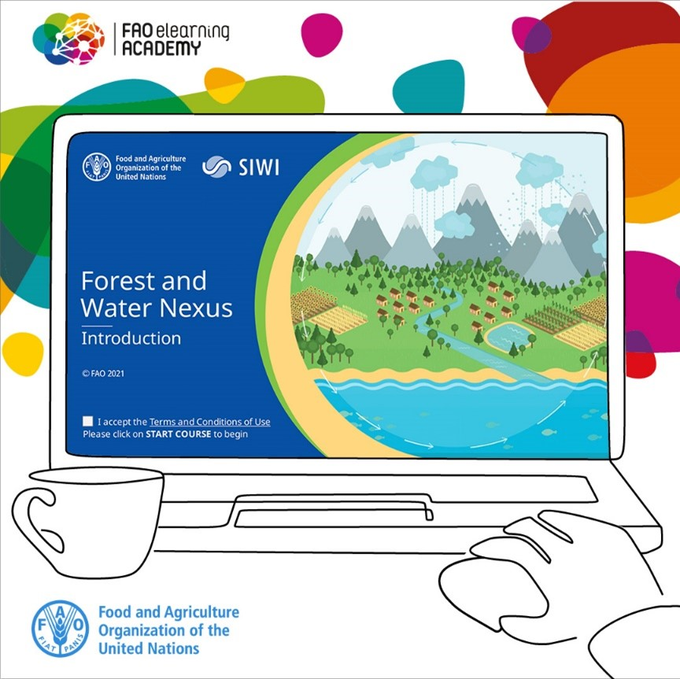
Learn more about this important process by taking @FAO's free e-learning course:
https://t.co/QaIVWLJOEw
📢Forests and trees are key to maintaining resilient production systems, communities and ecosystems.
📢Crucially, they are vital to our water supply and provide high quality water resources.
#Indonesia’s mangroves are pivotal in both mitigation and adaptation efforts.
They store approximately three billion tons of carbon, which is equivalent to the emissions from two and a half billion vehicles driven for a year!
Primary forests store between 141 to 159 gigatons of carbon📈
This reduces the greenhouse gas effect and stabilizes global temperatures, supporting consistent water cycles and ensuring that water remains available in the right quantities and at the right times!
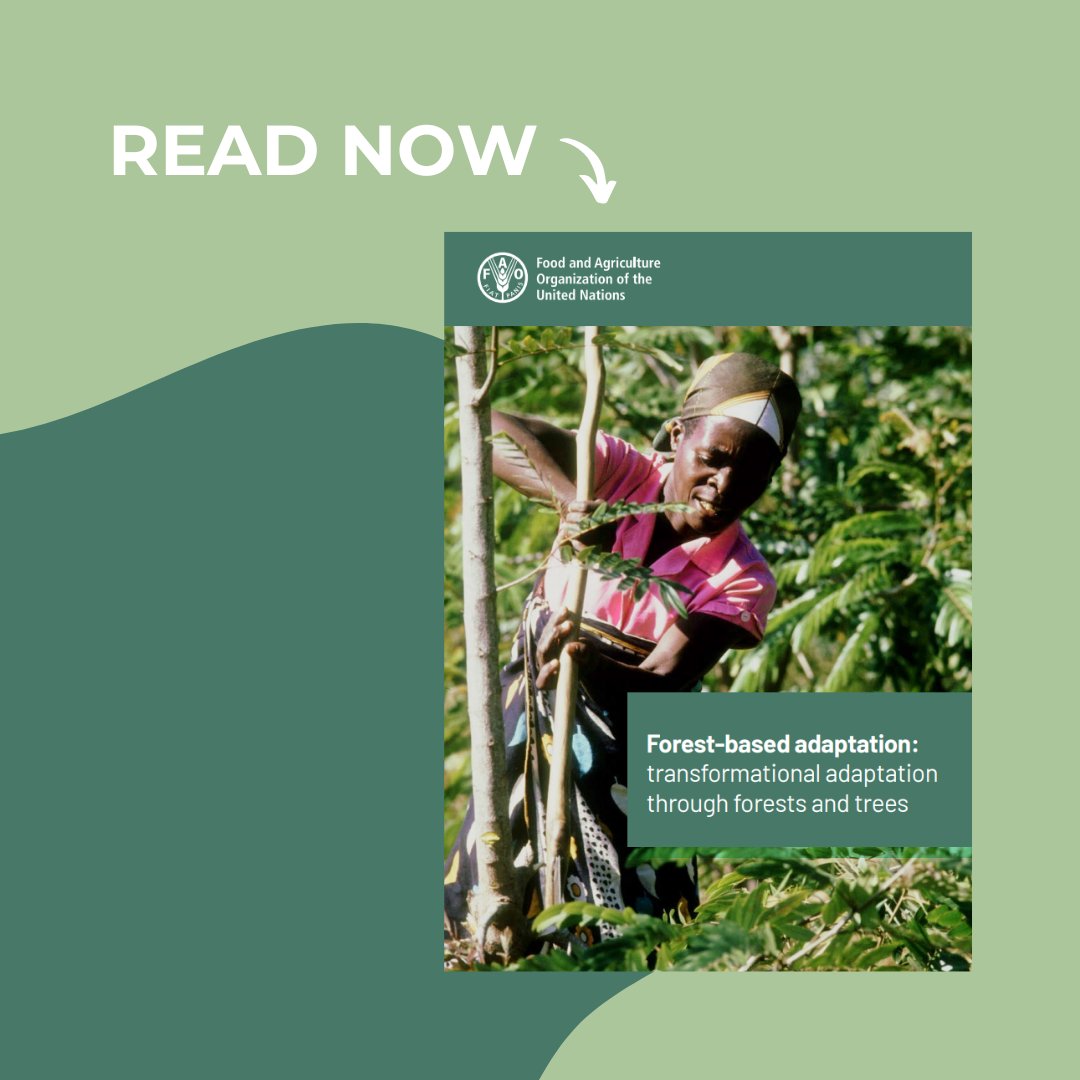
Have you checked out @FAO's technical paper on forest-based #adaptation?
This paper unpacks the concept of forest-based adaptation, covering the themes of:
🌳Sustainable forest management
🌳Forest conservation
🌳Reforestation
Water taro, a tropical crop grown on the island of #Vanuatu, relies on the conservation of surrounding forests to:
🌱Supply and regulate essential nutrients
🌱Maintain necessary water levels for growth and yield
Find out more here:
https://t.co/V5BePphDcU
Have you ever considered the important role of forests in providing water-related services and their significance for resilient food systems?
Read about this year's World Forest Week event on forest-water-climate linkages to learn more:
https://t.co/m45l3fnQJC
#Urbanforests act as natural filters by absorbing harmful pollutants such as nitrogen dioxide.
This contributes to reduced smog and improved air quality📈
Want to learn more about #mangroves?
@FAO's interactive story 'Unlocking the secrets of mangroves' provides an overview of the current state of mangrove forests, how they have changed over time, and their benefits.
Available here:
https://t.co/Zyh3IX6n4H
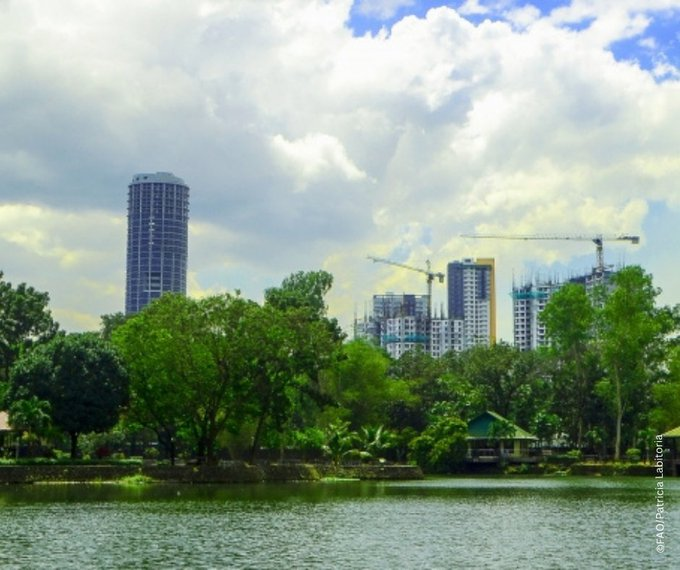
The #trees in the Ninoy Aquino Parks in the #Philippines provide a stark contrast to the urban landscape surrounding it🏙️
They act as the city's lungs and provide relaxation, recreation, and connectivity to the natural #environment for those who live there🧑🤝🧑
#ForestH2O
Did you know that soil is fundamental to #forestwater relationships?
Healthy soils are essential for:
🍃The timing of downstream water supply
🍃The protection of water quality
🍃Minimizing the loss of water quality