📢 Attention researchers! The Journal of Food Microbiology is now accepting manuscript submissions for Vol. 8, Issue 5. Share your innovative research with the scientific community! 🍽️🦠📚 #FoodMicrobiology#Research#CallForPapers
Dear Author, Researcher, professor,
Announcing issue release in the Open Access Journal of #FoodMicrobiology
In this regard, we would like to know about your interest in submitting a manuscript to the current issue ?
Please send your papers:-
Mail:[email protected]
Many new #microbes have been discovered inaquatic environments. Researchers found Tabrizicola oligotrophica & Rhodobacter tardus ina freshwater stream & a ditch in Taiwan These bacteria both produce whitecolonies when cultured inthe lab& are ableto survive in low-nutrient condi..
Foodpoisoning start
The time it takes #foodpoisoning symptoms to start can vary. Illness often starts in about 1-3 days. But symptoms can start anytime from 30 minutes to 3weeks after eating contaminated food. The length of time depends onthe typeof bacteria,virus causing illlnes
Journal of Food Microbiology is an Open Access, Peer Reviewed Journal; we are accepting Manuscripts in the field of Food Microbiology, Pathogens Testing, Edible microbial colourants,Food Poisoning etc. It would be grateful if you can participate in our Ongoing issue.(September)
What can you eat after #foodpoisoning?
The best foods to eat after a bout of #foodpoisoning are bland foods that are easy to digest & things that restore hydration. These include bananas, rice, oatmeal, chicken broth, crackers, & rehydrating solutions like Gatorade and Pedialyte.
Important food items produced in whole orin part by the #biochemical activities of #microorganisms include pickles, sauerkraut, olives, soy sauce, certain typesof sausage, all unprocessed cheeses except cream cheese,many fermented milk products such as yogurt and acidophilus milk
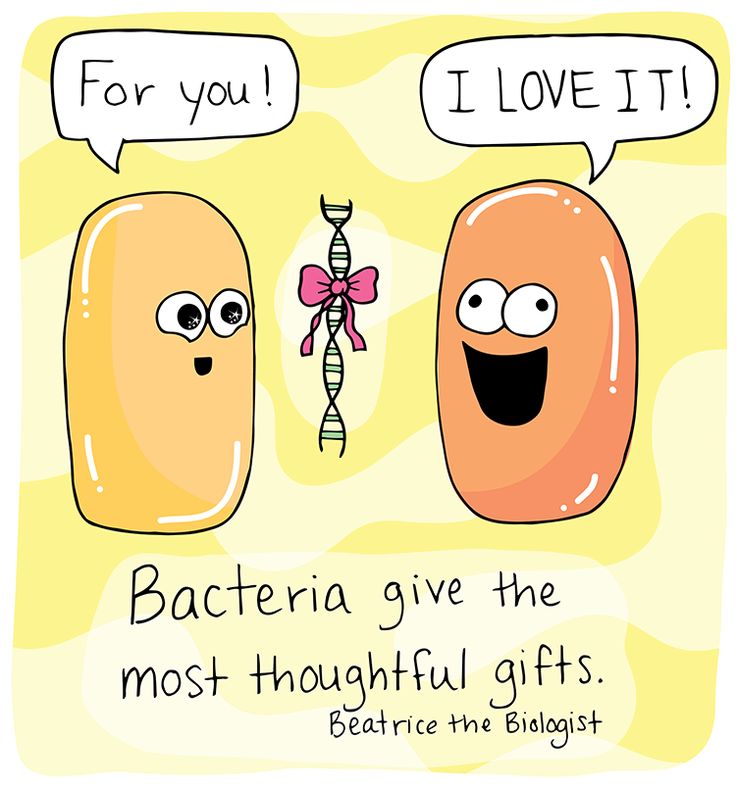
Role of bacteria in #foodmicrobiology:
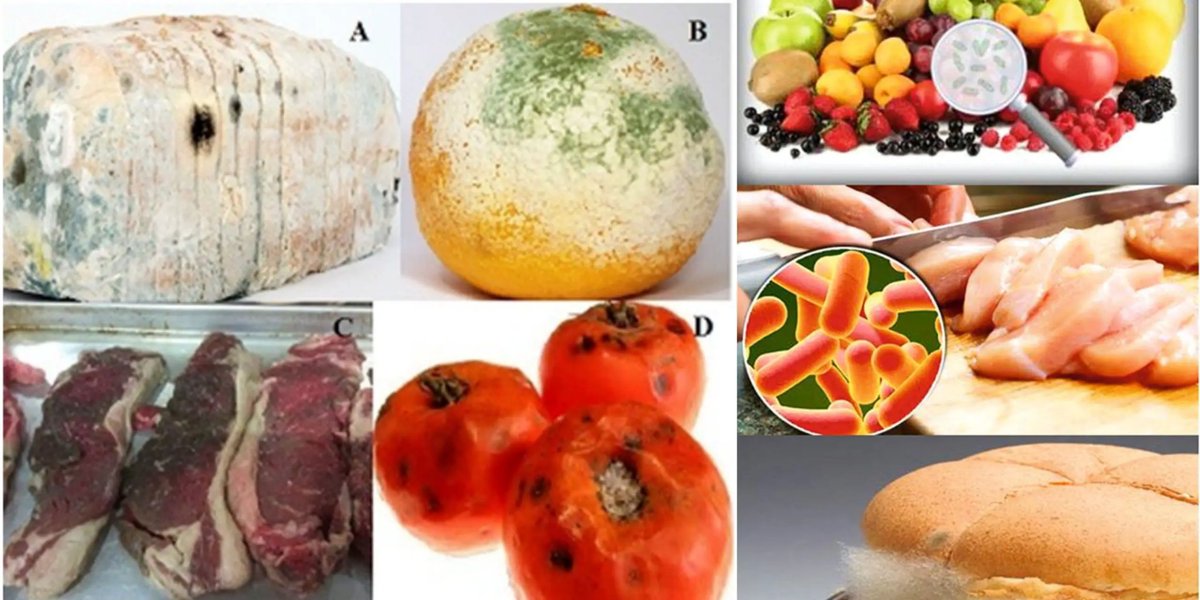
#Bacteria are the most important #microorganisms to the food processor. Most are harmless, many are highly beneficial, some indicate the probable presence of filth, disease organisms, spoilage and a few cause #disease.
#Probioticsbacteria:
It's one of the most familiar sources of probiotics good bacteria that keep a healthy balance in your gut. Studies suggest that probiotics can help ease lactose intolerance. They also may help tame gas, diarrhea, and other tummy troubles.
Disease causes deficiency:
Scurvy: It is caused by a deficiency of vitamin C. Rickets: It is caused by the deficiency of vitamin D. Anaemia: It is caused by the deficiency of iron. Goitre: It is caused by the deficiency of iodine.
Purpose of food microbiology:
#Foodmicrobiology is the study of the #microorganisms that inhabit, produce or #contaminate food. Its purpose is basedon detecting and determining the #germcontent, minimizing the risksof contamination and preventing outbreaks of #foodborne diseases.
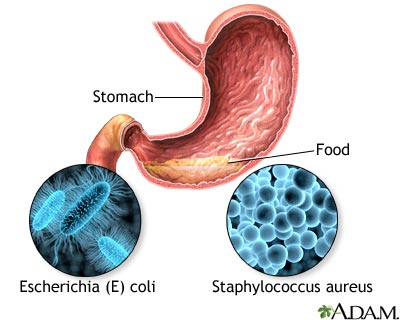
#Bacterialfoodborne infections occur when food, that is contaminated with bacteria, is eaten and the bacteria continues to grow in the intestines, setting up an infection which causes illness. Salmonella, #Campylobacter, hemorrhagic #E.coli and #Listeria all cause infections.
Poultry naturally contains Salmonella, which you can kill by cooking the meat to an internal temperature of 165°F or higher
The symptoms of Salmonella poisoning:
Diarrhea (sometimes bloody),Fever,Stomach pains or cramps,Nausea and vomiting,
Headache.
Common sources of C. #perfringensinfection include meat, poultry, gravies, and other foods cooked in large batches and held at an unsafe temperature.Outbreaks tendto happen in places that serve large groups of people, such as hospitals, school cafeterias, prisons, and nursing etc