Did you know that farmed oysters are high in micronutrients, such as vitamin B12, zinc, selenium, copper, iron and calcium, while low in sodium and saturated fat? A 3-oz. serving of Pacific oysters provides the daily recommended amount of omega-3 fats.
Aquatic foods offer nutrient-dense food options and avoid or lessen many of the environmental burdens of terrestrial food production. They are uniquely positioned to contribute to both food diversity and future global food and nutrition security.
Check out this new report co-authored by our board member @AnnaWHerforth!
"We have created a new approach that enables countries to track diet quality year to year, seasonally, or even more frequently"
Global Report 2022 - Measuring what the world eats https://t.co/QAl7yJbsE4
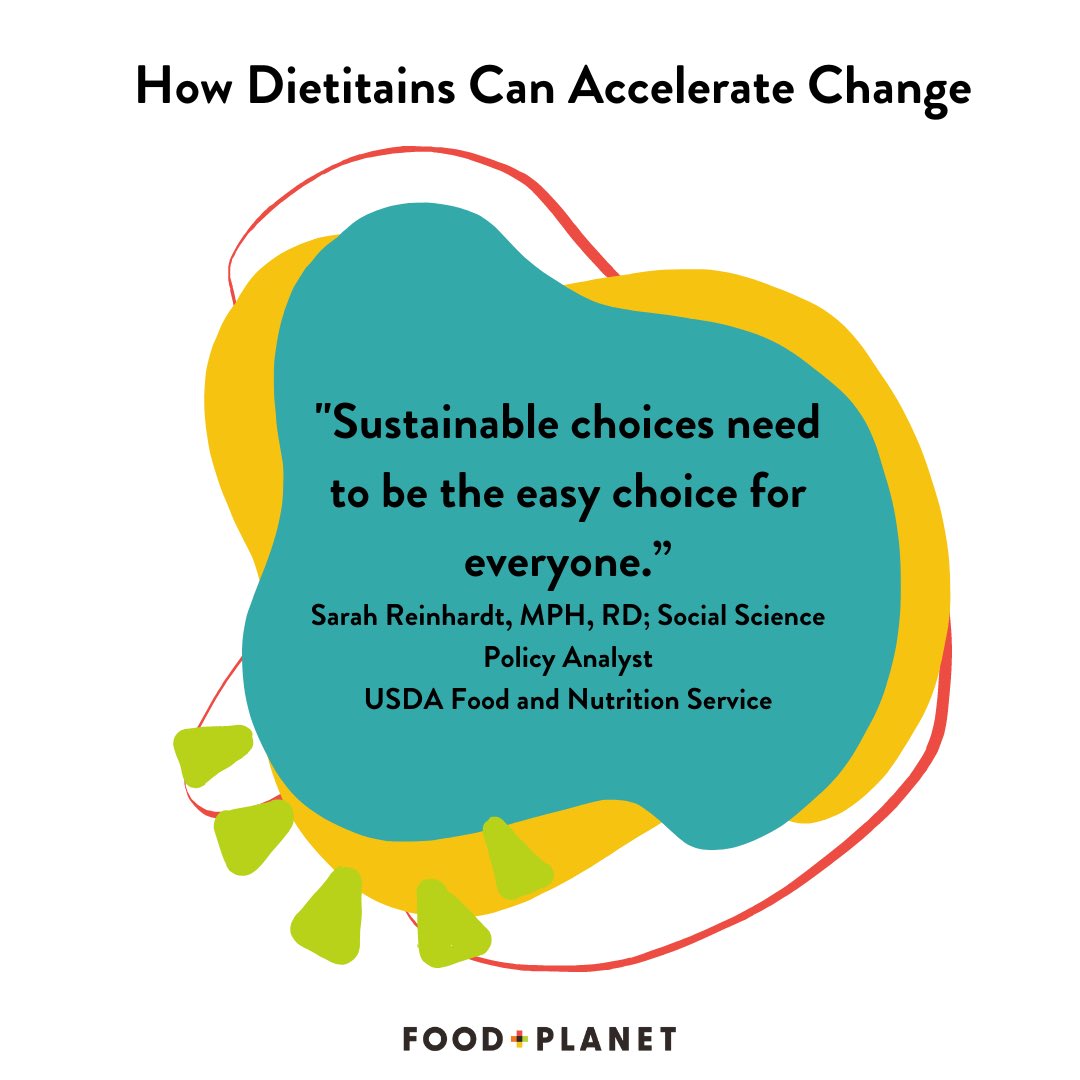
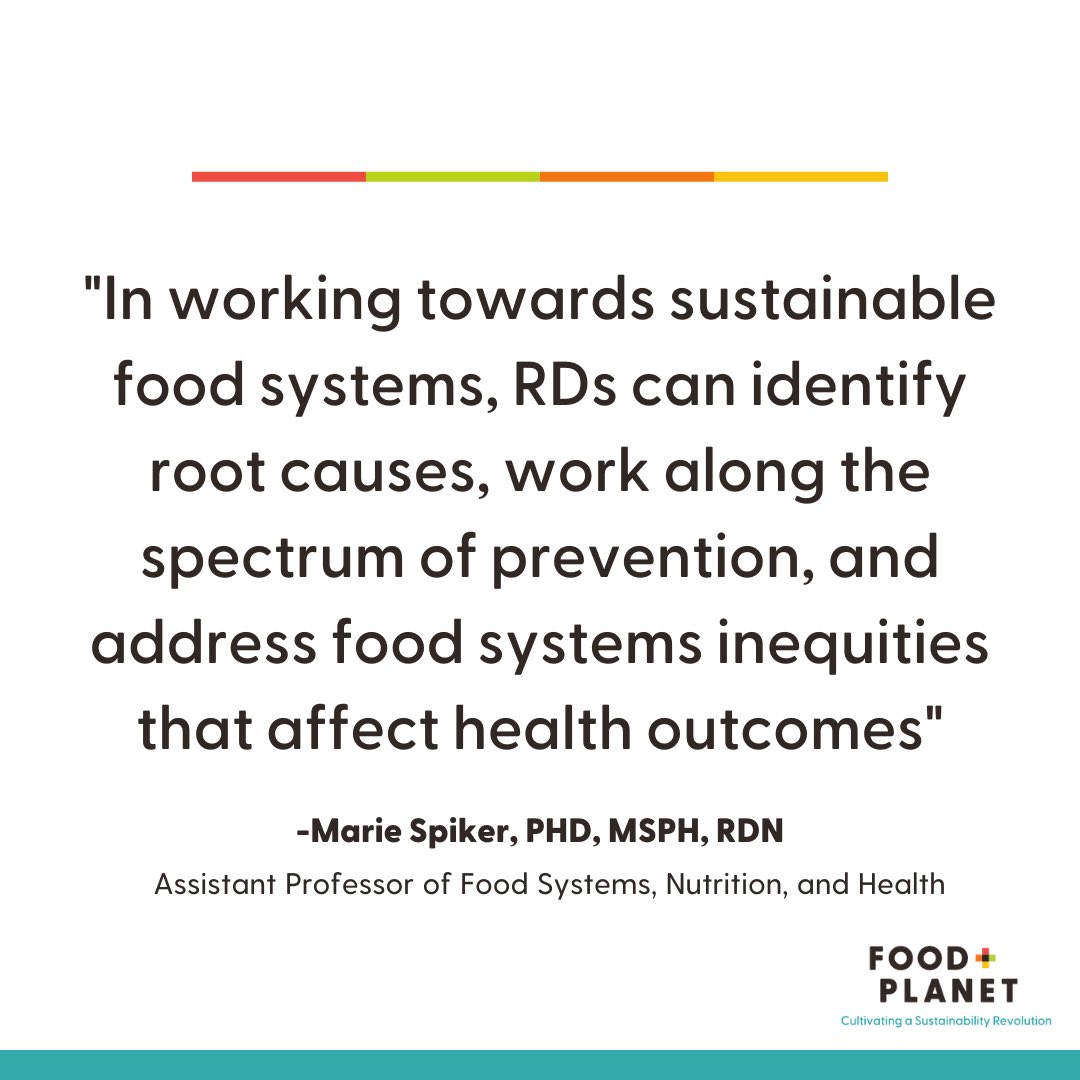
Dietitians have the opportunity to advocate for local and national food and nutrition policies that consider sustainability’s role in supporting public health. Effective engagement can have a positive impact on the plates of millions of Americans.
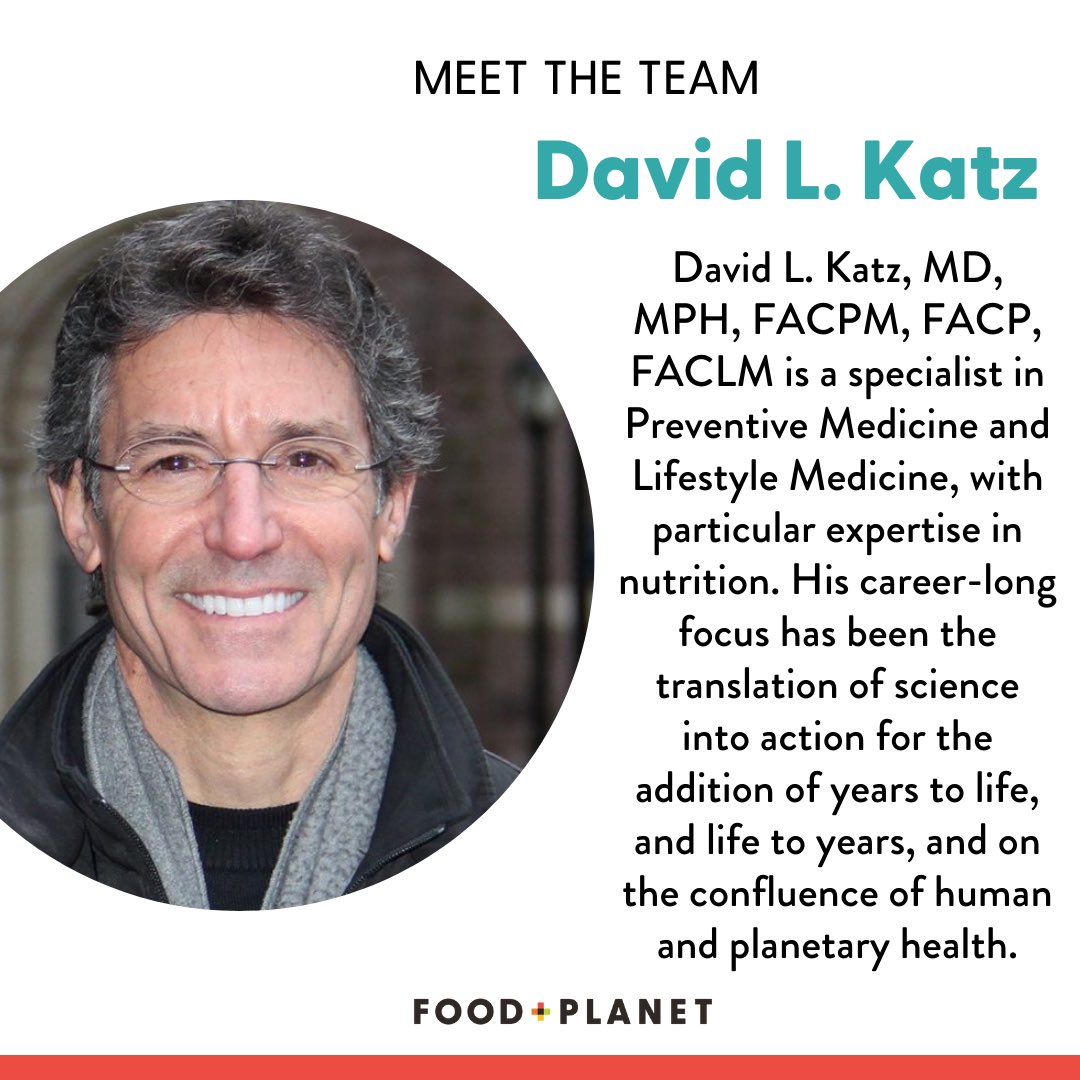
Meet the team behind Food + Planet! @drdavidlkatz is an esteemed member of our Advisory Board.
David L. Katz, MD, MPH, FACPM, FACP, FACLM is a specialist in Preventive Medicine and Lifestyle Medicine, with particular expertise in nutrition.
🌊Our oceans provide us with more than just fish to eat.
There are many other nutritious & delicious aquatic products that come from our seas – take seaweed for instance!
Did you know these 3 facts about seaweed?👇
#BlueTransformation#SaveOurOcean#COFI35
@food4climate is a trailblazing, female-led 501(c)3 nonprofit working to make climate-smart eating the norm. FCL supports organizations, businesses, & governments with the tools to effectively and efficiently catalyze supply and demand for food that’s better for us and the planet
Have you heard of climate cardiology? This new field of medicine is “necessary to protect patients and the planet at the same time". Check out the full article below!
https://t.co/mHEavtSEDA
@BlueFoodFutures defines aquatic (blue) foods as "foods that are captured or cultivated from the ocean, rivers, lakes, ponds, raceways and tanks. They support hundreds of millions of livelihoods and are a critical source of nutrition for several billion people around the world”.
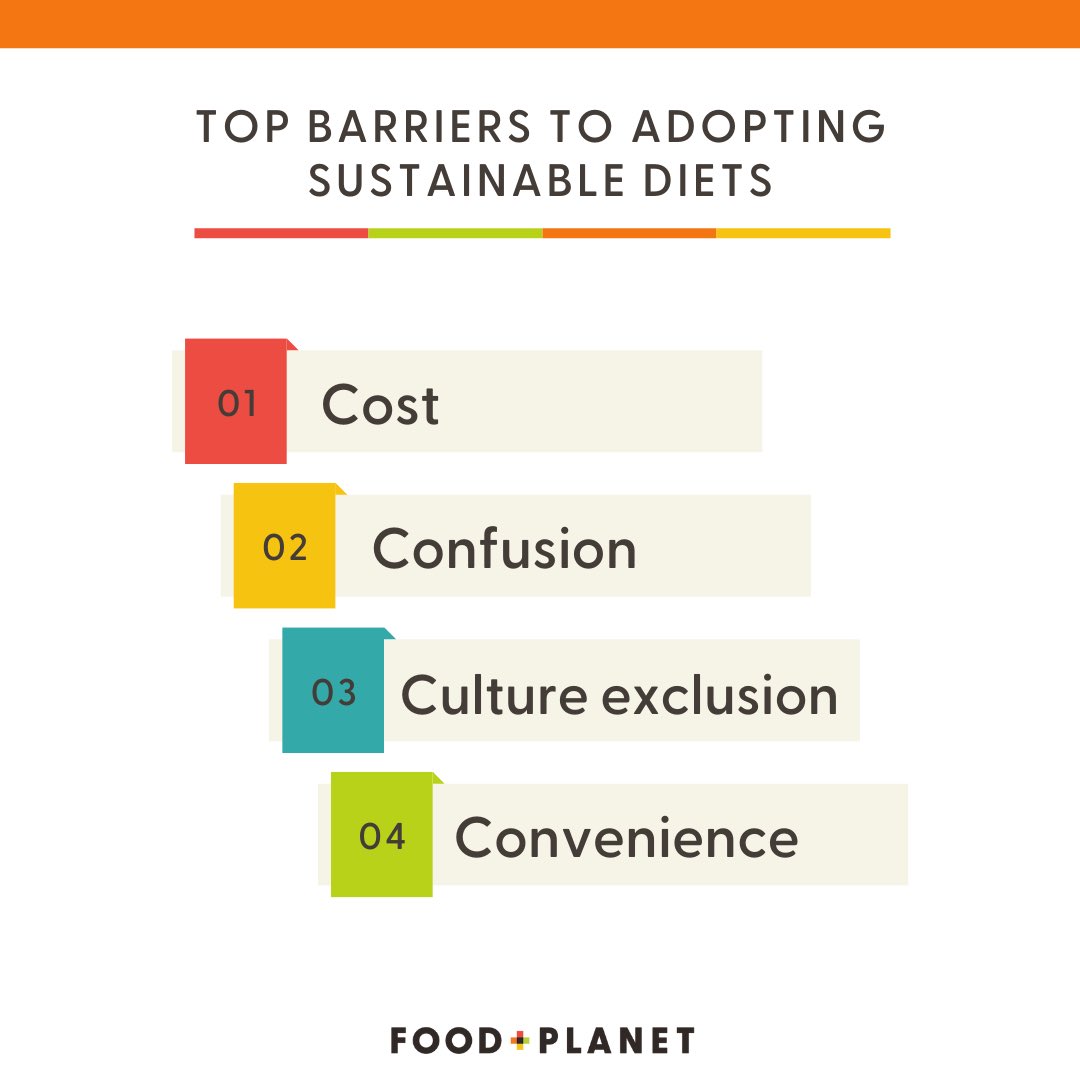
People don't often connect their individual choices with making a larger impact. They don’t know where to start, and when shopping at the store, can get overwhelmed with different claims and labels. Visit https://t.co/QLIMm3n6UV to learn ways to overcome these barriers!
“We are increasingly living on a plastic planet. Due to the explosion in plastic production and use, plastic pollution has grown exponentially in recent years. Tiny particles of plastic — or microplastic — are accumulating across the planet..."
https://t.co/2oPIzPrLIT
Meet the team behind Food + Planet! @beckyramsing is an esteemed member of our Advisory Board. She's a senior program officer at the Johns Hopkins Center for a Livable Future, where she oversees research, communication, and programs that promote a shift toward sustainable diets!
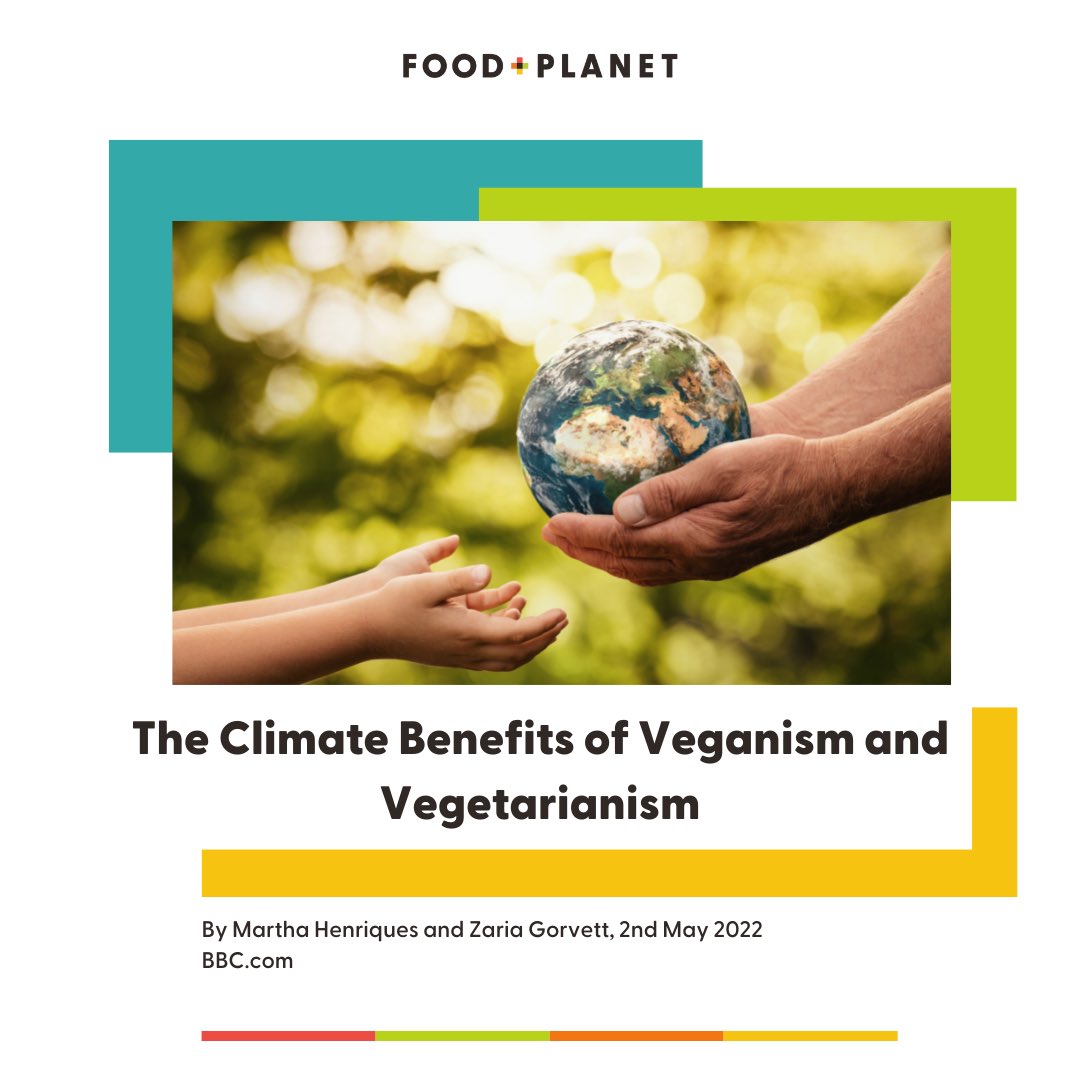
“In a two-week experiment, BBC Future tracked emissions from a vegan, vegetarian and omnivorous diet – and found some thought-provoking ways to lower emissions from our food”.
https://t.co/x2oCd0hfIZ
At F+P, we believe that healthcare professionals have a vital role to play in addressing food insecurity and advocating for food justice. Ensuring that all individuals have access to safe, nutritious, and climate-friendly food sources is the foundation of sustainable food systems
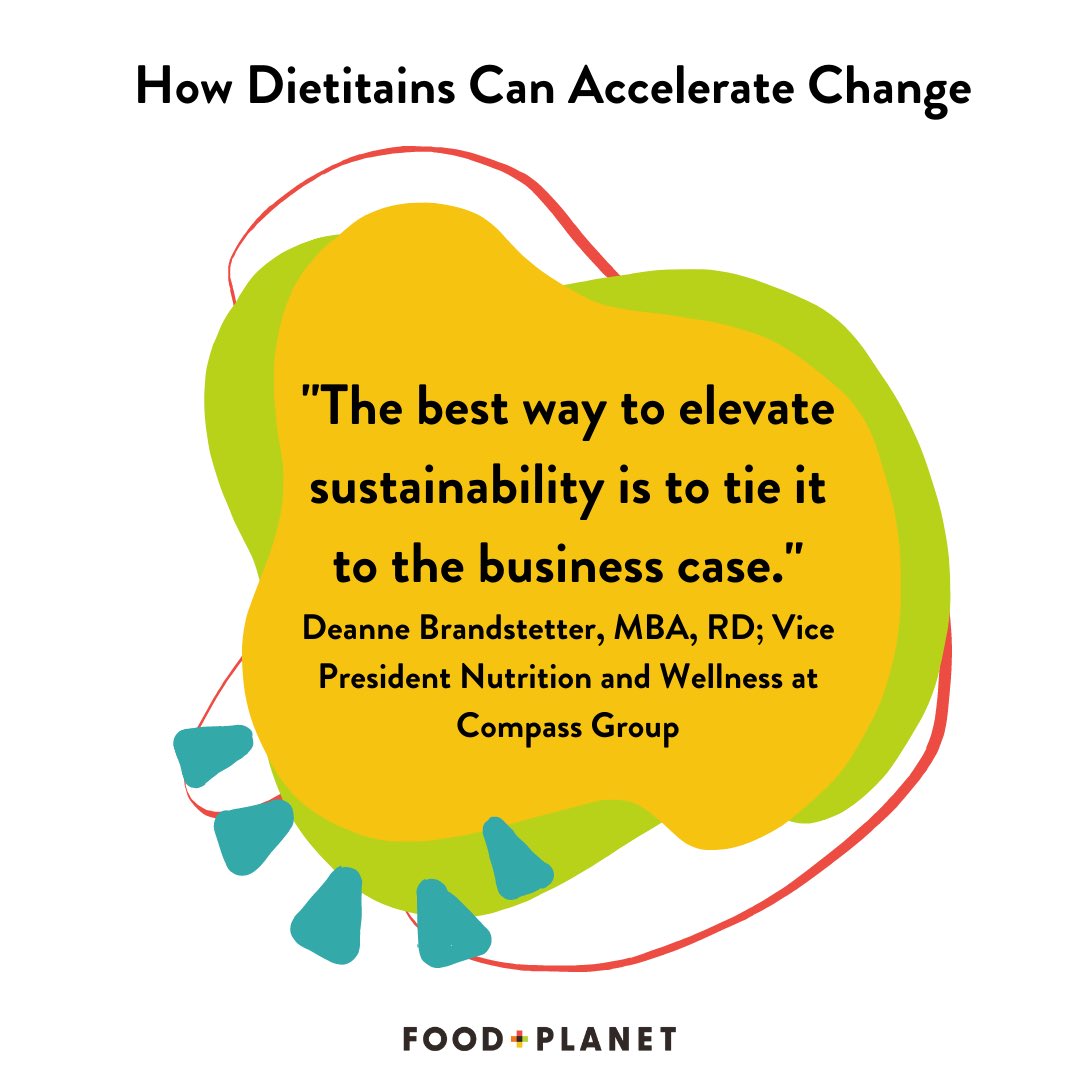
Innovating to reduce food waste or feature nutritious but underutilized food components can boost revenue and improve health and wellbeing.
Visit https://t.co/QLIMm3n6UV to find out more about how dietitians can accelerate change in #FoodSystems.
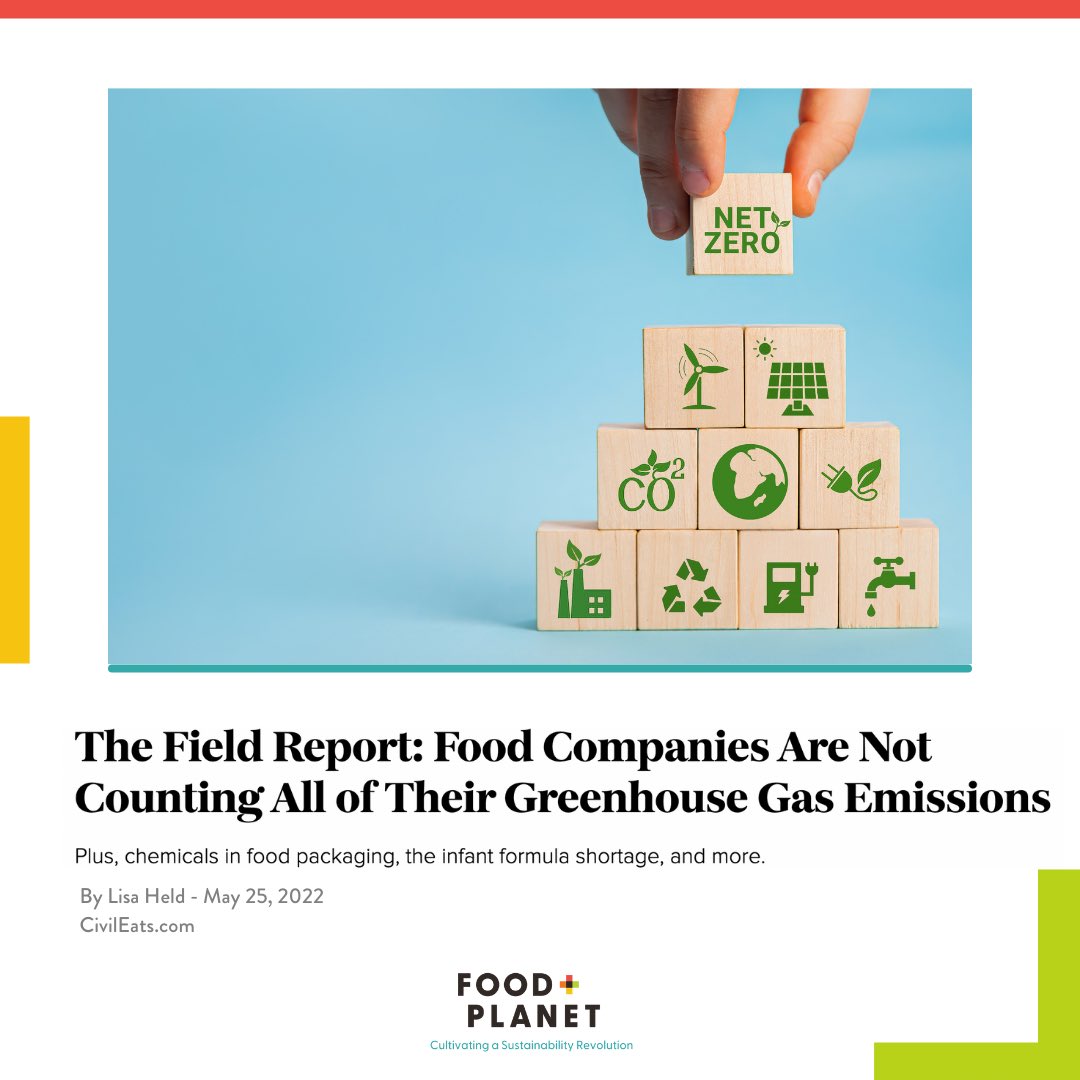
Check out this new article from https://t.co/KlmkxjNbJo to learn more about how GHG emissions are going uncounted by the world’s largest food companies.
https://t.co/CtzEP3YGqK