A/ (Flor de lis) PHS•ET•MARIA•HISP•ANGL•REGS•FLANDR•COMS
Bustos de Felipe II y María, 1557
R/GECT•DE•LA•CHAMBR•DES•COPT•A•LILLE•1557. Escudo en losange con las armas reales
Jetón de la C��mara de Cuentas de Lille. Felipe II de España y María I de Inglaterra
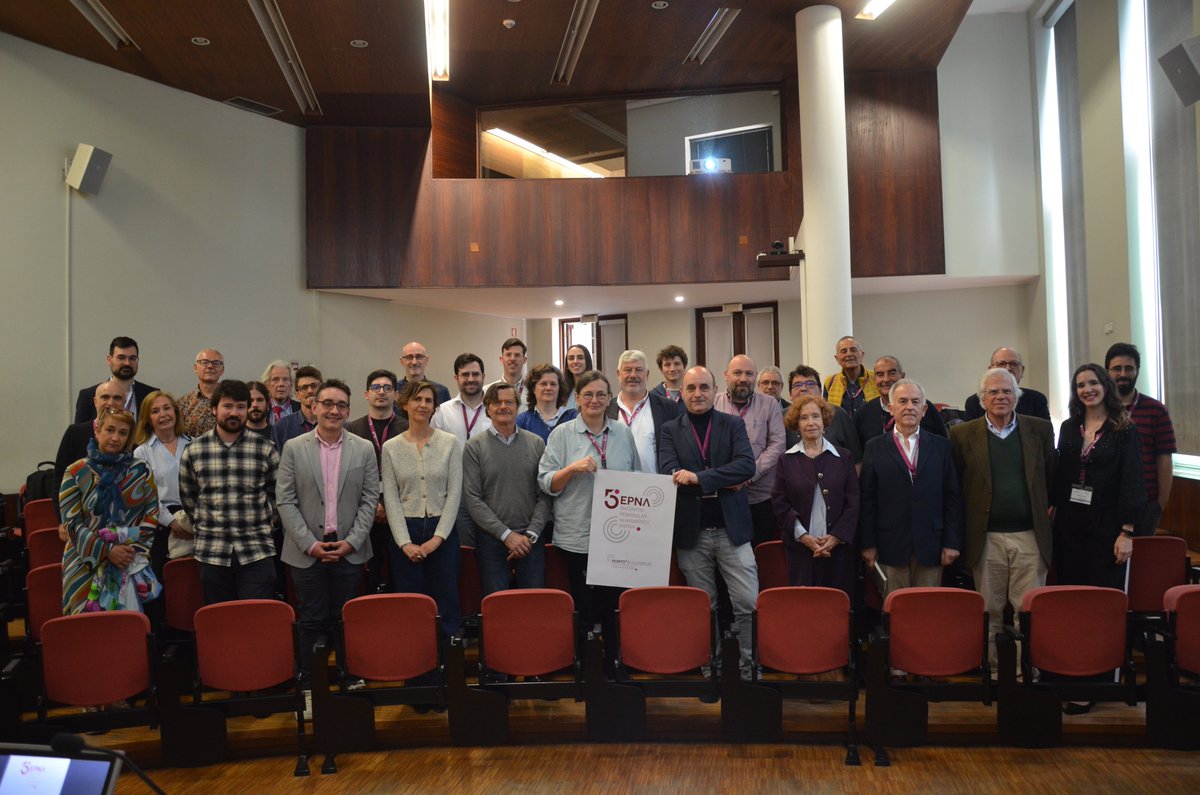
Entre el 9 y 11 de abril se celebró en Oporto (Portugal) el V Encuentro Peninsular de Numismática Antigua. La reunión constituyó una excelente ocasión para compartir resultados, debatir interpretaciones y seguir avanzando en el estudio de la moneda antigua.
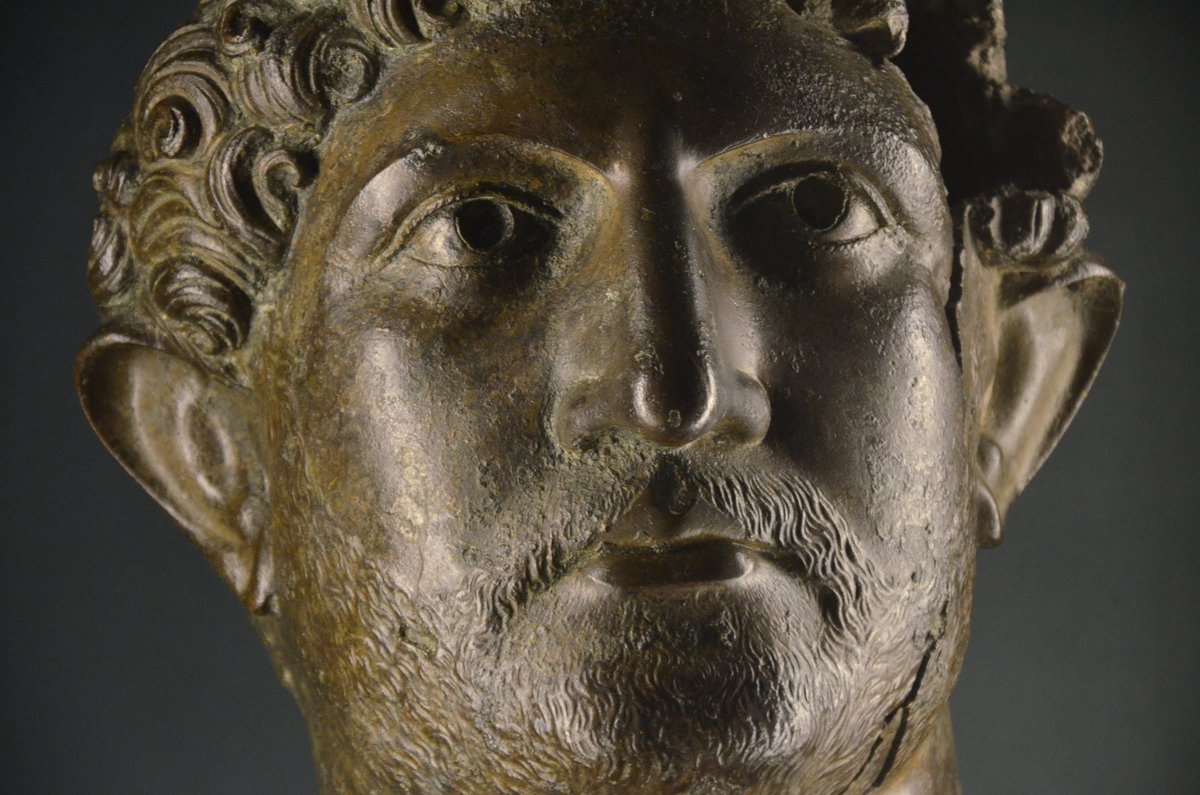
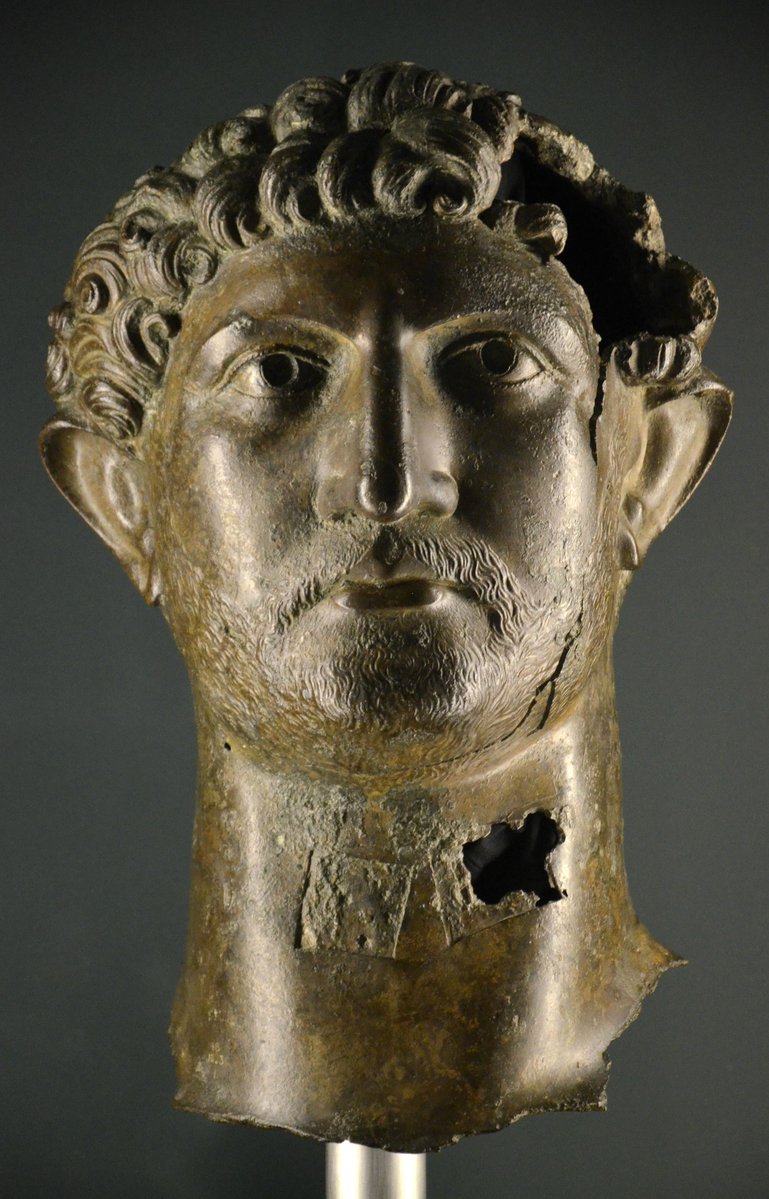
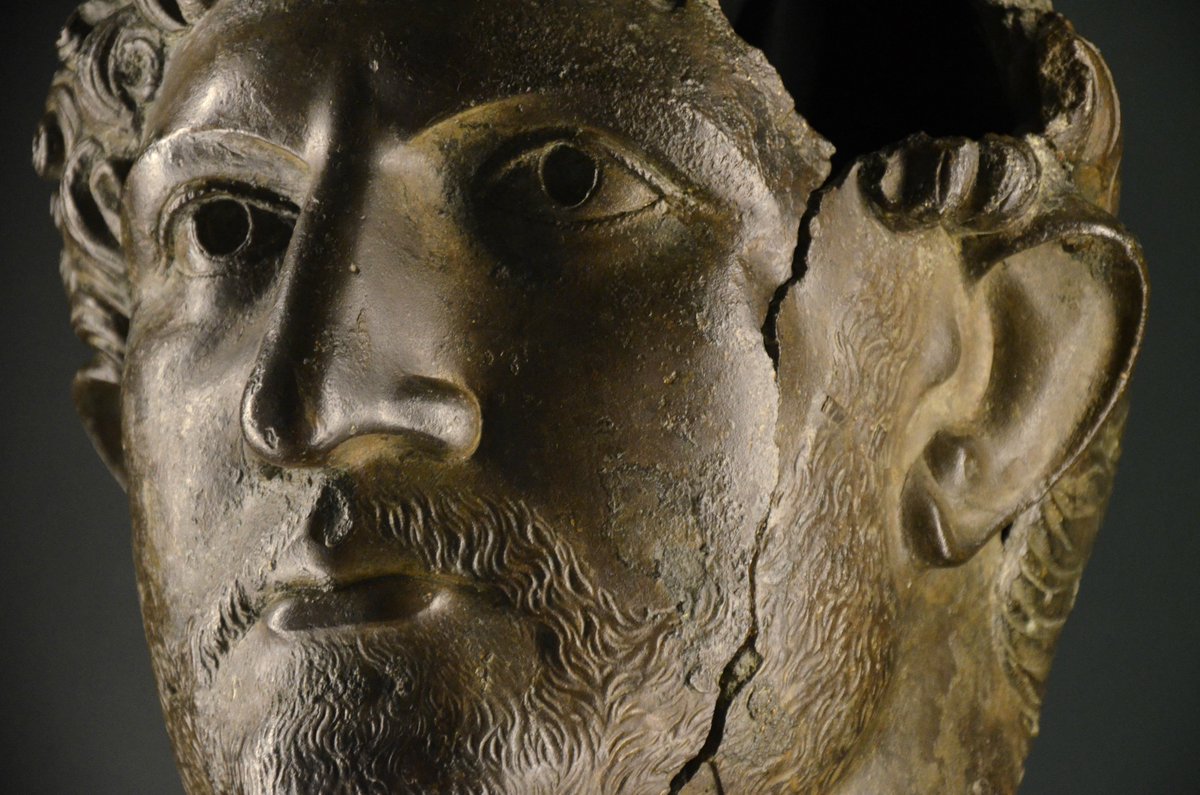
#PortraitThursday - The bronze head of Hadrian, discovered in the River Thames, is one of the most striking surviving Roman sculptures in Britain. Discovered in 1834 near London Bridge, this head is believed to have originally belonged to an over-life-size statue of the emperor that stood in Roman Londinium (modern London). The style suggests it was made locally.
The head is cast in bronze, a material far more valuable and less commonly preserved than marble because it was often melted down and reused. Its survival is therefore unusual. Only three bronze portraits of Hadrian have survived from antiquity, and the head found in the Thames is the only one discovered in Britain.
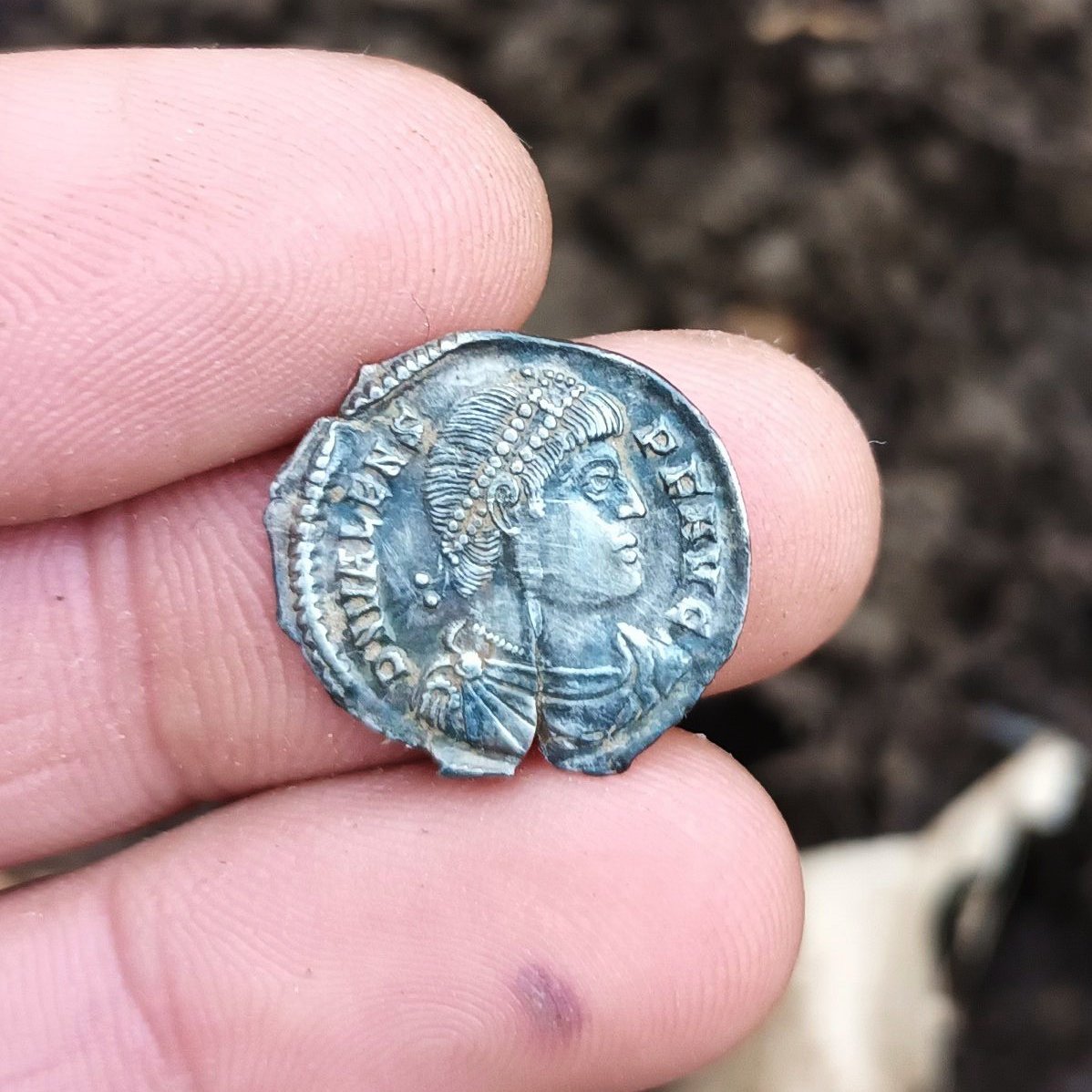
Fantastic #metaldetecting find from Romania 🇷🇴
Detectorist Mihai Fritz has discovered a beautiful #silver Roman #coin -- a miliarense of Emperor Valens. Truly impressive!
Camafeo de vidrio de Herófilo, una joya romana del período imperial temprano, aproximadamente del año 20 d.C. , que probablemente representa un retrato de Druso el Viejo o de su hijo Germánico.
Está realizado en pasta de vidrio de color azul turquesa, imitando piedras preciosas reales.
Lleva la firma del gemista Herófilo, hijo de Dioscúrides, quien trabajó bajo el emperador Tiberio.
Se trata de una pieza de honor póstumo encargado por Tiberio.
Arrowheads from the 13th-century-BC conflict in the Tollense Valley 🇩🇪
Variation in their forms suggest some of the combatants came from many kilometres away, adding to evidence for a clash between local and incoming groups.
🔗 from 2024 🆓 https://t.co/JqTFh7HpqU
La primera moneda en la que aparece el escudo de #Navarra es este «grueso», también denominado «real», atribuido a Carlos III "el Noble" (1387-1425).
A/ + K : DEI : GRA : NAVARRE : REX
R/ COMES : EBROISCENSIS
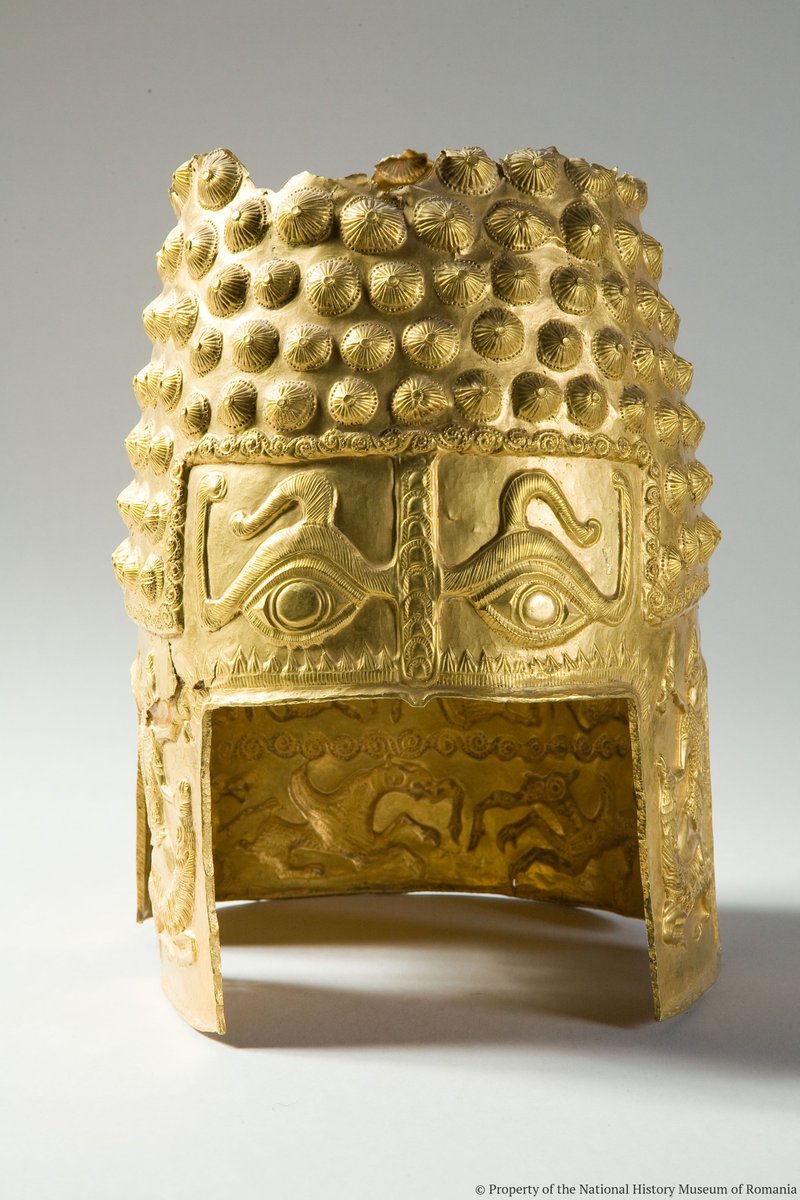
Breaking good news: The Gold Helmet of Coțofenești — a key historical artifact for the people of #Romania, stolen in 2025 from the Drents Museum — has just been recovered in the #Netherlands, together with two of its three Dacian Gold Bracelets.
The helmet and the bracelets had been featured��since September 2025 in the @UNESCO Virtual Museum of Stolen Cultural Objects to raise awareness about the illicit trafficking of cultural property. With its return to the people of Romania, the Virtual Museum is losing its first objects and hoping more will follow soon. The search for the third bracelet is still ongoing.
#UNESCO Virtual Museum of Stolen Objects was created as the only global museum in the world��whose ambition is to be empty. We hope one day its collections will be returned to their rightful owners.
Today marks a meaningful first step toward that vision.
For more information: https://t.co/Tzd9yvPX3E
Ukrainian 🇺🇦 detectorist Serhiy Tkach with tears in his eyes:
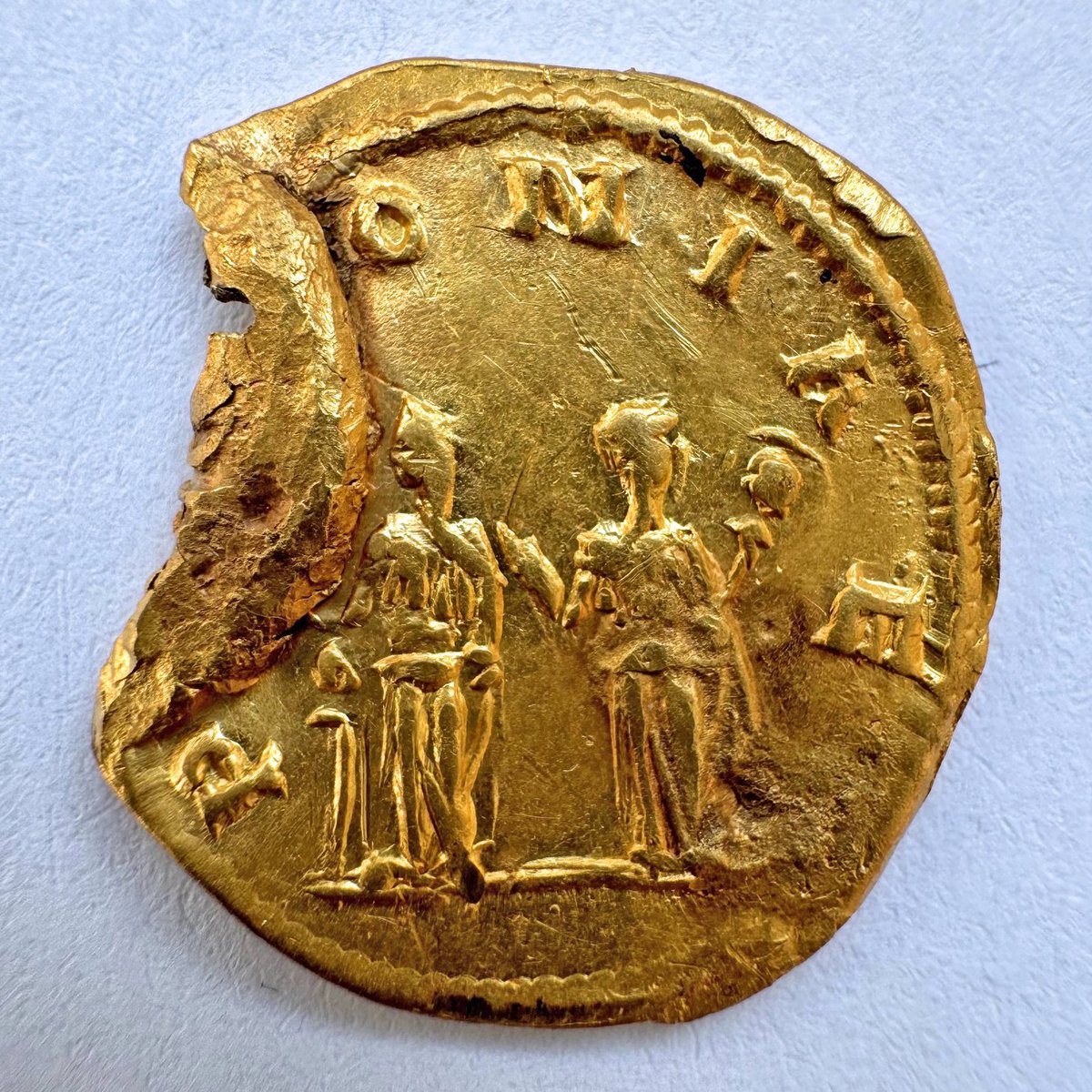
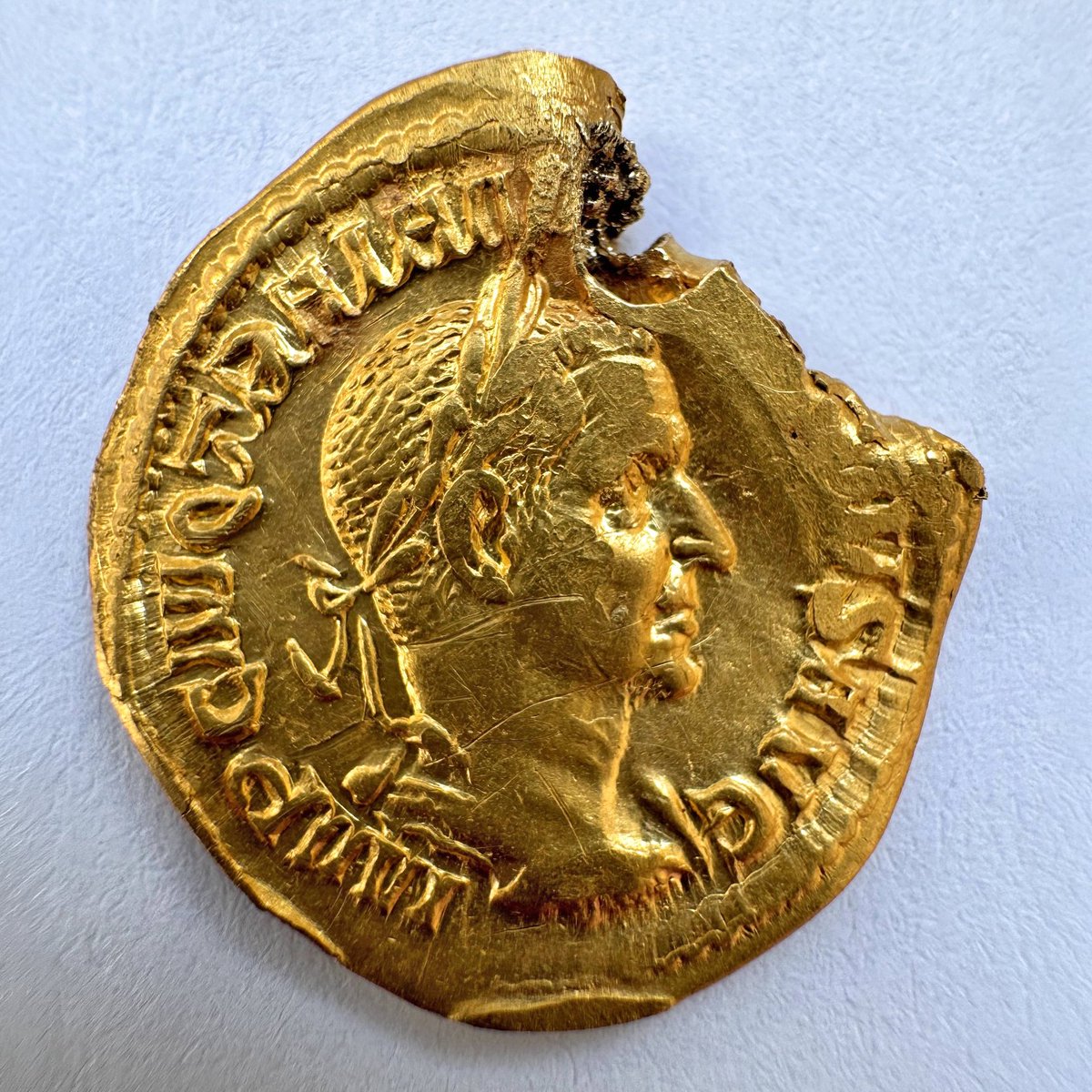
Rare #gold aureus of Trajan Decius (249–251 AD) found with a hole - once worn as a pendant.
Sadly, agricultural machinery later damaged part of the #coin.
Still an incredibly rare piece... heartbreaking story. 💔💰
#metaldetecting
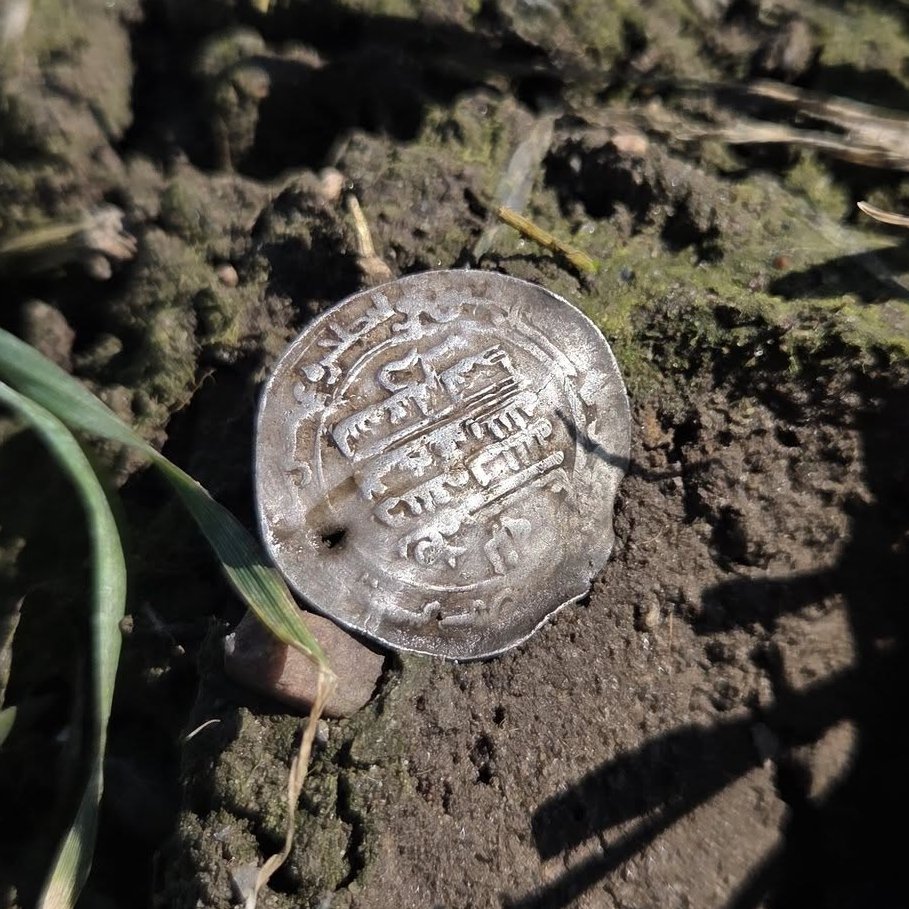
Silver dirham from the Abbasid Caliphate found in Denmark 🇩🇰 by detectorist Troels Angler Taylor. #metaldetecting
A real piece of Viking Age trade - proof that Vikings were trading far into the Arab world over 1000 years ago. 💰⚔️
These Arabic #silver#coins are classic finds in Scandinavia.
Can anyone help identify the exact ruler and minting date? Thanx
Como todos los años por estas fechas, vuelvo a mostrar el sublime áureo mandado a acuñar por Bruto, el año 44 a. C., para celebrar el asesinato de Julio César durante los idus de marzo #IdusdeMarzo
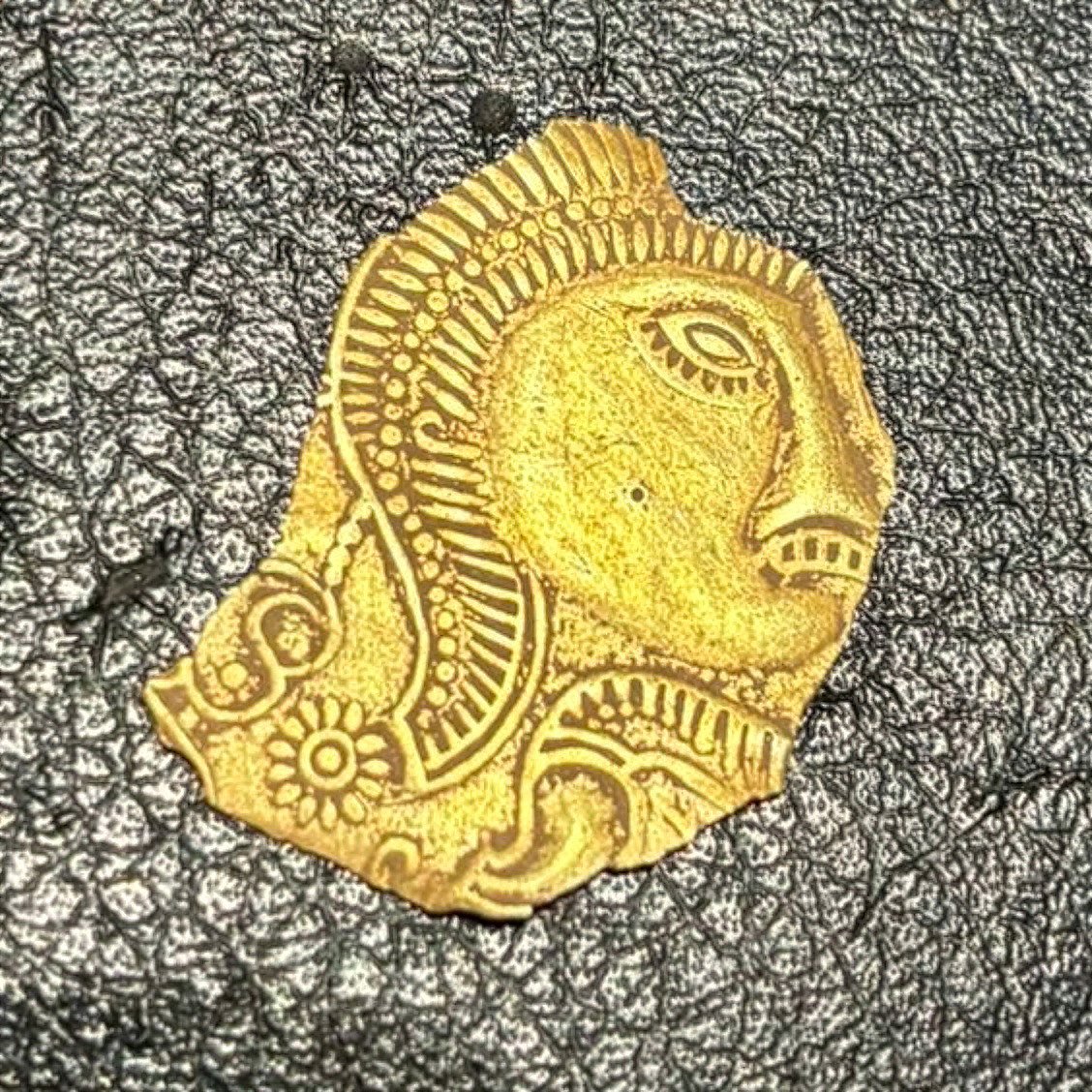
Fresh Danish gold mystery! 🇩🇰
Detectorist Eddie Jensen Hvingel dug this tiny #gold piece (~1.5x2.5 cm) today - human profile head with wild hair, eye, beard/mouth details.
Looks like pre-Viking gold foil figure (Vendel/Migration Period vibes, 5–7th c. AD) - maybe amulet, appliqué or votive?
Help ID it! Pre-Viking Germanic god/hero? Or something else? Drop thoughts below 👇
#treasurehunting #metaldetecting
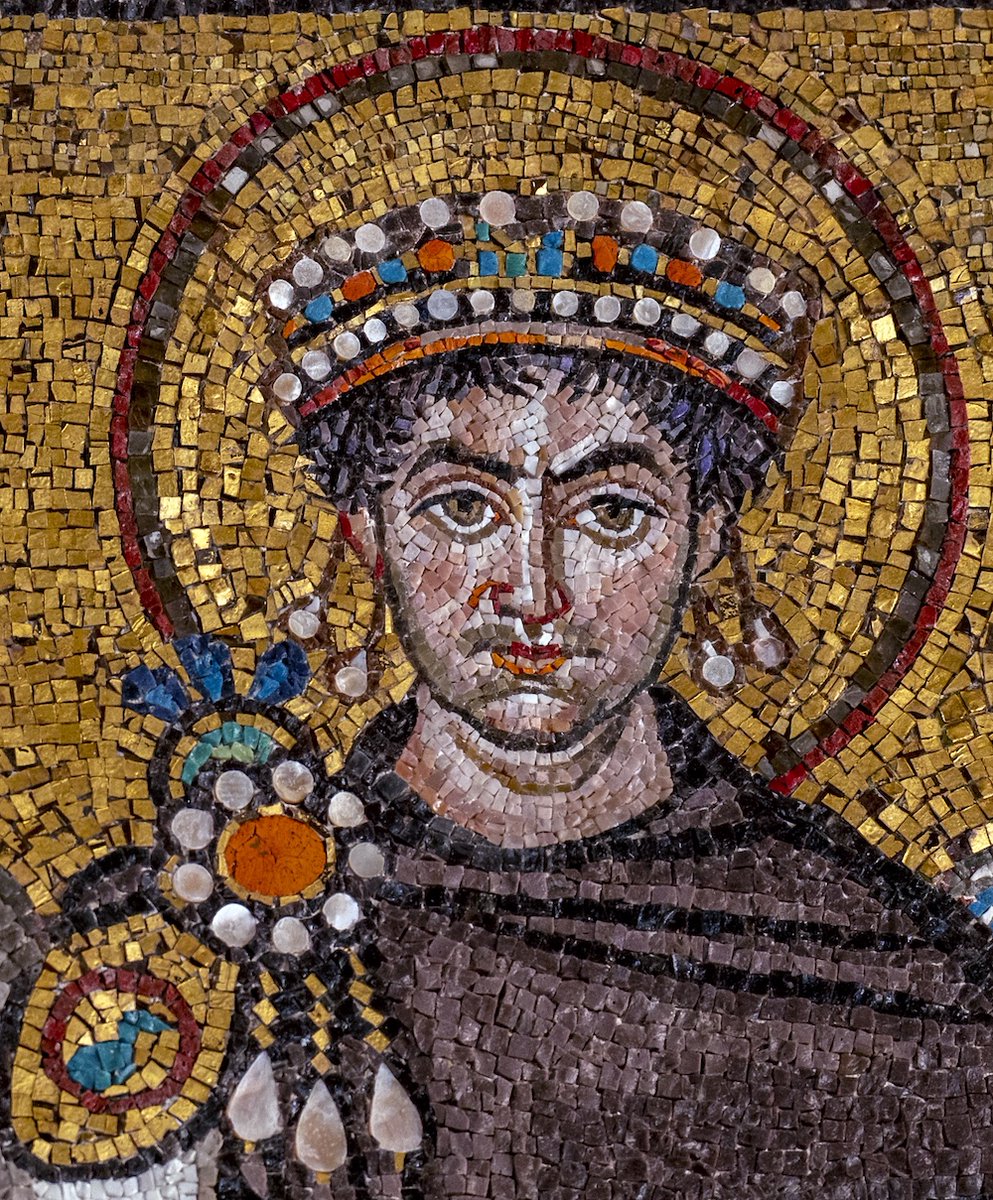
I am lucky enough to have some new followers. Welcome! 👋 Allow me to introduce myself. I am a historian of the Roman world in the 6th and 7th centuries AD and I post about all things Roman/Byzantine.
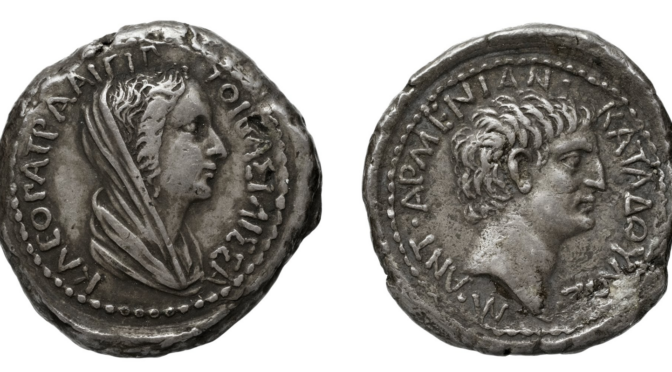
Ni Antiques ni en toc : découvrez l'histoire étonnante des de sept pièces d’argent à l’effigie de Cléopâtre et Marc Antoine... fabriquées à la Renaissance ! https://t.co/7zJv6Povbb
Fantastic Ukrainian detector find by Павло Кузьмич: massive bronze fibula from the Kyiv culture era (3rd–5th c. AD)!
Straight from the dirt - raw and muddy. After cleaning & conservation - that mesmerizing malachite green patina pops like emerald fire. 💚⚔️
Big size, killer preservation.