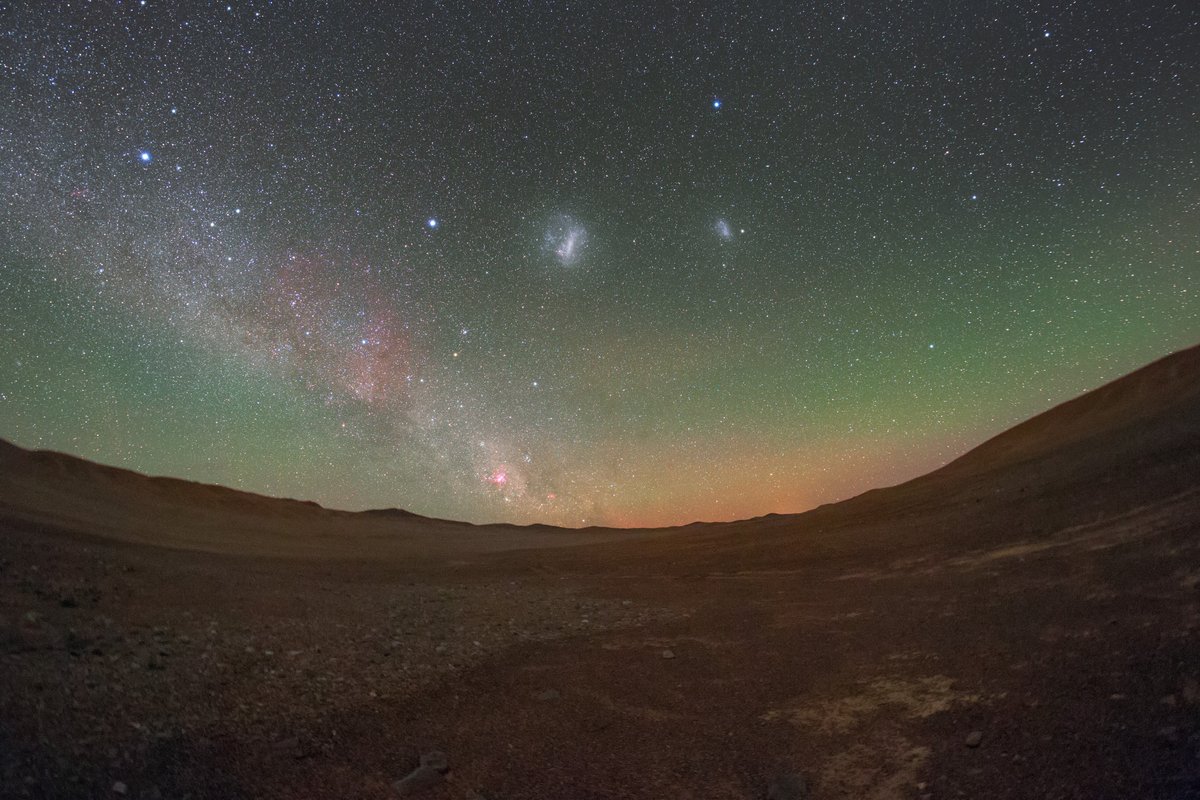
The view enjoyed by the now-retired SEST telescope from its location at our #LaSilla Observatory is enviable, to say the least! 🤩
In particular, the sky is graced by two cloud-like structures: the Large and Small Magellanic Clouds, two dwarf galaxies orbiting the Milky Way. 1/
The moment has come!
It's time to announce the ESO visuals that won in the categories we've featured throughout this week leading up to the #Oscar2024 event. 🥁
Excited? Scroll down to join us as we open the "envelopes" ✉️ 1/
📷 ESO
La ciencia ciudadana fusiona la comunidad científica y el público para potenciar la investigación. En Chile, el CATA lidera proyectos, como la clasificación de galaxias de manera online, que amplían la comprensión de la evolución galáctica.
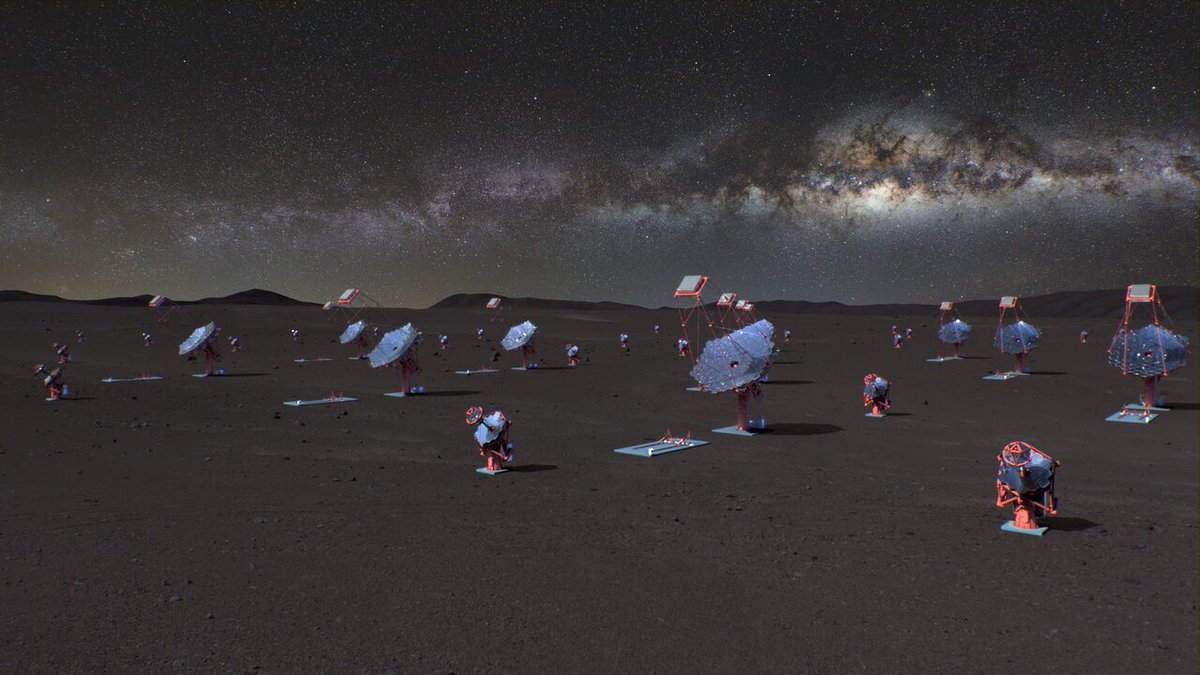
The @cta_observatory (CTAO) governing bodies — of which ESO is a member — agreed on increasing the CTAO’s funding for 2024. 🤝
This a major step towards the completion of the world’s most powerful ground-based observatory for very high-energy gamma-ray astronomy! 💪 1/
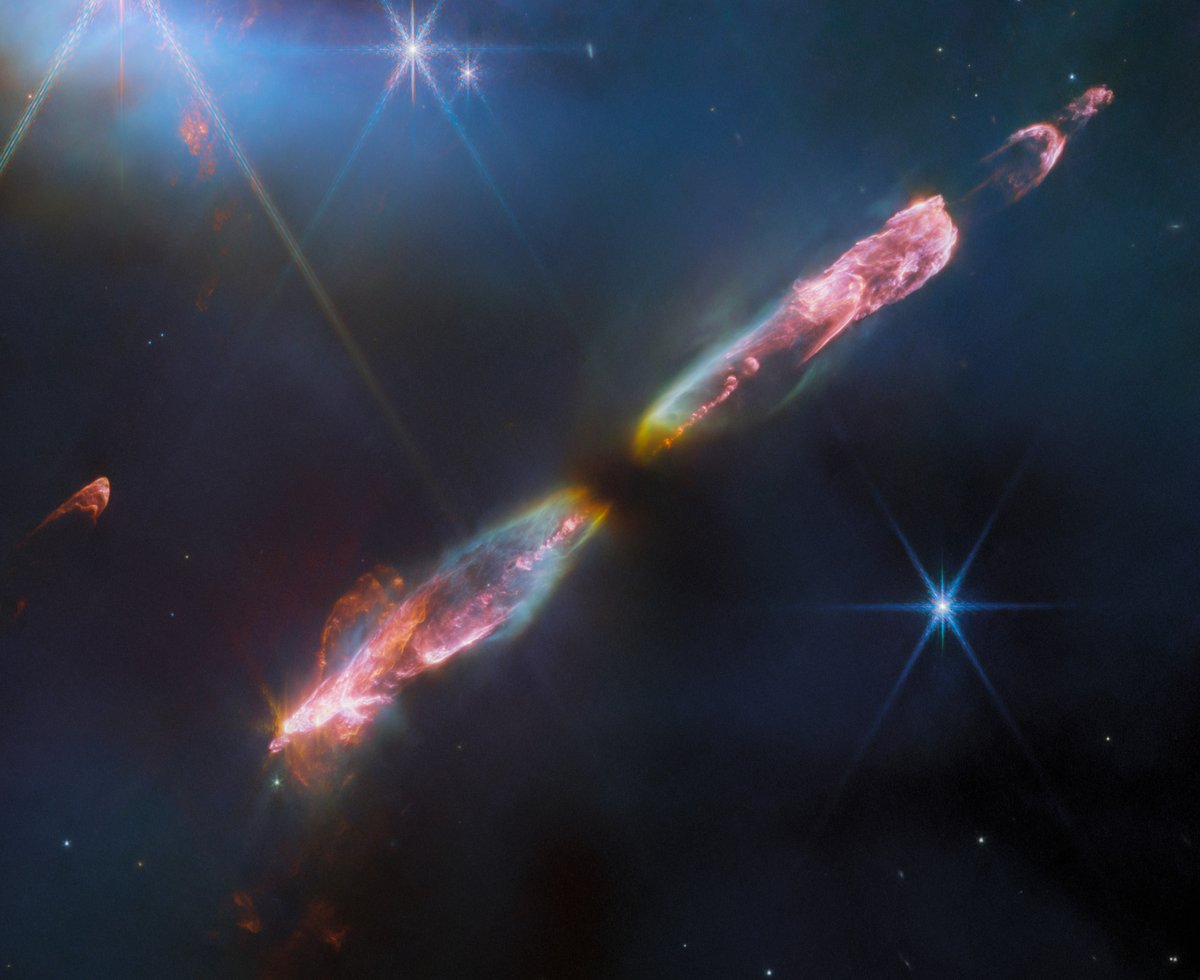
What might a baby picture of our Sun look like? 👶
Seen in this Webb image is a newborn star with supersonic jets of gas spewing from its poles. It’s only a few tens of thousands of years old here, but when it grows up, it'll be much like our Sun: https://t.co/vOato50SeZ
Viene en camino a la tierra una nave que hará historia, pues trae 250 gramos material de asteroide, marcando un hito.
Se trata de la sonda espacial OSIRIS-REx, la cual volverá después de siete años recopilando información del planeta menor "Bennu".
Aproximadamente el 84% de tu cuerpo está compuesto de átomos de carbono y oxígeno. Y esos átomos se forjaron en el núcleo de estrellas moribundas.
Obtenga más información del astrónomo de ESO @astrosuzanna en este episodio de #ChasingStarlight.
Roughly 84% of your body is made of Carbon and Oxygen atoms. And those atoms were forged in the core of dying stars.
Find out more from ESO astronomer @astrosuzanna in this #ChasingStarlight episode.
https://t.co/iJuovyX486
Hello from the other side! 📡
How does data get to and from Webb, a million miles away? The Deep Space Network (DSN) has antennae in California, Australia, and Madrid, allowing us to talk to Webb round the clock! https://t.co/OymCAe8N69
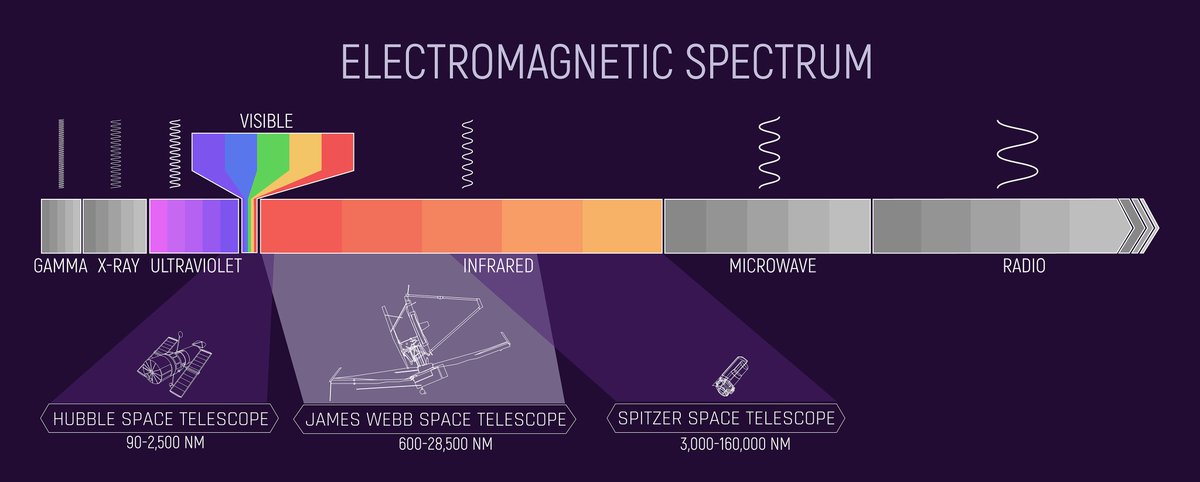
Mid-infrared!
Webb sees in near-infrared and mid-infrared wavelengths — invisible light that we feel as heat. This allows the telescope to peer back in time at the early universe, look through dust clouds to see stars being born, and more: https://t.co/0Cq9KI4NrJ
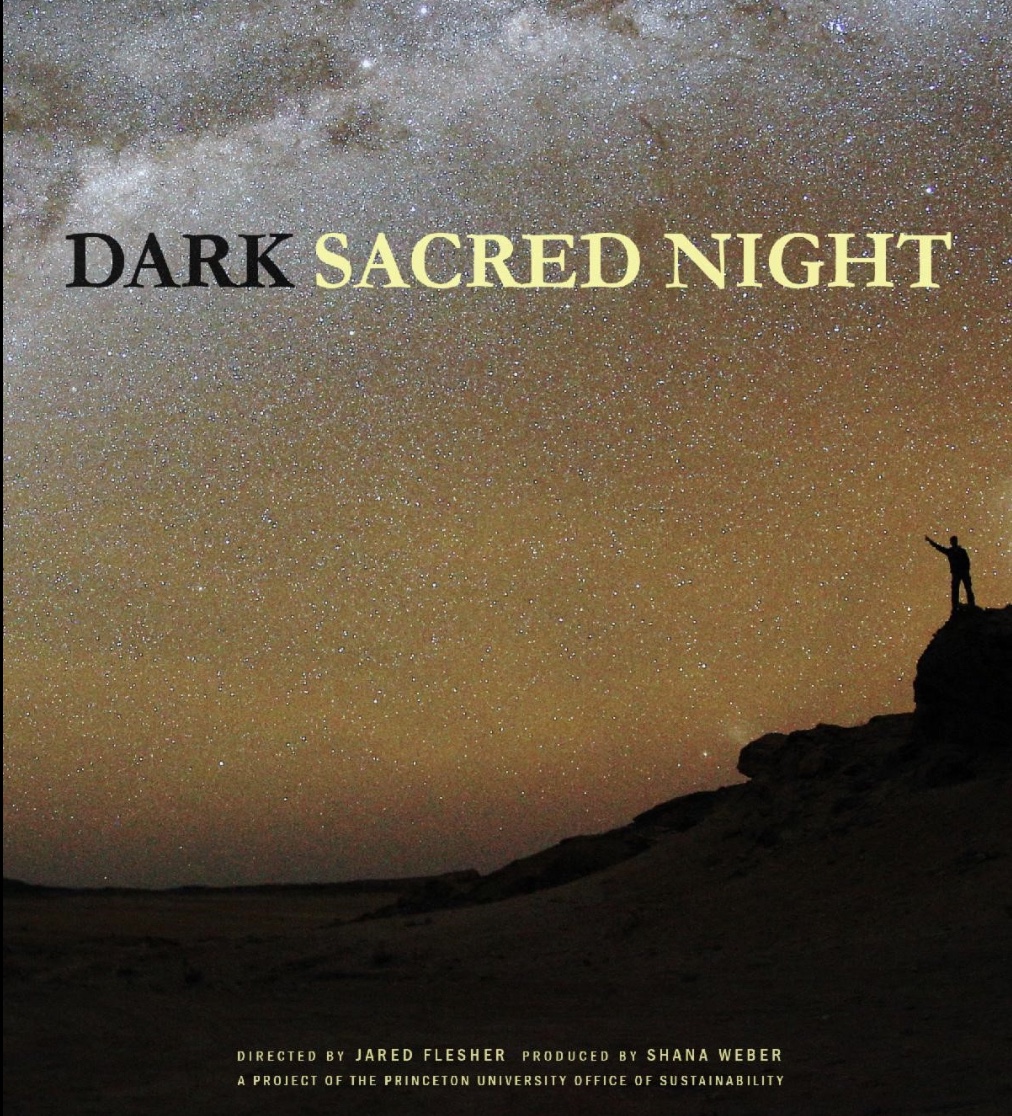
Te queremos compartir este inspirador mini-documental 🎥 sobre la importancia de cuidar nuestros cielos oscuros.
Parte de este trabajo fue precisamente grabado en Chile, en el observatorio @LCOAstro ✨
Gracias @BakosGaspar por este increíble trabajo, creando conciencia sobre la necesidad de reducir la contaminación lumínica 👏👏👏
Te dejamos el link para que lo disfrutes!!! 🍿
https://t.co/tRhiVOcoS5
The light of Earendel, our most beloved star ⭐
Discovered by @NASAHubble, Earendel is the farthest star ever detected. Webb’s fresh look reveals it to be a massive B-type star more than twice as hot and about a million times more luminous than our Sun: https://t.co/b6HZ0JRQsV
Un equipo de astrónomos y astrónomas ha creado un vasto atlas infrarrojo de cinco viveros estelares cercanos mediante la recopilación de más de un millón de imágenes. https://t.co/88mxEvL17O vía @ESO