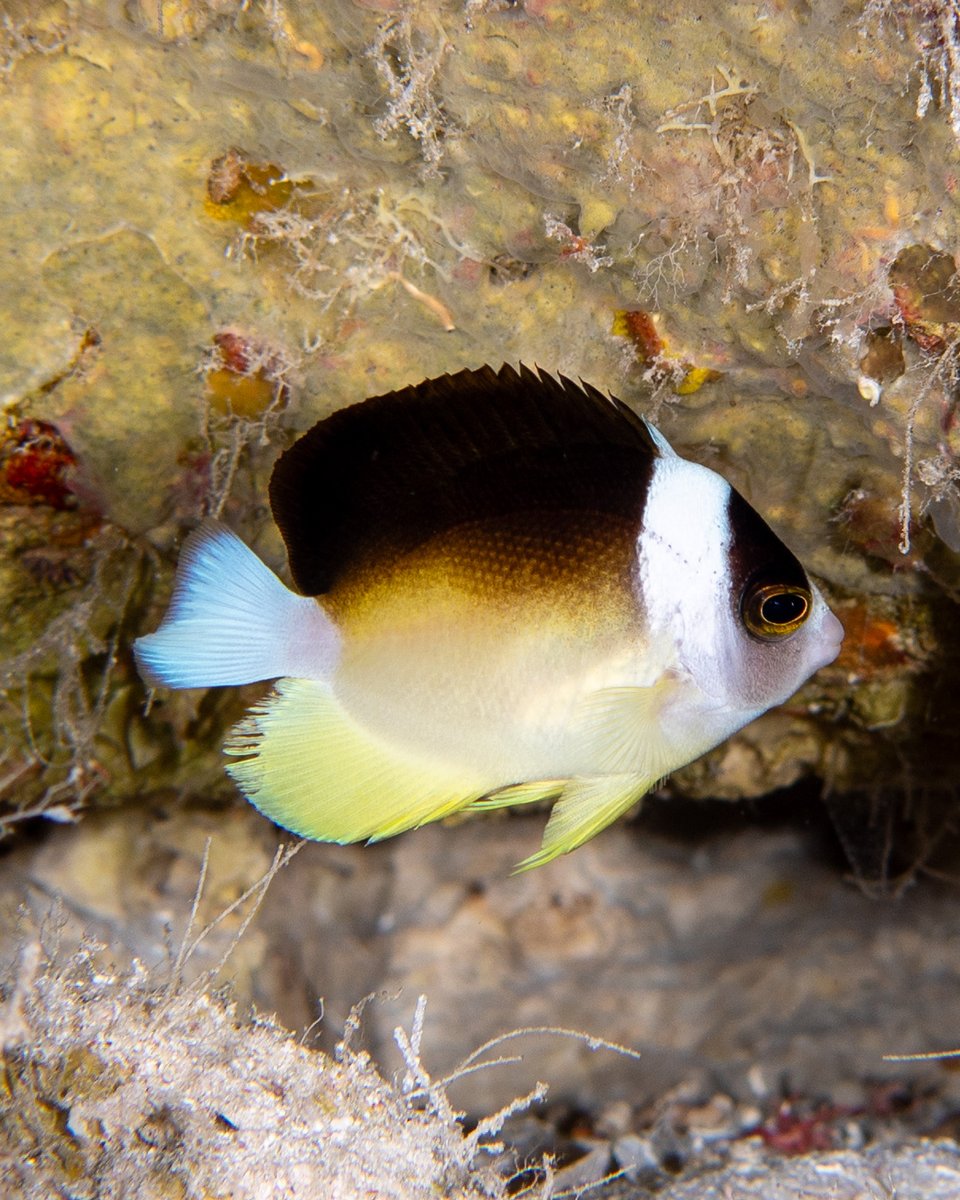
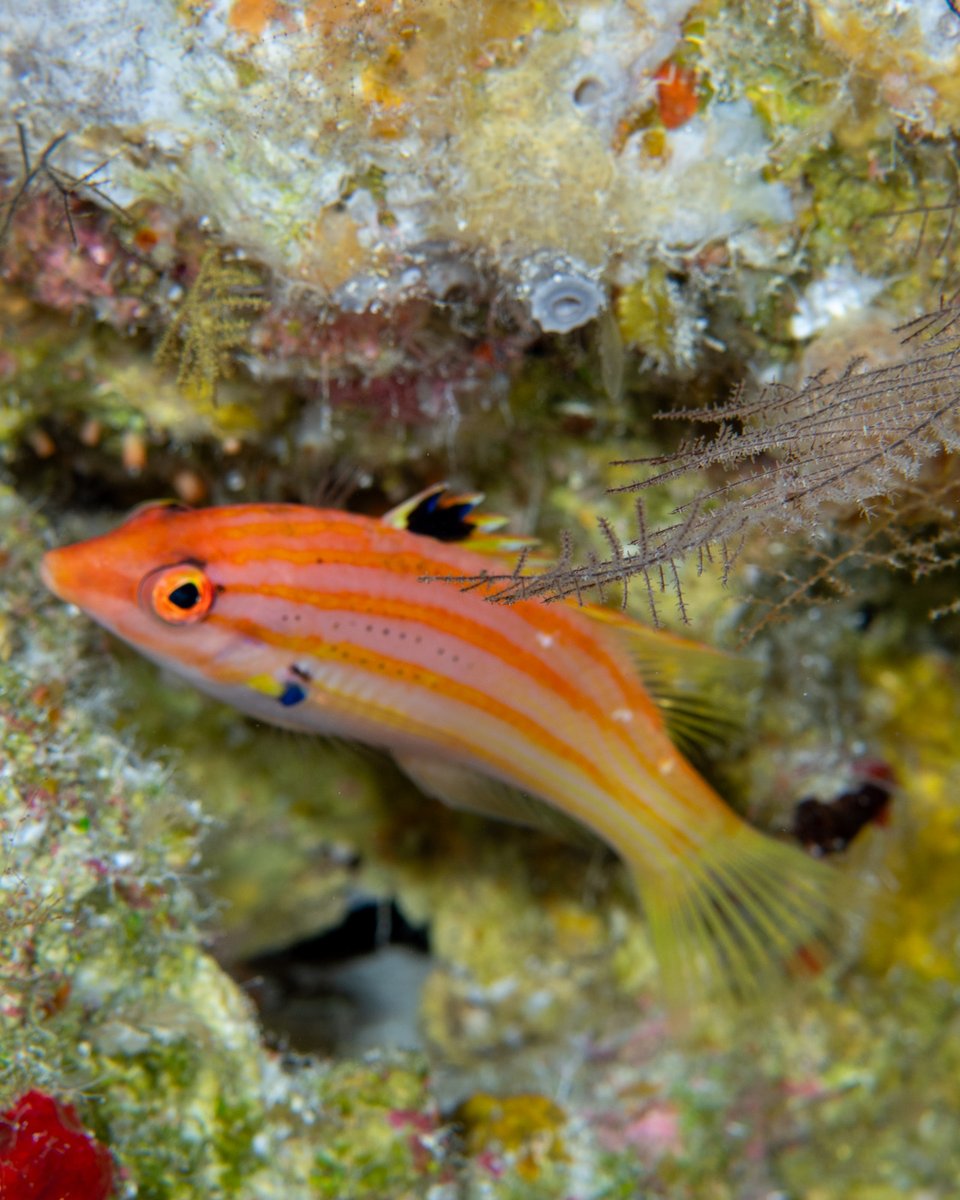
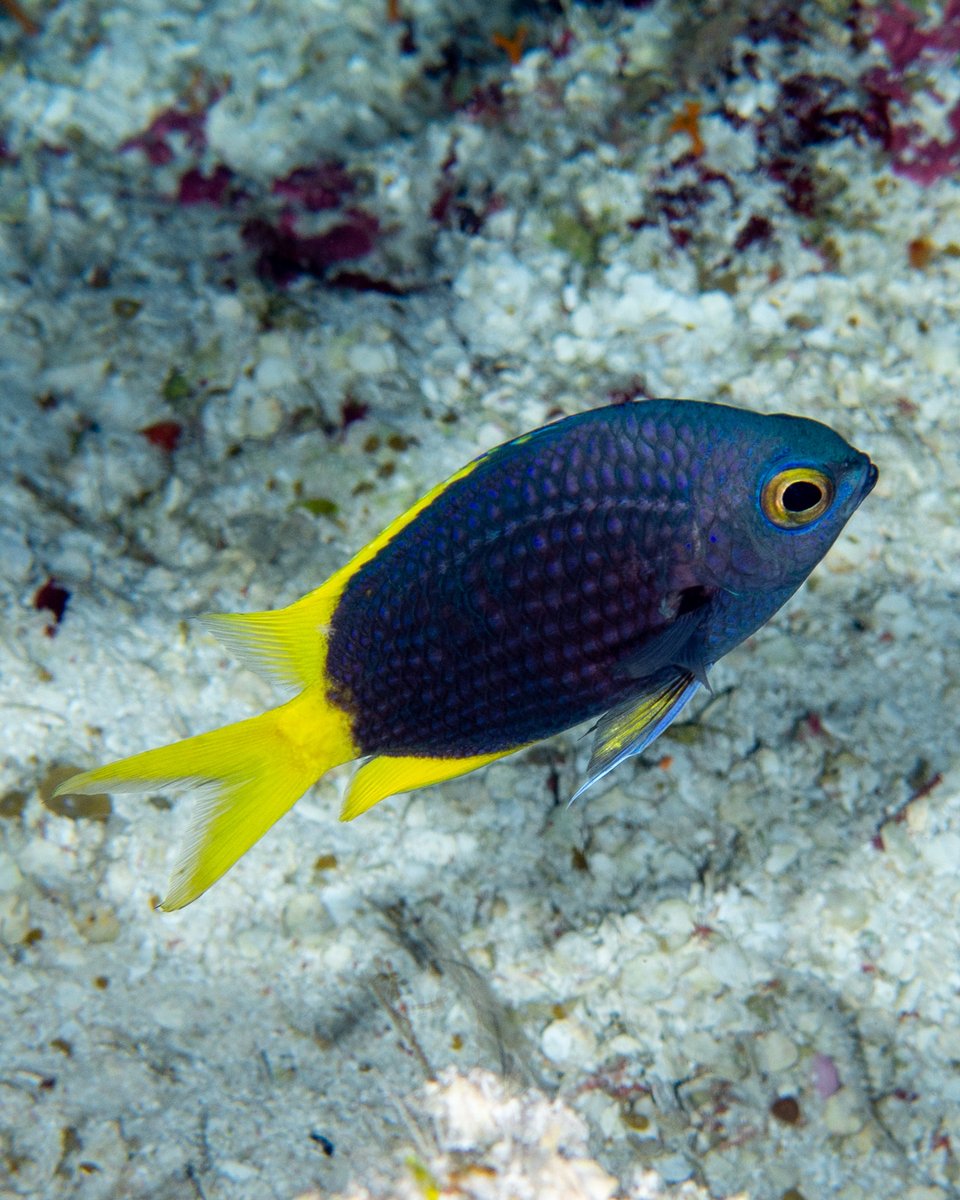
Congrats to @aintzane11, @R_BetancurR and our co-authors on our new @NatureComms paper: Ecological and genomic signatures of the convergent evolution of planktivory in fossil and living reef fishes over deep time https://t.co/ljY71vfrW7 1/4
@arciladk Specimen SIO 23-94 is now part of the Scripps Marine Vertebrate Collection and available to science! Consider helping us continue our work on documenting the deep-sea fish diversity! See the link below to support us https://t.co/PsiqQiuq5Y
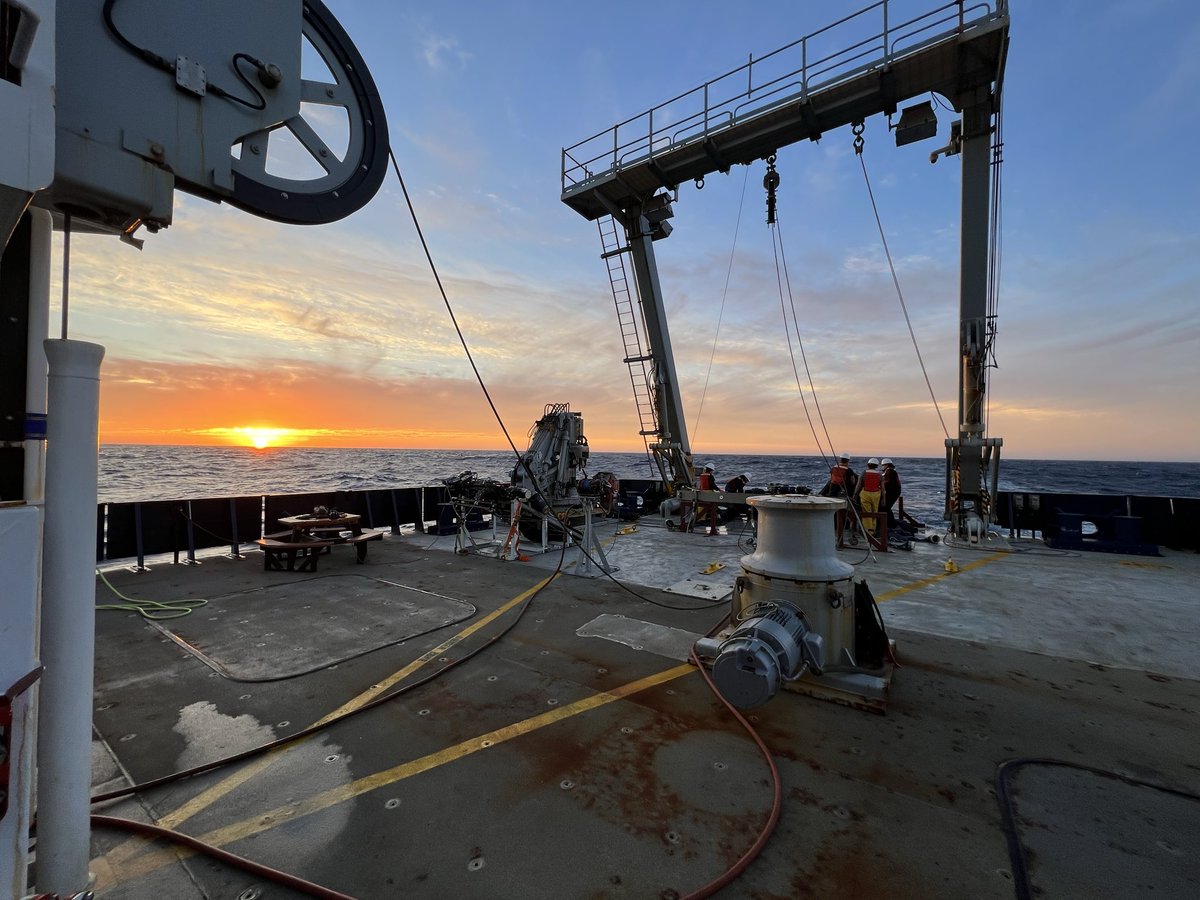
Back in October 2023, @Scripps_Ocean Professor @anelachoy invited me on a research cruise hundreds of miles off California to study open ocean Goodwin’s. I helped ID deep-sea fishes collected via a MOCNESS net system (opening–closing trawl with known capture depths)
We collected tissue samples and @arciladk was able to generate a mitogenome for this species and compare it with related eels, such as gulper eels, bobtail eels and snipe eels.
These fishes, many collected from Caribbean reefs and coastal ecosystems, are now protected, digitized, and available to scientists, educators, and the public. 3/5
We made a short video to share how this rescue effort is helping keep biodiversity alive for future research and discovery: https://t.co/PLfigqcdj9 4/5
Behind every specimen there’s a story, and sometimes a rescue mission.
https://t.co/eAznDjrLFB
When the fish collection in Puerto Rico was at risk, the National Science Foundation stepped in to help preserve decades of scientific work 1/5 @Scripps_Ocean@NSF@betanricar@Frable
Scripps Oceanography's Ben @Frable joins the Batiquitos Lagoon Foundation to share more about the fascinating deep-sea specimens known as #oarfish, and why they're washing up on California beaches.
📅 July 19
🕙 10 AM
📍 Batiquitos Lagoon Nature Center
https://t.co/2Dhh30ohiX
Our new paper reporting several new records of deep reef fishes at Australia's Coral Sea is out in Coral Reefs! Great team effort led by @fishguykai and including records made both by diving and ROVs. https://t.co/9b83cFKf12
Our friend Francesca recently spotted this cool creature washed up on La Jolla Shores, so naturally we had to phone our other friend Ben @Frable, manager of the Marine Vertebrate Collection here at Scripps Oceanography. 🐠 Here's what he had to say. ⬇️
"This is our most common deep-water eel, the dogface witch eel, Facciolella equatorialis. They occur around 300 to nearly 2,000 feet on the seafloor. I have been seeing them in greater numbers in the last few years." - @Frable
👀 🐠Some interesting fishy finds have been spotted around the world lately, like this rare humpback #anglerfish. Ben @Frable, manager of the Marine Vertebrate Collection at Scripps Oceanography, shares more about this cool creature for @Salon. ⬇️
https://t.co/grt7QkBfm7
New entrance to the Marine Vertebrate Collection! An amazing mural by @Fishing4Gyotaku of California ichthyofauna. Offshore to nearshore, shallow to deep, oarfish and footballfish to sardines and finescale triggerfish. Brought to life by the amazing @birchaquarium Exhibits team!
The New Zealand sole (Peltorhamphus novaezeelandiae) is host to many different species of parasites.
This study looked at the parasite fauna of this flatfish, and the role played by this sole in the transmission of those parasites.
https://t.co/uVtFRI5rWL