Fun interactive science app ideas | Part 5
Built a periodic table app that visualizes atomic and molecular structures
UI Design
GPT Images 2
Code
Gemini 3.1 Pro
More demos ↓
experiment with a memory system that keeps rewriting itself:
a hopfield network remembers an alphabet. as memories decay, it begins to hallucinate glyphs it was never taught - forgetting becomes a way of inventing.
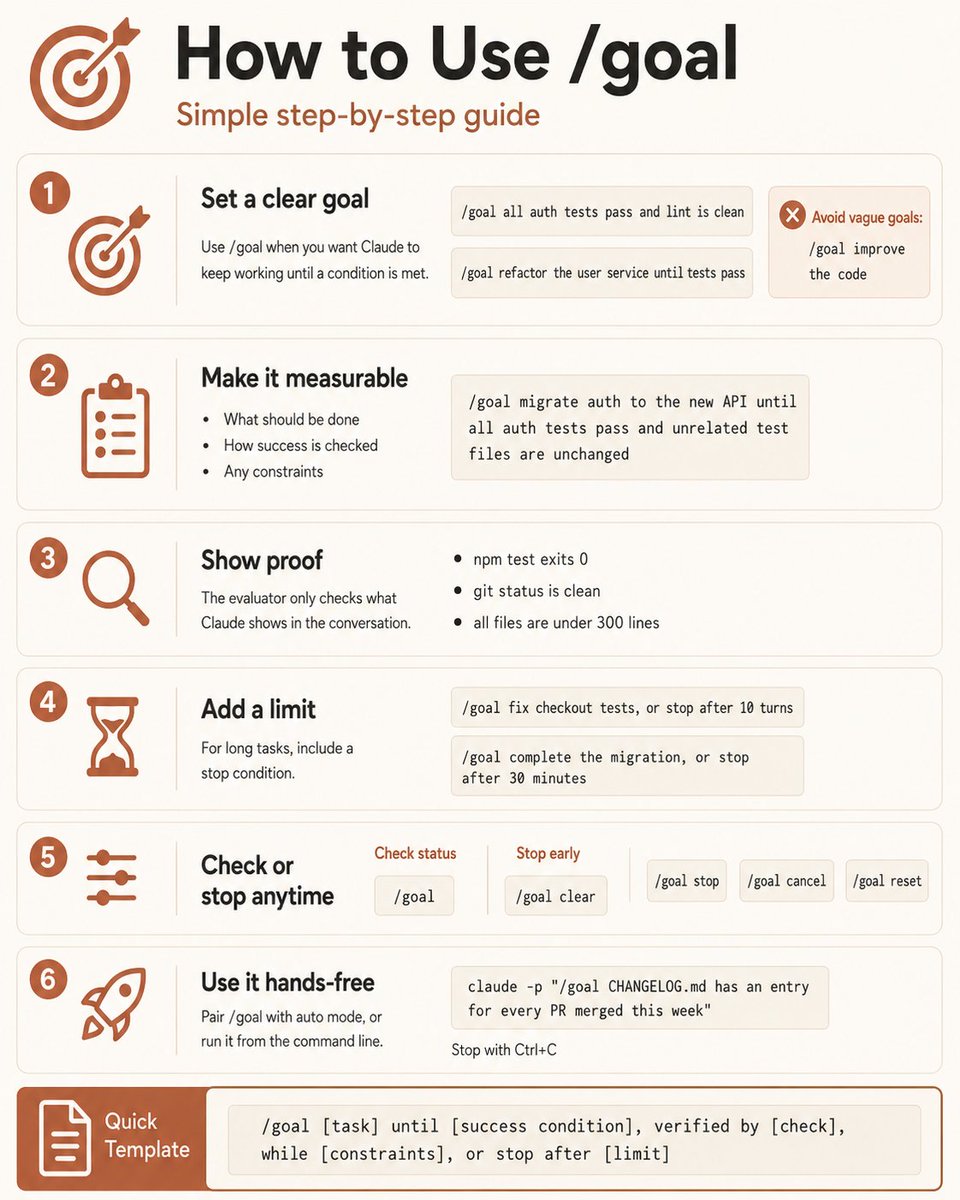
Claude Code /goal is way more powerful when you stop treating it like a todo.
> Set a clear goal.
> Make it measurable.
> Show proof.
> Add limits.
Bookmark this.
I was a bit hesitant about showing stuff like this just a month ago 😅
When we started showcasing real-time AI + SDF sculpting, I was afraid professionals would laugh if I showed no effort on the input models. The shape strength slider was also hidden in our first iteration, so I had no choice but to at least try and knock some more interesting shapes together.
Now that we're starting to focus on more powerful features and shape strength is finally unlocked, I'm starting to appreciate just playing with simple shapes.
Different stages of production have different needs. Sometimes you want full authoring over your creations, while other times you just want to quickly explore new ideas.
~ memory is a flock of birds ~
i built a hopfield network and taught it the alphabet - then watched it remember in real time by adjusting the temperature.
no neuron has the whole picture. the memory is distributed across every neuron’s connections.
Fun interactive science app ideas | Part 3
Played around with generating 3D biological structures and made an app to explore them interactively
UI Design
GPT Images 2
Code
Gemini 3.1 Pro
More demos ↓
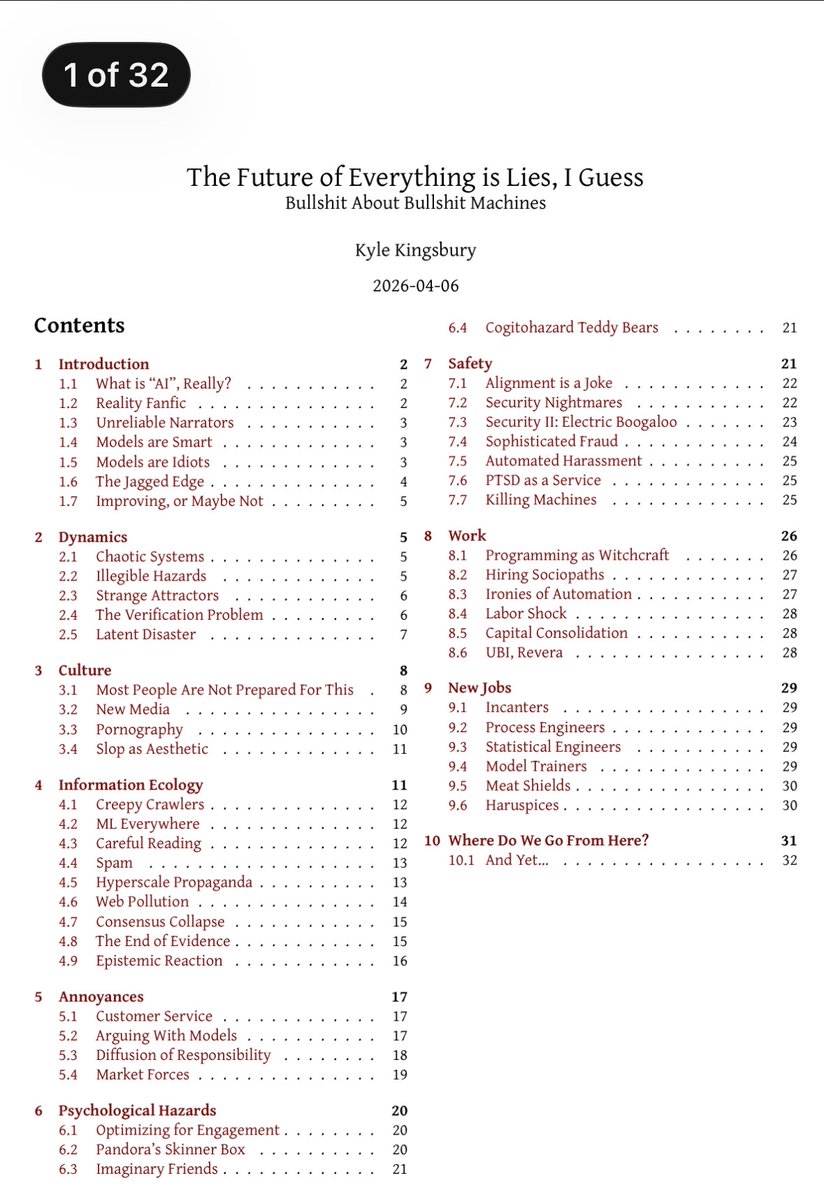
Read Kyle Kingsbury’s 32 page critique of AI: “The Future of Everything is Lies.”
It is a polemic, cynical and disagreeable piece to many in tech, but felt by most outside of it. It highlights the many problems we will need to solve as AI percolates through society.
Must read.
This is the best way to learn how LLMs work.
Interactive. 3D. Step-by-step.
Covers:
→ Embedding
→ Layer Norm
→ Self-Attention
→ MLP
→ Transformer layers
→ Softmax
→ Output
Stop reading papers. Start seeing.
Link in comments.
Save this immediately.
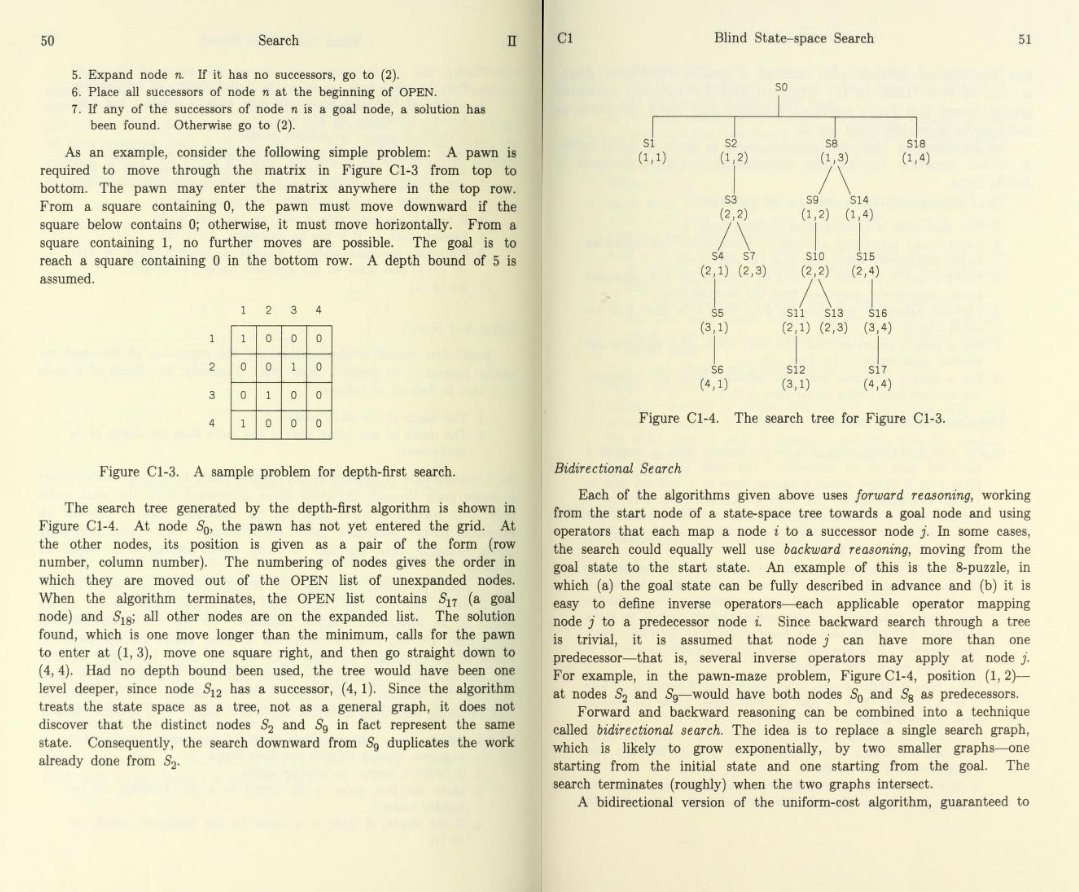
"The Handbook of Artificial Intelligence" Vol. I (1981), edited by Avron Barr and Edward Feigenbaum, is one of the first systematic attempts to map AI as a discipline. Search, knowledge representation, natural language, inference, all pre-connectionist, entirely symbolic. A snapshot of what the field knew how to formulate before it knew how to scale. Still worth reading today because it shows how much of the field is older than it looks.
https://t.co/HnSPmOYdNk