People who have a greater tendency to detect illusory patterns are also more likely to be receptive to conspiracies and pseudo-profound bullshit.
- https://t.co/SS4OWLbSfw
- https://t.co/BAp7JDZMwH
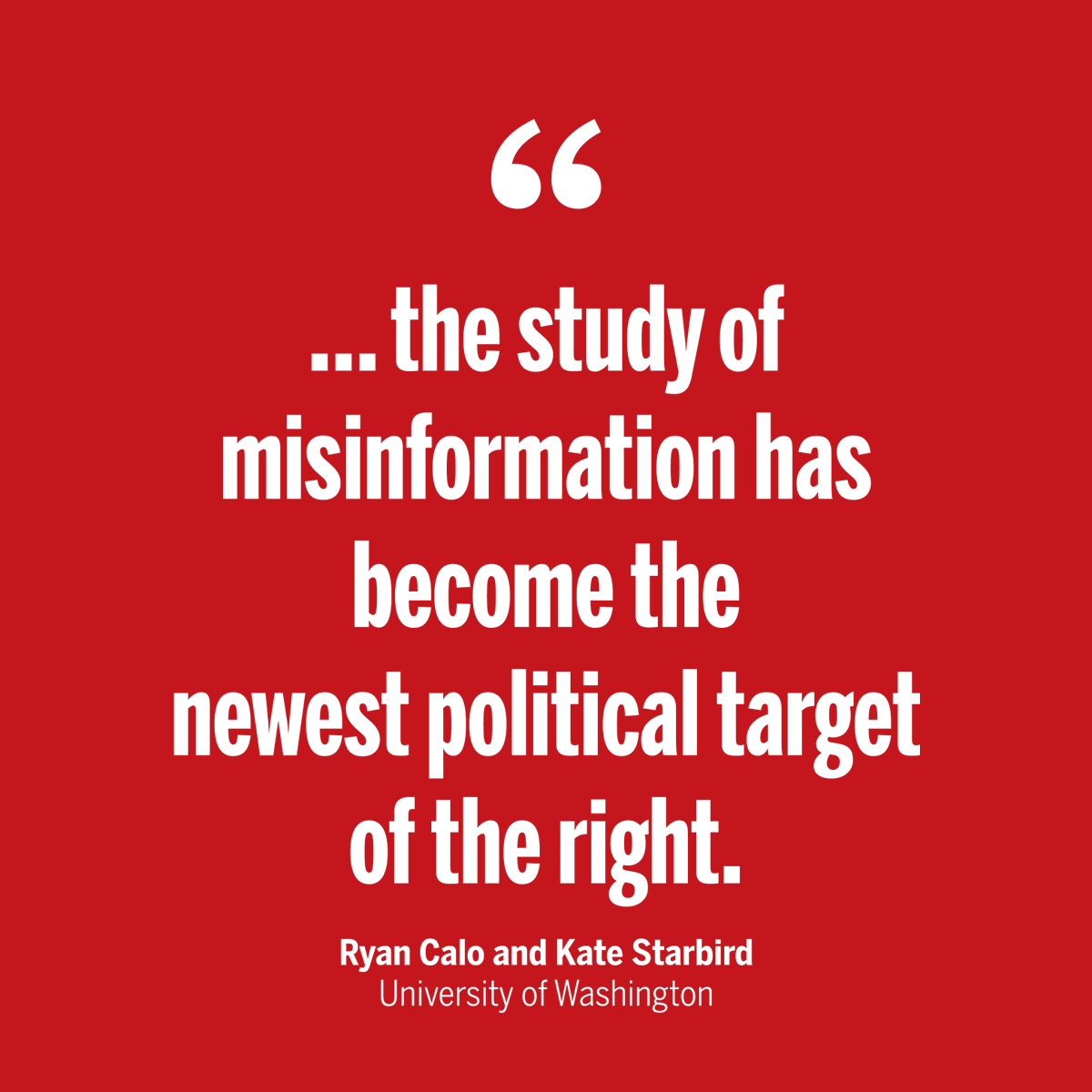
"The claim is that online misinformation researchers are trying to silence conservative voices. The evidence suggests just the opposite," write @rcalo and Kate Starbird in this week's #ScienceEditorial. https://t.co/YLidUqrXI1
"Grounded in evolutionary social psychology... first empirical evidence, to our knowledge, that spreading conspiracy theories may enhance one's reputation, especially during intergroup conflicts"
https://t.co/Ar9Eca9CLt
Reporter: “Did President Biden bring up Star Wars, too?”
@MarkHamill: “I called him 'Mr. President,' and he said, 'You can call me Joe.' And I said, 'Can I call you Joe-bi-Wan Kenobi?'”
How Europe’s Conspiracy Influencers Went From Covid-19 to the Climate https://t.co/LmjhddfWF2
"...conspiratorial influencers who built large audiences during the Covid-19 pandemic have turned to false and misleading claims about the climate and other topics to keep their audiences engaged."
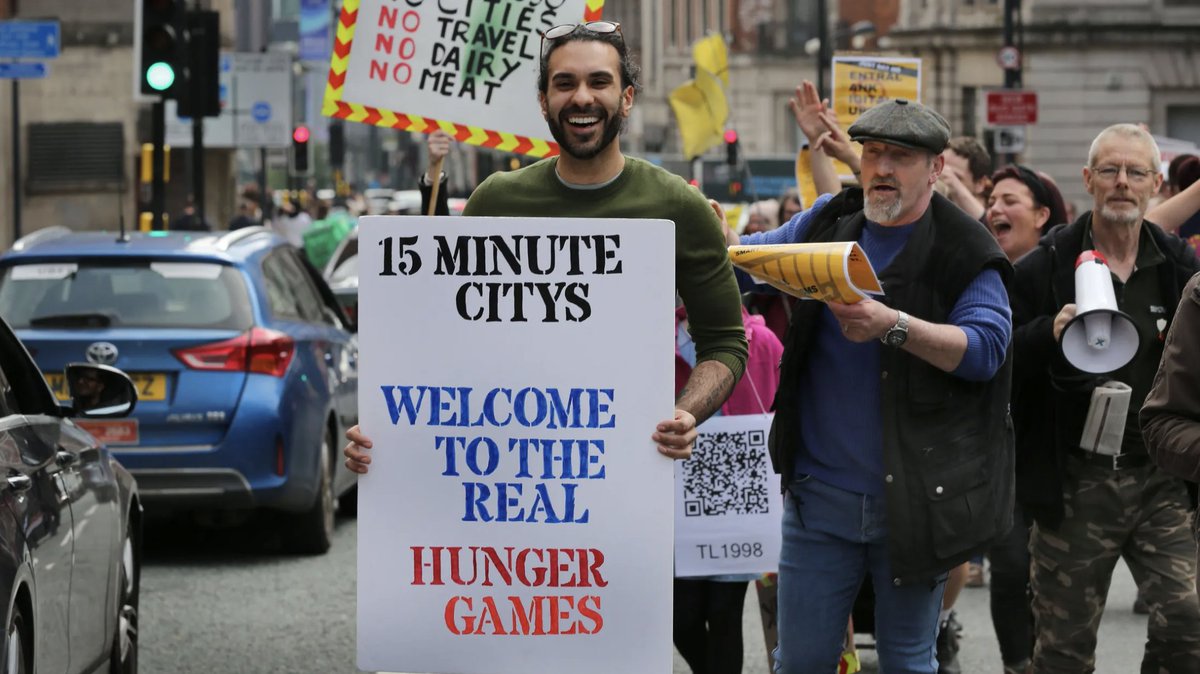
"Many of the group’s posts link efforts to reduce emissions to a conspiracy theory about '15-minute cities,' a fairly innocuous urban planning concept to make amenities easily accessible..."
by @alessioperrone@DarrenLoucaides et al. via @RollingStone
The 15-Minute City conspiracy theory will not die!
Reality: Urban planning concept that has been around for decades (eg, Garden Cities, Smart Cities). Goal is to make cities more empowering & liveable.
Conspiracy theory: Plot by global elites (eg, WEF) to control population & takeaway rights. This is a complete fiction.
Many real issues to consider, such as infrastructure cost & impact on rent, businesses, etc.
But.... Should we make policies in response to lies? Probably not. Let's not normalize bunk.
Soon: on @ctvedmonton cc @KentMorrison@JasonHalb@NWeisbergCTV@KimWynnCTV
Conspiracy theories generate the most engagement online:
“false news posts that contain conspiracy theories, on average, receive 40.8% more reposts, 45.2% more likes, and 44.1% more replies compared to false news posts without conspiracy theories."
"...false news has a longer lifetime and receives more posts on X than true news."
"...post viewers tend to engage more with misinformation containing conspiracy narratives."
"...false news posts that contain conspiracy theories, on average, receive 40.8% more reposts, 45.2% more likes, and 44.1% more replies compared to false news posts without conspiracy theories."
"...misinformation containing conspiracy theories exhibits the strongest topic diversity aligns with previous research, highlighting the interconnected nature of conspiracy narratives."
Study [preprint]: How Conspiracy Theories Shape Engagement With Misinformation During a Health Crisis? https://t.co/J00lTt8nki cc @Sander_vdLinden






![CaulfieldTim's tweet photo. "...false news has a longer lifetime and receives more posts on X than true news."
"...post viewers tend to engage more with misinformation containing conspiracy narratives."
"...false news posts that contain conspiracy theories, on average, receive 40.8% more reposts, 45.2% more likes, and 44.1% more replies compared to false news posts without conspiracy theories."
"...misinformation containing conspiracy theories exhibits the strongest topic diversity aligns with previous research, highlighting the interconnected nature of conspiracy narratives."
Study [preprint]: How Conspiracy Theories Shape Engagement With Misinformation During a Health Crisis? https://t.co/J00lTt8nki cc @Sander_vdLinden](https://pbs.twimg.com/media/GRgcKXQb0AIfYYu.png)


