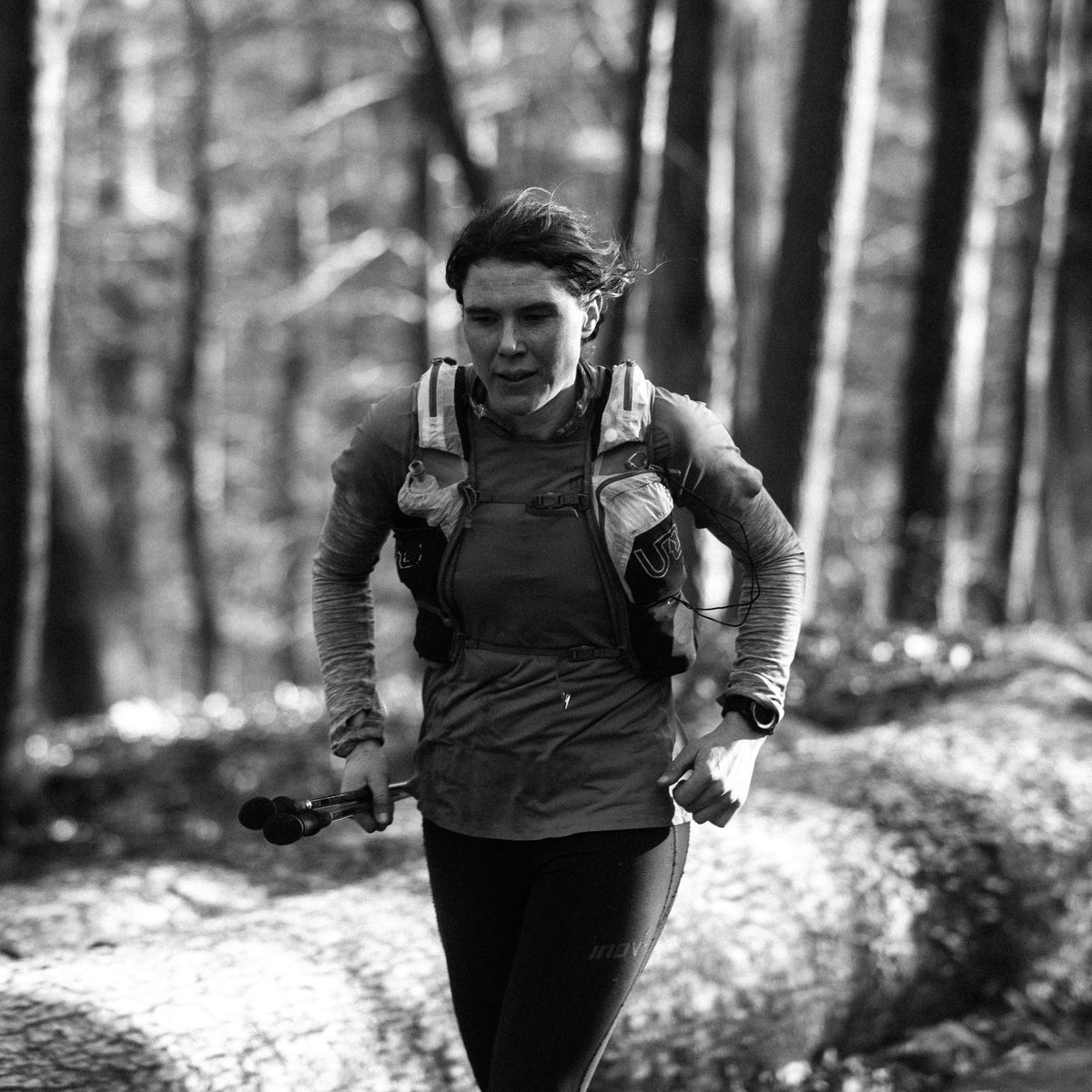
The #bm100 2024 tab has been opened! A reminder to anyone not familiar with my spreadsheet: It's NOT a primary source, I'm just collecting all the online information in one place. There is ALWAYS misinformation on there, even I can't unbarkley the barkley https://t.co/iiHxV6guSl
@DanWuori Originally from Germany but living in England. Ex-teacher with a toddler and another baby due early next year. Your posts make me smile and think every day. Thank you!
“NEVER AGAIN”
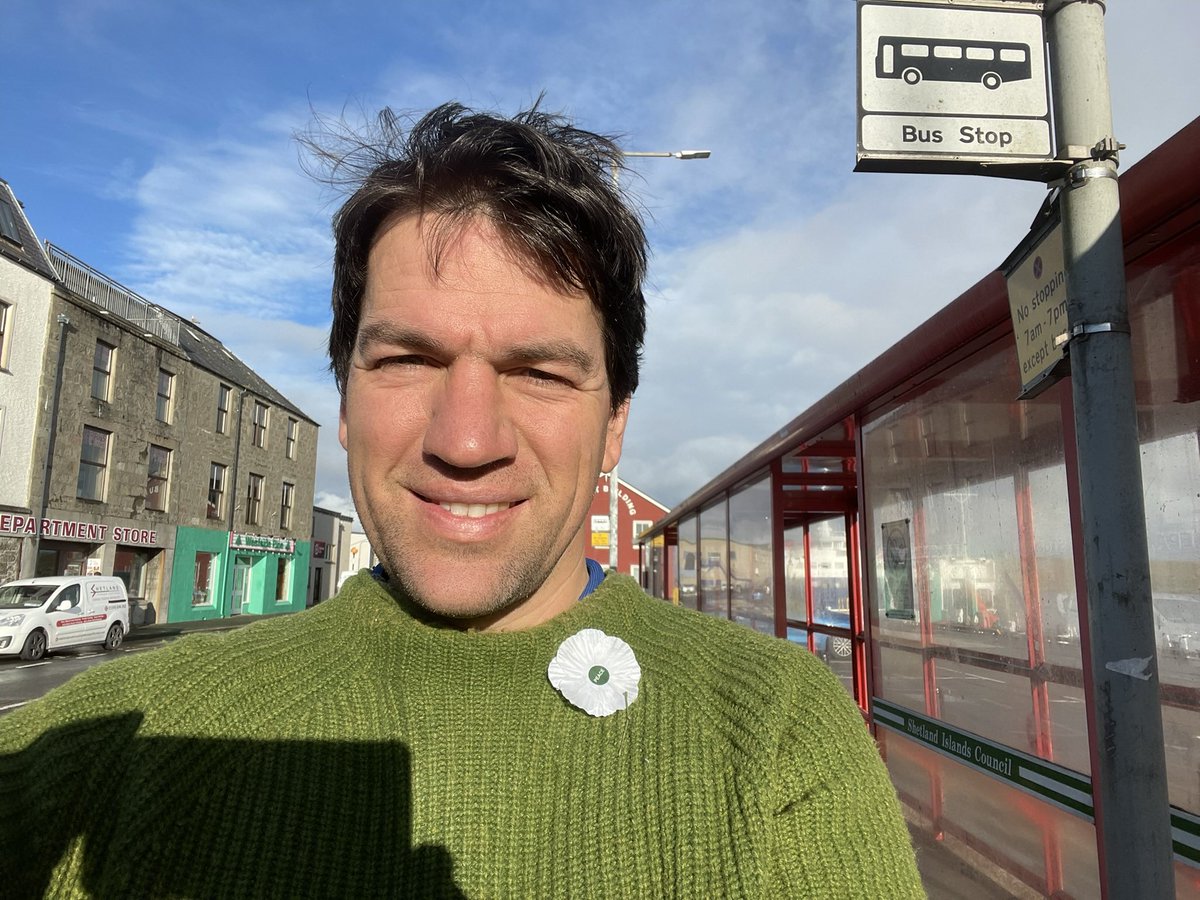
One of my councillor colleagues asked me about my white poppy today so I thought I’d share what the white poppy is and why I wear one.
🧵/1
On #WorldTownPlanningDay we celebrate the planners of Milton Keynes! What's your favourite thing about the design of MK? Autumnal colours along a grid road? Conservation of the historic villages? If you want to dig deeper into the planning and design visit https://t.co/eWxnDxWwcI
There's a teacher shortage coming. It's been coming for a while, but was staved off by the pandemic.
Now, it's heaving back into view & it isn't pretty.
It's easy to blame the DfE, but I think some other things are happening that matter outside of education too 🧵... STRAP IN!
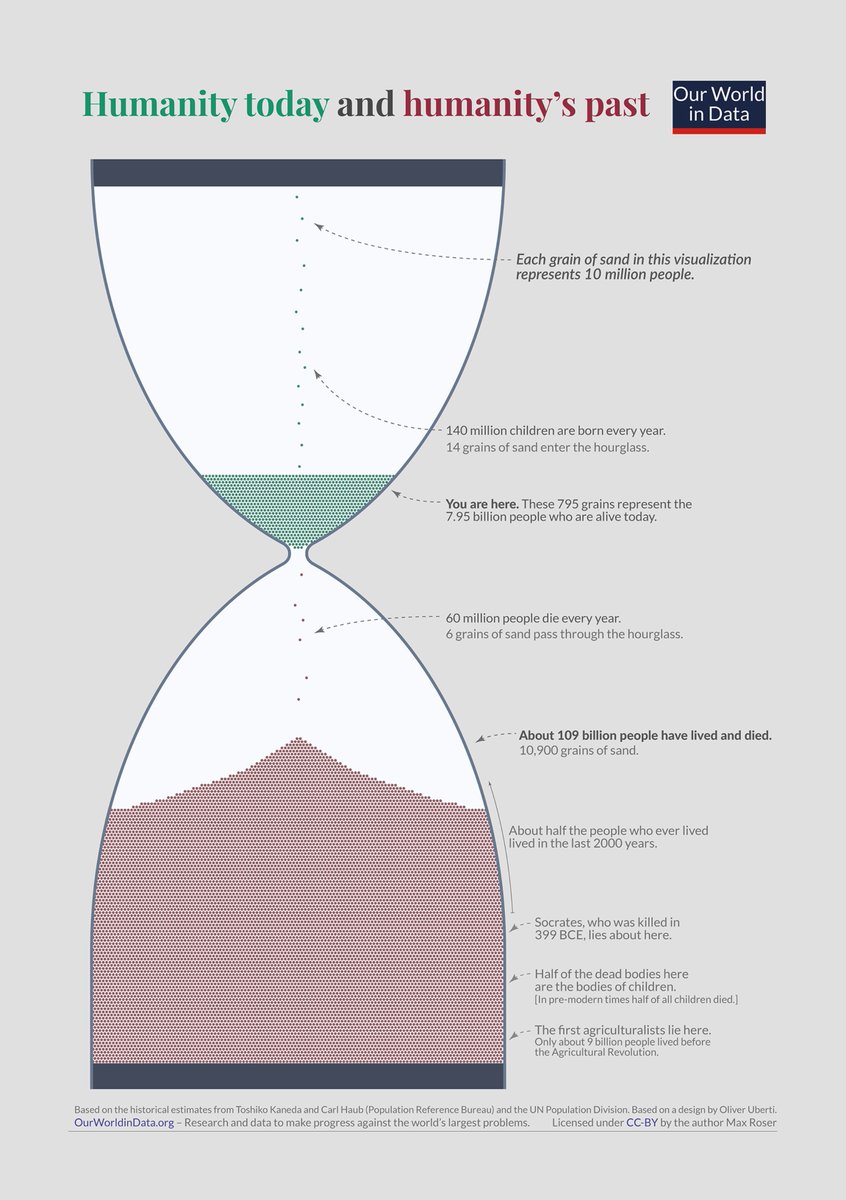
7% of the humans who have ever lived are alive right now.
And we are all directly linked to the 109 billion people who have come before us.
You know somebody who knew somebody else who knew another person who knew another, and so on, going back further and further in time, who once knew William Shakespeare (for example). In other words: we are all connected to every human who has ever lived by a chain of conversations, relationships, friendships, and every other form of social connection, going back to the beginning of human civilisation and beyond.
And the decisions those people made continue to influence the present in ways both major and minor.
A good example is language. There are certain words (including mother, fire, and what) which linguists believe to be at least 15,000 years old. They were part of a language spoken during the Ice Age which is the common ancestor of many modern languages. But these words didn't just appear — people, perhaps a single individual, came up with them. And, passed on from one person to another, we are still using them today. What words we create will be spoken 15,000 years from now?
The point here is that history has few hard lines. We usually think about the past in terms of dates and movements. The Battle of Hastings was in 1066, the Western Roman Empire fell in 475 AD, the Renaissance began in the 15th century etc. Thus we end up with a neat procession of ages: Classical Antiquity, the Middle Ages, the Renaissance, the Enlightenment, the Industrial Revolution, and so on.
But the truth is that generations, movements, cultures, ideas, events, and civilisations all melt imperceptibly into one another.
We are currently living in the Information Age (or the Digital Age), but when did it begin? Was it with the invention of the transistor in 1947, or of the World Wide Web in 1989? Maybe, but in the 1980s our capacity for storing data was less than 1% digital, and it didn't go beyond 50% until 2002.
You've got to draw lines somewhere, if only for simplicity and ease. But we've got to remember that the past, like the present, was ever-changing, complex, and imprecise. In the same way that our Digital Age didn't simply "begin", in the year 1475 people didn't suddenly wake up and decide they were in the Renaissance rather than the Middle Ages. Over the years Leonardo painted his pictures, Machiavelli wrote his books, and Bracciolini uncovered ancient manuscripts — the Renaissance emerged and people realised they were living through it.
History isn't movements and dates; history is people saying and doing things.
As Thomas Carlyle once wrote, the entirety of the past and the entirety of the future are contained in the present. This isn't just a memorable line — it is literally true. Every future human being will be the descendant of people alive today, just as we are all the descendants of people who came before. Everything that has ever happened has brought us here, and everything that could ever happen will be a product of today.
Ways Brits finish a tea break:
1. “Anyway, better get back to it”
2. “No rest for the wicked”
3. “Right, I shall crack on”
4. “Back to the grind”
5. “Suppose I better do some work”
6. “Here we go again”
7. “This work won’t do itself”
8. “Onwards and upwards”
Estonia may have the most generous family policy in the world.
Through a policy of universal job-protected parental leave, they provide parents with their full salaries — up to three average salaries — for 18 months, and since 2004, if the interval between births did not exceed 30 months, parents could retain their benefits through to the next child.
Their policies have brought enrolment in childcare services to 33% among kids aged 1 and 74% for kids aged 2, with >90% usage among kids aged 3 to 5.
In 2007, the policy was reformed to provide fathers with the opportunity to take parental leave right after maternity leave ends, and changes between 2018 and 2022 have further increased the flexibility of leave use and the proportion of fathers who use the policy.
In other words, Estonia provides parents with full income compensation with a high maximum compensation level, and they provide these benefits for a long period of time, to both sexes, and with childcare benefits as well. Just over 3% of Estonia's GDP is dedicated to their family policy.
The effect of family policy on mothers has just been found to be considerable.
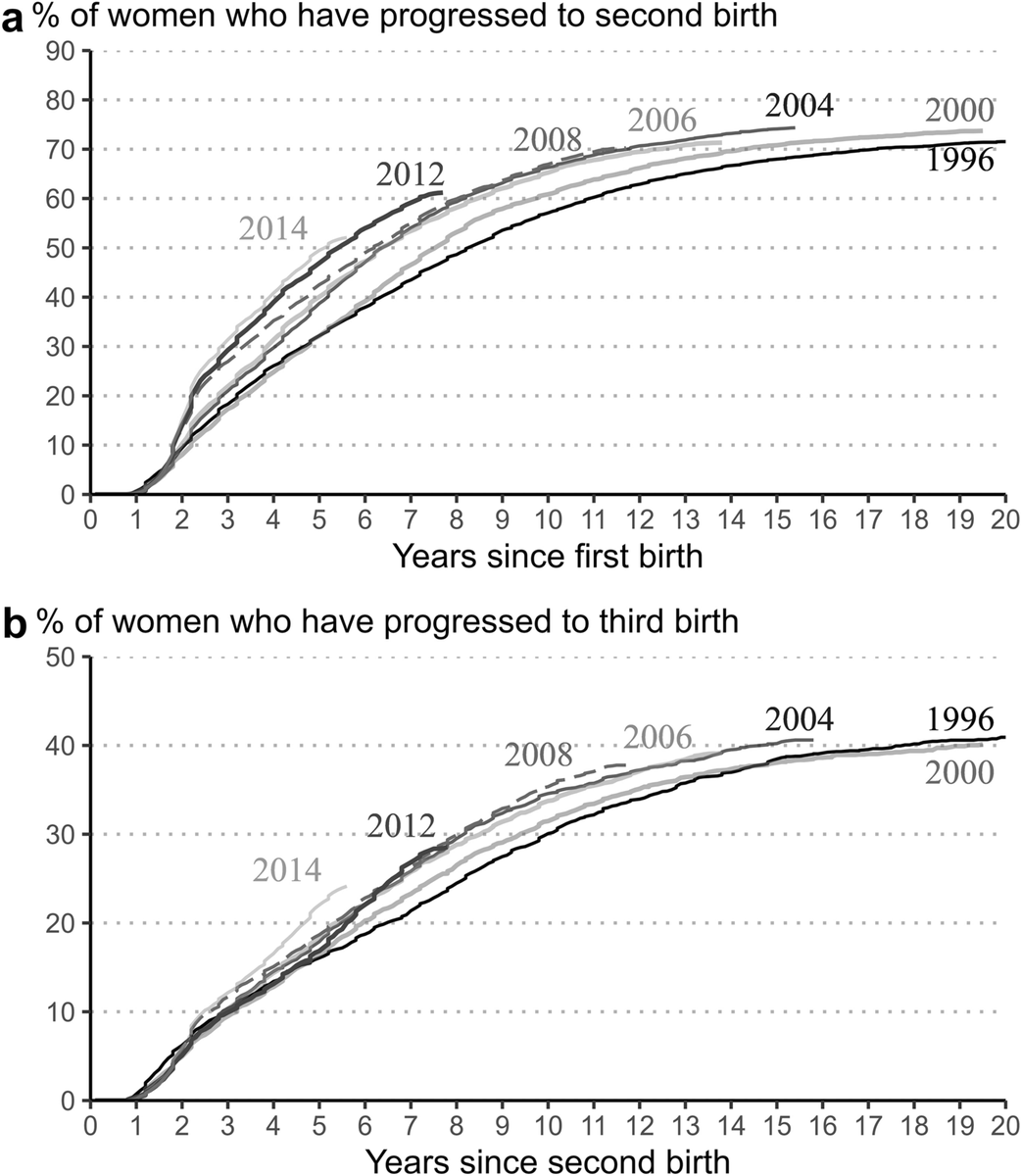
Expansions to the policy have increased the probability of a second birth by 5.5%, and they've pushed up the probability of a third birth by 13.8%. At the same time, the reforms have reduced the time to conception by 12% for mothers with one child and 15% for mothers with two children.
Family policy, if it's generous enough, can work to affect both the birth quantum (how many) and the birth tempo (how quickly).
The way Estonia does this pays for it self by allowing them to have one of the highest female employment rates and, accordingly, one of the smallest gender wage gaps.
Here's the study: https://t.co/Ny4vvPIclf
Here's a little look at German cost of living vs British cost of living, which goes a long way to explain why British people are suffering- despite the UK being ome of the richest countries in the world
/1
Sky News came to KCL UCU pickets today. And we gave a message to every employer:
📈reverse the 30% real pay cuts since 2010 + restore pensions
🟰end the 18% gender + race pay gaps, now
🎓stop forcing staff to reapply for their jobs every year
🗳️make our universities democratic