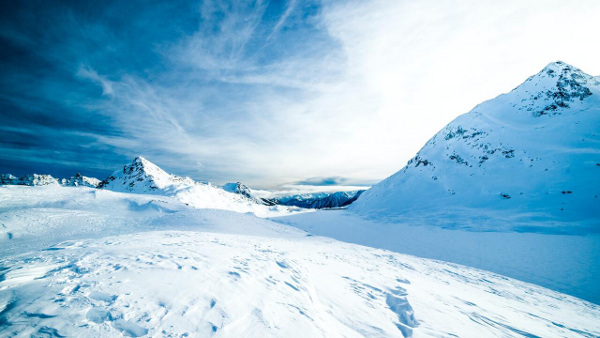
With the #snowstorm coming today in southern Ontario, it goes to show how important accurate surface snow estimates are in the region! Check out our recent #CMOS bulletin post on the #ML work we are doing in this area
(https://t.co/ujcIUESyFO)
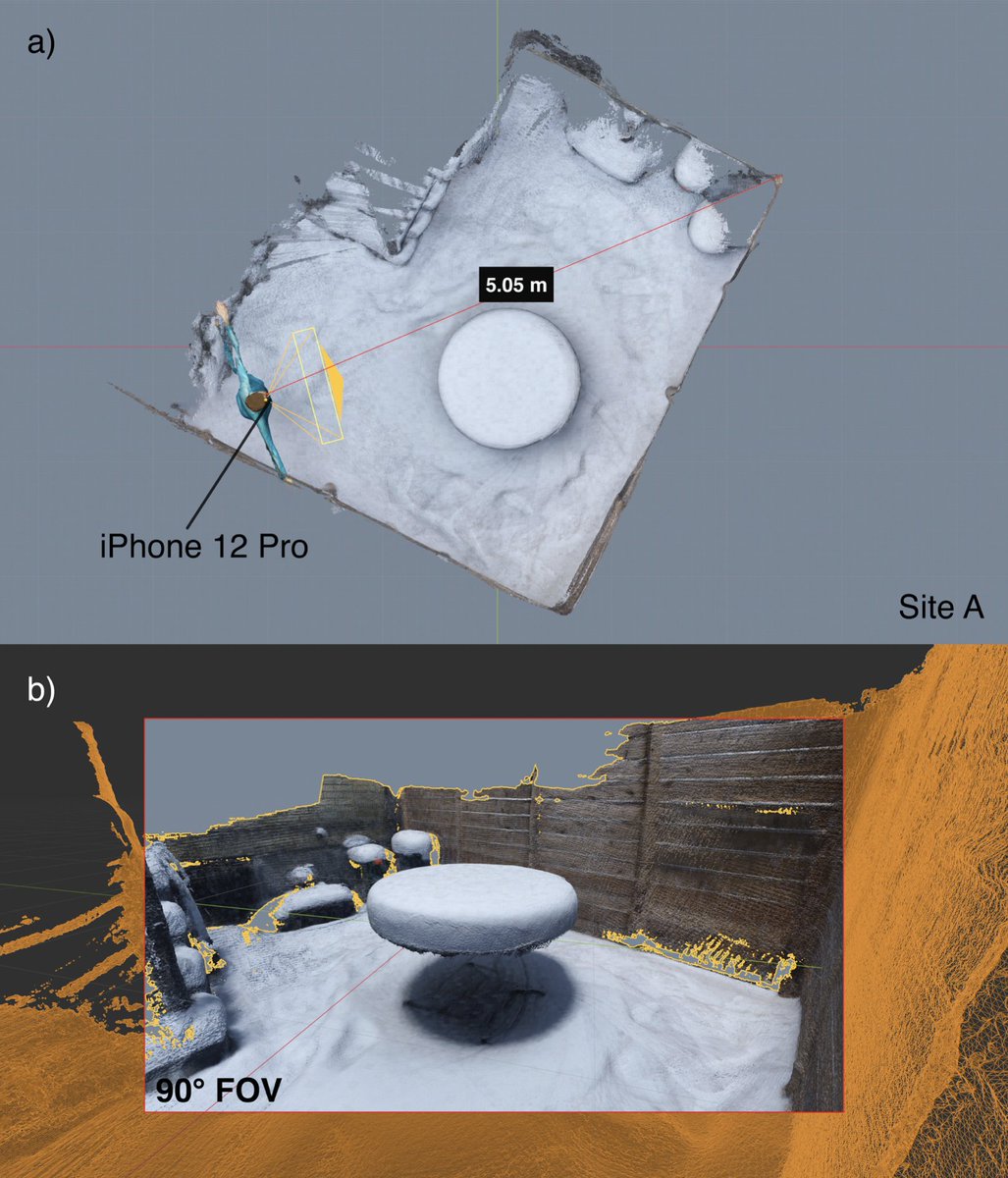
Want to help improve our estimates of snow? Our new #research article published in Cold Regions Science & Technology (#CRST) demonstrates how the #iPhone's LiDAR module can be used to remotely measure snow depth when attached to a #drone! ❄️📱📡
https://t.co/LF3A9A53ed
Images are a powerful way to communicate science. The “Science Exposed” contest, organized by @NSERC_CRSNG and @_Acfas invites researchers across Canada to submit images that showcase their work
Enter before January 30 → https://t.co/HHX2is4Ffj
📷 @FraserTheKing
Our latest research using deep learning to predict surface precipitation using K-band doppler radar was just published in AMT! 🛰️❄️📡 If you are interesting in reading more: https://t.co/ryb3b3oO7E
A neural network developed by @FraserTheKing and colleagues at @UWaterloo models #weather in order to measure annual #snowfall and snowmelt in the context of climate change. https://t.co/QvFaEiYHRv
Hello Precip Folks,Take a look at the new #TowardsDataScience article by @FraserTheKing. Blog discusses #DeepPrecip, a deep learning precipitation retrieval algorithm composed of 1.7 million nodes and 2.8 million edges. Read more details in the article: https://t.co/ZlGRf22kFD
In a new @TDataScience article, @UWaterloo PhD student @FraserTheKing introduces DeepPrecip, a highly accurate deep learning snowfall prediction algorithm that has achieved a significant training speedup using Graphcore IPUs. Full story: https://t.co/JgmsBeiZJ7
DeepPrecip, a novel deep learning snowfall prediction algorithm, has achieved a significant training speedup using Graphcore IPUs. https://t.co/1usUYdIMkA
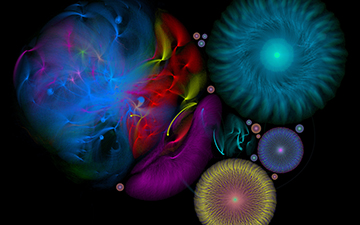
In a new #TowardsDataScience article, our research team introduces #DeepPrecip ❄️🌧️, a highly accurate deep learning precipitation retrieval algorithm composed of 1.7 million nodes and 2.8 million edges (pictured below). Read the article here: https://t.co/br9HgBiOtn #uWaterloo
📸
#ScienceExposed Top 20 is back!
[Do neural networks dream of falling snow?]
by @uWaterloo's Fraser King @frasertheking.
To vote for this image for the 2022 People’s Choice Award 🏆, click here ▶️ https://t.co/iZQRON6jZm
Accurate #snowfall estimates allow us to better predict springtime flooding and track fresh water availability in our communities. In our recently published paper, we examine how #machinelearning (ML) can be used to estimate snowfall from #radar data ❄️🛰️🤖https://t.co/tDe4eVMYsi
The render of our Deep Neural Network was selected as a finalist in the #NSERC#ScienceExposed contest! 🥳🇨🇦 Support #uWaterloo and the #Geosciences by placing your vote today! (link: https://t.co/8t8PuSLr64)
Citizen Science programs provide an opportunity for everyone (not just those in academia) to participate in the scientific process. We have just published a research article to IEEE showing how to use your Smartphone to measure snow! #science#snow#radar https://t.co/Za1j9v8Zbf
Welcome home. Love the detail and colours in this historic map of #Kitchener#Waterloo#Guelph and #Cambridge. If you are interested in picking up a copy, check out my website at https://t.co/CrCU8IQnwM





![NSERC_CRSNG's tweet photo. 📸
#ScienceExposed Top 20 is back!
[Do neural networks dream of falling snow?]
by @uWaterloo's Fraser King @frasertheking.
To vote for this image for the 2022 People’s Choice Award 🏆, click here ▶️ https://t.co/iZQRON6jZm https://t.co/YT7GXStUGB](https://pbs.twimg.com/media/FZ-96zpXgAAHQOh.jpg)