Hey White House, please remove the Tropic Thunder clip. We never gave you permission and have no interest in being a part of your propaganda machine. War is not a movie.
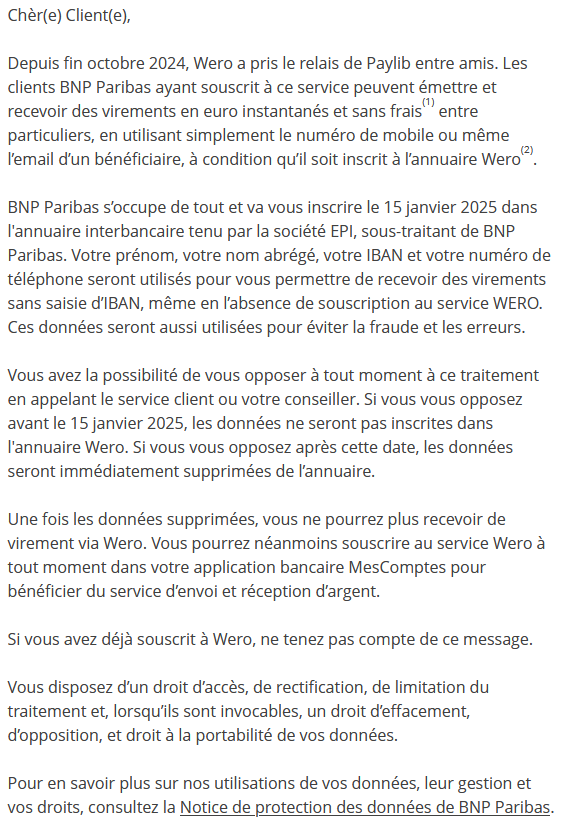
@EntrePros_BNPP Je vais vous signaler a la cnil car le processus doit etre l'inverse de ce que vous declarez. On ne fait pas d'opt-out!!!
Votre message ne contient aucun lien direct pour s'opposer et je ne parle meme pas des francais vivant a l'etranger.
Bonjour @BNPParibas ( @mabanque_bnpp ) etes vous sur que l'inscription d'office a un fichier d'un prestataire sans opt-in c'est compatible avec le RGPD et la @CNIL ?
cc @aeris_v2
Today is International Men's Day where we celebrate the wonderful men in the #RFS who bring positive value to their brigades and communities. We spoke with Deputy Captain Craig Walsh from Winmalee Brigade who credits his many mentors for helping him through his RFS career.
🌍✨ Leafmap now supports adding directional symbols to the map with only one line of code! 🚦 These icons can be useful for visualizing stream flow, vehicle movement, and more.
Check out the demo here: https://t.co/tF1EXn9oMb
Explore the notebook: https://t.co/keWuRIXpA9
#geospatial #dataviz #geopython
#30DayMapChallenge · Day 13 - A new tool. Visualisations of segments of a river, inspired and made possible by @geo_coe
Pretty confident that I could do this in Python.
🫠 5 breaking changes in React 19 and Next 15 ...
with a big impact on bleeding edge developers. To be fair, most of these changes affect only developers working on the latest versions ...
... but it may be interesting for folks outside of the bubble seeing what's happening behind the scenes.
So here we go ...
1️⃣ 👉 (React 19) Server Actions are becoming Server Functions ... To be more specific: Server Actions are becoming a subset of the new umbrella term Server Functions. [0 in replies]
The finicky developers knows that this is not only a change in wording, but a whole new feature (set) in React. Whereas Server Actions were designed for write operations (mutations), Server Functions will enable a new subset which probably will be designed for read operations (queries).
Why this change? Developers already "misused" Server Actions for data fetching in Client Components [1, 2 in replies]. Now this may go away with Server Functions.
2️⃣ 👉 Automatic Form Reset (React 19) ... When a form is submitted with an action, it always resets for both success and error cases. While this is desired for successful submissions, it’s not ideal for error cases (e.g., validation errors). [3 in replies]
To be fair, before forms automatically reset on success, there was someone asking nearly every day, "How do I reset a form after a successful submission?"
3️⃣ 👉 Several Dynamics APIs are becoming Async (Next 15)
- cookies()
- params()
- headers()
- searchParams()
...
This change is already having ripple effects on libraries [5 in replies] and content creators who built many tutorials around these APIs in Next 14. I understand why this change is necessary, and I support it, but let's see how much confusion it introduces to the landscape.
4️⃣ 👉 Caching becomes Opt-In (Next 15) ... Next's App Router launched with a strongly opinionated caching layer. For many, this caching behavior was too aggressive. As a result, they decided to make most caching opt-in while continuing to improve Next's caching capabilities. [6 in replies]
5️⃣ 👉 useFormState is becoming useActionState (React 19)
Naming is one of the most difficult things in programming [7 in replies], and it shows here:
Initially, it was anticipated that this new hook would be used only with a form and its action (and thus exported from the react-dom package). However, it became clear that the state is actually tied to the action, not the form. In other words, the action could be used without a form, but it would still have a state.
❓ I'd curious to hear about your opinion on these changes.
For me these changes are positive toward greater flexibility and performance but come with another learning curve. It's a good direction, though I think the key to success will be in how well these changes are communicated.
In the U.S., there are several different types of dams, however the three most common are embankment, concrete, and masonry dams. These images show each type and common parts of dams. See more about dams and how they work at https://t.co/UQrN5SurdR.
#damsafety#dambeautiful 2/2
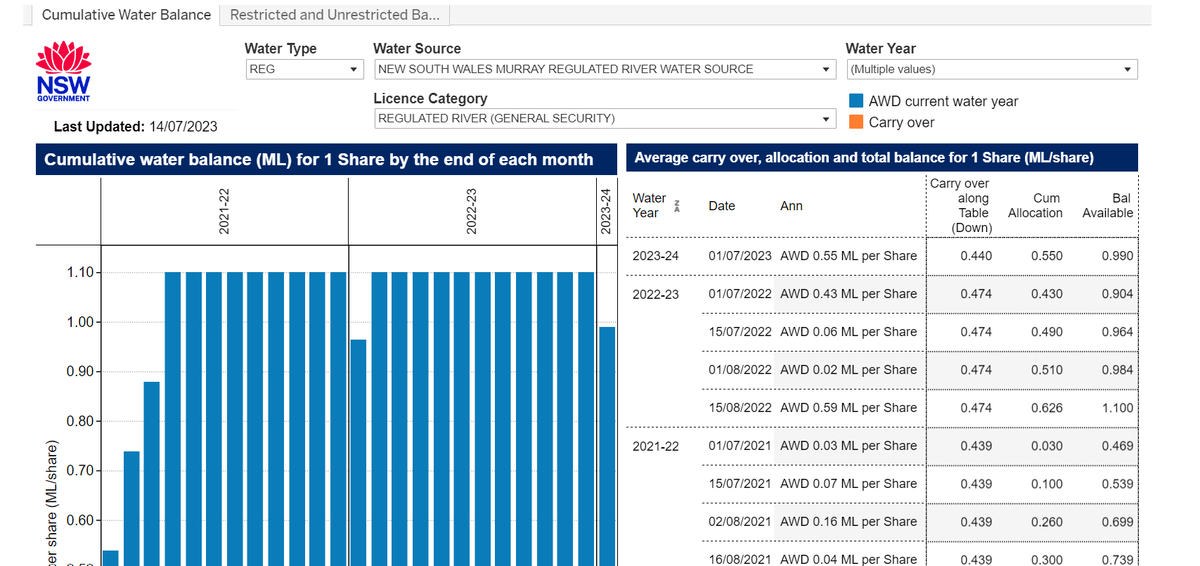
WaterInsights is our interactive online tool that provides information about how water is managed by WaterNSW.
To be notified about activity from specific river gauges, weirs and groundwater sources, you can set up river gauge alerts.
https://t.co/OnN4Kx6hWB
The Allocations dashboard is designed to bring greater transparency to #water market participants in relation to water availability announcements.
It's only one of the dashboards we have.
See the others here: https://t.co/vwAaOUwDnp
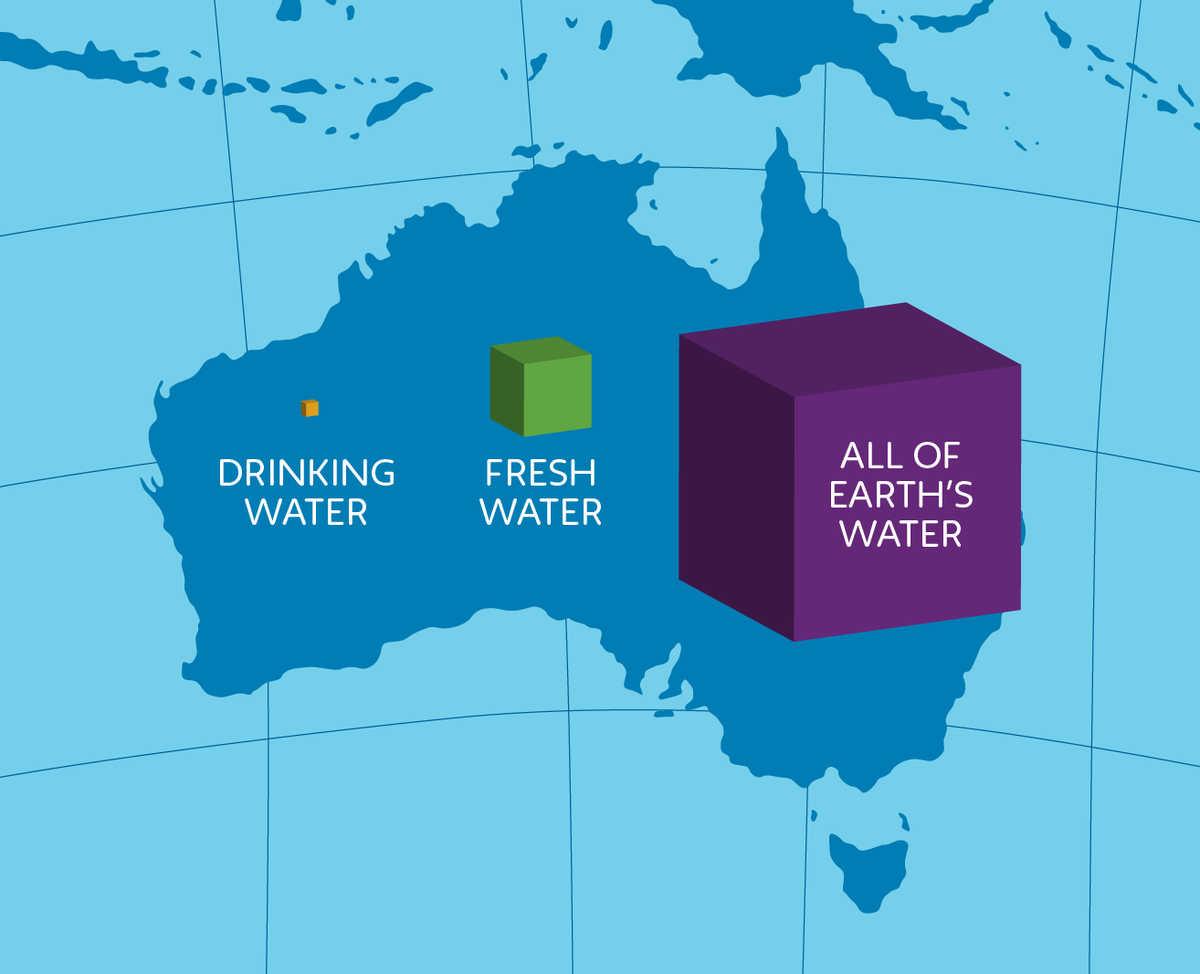
If we took all the water, from Earth and put it into a cube, the sides would be about 1,115km long.
The drinking water would fit into a cube with sides 47km long. This is the water that we share with the entire population of the Earth. https://t.co/a8j4kzMdAx
#WorldWaterDay2023




![rwieruch's tweet photo. 🫠 5 breaking changes in React 19 and Next 15 ...
with a big impact on bleeding edge developers. To be fair, most of these changes affect only developers working on the latest versions ...
... but it may be interesting for folks outside of the bubble seeing what's happening behind the scenes.
So here we go ...
1️⃣ 👉 (React 19) Server Actions are becoming Server Functions ... To be more specific: Server Actions are becoming a subset of the new umbrella term Server Functions. [0 in replies]
The finicky developers knows that this is not only a change in wording, but a whole new feature (set) in React. Whereas Server Actions were designed for write operations (mutations), Server Functions will enable a new subset which probably will be designed for read operations (queries).
Why this change? Developers already "misused" Server Actions for data fetching in Client Components [1, 2 in replies]. Now this may go away with Server Functions.
2️⃣ 👉 Automatic Form Reset (React 19) ... When a form is submitted with an action, it always resets for both success and error cases. While this is desired for successful submissions, it’s not ideal for error cases (e.g., validation errors). [3 in replies]
To be fair, before forms automatically reset on success, there was someone asking nearly every day, "How do I reset a form after a successful submission?"
3️⃣ 👉 Several Dynamics APIs are becoming Async (Next 15)
- cookies()
- params()
- headers()
- searchParams()
...
This change is already having ripple effects on libraries [5 in replies] and content creators who built many tutorials around these APIs in Next 14. I understand why this change is necessary, and I support it, but let's see how much confusion it introduces to the landscape.
4️⃣ 👉 Caching becomes Opt-In (Next 15) ... Next's App Router launched with a strongly opinionated caching layer. For many, this caching behavior was too aggressive. As a result, they decided to make most caching opt-in while continuing to improve Next's caching capabilities. [6 in replies]
5️⃣ 👉 useFormState is becoming useActionState (React 19)
Naming is one of the most difficult things in programming [7 in replies], and it shows here:
Initially, it was anticipated that this new hook would be used only with a form and its action (and thus exported from the react-dom package). However, it became clear that the state is actually tied to the action, not the form. In other words, the action could be used without a form, but it would still have a state.
❓ I'd curious to hear about your opinion on these changes.
For me these changes are positive toward greater flexibility and performance but come with another learning curve. It's a good direction, though I think the key to success will be in how well these changes are communicated.](https://pbs.twimg.com/media/GZil-ZkW0Aoofr1.jpg)