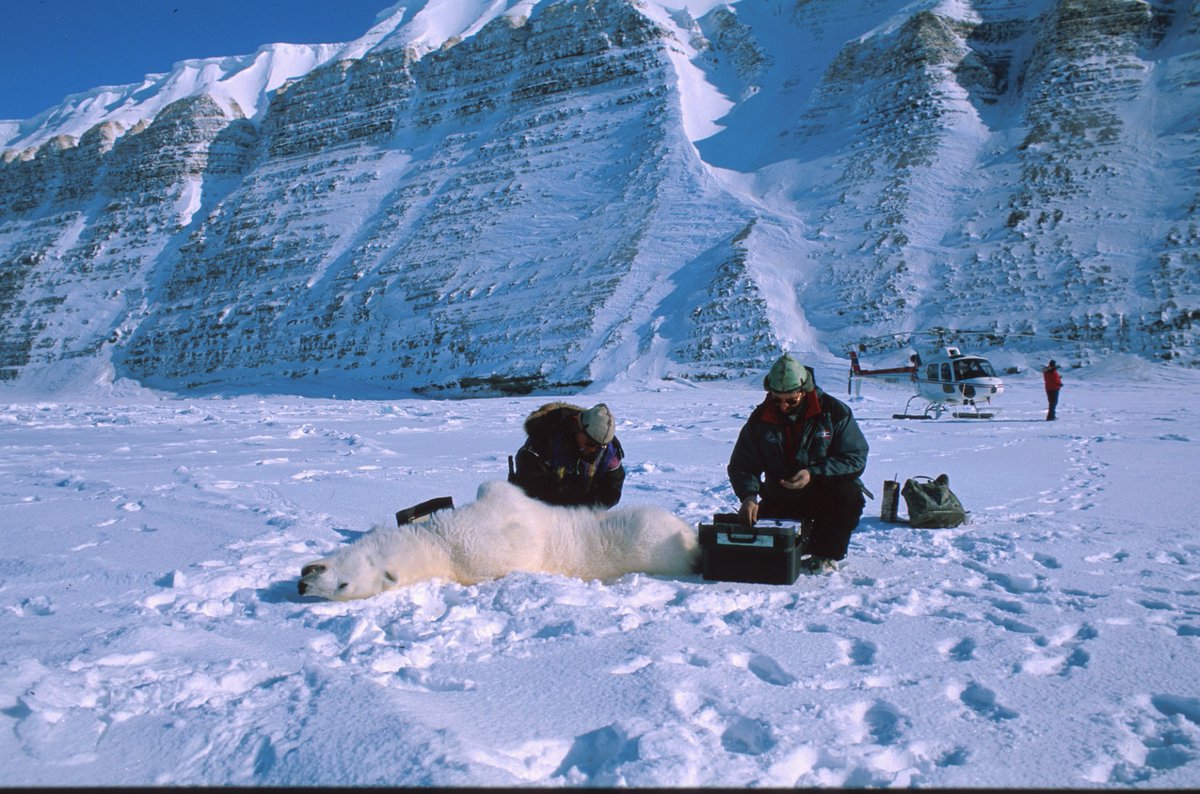
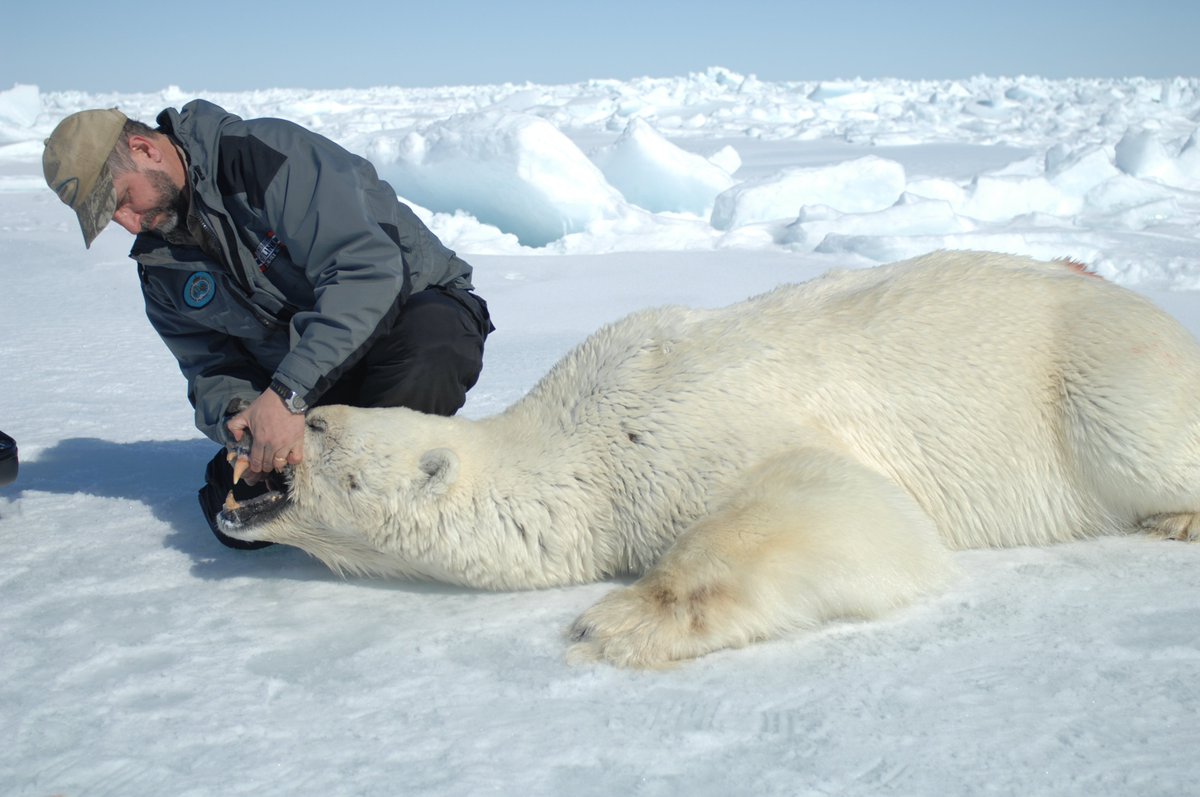
Fieldwork Friday: May 5 2013 - 20:35 polar bear capture, 21:09 spot grizzly on sea ice - poor weather ahead so we don't capture despite permit, 21:30 hit poor visibility & forced to sit > 1 hour, 23:14 at Polar Bear Cabin Banks Island & I snapped photo of white wolf at landing.
Hi all - Just wanted to give a big thank you to my listeners and I hope you enjoyed Season 2! That's a wrap for now but I'm always interested in speaking with you! Please feel free to reach out with questions, suggestions, ideas. ✨
Henry Huntington, Arctic Science Dir. of @OurOcean, promotes sound governance of shipping routes in the Arctic by connecting conservation work with science and traditional knowledge. Understanding community interests informs what to include in policies. https://t.co/0LePGetKQO
Colonial history shows that crediting indigenous peoples for their knowledge rarely occurred within the scientific community and its legacy continues on today. Henry Huntington, an #Arctic researcher, discusses the importance of collaboration on S2 Ep6: https://t.co/0LePGetKQO
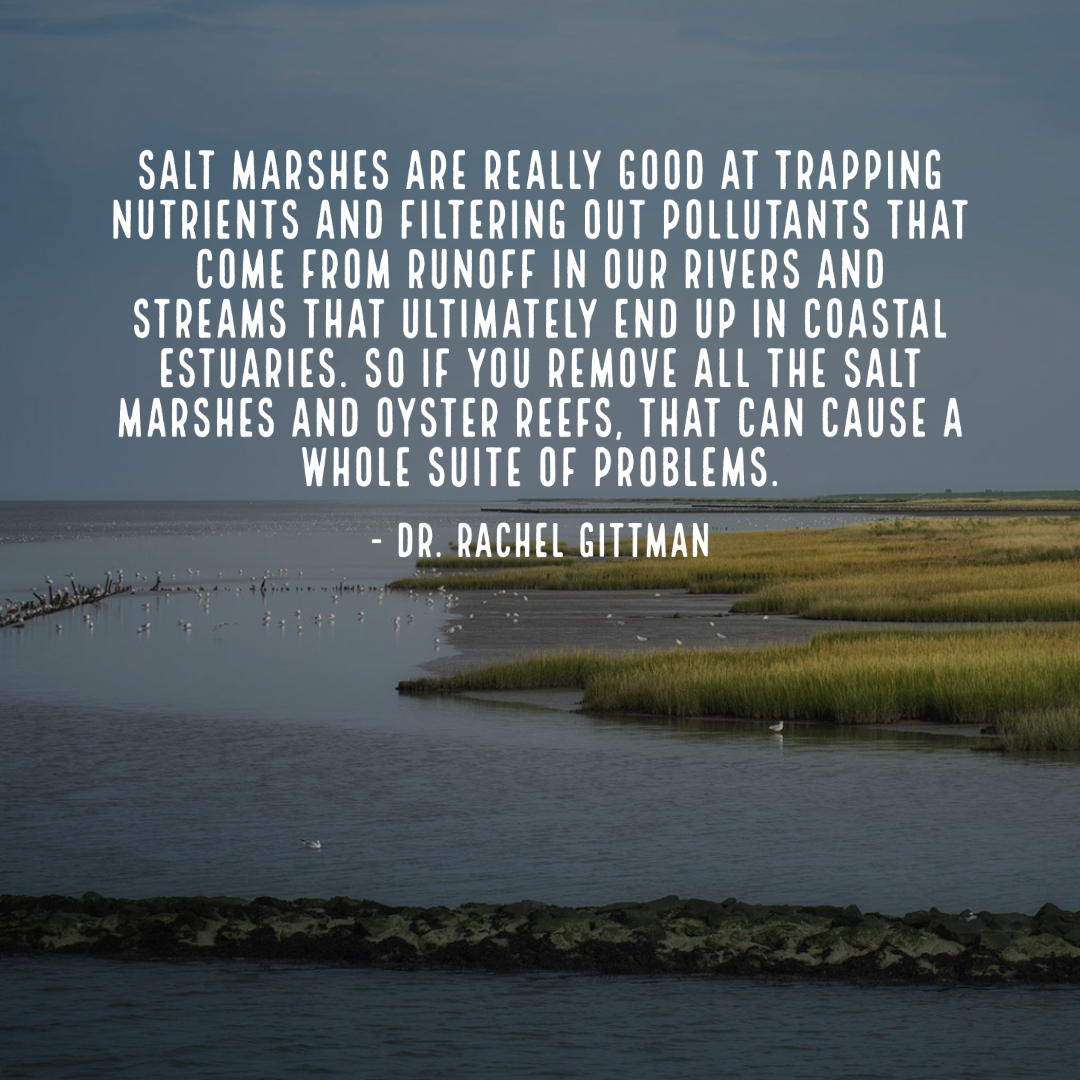
Salt marshes play a multifaceted role in the ecosystem. Essential for fisheries, coastlines & communities, their health has an impact on our economy and way of life. To learn more about our living shorelines listen to
@GittmanR on S2, Ep5: https://t.co/2CrKGlQwsp
Salt marsh and oyster reef habitats that protect our shorelines have degraded over time. @GittmanR monitors the performance of living shorelines during storm events to evaluate their effectiveness. To find out about the results, listen to S2 Ep5 here: https://t.co/h67NbPUgX4
A living shoreline can protect the coastline and adapt to environmental changes, unlike concrete sea walls. @GittmanR, Asst. Professor at @EastCarolina shares how she communicates with homeowners in an effort to make the pivotal switch. S2 Ep 5, out now: https://t.co/83okI6EkPQ
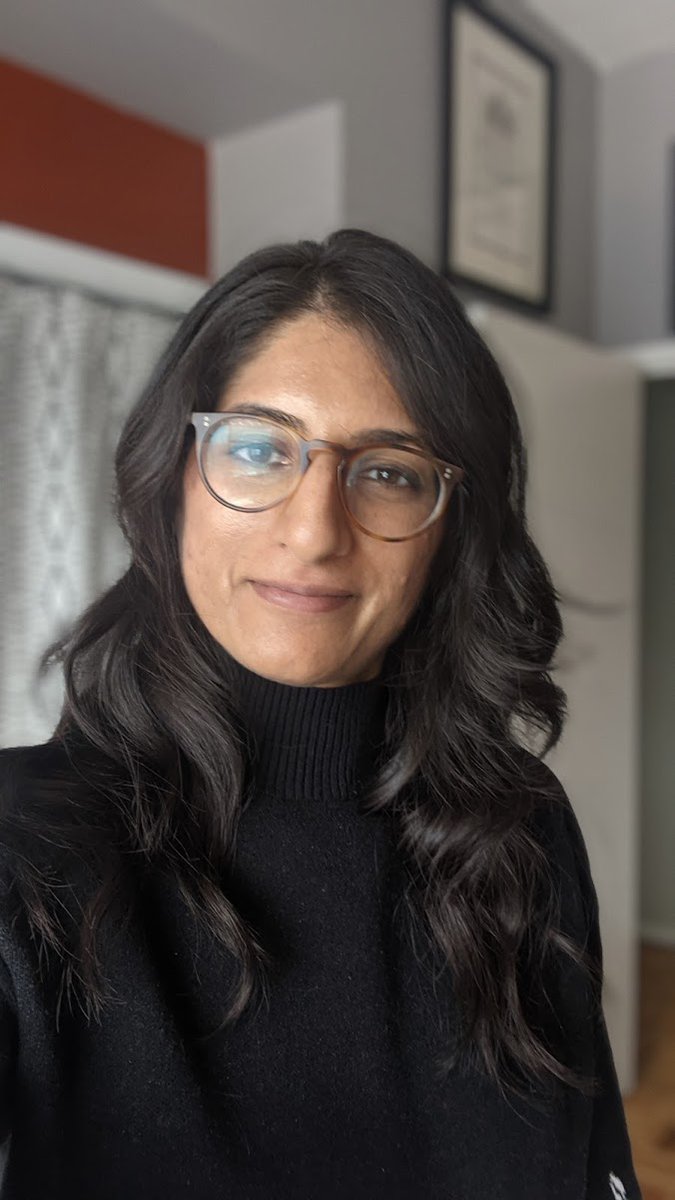
I figured I'd introduce myself to the new followers! I'm Priya, creator and host. My passion is to share important scientific facts while creating an immersive and emotional experience for my audience. I do this through fiction and non-fiction work. Thank you for joining me! 💕
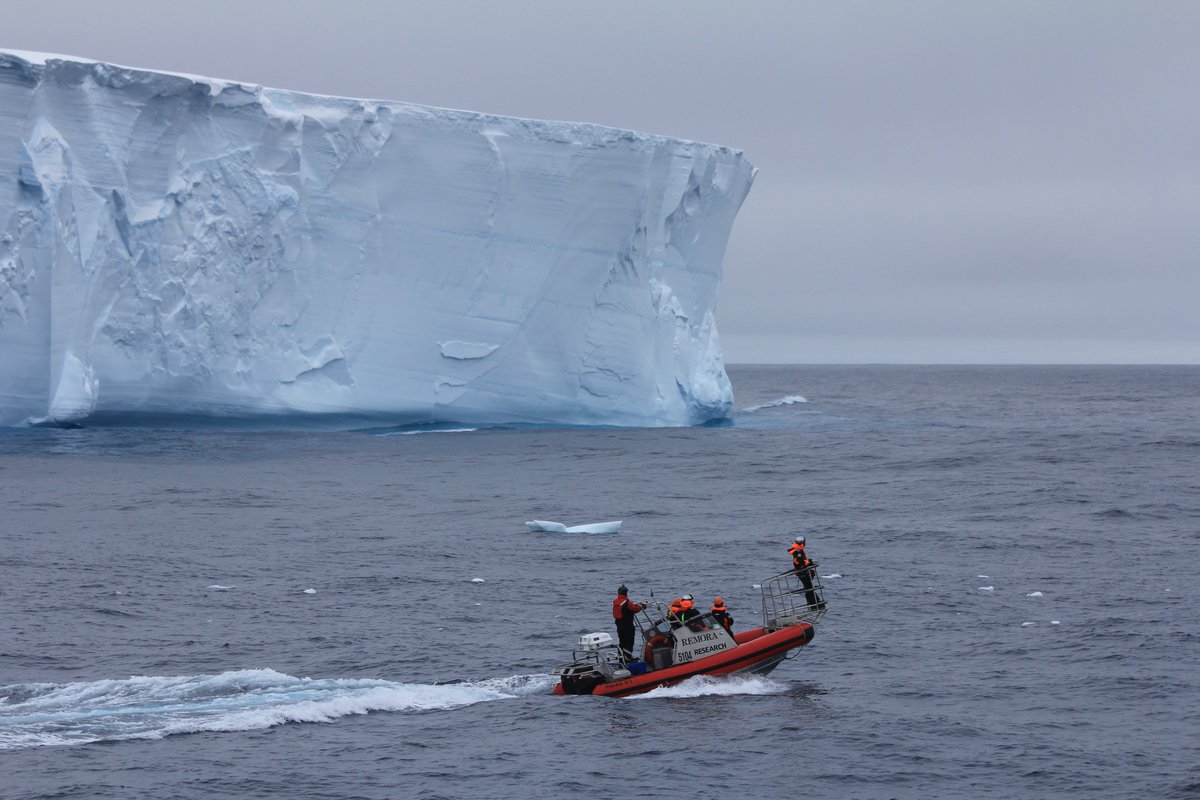
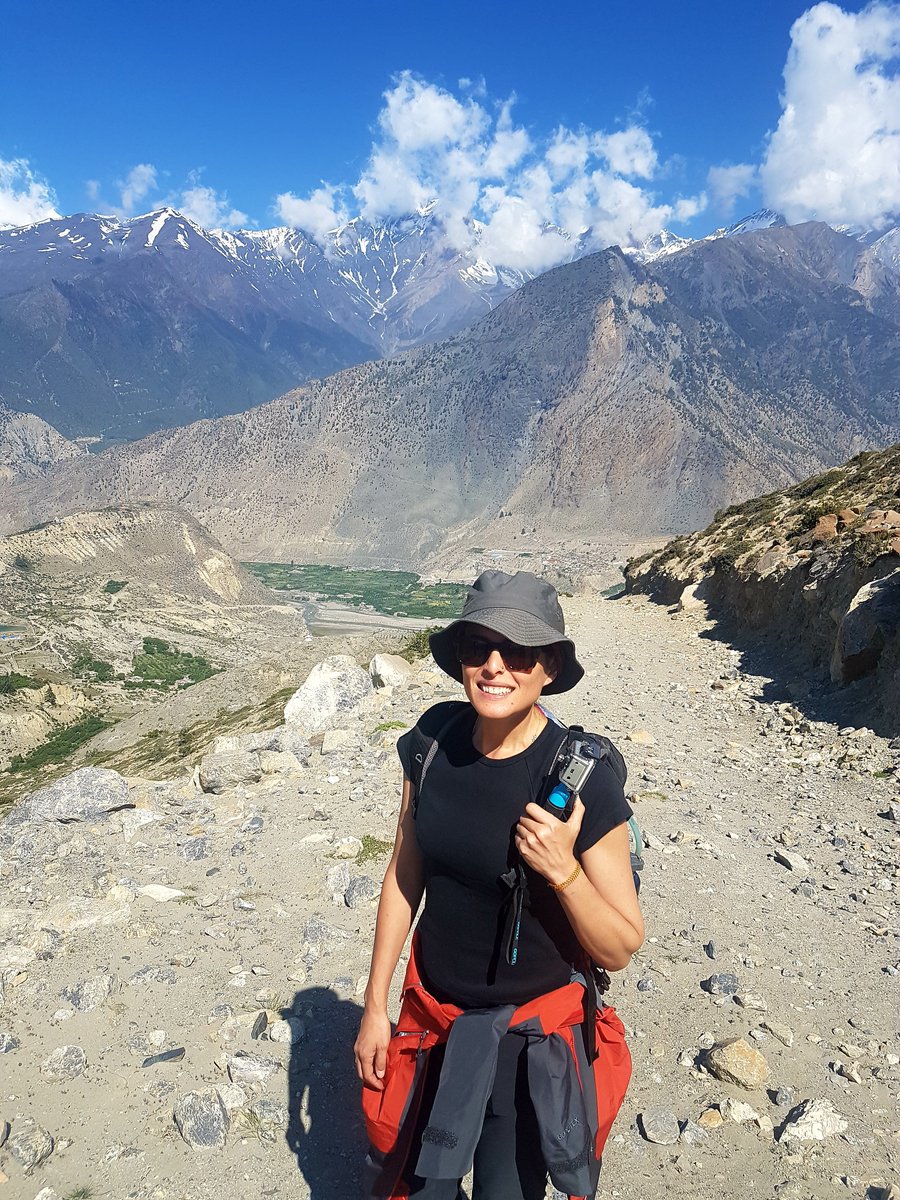
@NatSchmitt's pioneering spirit has led her to research whales in Antarctica, climb the mountains of Nepal and create a DNA Test kit for wildlife. One thing I learned from Natalie is to believe in yourself. Listen to Nat's inspirational words here: https://t.co/FtXpzjWbu5 ✨
Meet @DrNatSchmitt, a conservation geneticist and post doc fellow at @McMasterU. Natalie's journey in developing a DNA Test Kit for wildlife has taken her around the globe, gathering research and searching for funding along the way. Listen to her story: https://t.co/FtXpzkdMlD
Retrieving species ID results from the lab while conducting fieldwork can be a slow process. Learn how @DrNatSchmitt created the WildTechDNA Kit and how it could make a positive impact in effective species ID for remote communities and wildlife in S2, Ep4: https://t.co/FtXpzjWbu5
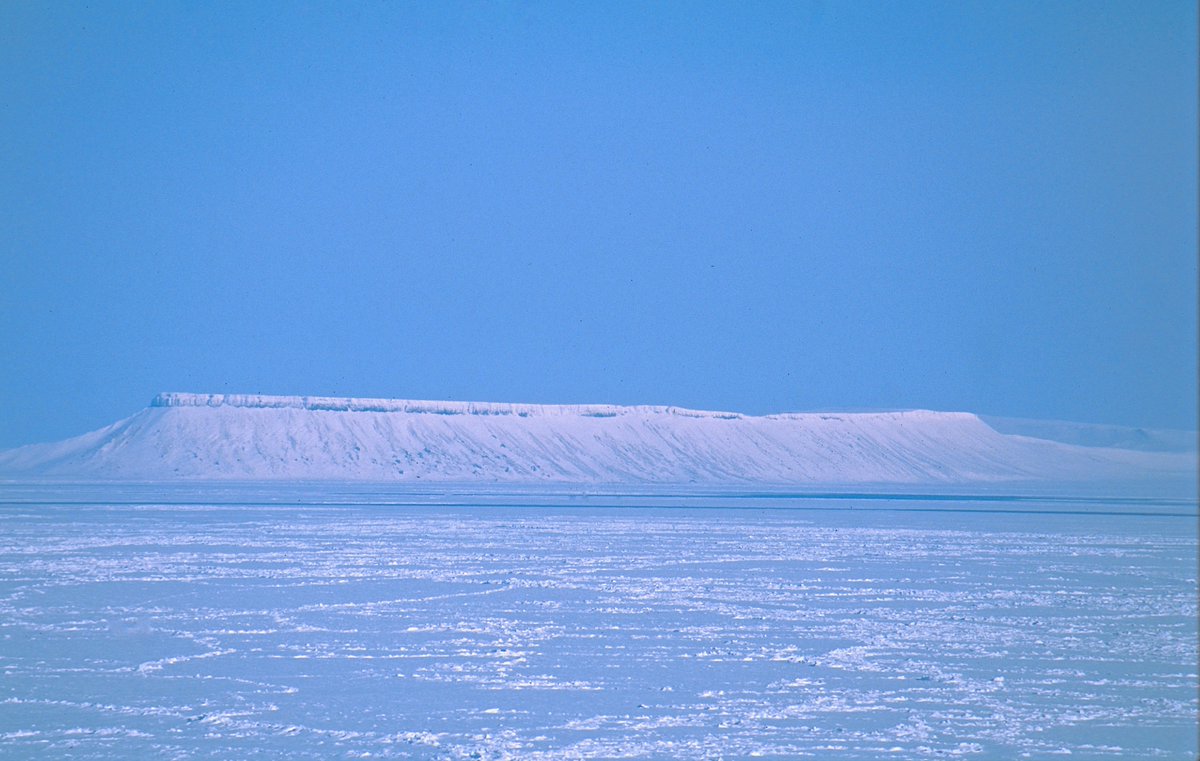
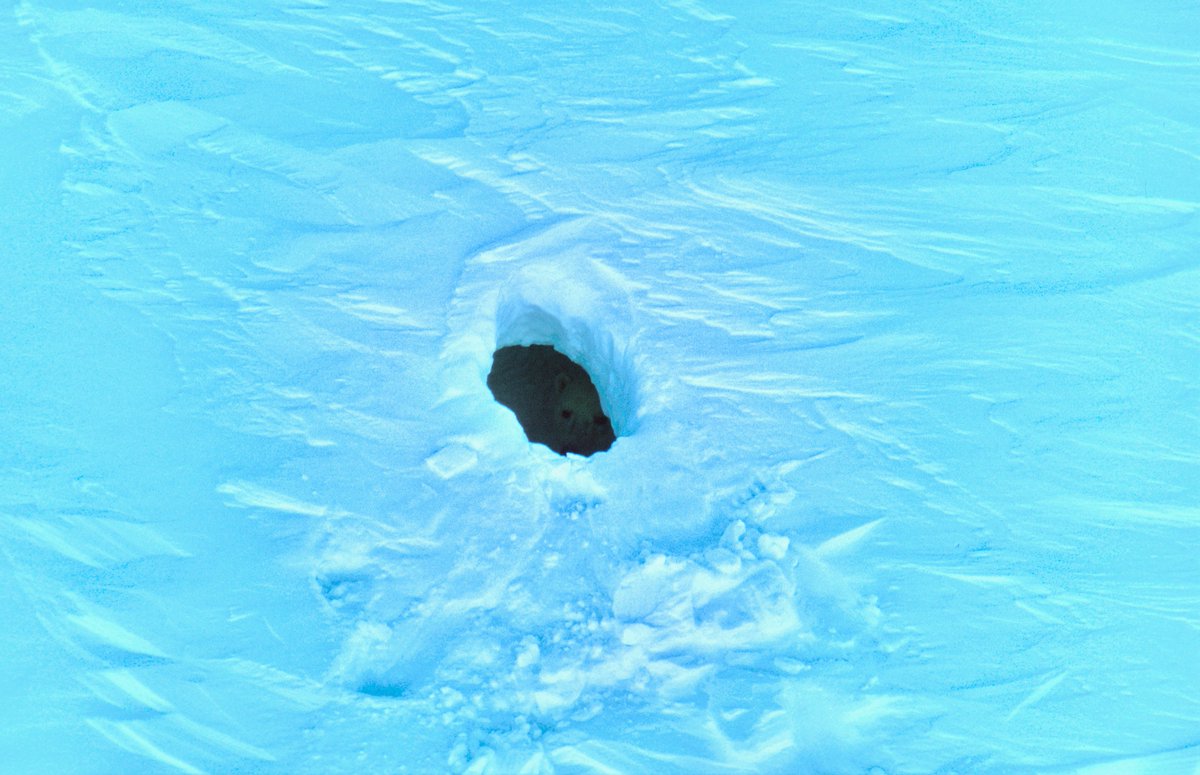
Fieldwork Friday: everyday in the field is different & always interest. New places, new discoveries. Some "ancient" images from Svalbard research. 1st image: Kong Karls Land - a gem in the polar bear denning crown. Think twice about going in the den... Someone is home.
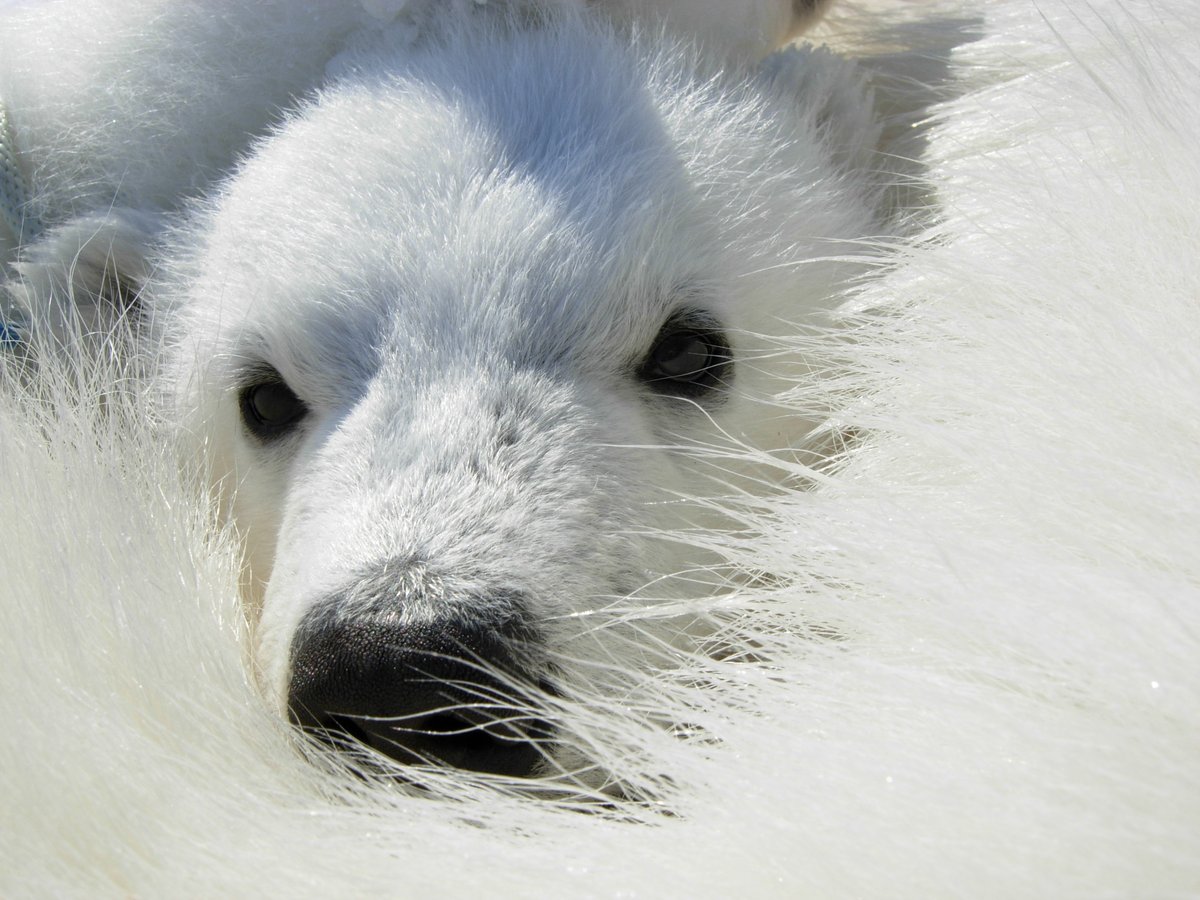
@AEDerocher volunteers with @PolarBears as a scientific advisor often out of a tundra buggy where he can be sitting right next to a polar bear and broadcasting public education podcasts at the same time. Also, look at this cute cub photo! (provided by AD) https://t.co/Cd3hBpC28A
@AEDerocher, a prof. of biological sciences at @UAlberta, often travels via helicopter to track + tranquilize polar bears on the sea ice. Collecting vital data gives insight on environmental conditions. Learn about Andrew’s helicopter based work here: https://t.co/Cd3hBpC28A
The future of polar bears greatly depends on the future of sea ice. However, there are some common misconceptions surrounding their survival. Learn how @AEDerocher's research debunks misinformation in S2 Ep3, out now: https://t.co/Cd3hBpC28A 🐻❄️🐾
Alexis @lexiebrew, PhD candidate at @GC_CUNY, uses camera traps to monitor the entire scavenger animal diversity within NY State which informs a vastly unstudied topic. In this camera trap video, Alexis captured black vultures feeding. Learn more here: https://t.co/71ghADB9Kf