#yosoyradioncologo. @GenesisCareEs #Radonc Me gustan los pacientes, la literatura, la poesía, las artes escénicas, el mundo físico, tecnológico y las estrellas
Not often do we publish 2 back to back guidelines on #NasopharyngealCarcinoma in @JCO_ASCO
Was a pleasure leading this monumental effort with @BrigetteMa2@ASCO CSCO 💪🏻💪🏻💪🏻
Treatment of Stage IB to III Nasopharyngeal Carcinoma: CSCO-ASCO Guideline Update | Journal of Clinical Oncology https://t.co/dh5akeJbxh
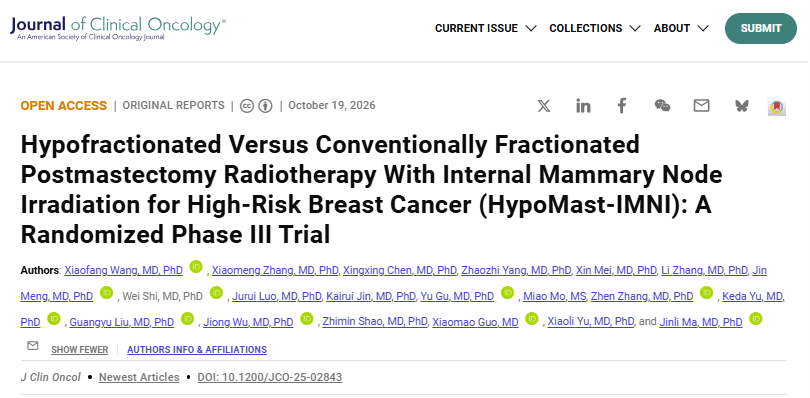
🩻Shorter-course radiation may reduce AEs in high-risk #BreastCancer.
In HypoMast-IMNI, grade 3 acute skin toxicity occurred in 1.7% of patients with hypofractionated radiotherapy vs 12.2% with conventional treatment.
🔹 Jinli Ma, MD, PhD | @JCO_ASCO
https://t.co/dRcRhwJkyE
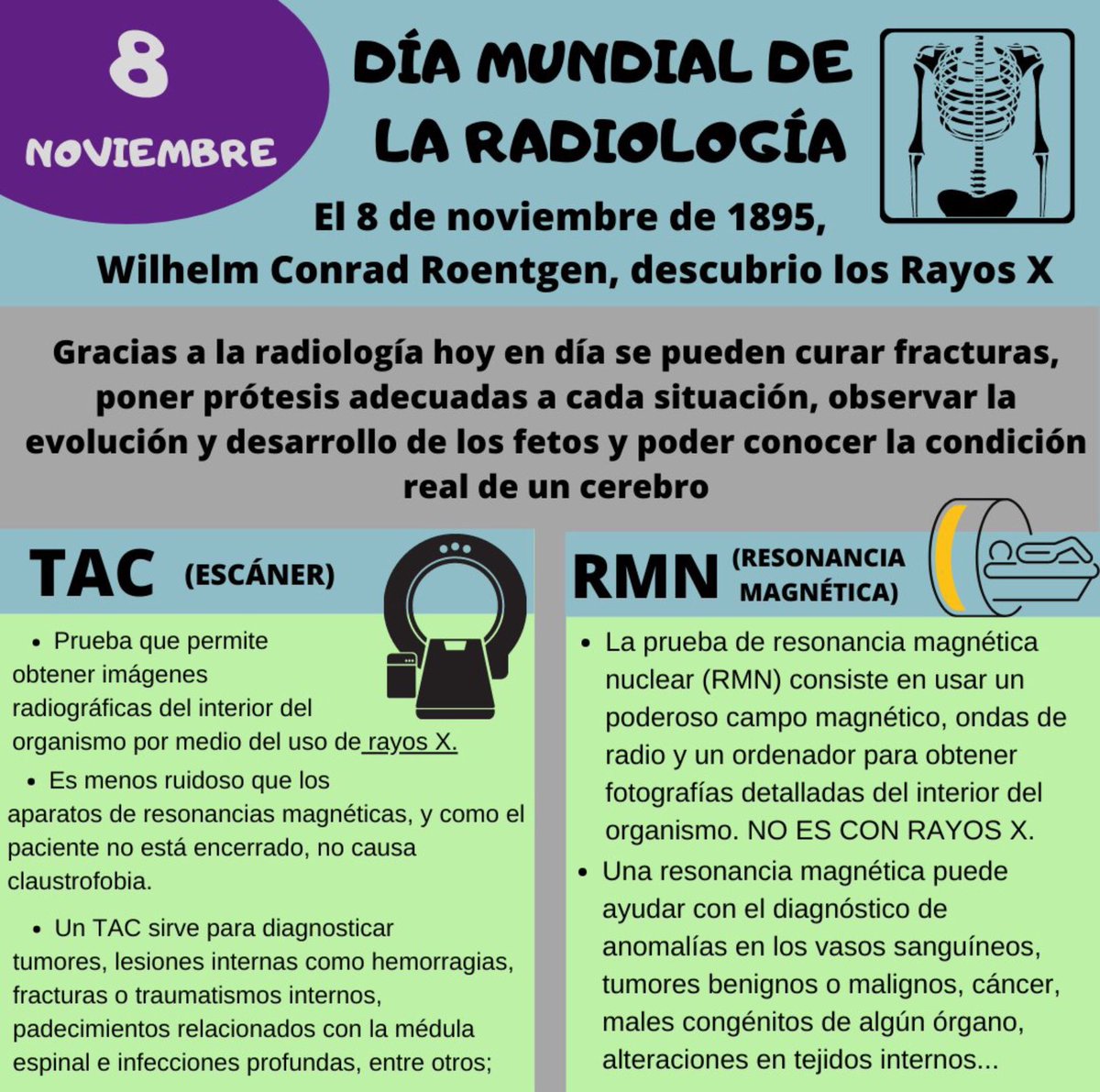
Es #DiaMundialdelaRadiologia#InternationalRadiologyDay
Gracias y felicidades a la #Radiología#IDoR2026
Vuestro trabajo e investigación, son claves en diagnóstico y curación👏
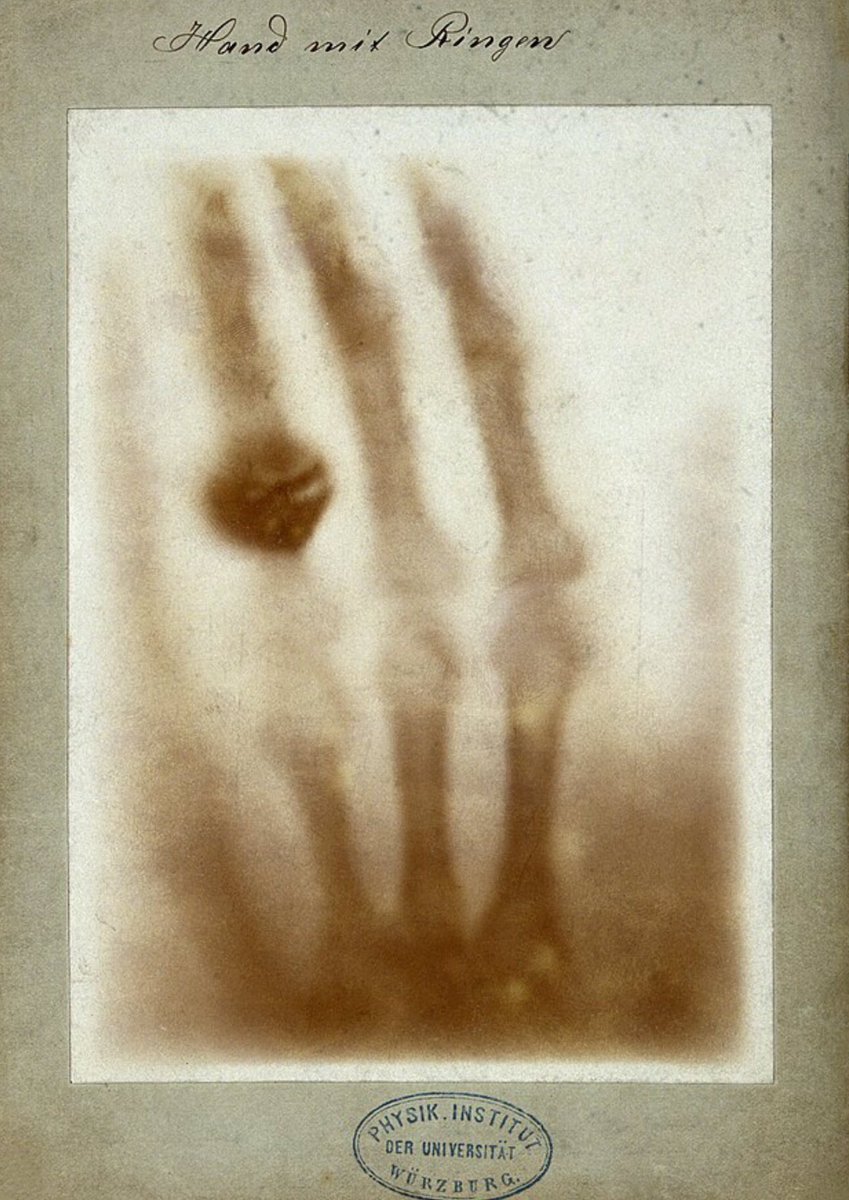
#TalDiaComoHoy de 1895 Wilhelm Conrad Roentgen, descubre un tipo de radiación que puede ver a través de materiales, incluyendo el cuerpo. Lo llama "Rayos X", por lo desconocido de la radiación, y marcó un hito en la #medicina.
Incluimos una de las primeras radiografías de la historia, sobre la mano de su mujer, Anna Bertha Ludwig.
Es una rama médica y técnica, de gran complejidad y amplitud, que utiliza imágenes para el #diagnóstico y tratamiento de lesiones, curando y dando calidad de vida👍
Puedes estar a la última, gracias a @SERAM_RX👇
https://t.co/BSEa51orbb
Vamos a iniciar una serie sobre Herramientas estadísticas (#algoritmos) poco utilizadas que pueden cambiar cómo investigamos. Se llama "STAD UNLOCKED". Esperamos que os guste. #DataScience
Lecturas de #Noviembre
Kitchen de Banana Yoshimoto.
Entre la impermanencia y el mono no aware: la sensibilidad de conmoverse ante lo efímero y seguir adelante.
“Cuando crezca más y más, me pasarán cosas diferentes, muchas veces me hundiré hasta el fondo. Muchas veces sufriré, muchas reapareceré. No habrá derrota. No dejaré de luchar.”
Hoy, #DíaInternacionalDeLaFísicaMédica, mi felicitación y reconocimiento a todos los colegas que hacen posible una medicina más precisa, segura y eficaz.
En Oncología Radioterápica, la física médica no es solo imprescindible: es parte esencial de nuestro trabajo en equipo.
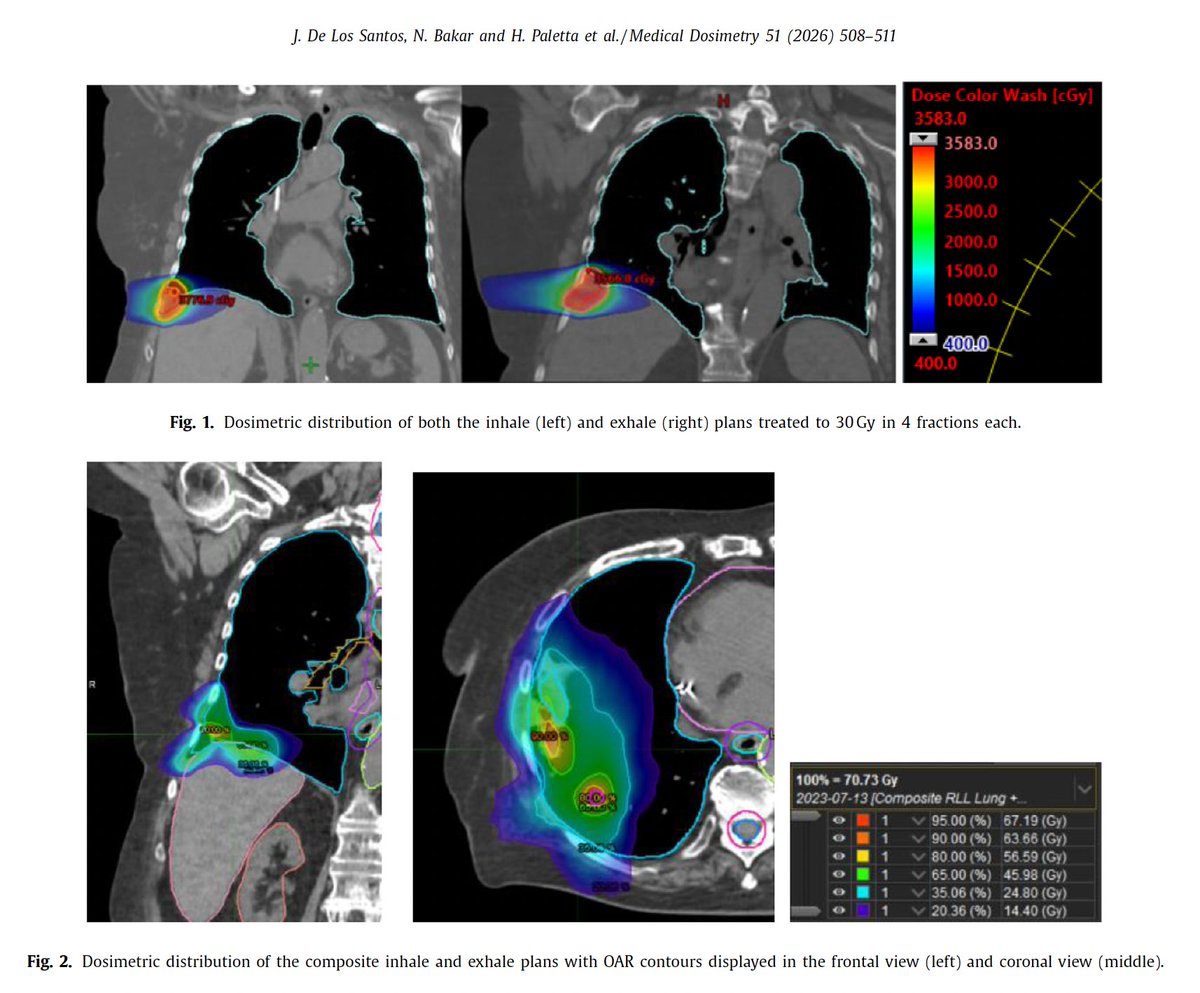
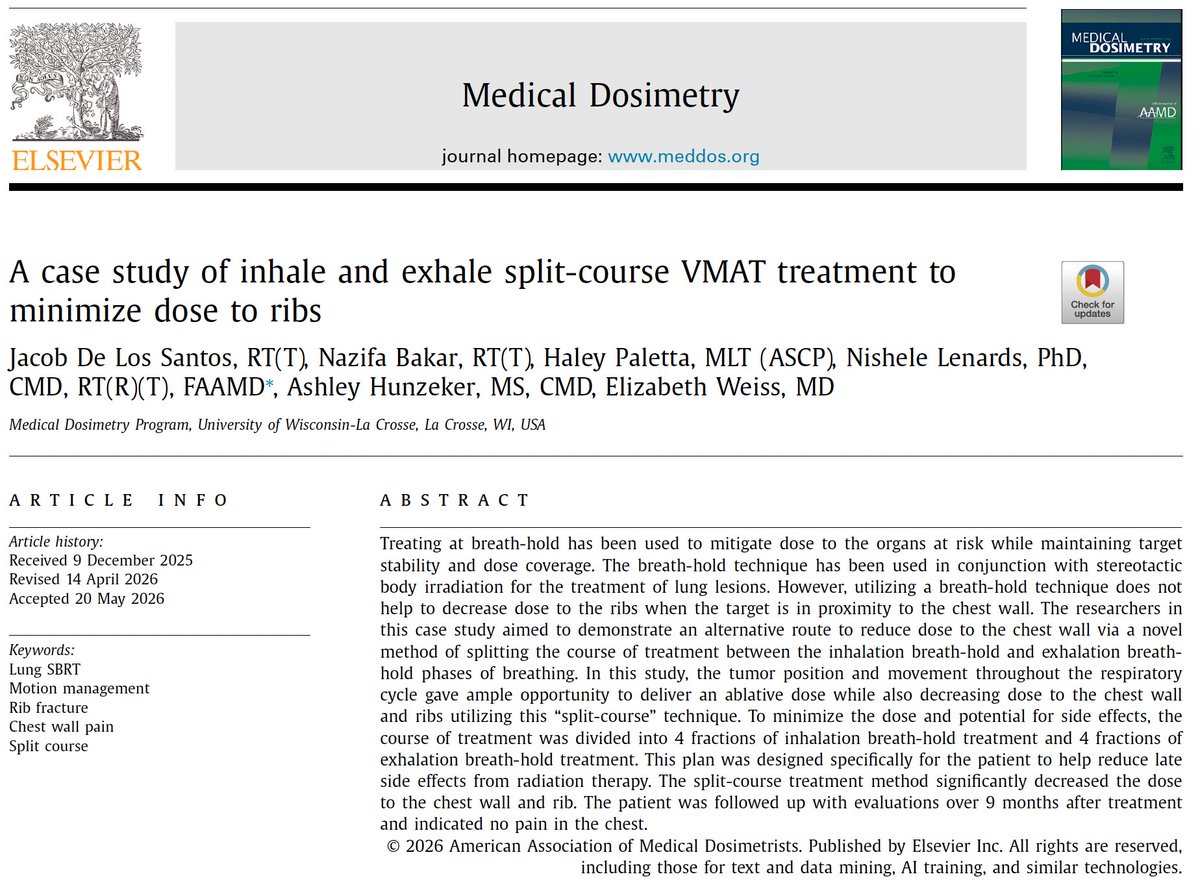
Say hello to "Split Course" SBRT for peripheral stage I NSCLC. It divides each fraction into Inhale and Exhale delivery techniques to mitigate the risk of chest wall pain. Although the risk of CW pain is already quite low for tumors in this location, even with 1-fraction prescriptions, all efforts should be made to minimize the likelihood of any potential discomfort associated with lung SBRT when it matters most. Such as in patients with advanced osteoporosis.
https://t.co/acLcbe713E
The history of non-surgical treatments for stage I NSCLC keeps evolving. Join us to learn where it's going next. @SahgalArjun
Free registration here:
https://t.co/G1ezN9ownT
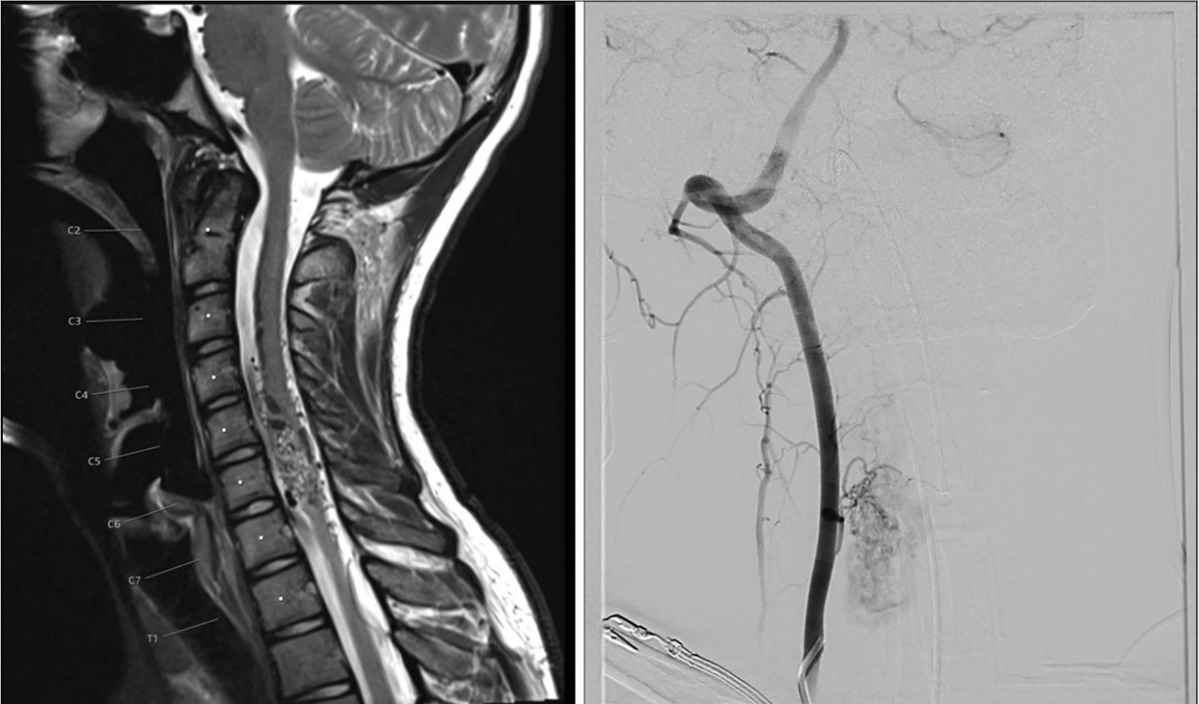
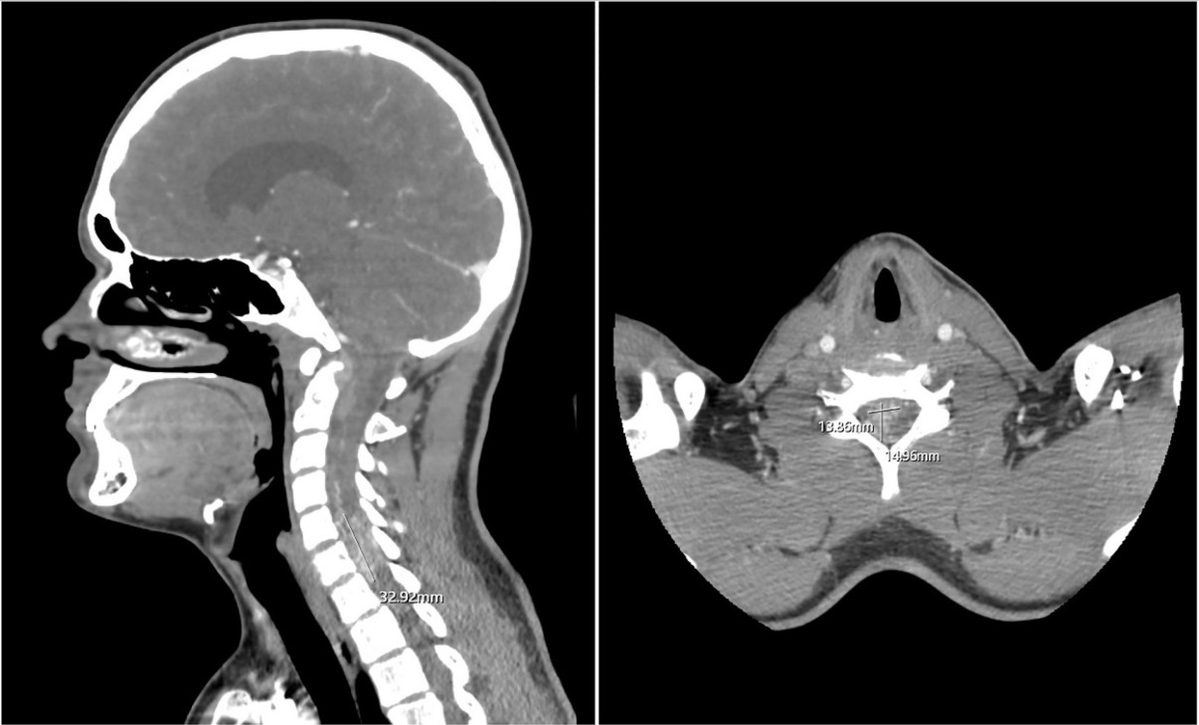
New in Advances in Radiation Oncology: LINAC-based fractionated SRS for an unresectable intramedullary cervical spinal AVM.
An adolescent with prior hemorrhage and two aborted embolization attempts received 20 Gy in 4 fractions, with selective escalation to 24 Gy to approximately half of the nidus.
40% nidus-volume reduction by 12 months, stable on subsequent imaging
No hemorrhage through 28 months
Improvement or resolution of several symptoms
A useful teaching case highlighting multidisciplinary planning, image guidance, and spinal cord dose management.
Encouraging single-patient results.
https://t.co/129KH7nOl9
@ASTRO_org #RadOnc #OncTwitter
🫁🌶️ SPICE-ing up lung SBRT
Intentional tumor 🔥hotspot (PTV Dmax ≥120%) vs <120% in VMAT SBRT for early-stage NSCLC
3-year local recurrence rates:
🔥0% with ≥120% hotspot
🧊8-9% with <120% hotspot
📚 Not a novel concept. Prior work has suggested that higher intratumoral dose improves local control!
✅ What this study contributes is additional clinical evidence, plus a practical planning strategy (SPICE: Stereotactic Planning with Intentional Central Escalation).
⚠️ No PFS or OS advantage seen.
🎯Take-home: Another data point supporting intentional hotspot escalation in lung SBRT, rather than proof of a brand-new concept
@ASTRO_org
https://t.co/c8y0qWpEib
📢 Our practical guide to EBRT for HCC is out in PRO
Less of a lit review, more of a how-to for #radonc: pt selection, techniques, treatment delivery, special scenarios
Many thanks to all coauthors!
@ldawsonmd@AndrewMMoon@hmaxi_MD@MichaelYanMD
🔗 https://t.co/NIVDmjyOok
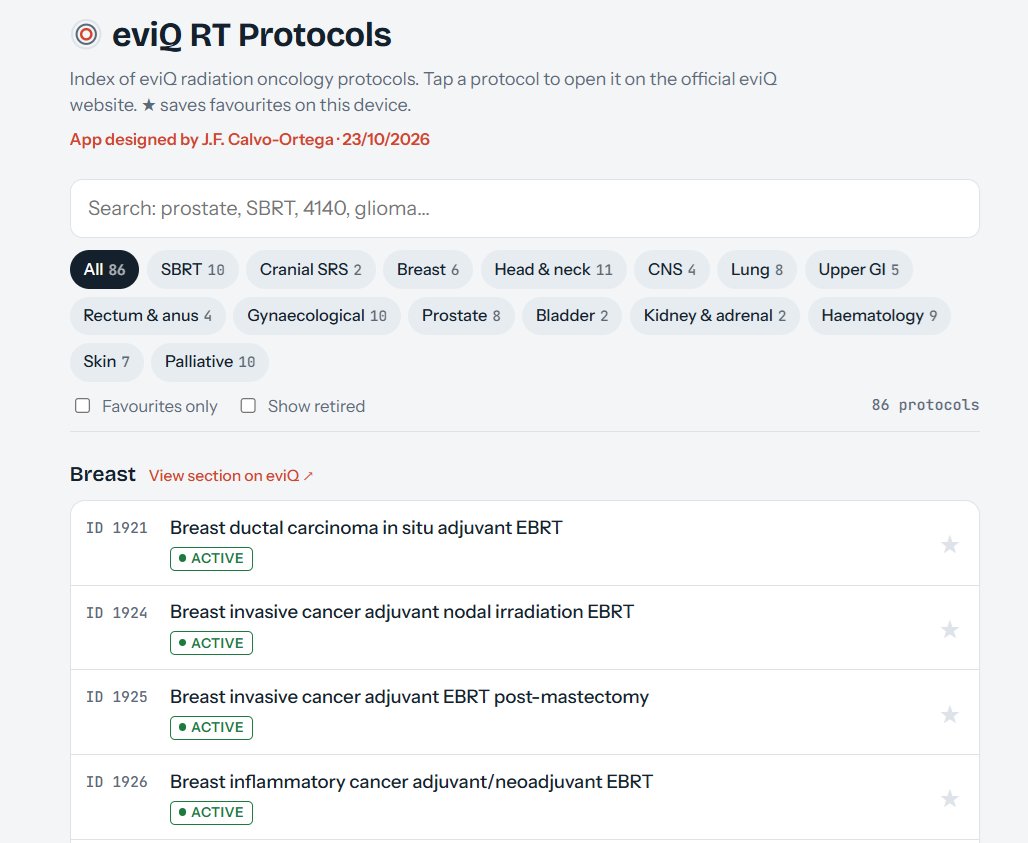
I've built a free, unofficial app to find eviQ radiation oncology protocols from your phone📱
🔎 Search by site, SBRT or SRS
✅ Active/retired status, updated daily
⭐ Favourites
Every protocol opens on eviQ.
👉 https://t.co/AuHdRqXMmm
#RadOnc#MedPhys@claudeai@marslain
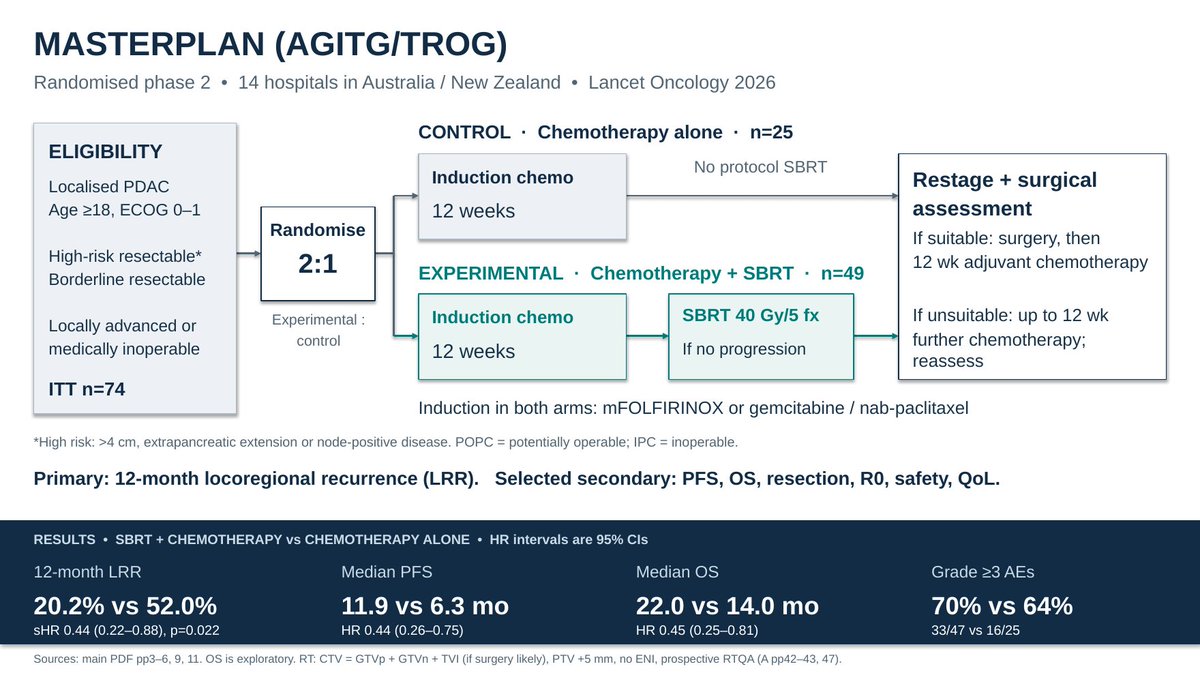
MASTERPLAN full publication is out!!
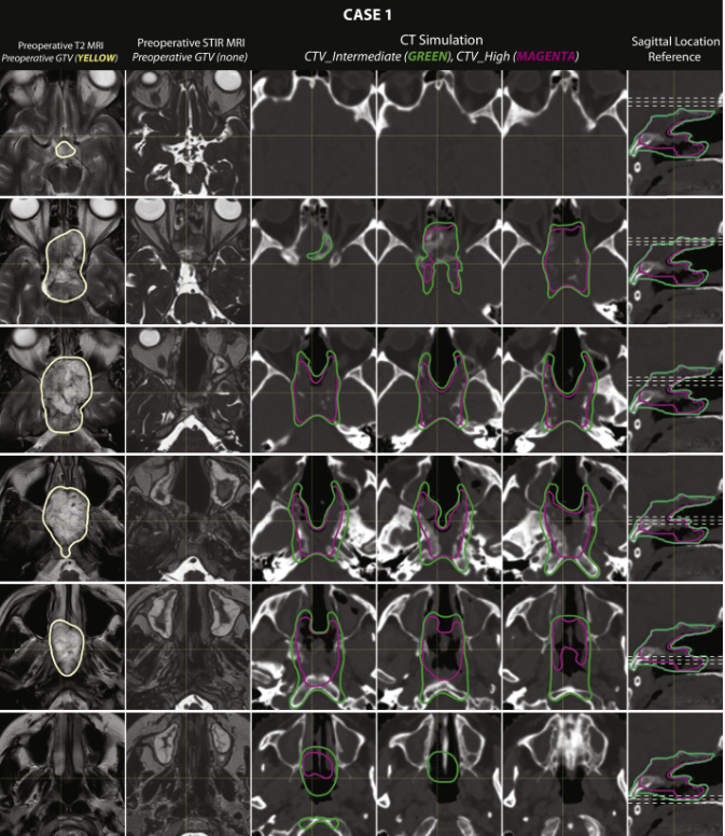
The RT volumes are worth a closer look. CTV = primary GTV + nodal GTV + tumour-vessel interface. The TVI extends 5 mm proximally and 5 mm distally along involved/closely adjacent vessels, for patients where surgery is likely. PTV = CTV/ITV + 5 mm. No elective nodal irradiation, and no elective perineural or celiac/SMA plexus volume specified in the protocol. That is a focused target, with gross nodal disease included.
Real-time RTQA is a big part of this story. Review identified 36 major planning deviations in 12 patients, reduced to 2 deviations in 2 patients after QA. All plans passed independent review before treatment. As a radiation oncologist, I want that detail alongside the outcomes. Reproducing the treatment means reproducing the contour review, OAR constraints and image guidance too.
Also worth keeping the treatment delivery denominator in view: only 40/49 patients assigned to SBRT actually received it (82%). The efficacy analysis is intention-to-treat. It should not be read as an outcome series of patients who all completed SBRT.
The surgical numbers need some unpacking. All comparisons below are chemo + SBRT vs chemo alone:
✅ Underwent surgery: 62% vs 44% (29/47 vs 11/25).
✅ Completed resection: 53% vs 44% (25/47 vs 11/25).
✅ R0 among all resected patients: 52% vs 36% (13/25 vs 4/11).
✅ R0 in the resected POPC subset: 62% vs 40% (13/21 vs 4/10).
POPC is the potentially operable cohort. So the 62% surgery figure includes exploration without resection, while the 62% R0 figure applies only to resected POPC patients. These are different endpoints with different denominators. None of those between-arm surgical comparisons was statistically significant. The paper also defines R0 as more than 1 mm clearance.
Adjuvant chemo is another important difference: 80% vs 36% of resected patients received it (20/25 vs 4/11). That complicates attribution within the treatment pathway. Early progression in the control group may have contributed, so this is a post-randomisation imbalance with more than one possible explanation. The post-hoc analyses were directionally consistent, but the authors explicitly caution about selection bias.
For the planning details: PTV_EVAL excluded the GI PRVs, with a minimum 3 mm PRV expansion. OAR constraints took priority over target coverage. Duodenum, stomach and small bowel D0.5cc were each constrained to <33 Gy, with V30 <5 cc. Delivery used standard linacs; breath hold was recommended, and fiducials were placed in 35/40 patients (88%). This is relevant to how we would implement the approach in practice.
With no elective nodes, isolated regional nodal relapse was 4% vs 8% (2/49 vs 2/25). Reassuring, although that does not establish the optimal elective volume (especially considering these patients went to surgery - ASTRO/NRG recommends inclusion of elective perineural coverage). Overall G3+ AEs were 70% vs 64% (33/47 vs 16/25). One G3 pancreatitis and one G2 small bowel obstruction were attributed to SBRT. The practical takeaway for me is to keep the target definition and prospective QA attached to the results, and to be precise about what the surgery and R0 numbers actually measure.
Encouraging pancreas SBRT data from MASTERPLAN. Adding 40 Gy/5 fx cut 12mo locoregional recurrence from 52% to 20% (P=.022).
OS 22 vs 14mo, but this is a 74-pt phase II with mixed resectability. Promising; not definitive OS evidence.
#ESMO26#radonc
https://t.co/V1L9O30kcB
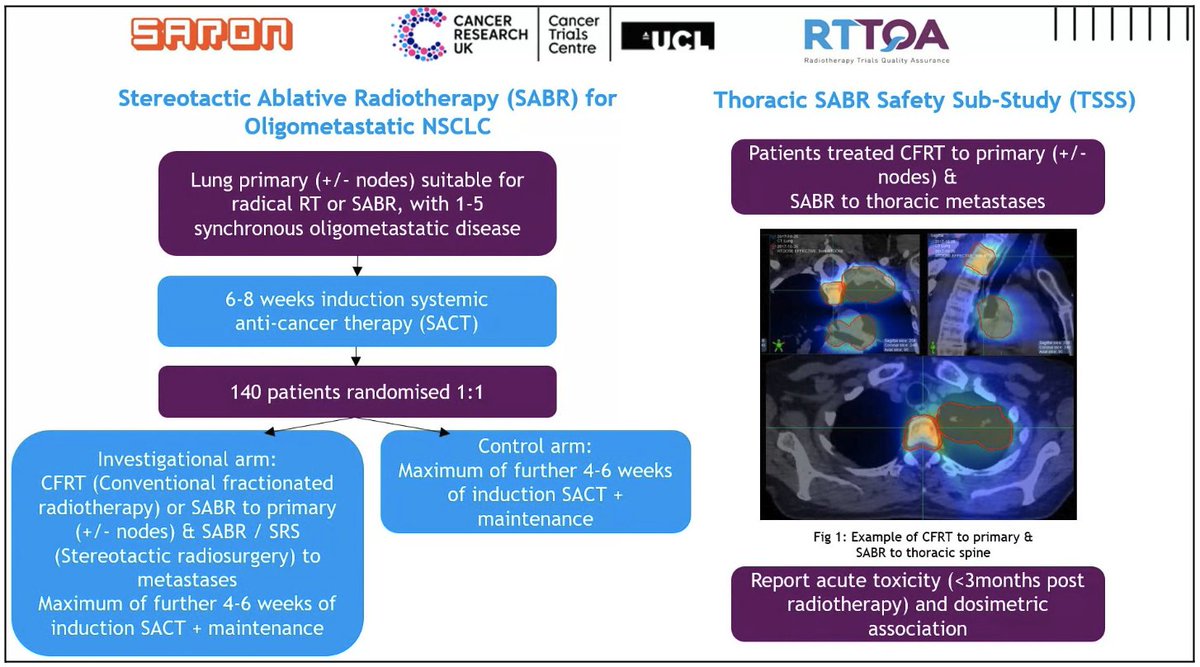
Congrats to the SARON investigators! Important randomized data for a question we face all the time. 👏
Consolidation RT improved local control and PFS, but no OS benefit demonstrated: HR 0.99 (95% CI 0.63-1.55).
The RT details caught my eye. Of 62 pts who received RT, 51 had conventional treatment to the primary and only 11 had primary SABR. About 53% of the full cohort had N2/3 disease.
Side note: in the separate 13-pt ESTRO safety substudy, the most common schedules were 55 Gy/20 fx to the primary (10/13 pts) and 27 Gy/3 fx to thoracic mets (4/14 lesions). Those are substudy doses, not the dose distribution for the whole trial.
Curious how pts who actually received SABR to all sites did. That would be exploratory, but I'd like to see the dose/volume details and patterns of failure before generalizing these results to patients receiving total consolidation.
Looking forward to the full paper! #ESMO26 #radonc
https://t.co/3AtnSapEMk