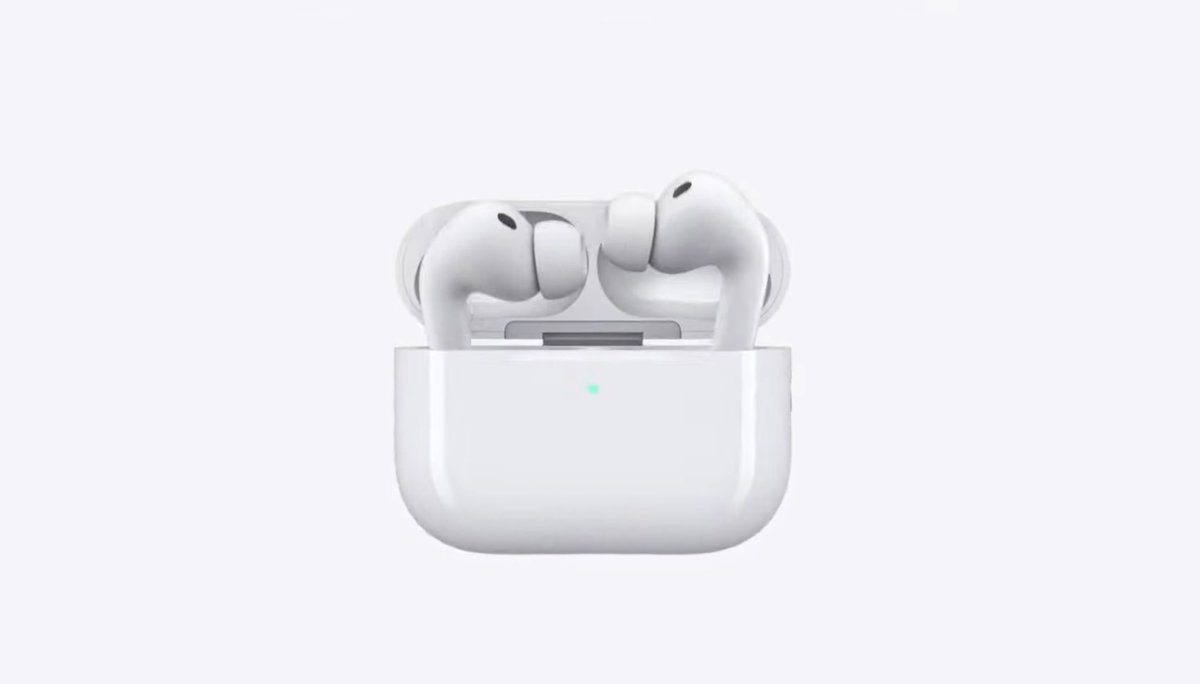
Apple is reportedly developing Airpods with built-in AI cameras.
The cameras will act as eyes for Siri, not to be used for taking photos or videos.
(https://t.co/TabBrgRb3F)
@opinali@TheMG3D Especially with how different parts of the peoples' faces are emphasized in each frame. It's a lot more dynamic than simply traced footage in pencil 👍
@TheMG3D None of the video filters or any generated video capture the energy of the music video. It's not the rotoscoping or physical drawing alone that makes the style: there's a raw movement of pencil strokes that fly around every frame. It's a distinctive style of rotoscope in itself
@Sketchy_raptor I think it's possible, but the creators involved would probably have to shy away from presenting the project with any irony for it to have the desired effect.
A naturalist pathos as the heart of the story is crucial for significant scenes to be awe-inspiring as real dinos were
@ImaginatorDX@Chartias4rts I've seen plenty of hobbyist sprites that could be flagged as ai generated because of similar points of criticism.
Even the color artifacts that blur the image could be explained away by twitter compression or saving as a jpg, but ai sprites typically have those.
@ImaginatorDX@Chartias4rts Given the spammy nature of that account, it's *likely* ai, but the errors you point out don't necessarily point to ai. The official sprites are fairly stiff. The tongue being blue could be a stylistic choice, given the original GB sprite has one.
@LDreamor@DillonGoo The 12 Principles of Animation were developed primarily as a teaching tool for professional animators as a sort of formula to teach newcomers how to do the job. Part of the job was making sure that an audience would reliably come to the theaters to pay to keep the studio afloat.
@LDreamor@DillonGoo Sure, it's separate from the actual making-drawings-move part. The reason it's often included is to be a reminder that you're creating something for an audience. If nobody wants to watch your cartoon, then authenticity is a moot point.
@LDreamor@DillonGoo But appeal as a principle in animation is not incidental, it's a series of intentional design choices in service to the story. The way you define authenticity is how animation documentation typically describes appeal.
@SagravesBrandon@andrewpprice@DillonGoo Yeah, the strict dogma is the problem, but the language is useful for teaching and providing constructive critique.
It also prompts you to look at how things move in real life with simple terms so you can recall it later when animating similar subjects.
@LDreamor@DillonGoo Appeal was often described as the way a design makes a character realistic/believable or interesting. Authenticity can mean that the way that the character acts aligns with how they're designed, or the way they move is true to how they feel, which doesn't conflict with appeal.
@DillonGoo These actually don't break away from the principles at all, they're there intuitively.
They were always terms narrowed down after-the-fact as a teaching tool to aid in training them.
The underlying things are observation, familiarity with the subject, and experience.
@aalong64 It would've been cool to see how the original cast could have aged up the characters' voices, especially since many of them were also pretty young at the time.