GCER brings together economists at Georgetown University and the Washington DC area to inform policy and foster an environment of open and rigorous research.
🔹New NBER working paper alert by Professor @cauedobbin on layoffs and quits as determinants of lower separation rates at high-quality firms
👉https://t.co/At8mH6vlxh
🔵Big news for our colleague Cauê Dobbin @cauedobbin ! 🎉
He has been appointed as a Faculty Research Fellow in the Economics of Education program at the National Bureau of Economic Research.
🔗https://t.co/EpwuwdvTIl
⭐️New from GCER collegues @Georgetown 📚
Jishnu Das & @cauedobbin's chapter "Human Capital Markets" — forthcoming in the Handbook of Development Economics — is out as NBER WP 35061.
How do private providers reshape education & health in LMICs? 👇
https://t.co/bTVsIA6T0F
🔋Why won't your Google search be carbon-free anytime soon? 🔌
@ArikLevinson breaks it down in @mercnews: A must-read on data centers, AI, and the limits of clean electricity claims. 👇https://t.co/m20CAoDFrD
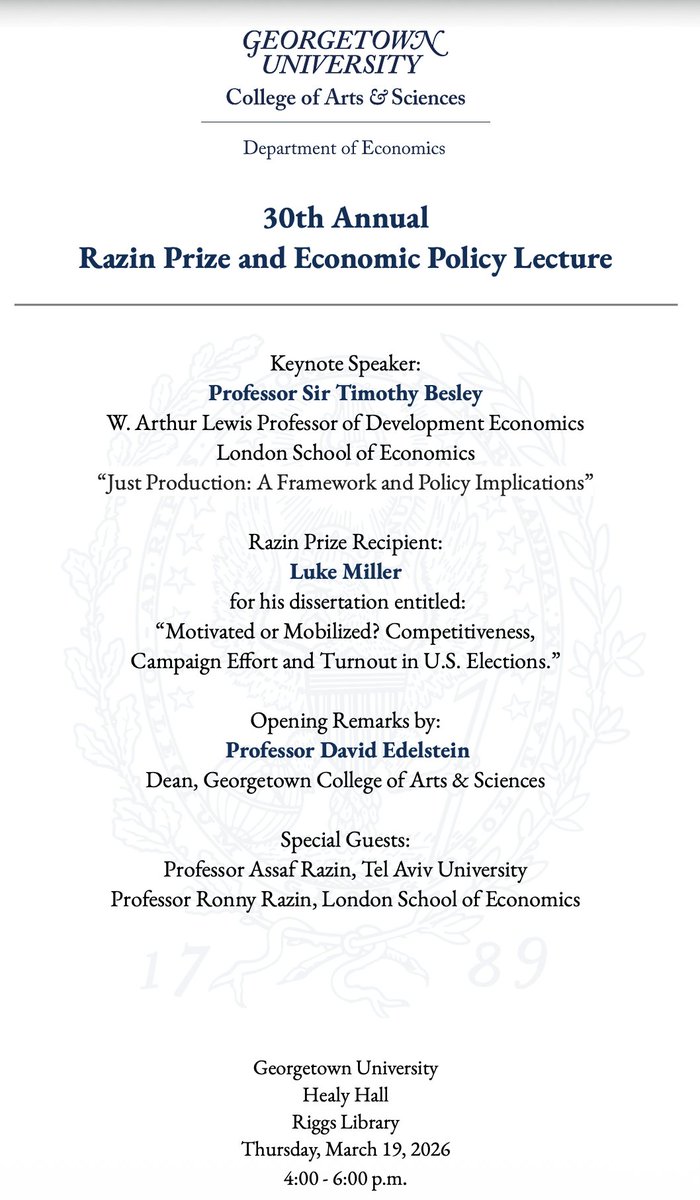
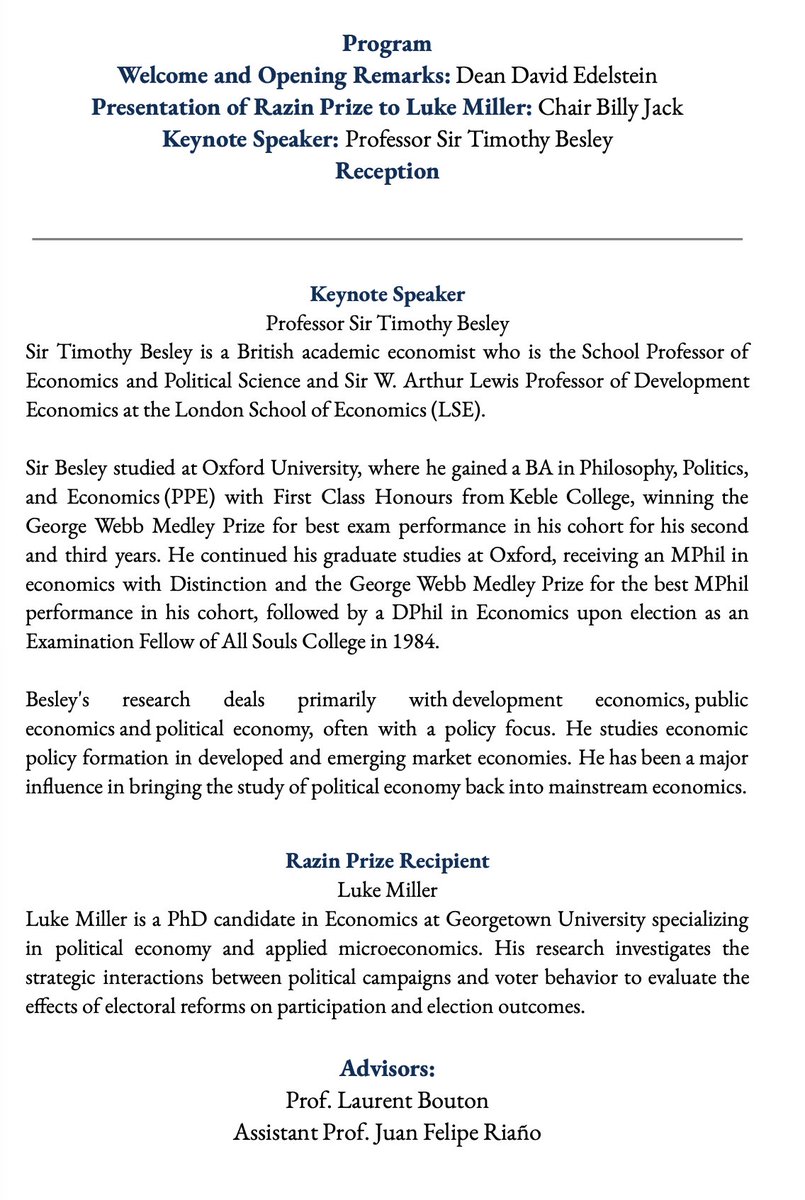
Continuing a proud Georgetown Economics tradition, the 30th Annual Razin Prize & Economic Policy Lecturehonors excellence in economic research and policy.
🎤 Keynote: Sir Timothy Besley (LSE)
🏆 Razin Prize: Luke Miller (Georgetown)
📍 Healy Hall, Riggs Library
🗓 March 19, 4-6pm
🎉 Exciting news! @dmckenzie001 has accepted the offer to join @GCER_Georgetown as the new Edmond D. Villani Chair Professor of Economics!
We can't wait to welcome him to the
Hilltop! 🙌
https://t.co/ZGXKPtDTBn
Co-sponsored by the Georgetown Center for Economic Research (GCER), the Center for Business and Public Policy, and the Institute for the Study of International Migration (ISIM).
📢 Join us for the first Washington Area Immigration Symposium (WAIS)
📍 Georgetown University | Fisher Colloquium, Rafik Hariri Building
📅 March 13
🔗 RSVP: https://t.co/5t7gX7Au67
🔹 New NBER working paper from professor Cauê Dobbin @cauedobbin on the rise of online higher ed in Brazil.
👉 Online programs boost access, especially for older students, yet shift younger students toward lower-return paths.
🔗 https://t.co/2e6GUA0ZZx
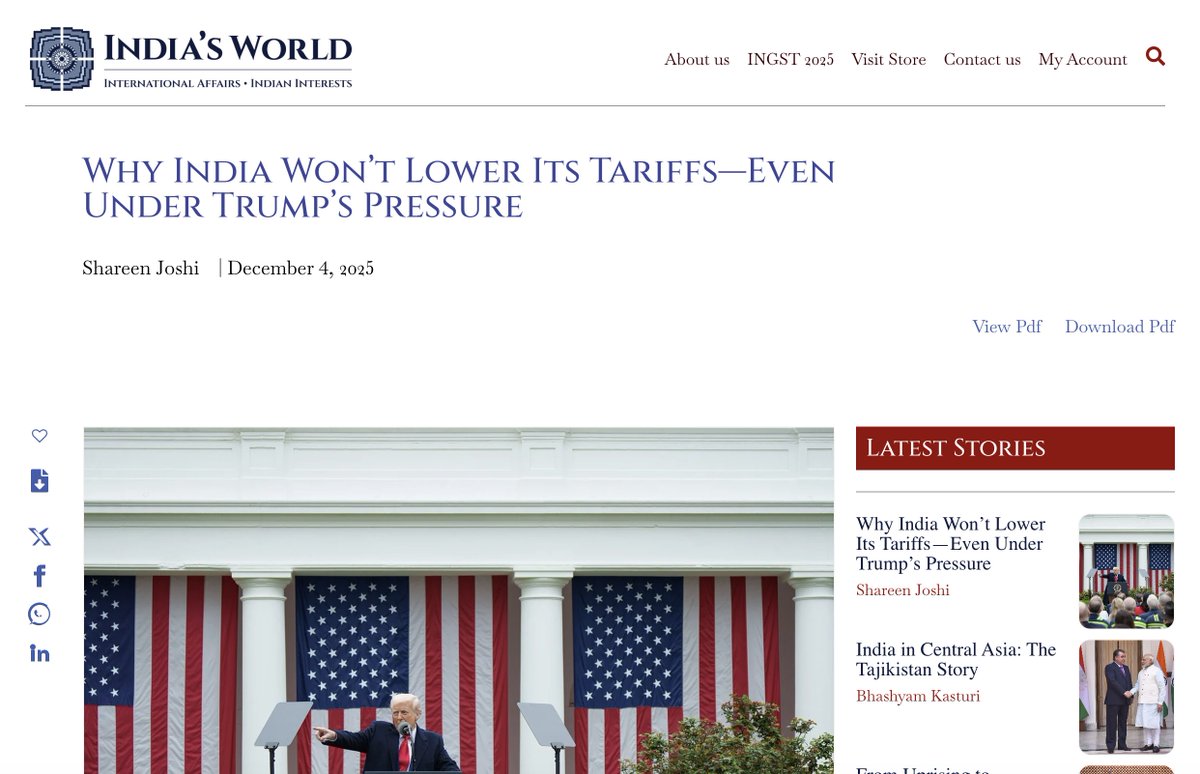
Shareen Joshi writes why India won’t lower its tariffs, even under Trump’s pressure.
As India faces pressure to reduce tariffs, the political reality is clear: dismantling its protectionist structure risks political survival. With a dual constituency of farmers and industrialists, any significant reform would challenge the very foundation of India's political landscape. #IndiasWorld #TradePolicy @shareenjoshi
Read the article here: https://t.co/J4Yv2nPEoE
🔵 Prof. Anna Maria Mayda (@mayda_anna) has co authored a chapter on immigration and border policies in CEPR’s new volume on the economic consequences of a second Trump administration.
Read the publication here:
🔗 https://t.co/TnOgCn7ie3
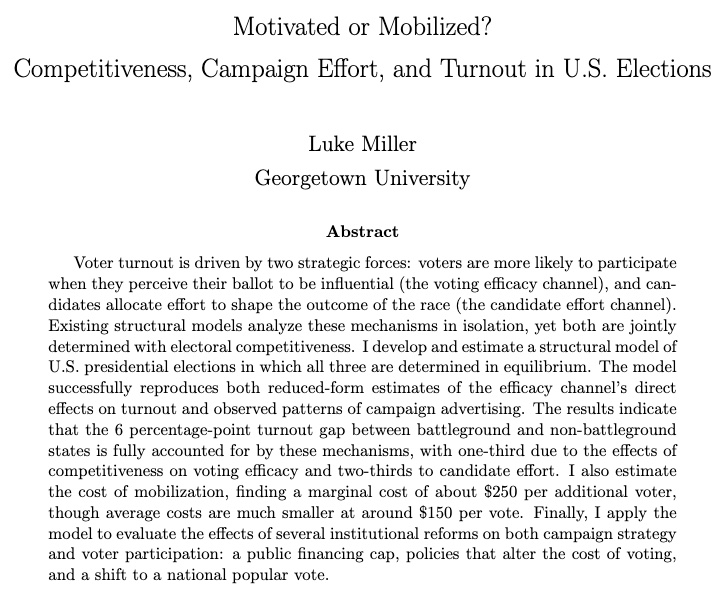
🔷 Each year, the Economics Department awards the Razin Prize for the best dissertation or research paper by an advanced graduate student.
This year’s winner is @luke_benjamin_, whose job market paper earned the prize.
🏅 Congratulations Luke!.
Find More on his JMP 👇
How would a National Popular Vote or Campaign Spending Caps alter U.S. elections?
My JMP develops a structural model to evaluate these reforms by solving the strategic feedback loop between voters and campaigns. 🧵 (1/8)
#EconJobMarket
https://t.co/LWy1aW2qWd