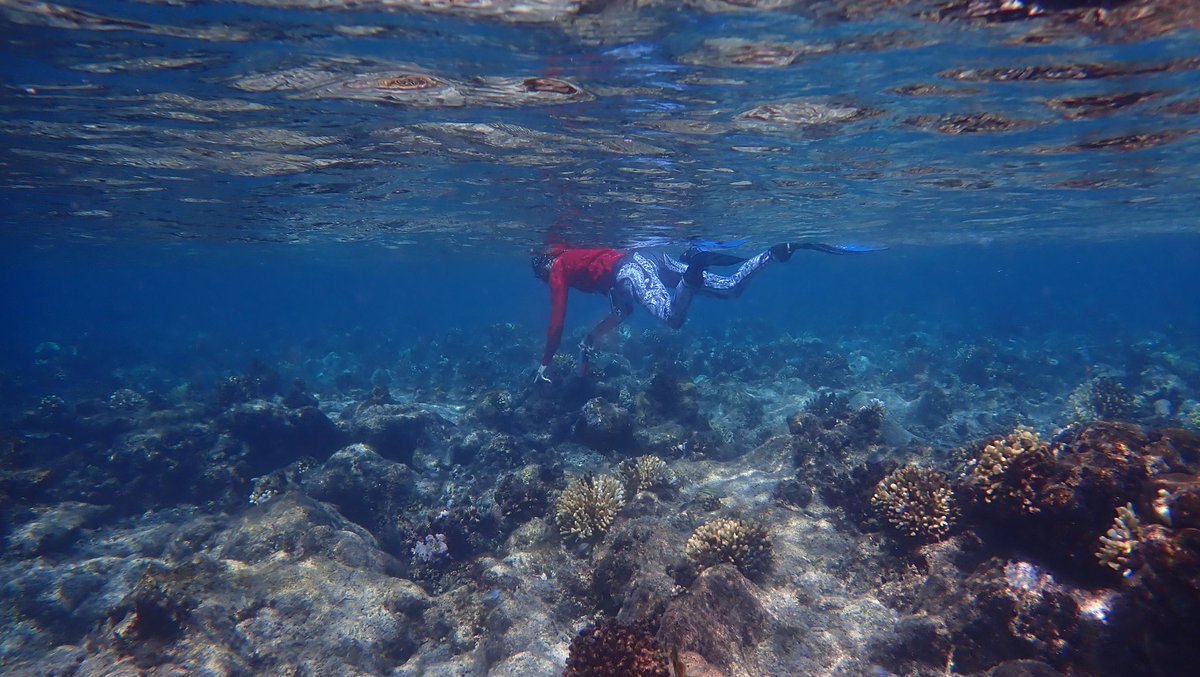
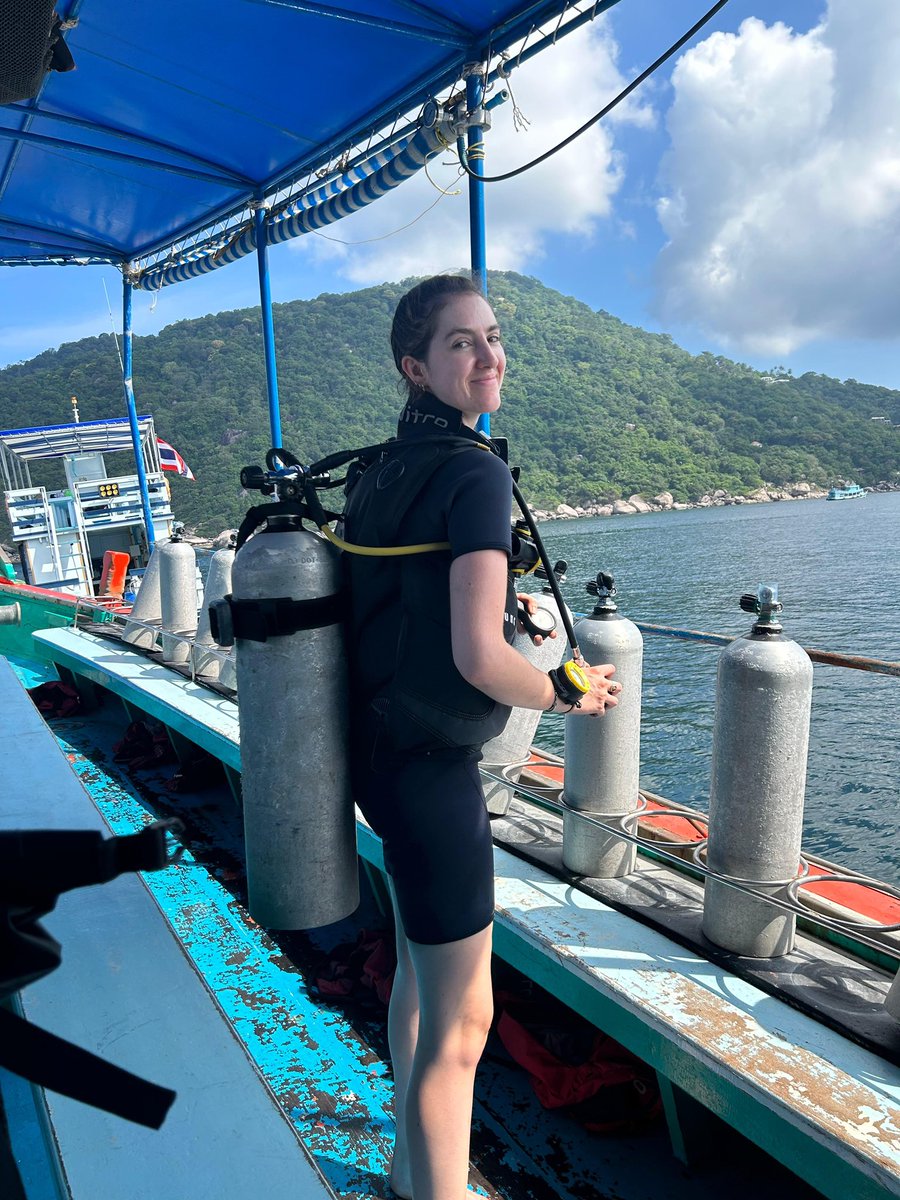
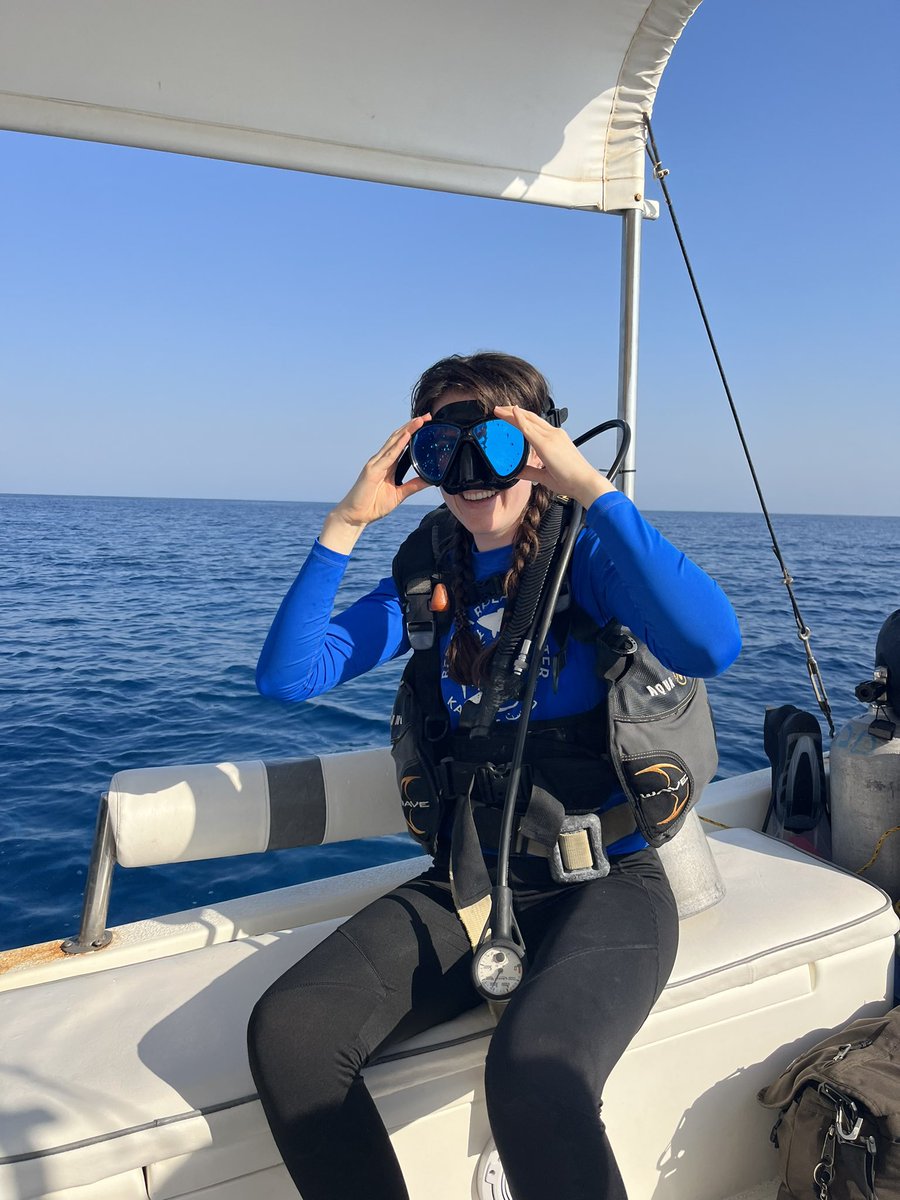
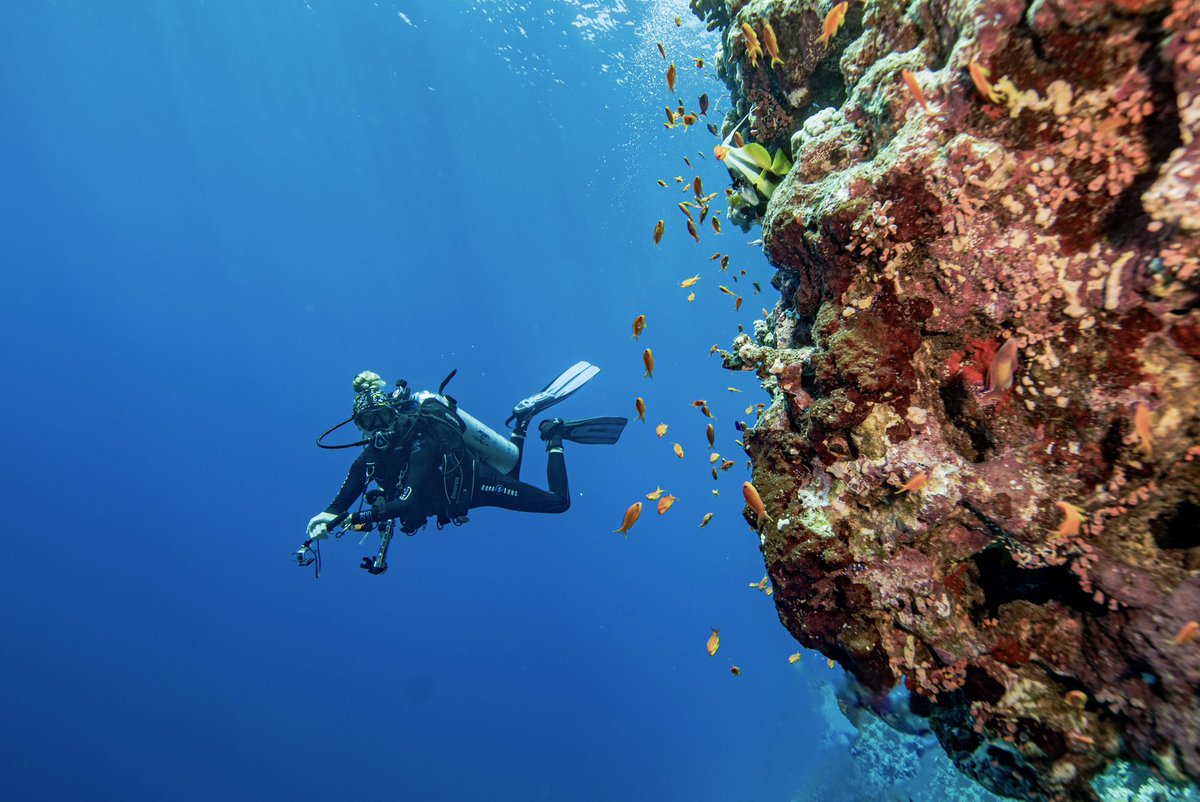
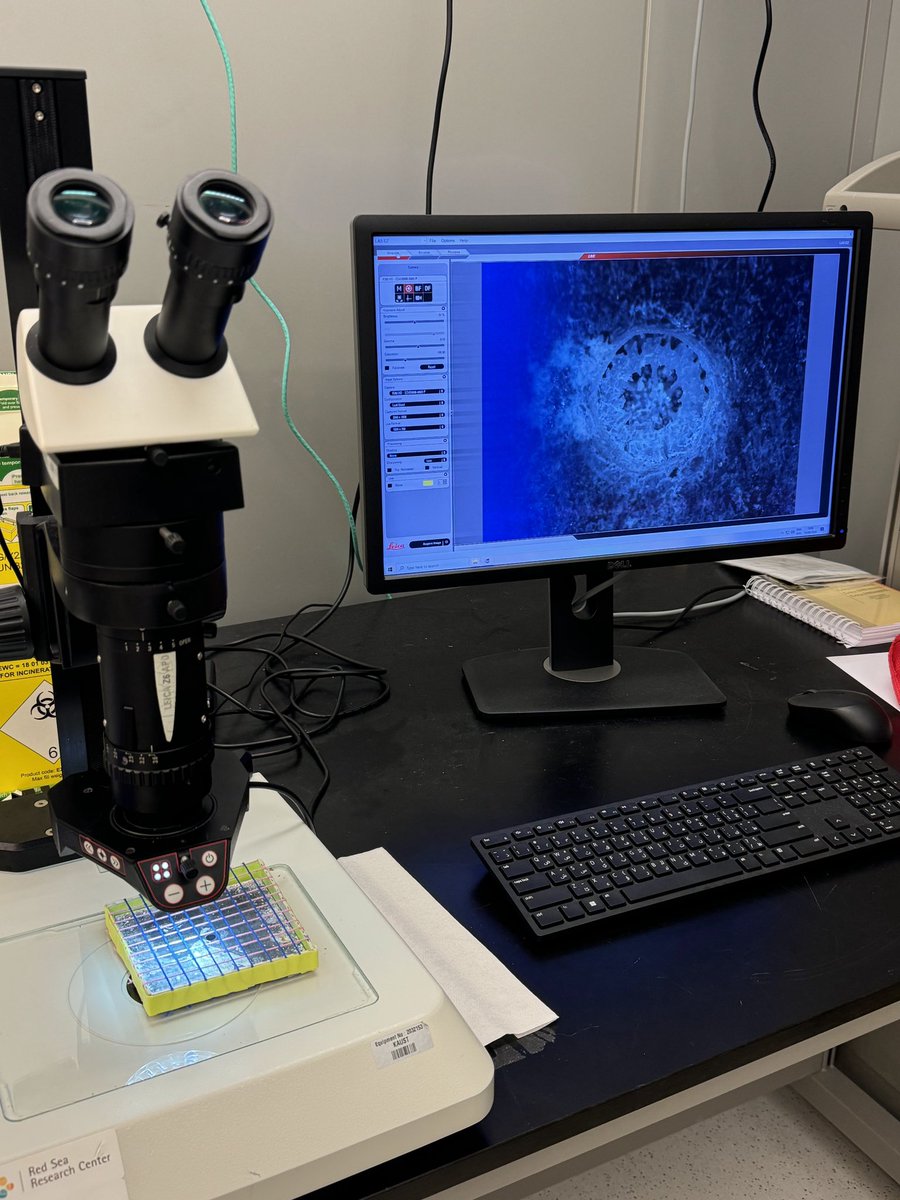
The aim is to create a baseline macro-invertebrate population study in the region Eventually, this information could help better understand marine dynamics and inform reef conservation measures. Invertebrates remain very understudied, so there is much left to discover!
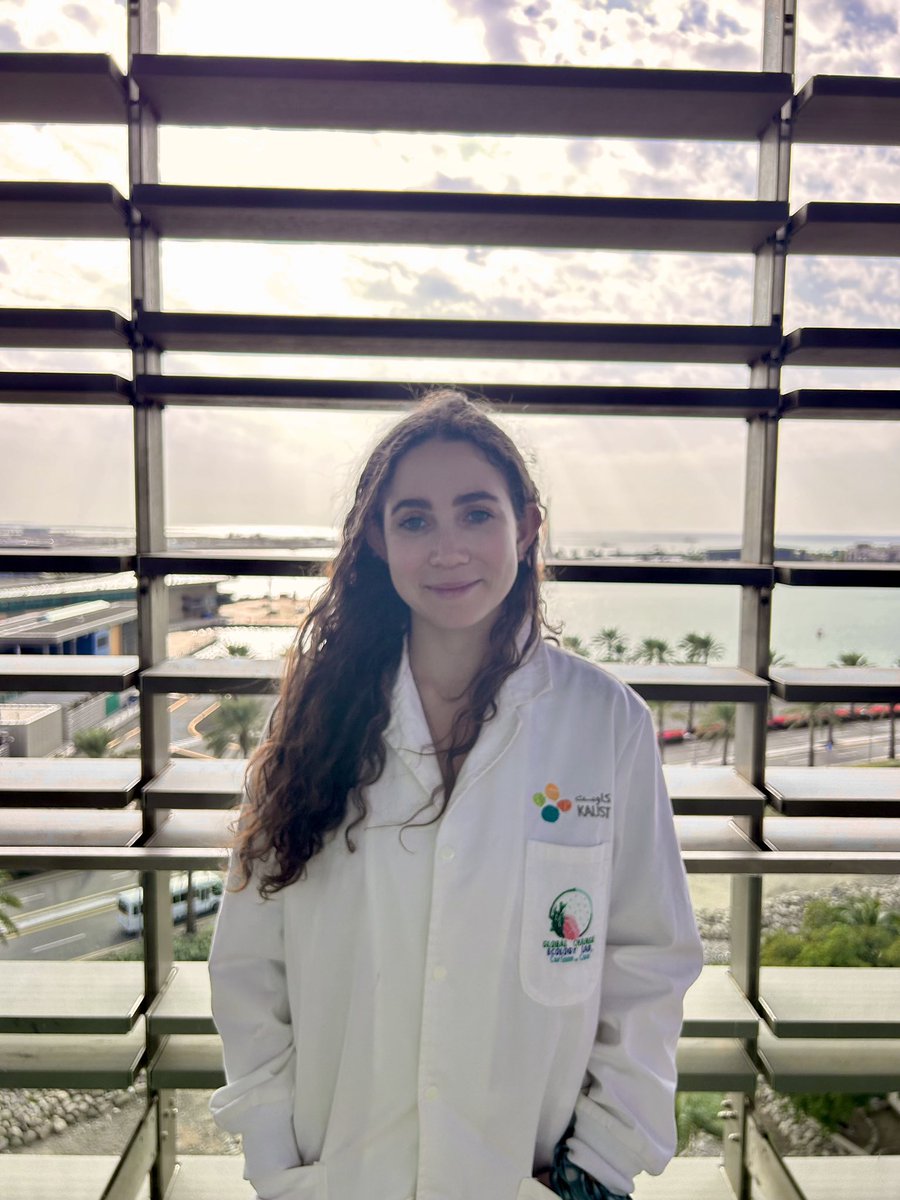
Faustine is the newest visiting research student from France/Switzerland! She graduated from a masters in Wild Animal Biology and has taken the marine biology discovery route by joining the GCEco lab.
Eloise is a visiting student from Oxford University in the UK. She is joining the GCEco Lab to help research algae diversity and calcification rates on Red Sea coral reefs. She is really excited by the opportunity to be studying this unique and relatively understudied reef system
Meet Francesca! She’s a visiting student from Italy, where she’s working on her PhD all about CCA taxonomy. Her research dives into using both morpho- and molecular taxonomy to explore and understand CCA dominated environments in places like the Mediterranean and the Red Sea.
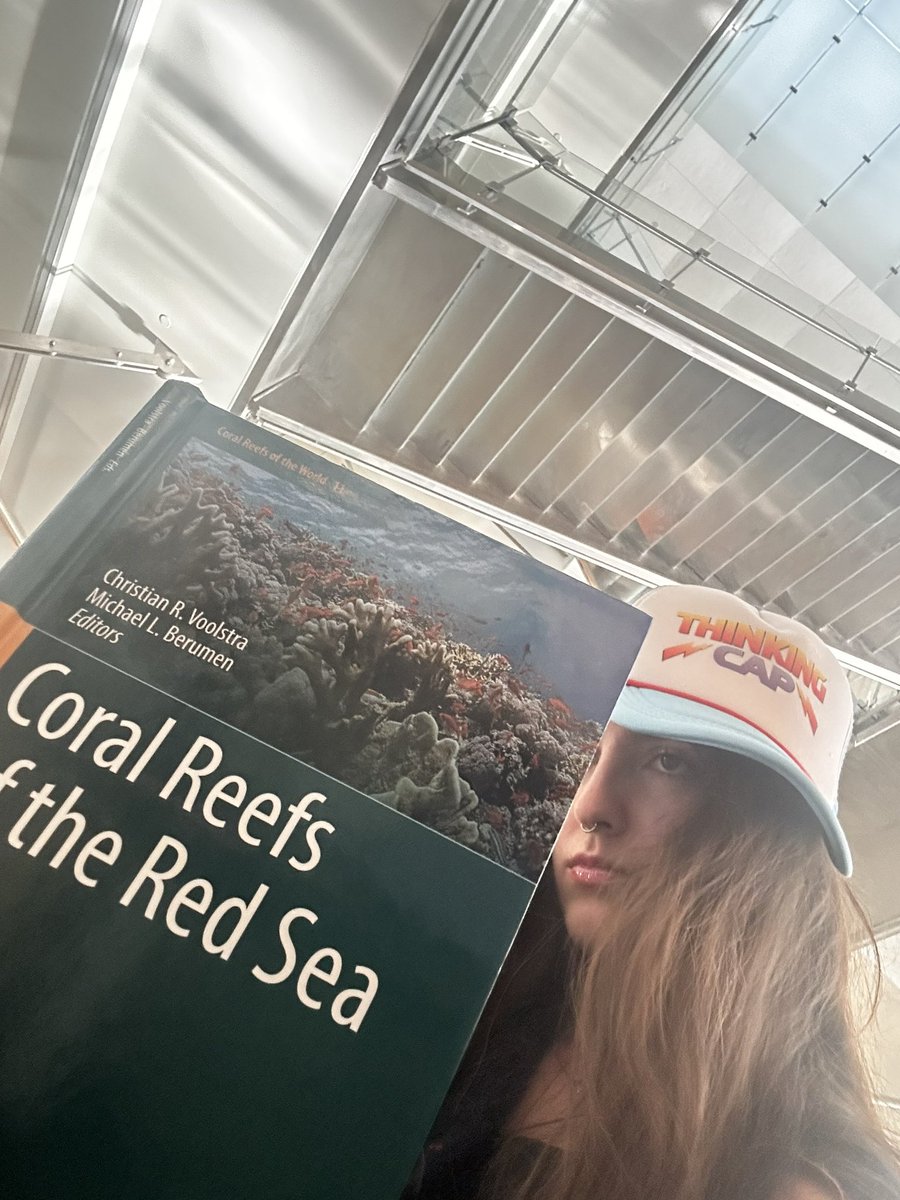
Kathryn is a visiting student from Austin, Texas. Her research with the GCEco lab currently focuses on Red Sea coral settlement, crustose coralline algae (CCA),and marine calcification rates She is excited to be at KAUST and will help anybody and everybody with their field work😄
Currently, I am working on a project for my Master’s thesis that aims to explore CCA taxonomy in more detail. This research is crucial for gaining a deeper understanding of the role of CCA and our responsibilities in protecting them.
#KAUST#kaustresearch
Ciao! My name is Erika, and I’m a VSRP student from Italy. I’m interested in studying the taxonomy of coralline algae (CCA) and their responses to ocean acidification.
This demonstrates the strong potential of seaweeds as a bioindicator for monitoring and identifying new nutrient inputs. This can especially help in management methods aimed at protecting our reefs
#KAUST
We all know that nutrient loading is harmful to coral reefs.
However, did you know that we can use macroalgae to measure changes in nutrient inputs and distinguish between natural and human sources?
Last year Mafalda used Halimeda sp. stable isotopes (d15N) through time to measure the rate at which they reflect new nutrient sources.
The results show promising information! Halimeda sp. d15N reflects new nutrient sources in just a matter of 3 days!!!
Corinne is a PhD student 👩🏻🔬 She’s diving into understanding how climate change impacts CCA “Crustose Coralline Algae” physiology and its implications for future coral larval settlement 🪸
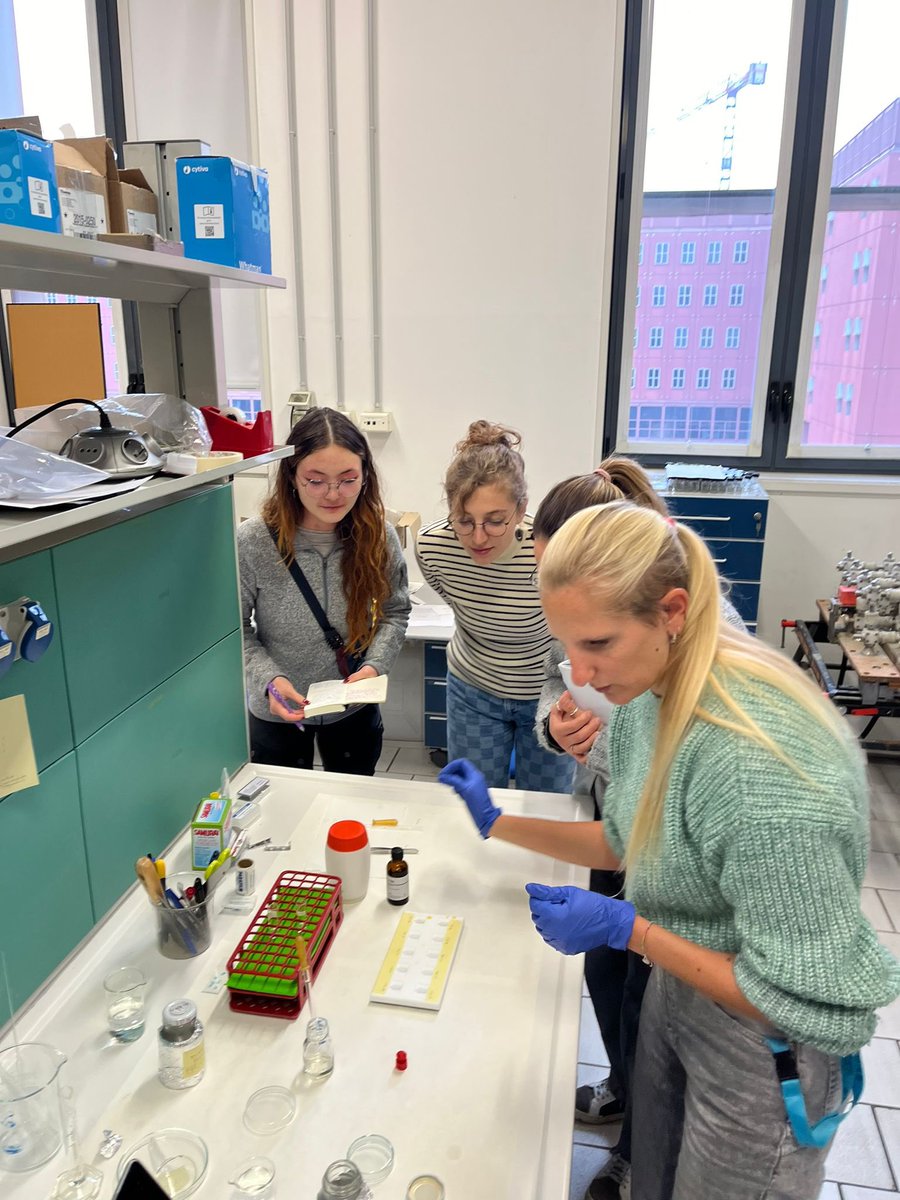
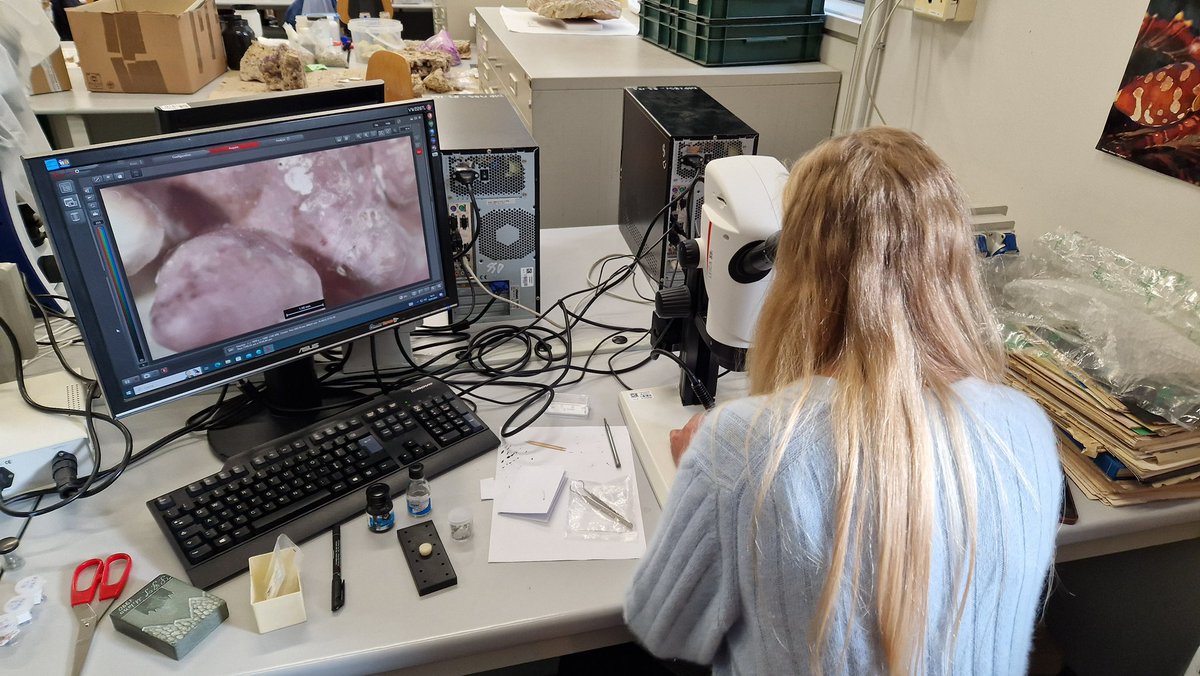
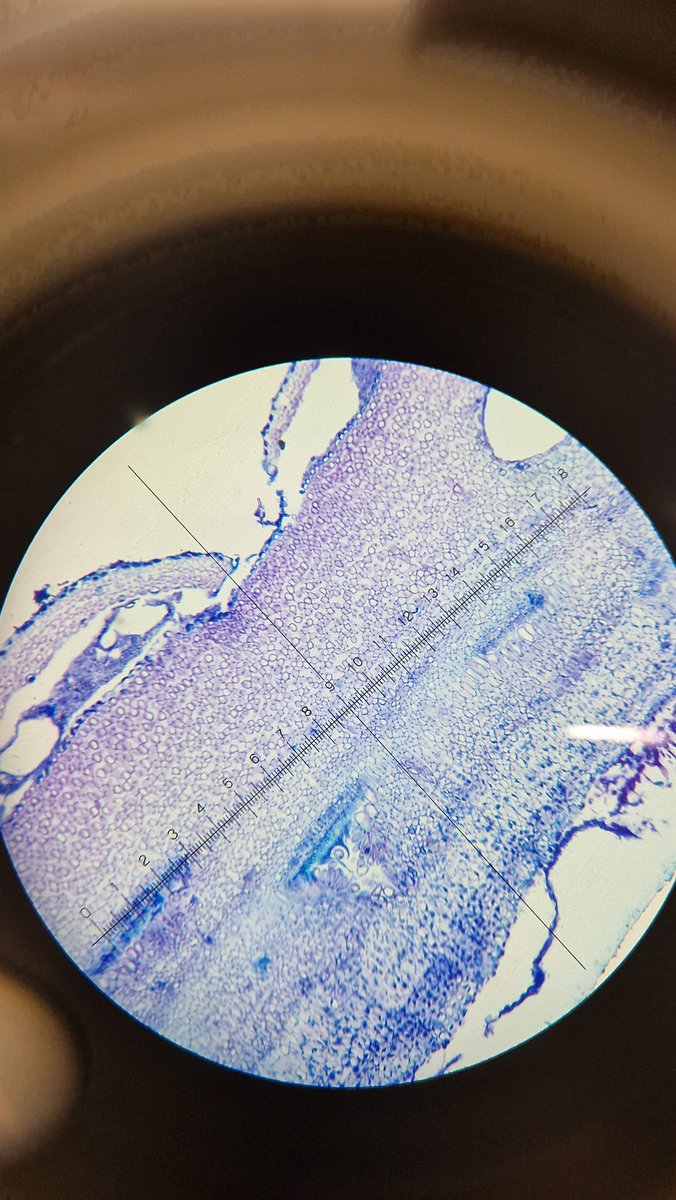
🌊🔬 Exploring Crustose Coralline Algae in Milan 🇮🇹
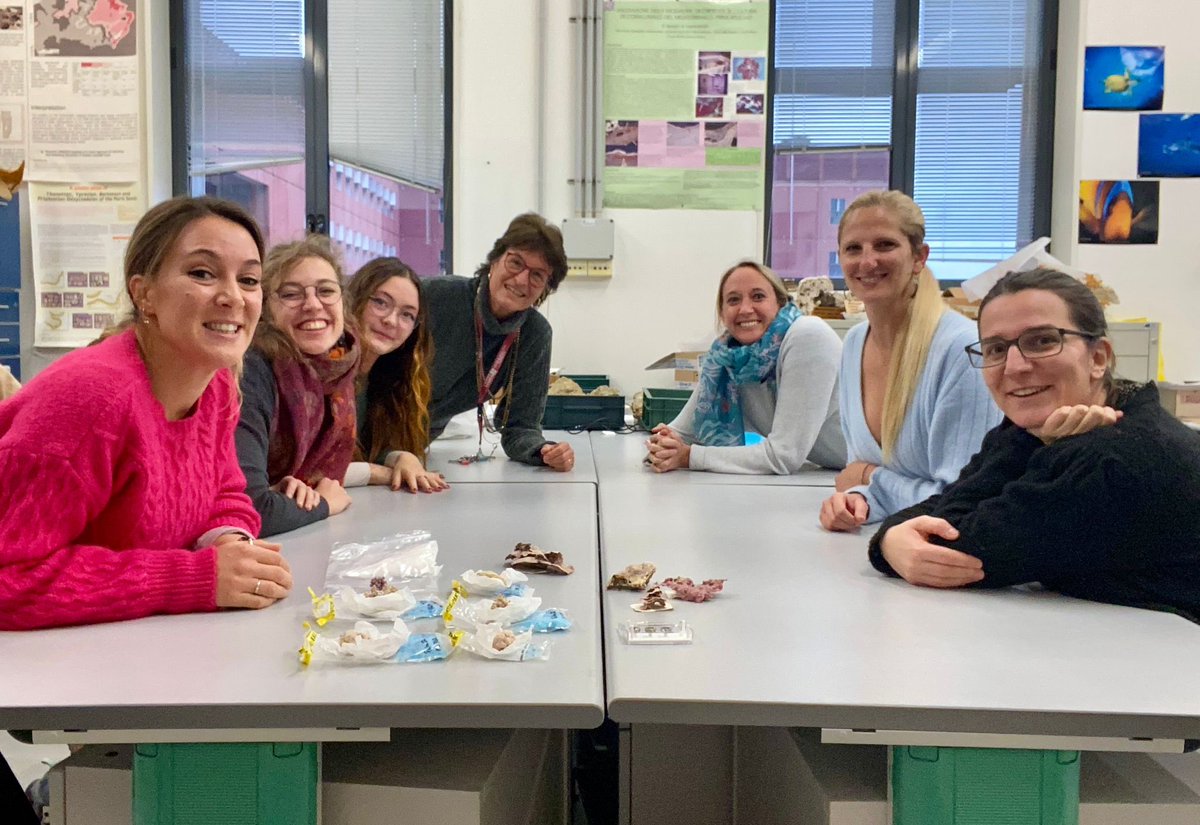
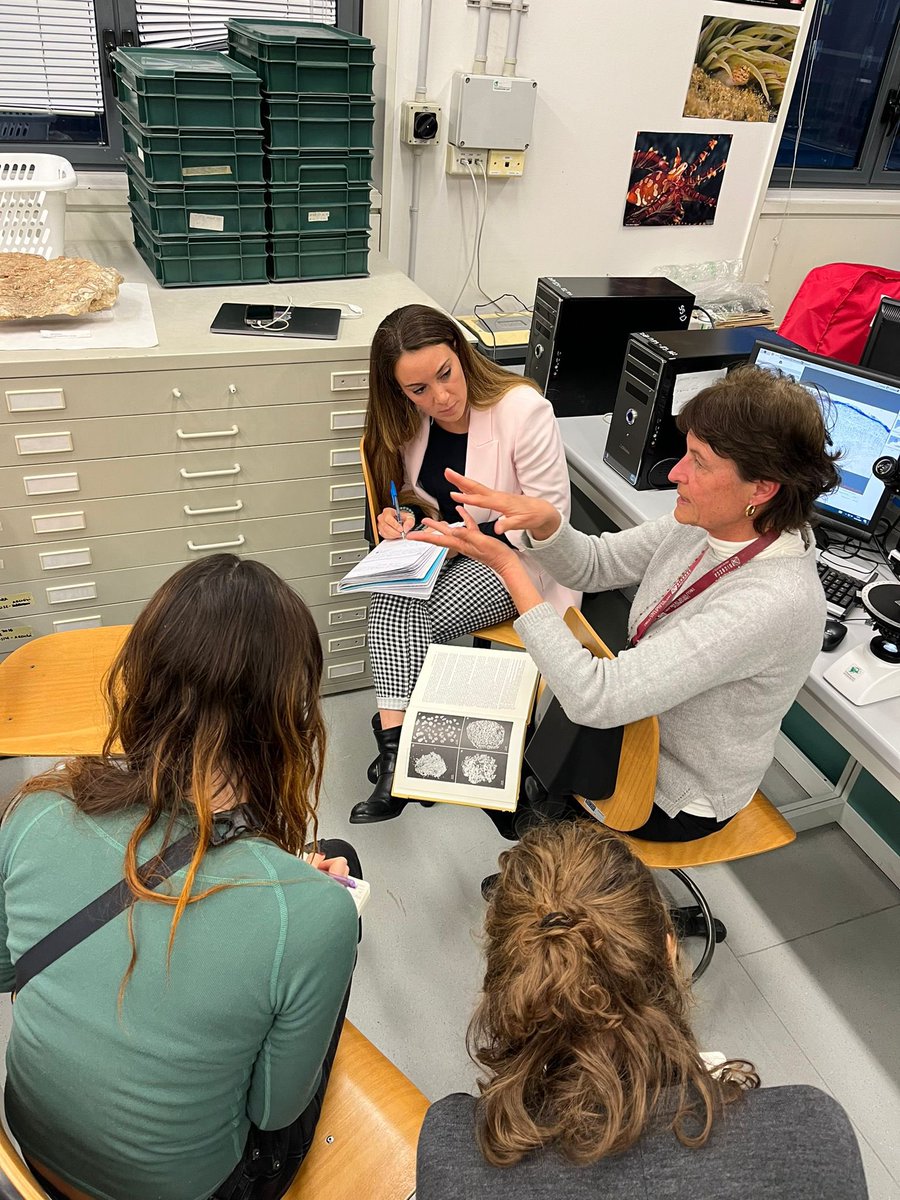
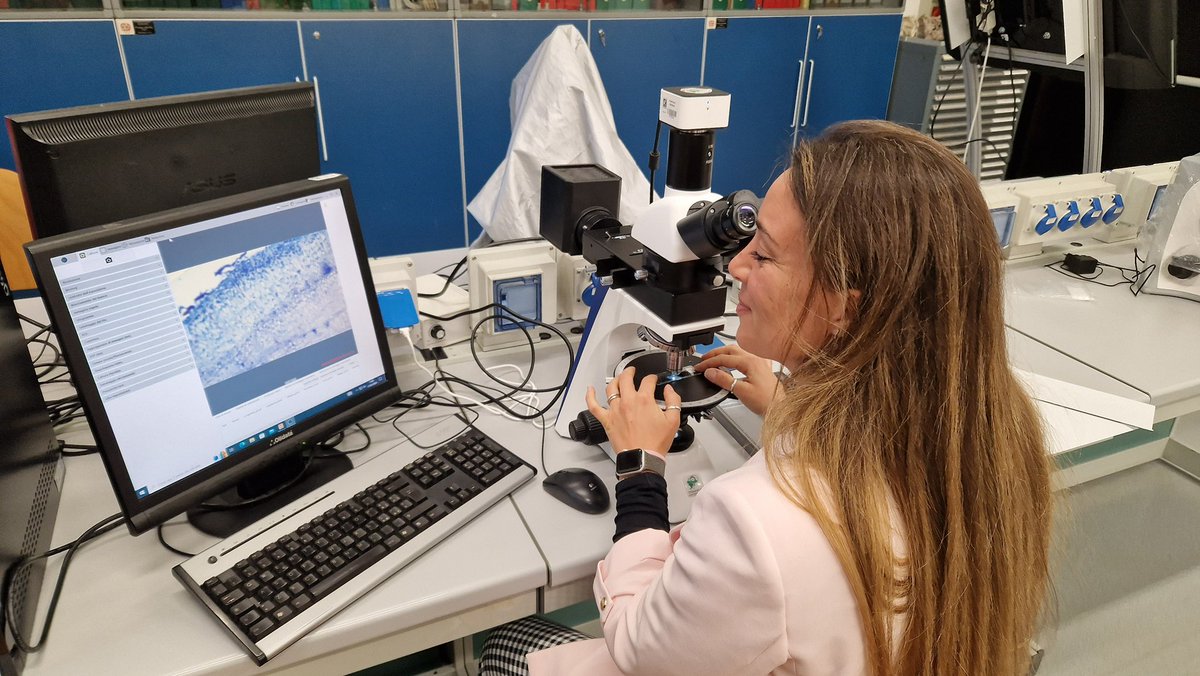
This January, some GCE Eco Lab folk had the opportunity to collaborate with Crustose Coralline Algae (CCA) aficionados at the University of Milano-Bicocca.
Professor Daniela Basso, Dr. Valentina Bracchi, and PhD student Francesca Panizzuti welcomed us with open arms, sharing their expertise in sample preparation and imaging techniques for identifying CCA.
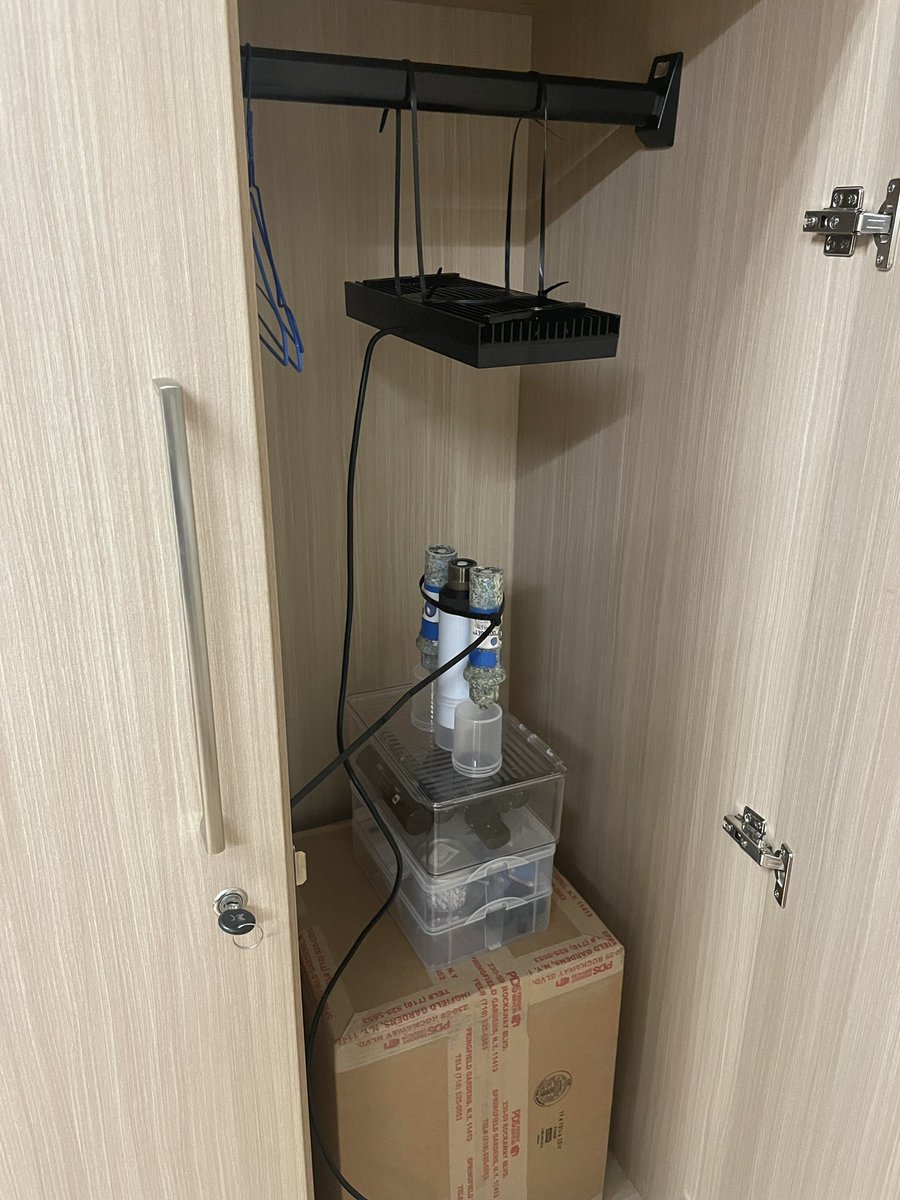
One of the best parts about science is getting creative and resourceful to problem solve💡
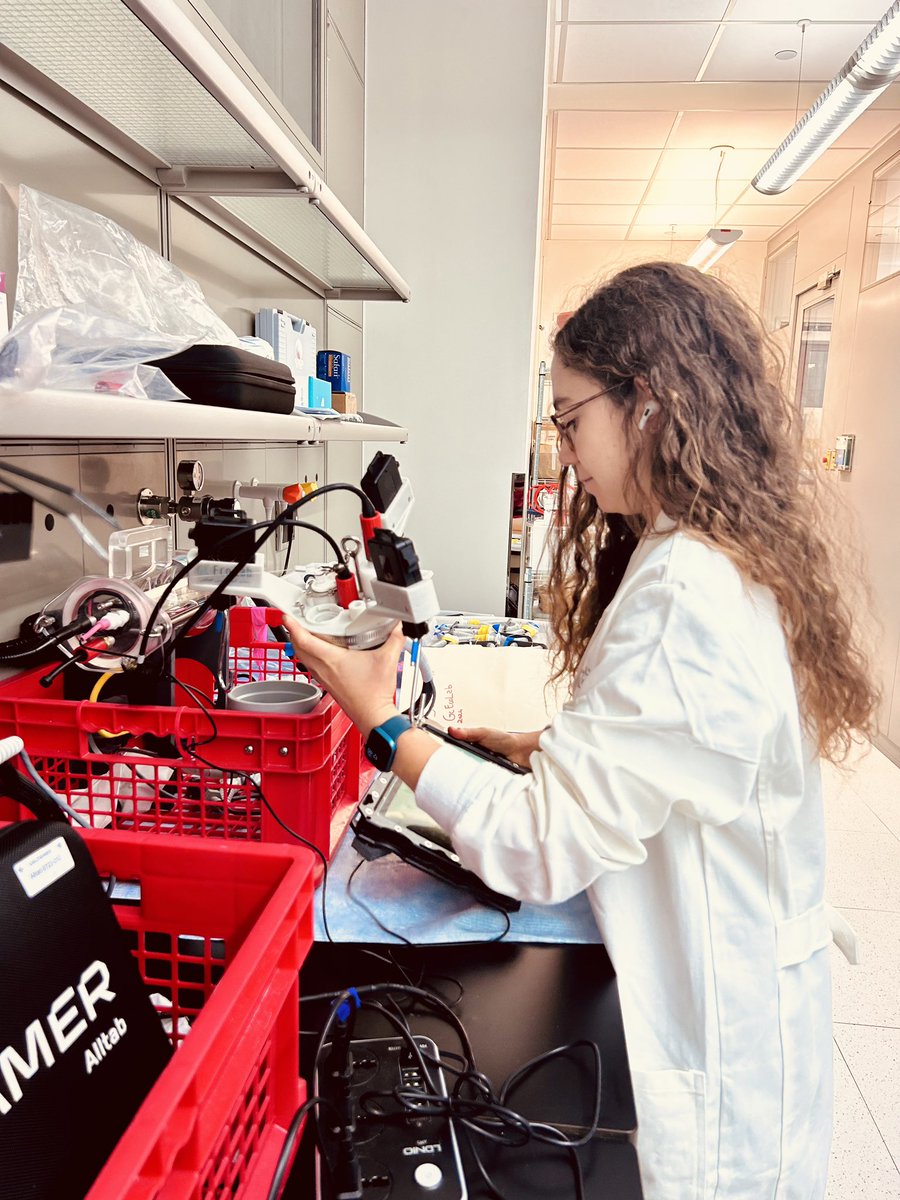
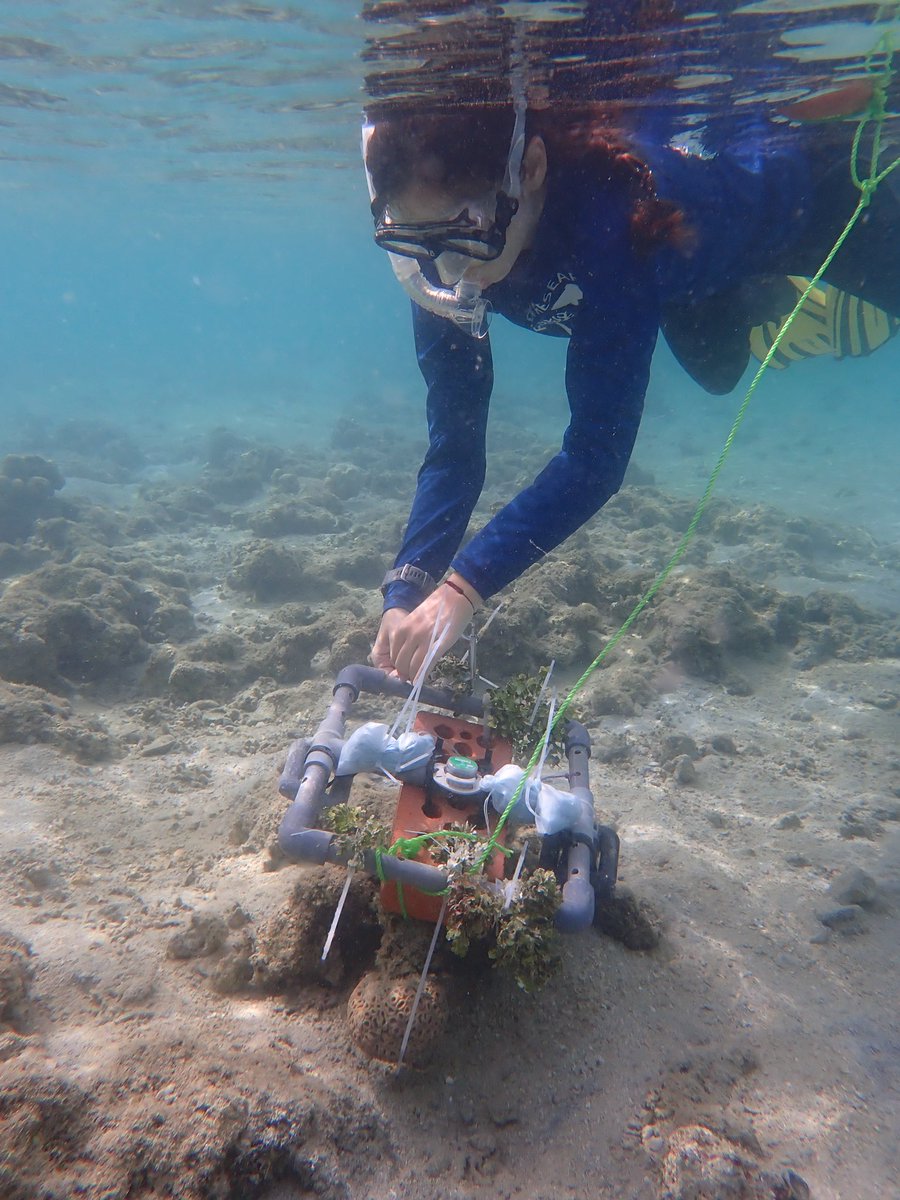
We use underwater sensors to measure the physical and chemical conditions reef organisms are exposed to. But before placing sensors on the reef, it is best practice to calibrate them.
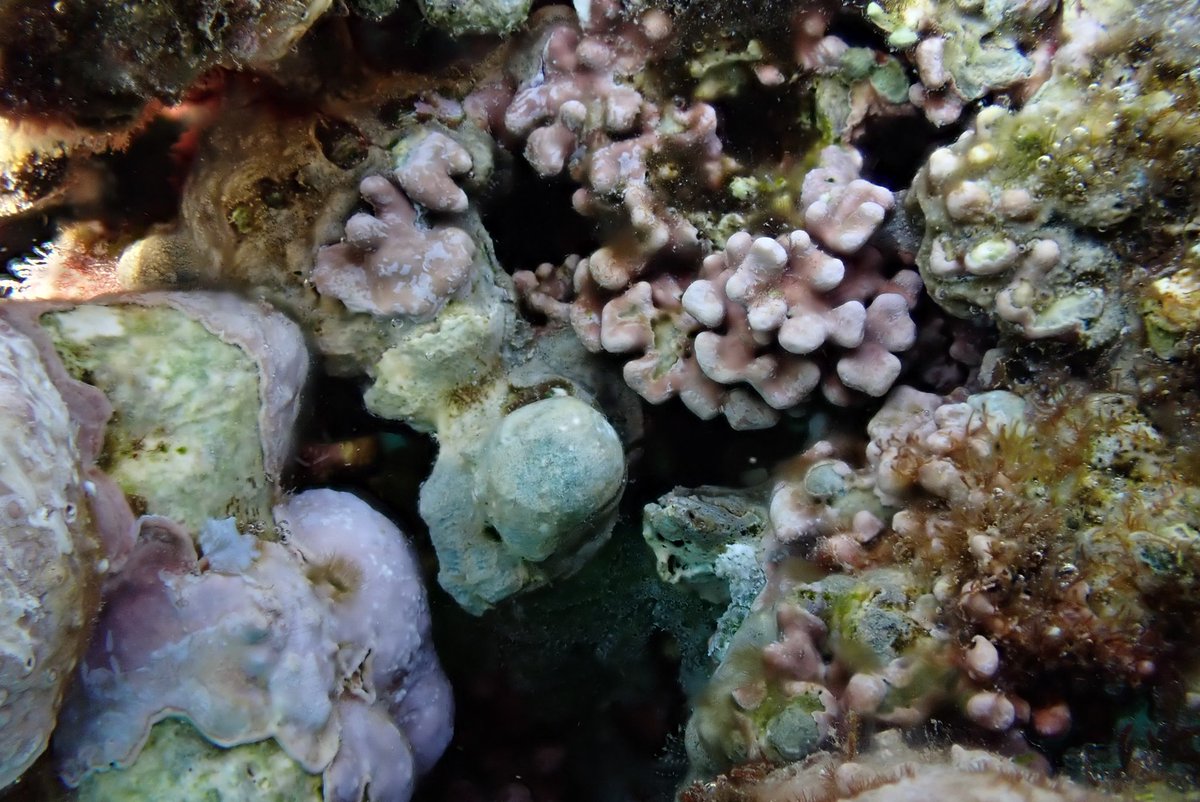
Besides that, lots of things grow on CAUs, which 1. Looks really beautiful (photo 3) and 2. Tells us about early communities in all these different reefs
#Redsea#kaustresearch#KAUST#coralreef
This week we are showcasing a core tool used by our lab- CAUs!😎✨
Calcification Accretion Units are small PVC and steel structures. We put them out in a reef for one year(photo 1)and after this period of time,we measure how much carbonate has accumulated(photo 2-look how pink!)
This is a simple, cost effective, and standardized way to assess reef calcification 🪸🫧
Why do we care about reef calcification🤔💭? In its simplest form, it’s because it’s related to reef growth! A reef that stops growing cannot survive in the long term.