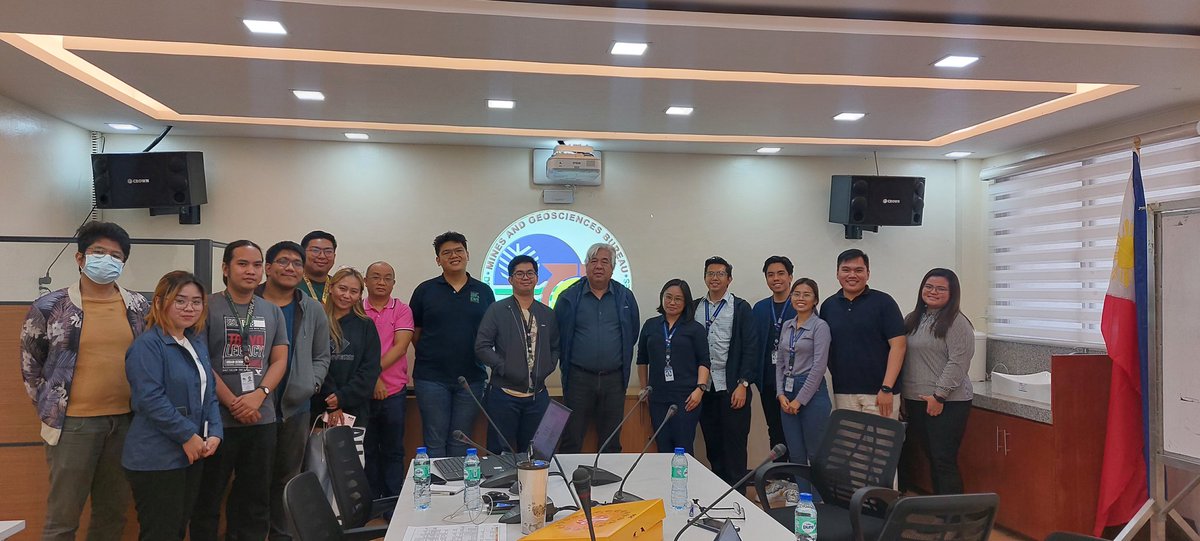
We are the National Project Management Team of the Multi Hazard Impact-based Forecasting and Early Warning System Project funded by the Green Climate Fund.
🌟Talk About It Tuesday: A closer look at the Philippines' first GCF-funded project
MHIBFEWS is the first GCF-supported project in the Philippines. Led by DOST-PAGASA and partners, it turns science into action for resilience.
Swipe to learn more.
#MHIBFEWS#ClimateAction
🇵🇭 𝐌𝐚𝐥𝐢𝐠𝐚𝐲𝐚𝐧𝐠 𝐀𝐫𝐚𝐰 𝐧𝐠 𝐊𝐚𝐥𝐚𝐲𝐚𝐚𝐧!
Nakikiisa ang IBF EWS Project sa pagdiriwang ng ika-128 na Araw ng Kalayaan ng Pilipinas.
Patuloy tayong maglingkod, maghanda, at magkaisa para sa bayan.
Stay weather-ready this coming Independence Day. 🇵🇭
DOST-PAGASA advises the public to expect varying weather conditions on June 12 due to the Southwest Monsoon and Easterlies. Stay informed and take necessary precautions.
Full article in the comments.
📡 Strengthening partnerships for climate resilience.
PAGASA welcomed WFP Philippines Country Director Regis Chapman on June 9 to discuss collaboration on climate services, early warning systems, data innovation, and anticipatory action.
#MHIBFEWS#PAGASA#WFP#EWS
🌱 Raising awareness on disaster preparedness in New Bataan.
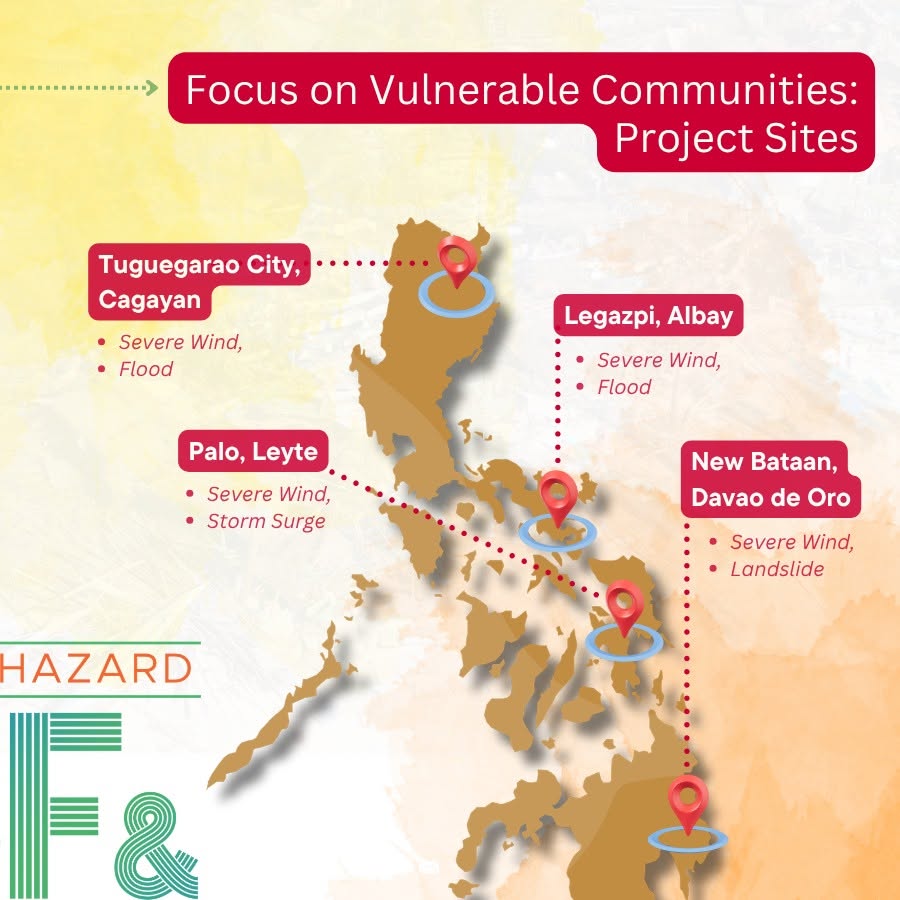
On May 21, 39 participants, including members of the IP community, joined an IEC session on the MHIBFEWS Project and learned about impact-based forecasting, early warning systems, and early action.
#MHIBFEWS#DRRM
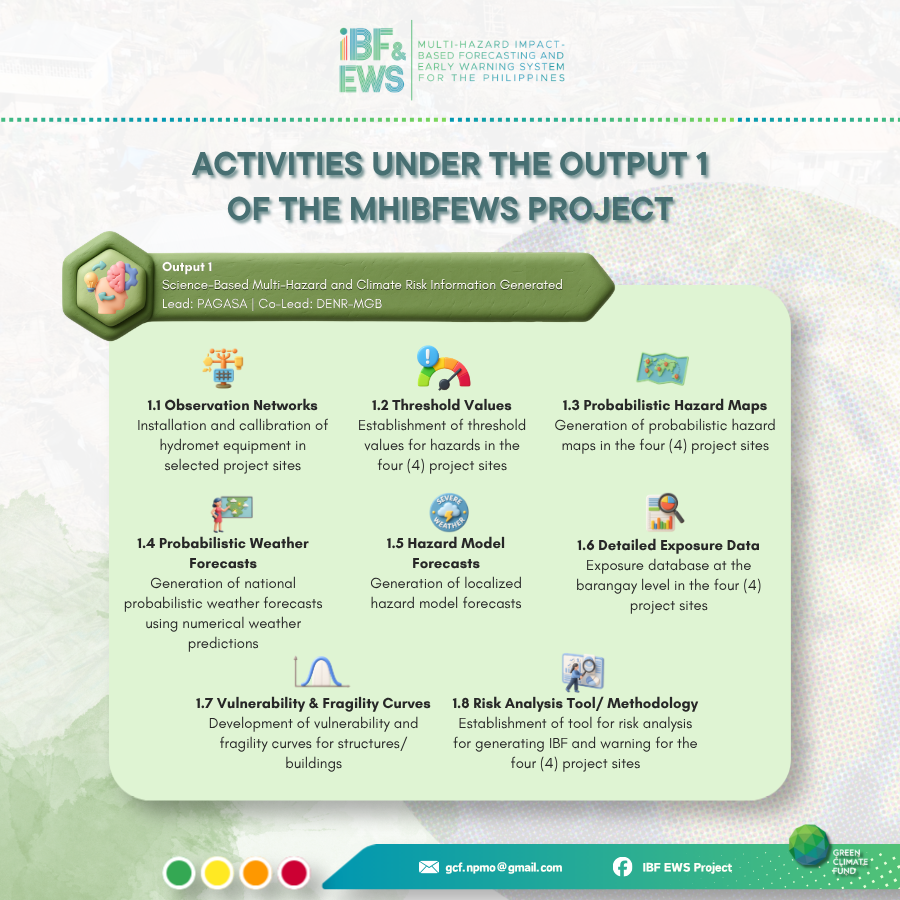
📊🌏 The science behind MHIBFEWS.
Output 1 develops hazard, exposure, and risk information needed for impact-based forecasting and early warning, helping communities prepare before disasters strike.
#TalkAboutItTuesday#MHIBFEWS
🌱 Listening to communities to strengthen anticipatory action.
From May 25–29, MHIBFEWS conducted a validation survey in Legazpi City, engaging 426 respondents to gather insights for the development of an Anticipatory Action Plan for meteorological hazards.
#MHIBFEWS#Legazpi
Thanks to recent progress in weather forecasting, meteorologists can give countries and communities precious time prepare for extreme weather events
📡#EarlyWarningsForAll
💪 #EarlyAction
Read more: https://t.co/QnJZgKw80X
Disaster - Respond - Recover - Repeat 🔄
We have to break this vicious cycle.
To do that, we first need a better understanding of disaster risk, in all its dimensions.
Because there are no natural disasters.
Find out more ⬇️
https://t.co/VvLxjmwdGc
💡Low-cost, accurate, and robust flood sensors could help monitor and respond to hyper-localized urban flooding.
The FloodNet project uses solar-powered sensors to provide real-time and quantitative flood information to stakeholders.
Discover FloodNet ➡️ https://t.co/keU83BZeeE
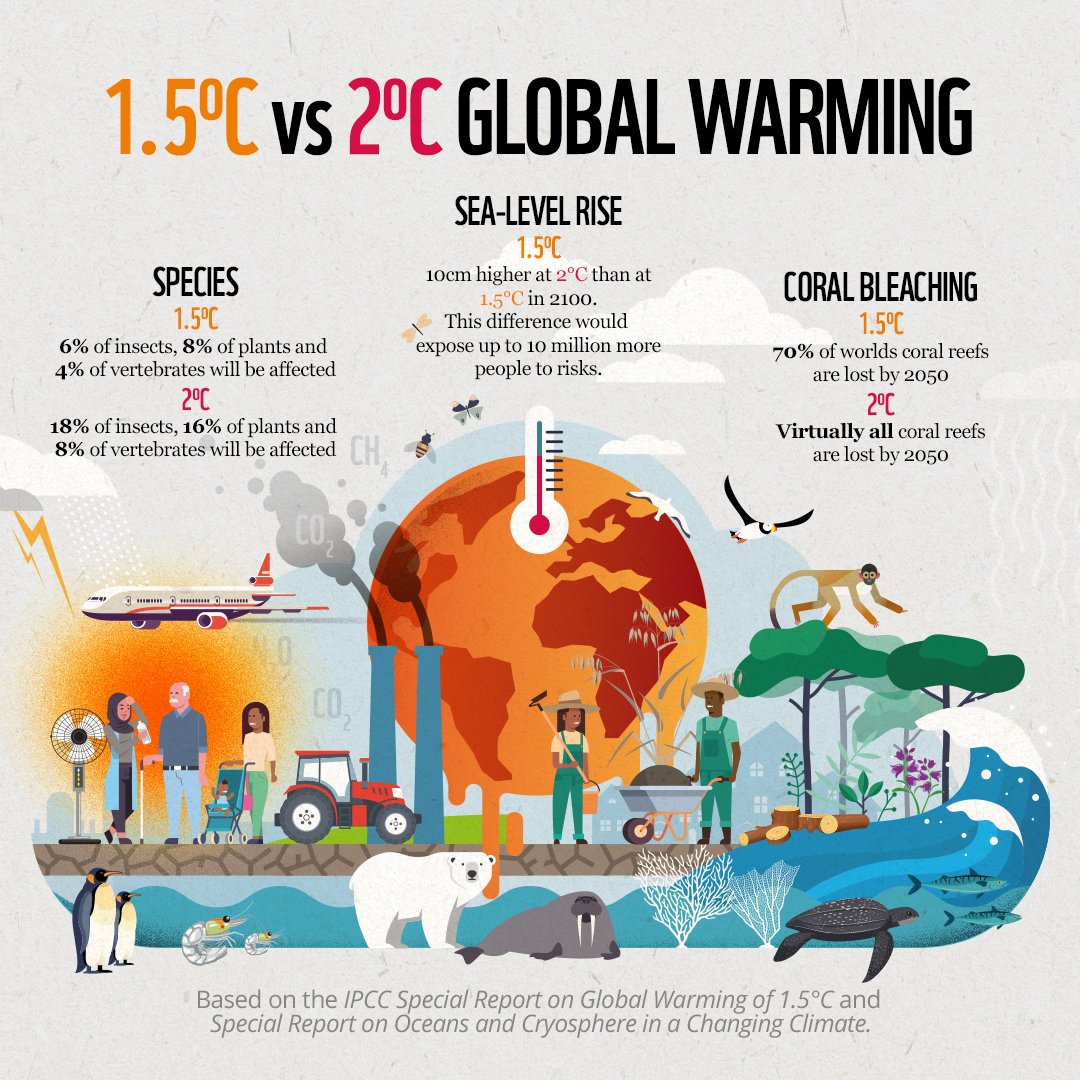
🌡️ What we do today will change the future of our planet!
Our world is heating up 🔥 and soon, the opportunity to limit global warming to 1.5°C will be out of reach. We need to act now to ensure a better tomorrow for people and nature🌎
Via @climateWWF
Mark your calendars! We are proud to join forces with the UNDP and our global network of members to bring you a World Meteorological Day (#WorldMetDay) celebration unlike any before.
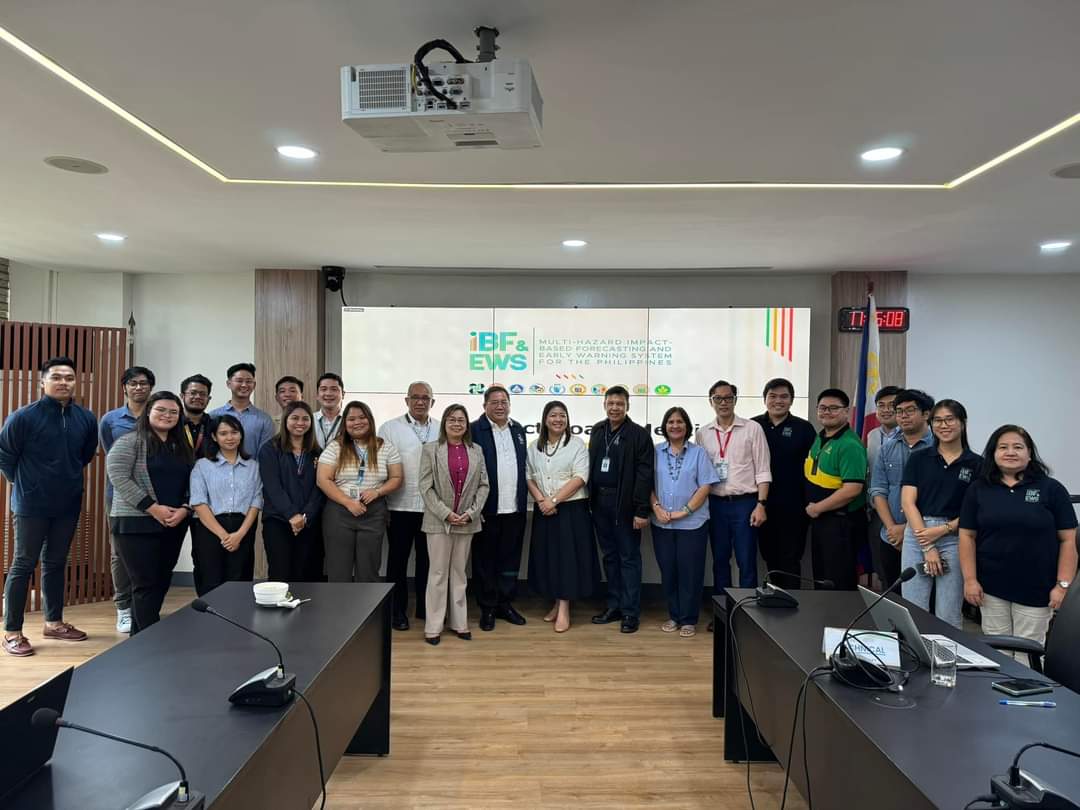
The 3rd Board Meeting of the MHIBFEWS Project was successfully held at the PAGASA Science Garden, Quezon City today. The quorum consisted of the esteemed Board members from OCD, DILG, MGB, CCC, LANDBANK as the Vice Chair and PAGASA as the Chair.
🔸Extreme weather events
🔸Flash floods
🔸Destroyed crops
Bangladesh's Haor region is particularly vulnerable to climate change.
See how @FAO is developing better #AnticipatoryAction systems to assess flash flood risks and provide timely mobile alerts to at-risk farmers 👇
For early warning systems to be effective, they must be:
👉 inclusive
👉 understandable
👉 interpretable
👉 actionable by non-technical people.
📢Read more about achieving #EarlyWarningsForAll by 2027 👉 https://t.co/rwVQhwnWan
Nothing undermines development like a disaster.
Unequal access to services increases exposure to disaster risk, while disasters worsen inequality by pushing those most at risk into poverty. ➡️ https://t.co/zs2YkPqdzx
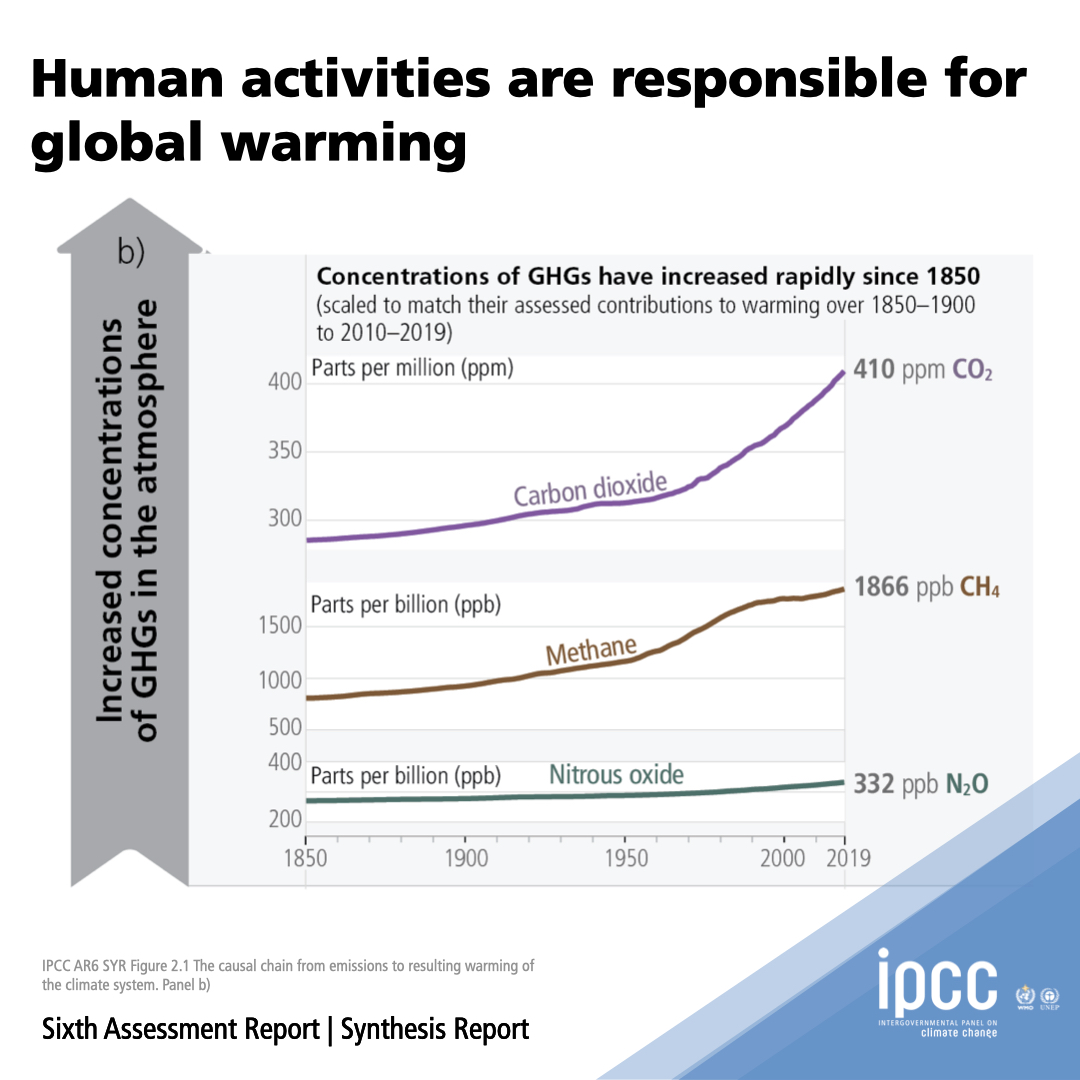
Concentrations of GHG emissions have increased rapidly since 1850 & have continued to increase, with unequal historical & ongoing contributions arising from unsustainable energy use, land use & land-use change, lifestyles & patterns of consumption & production.
Synthesis Report