The draft of the KDIGO 2026 AKI/AKD Guideline is now available for public review through April 27, 2026.
Download the guideline and submit comments via the feedback form on the guideline website: https://t.co/6kEU9nONnb
This update to the 2012 guideline introduces a unified framework across AKI and AKD, with advances in diagnosis, prevention, and management, including updated recommendations on biomarkers, kidney replacement therapy, and follow-up care.
Recommendations were developed by an international Work Group, including patient representatives, using GRADE methodology.
KDIGO welcomes feedback from the global kidney community. Reviewers may focus on sections most relevant to their expertise, and contributors may be acknowledged in the final publication.
#AKI #AKD
Our new study in Science is out! CKD progresses slower in females.
🔹Estrogens boost female renal progenitors to produce new podocytes for pregnancy adaptation.
🔹Loss of this mechanism causes preeclampsia, maternal CKD risk & fewer nephrons in offspring. https://t.co/P2ATMuV9ZE
This study was a collaboration with @UNI_FIRENZE@LMU_Muenchen@hbellvitge@fondazionemeyer@AOUCareggi. Special thanks to Valentina Raglianti, Maria Lucia Angelotti, Letizia De Chiara, Marco Allinovi, Benedetta Mazzinghi for their key contributions!
https://t.co/te9q16UEsc
Simple concept of GN. It’s all about location!
1. Subendothelial deposits/injury by Ig, immune-complexes, complement, other mechanism leads to influx of leukocytes= inflammation=GN
2. Subepithelial deposits/injury= protected by GBM & endothelial cells=no inflammation=No GN. 1/3
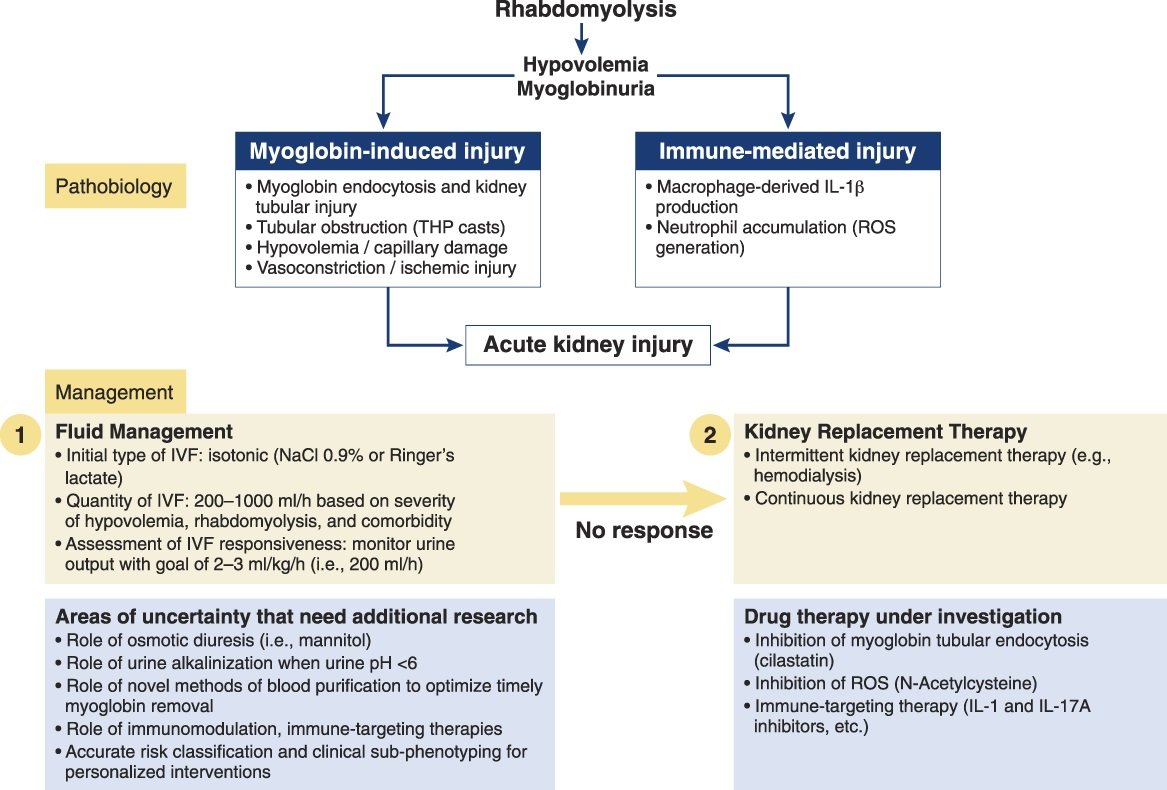
Rhabdomyolysis is a condition characterized by the destruction of skeletal muscle fibers and the release of intracellular contents into the bloodstream. This Kidney Case Conference: How I Treat article discusses treatment of rhabdomyolysis-induced AKI https://t.co/6v3wkxFiLx
🥳NDT is proud to announce the new 2023-2024 Editorial Fellows!
🤝They will work hand-in-hand with our Associate Editors & will be involved in all aspects of the editorial process & medical publishing.
🙏Welcome to the team and thanks for your support!
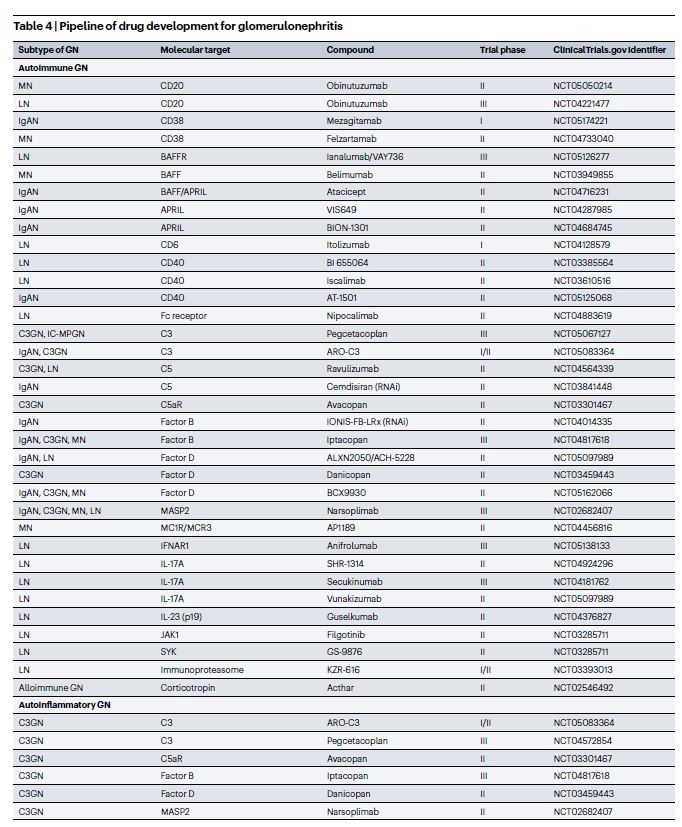
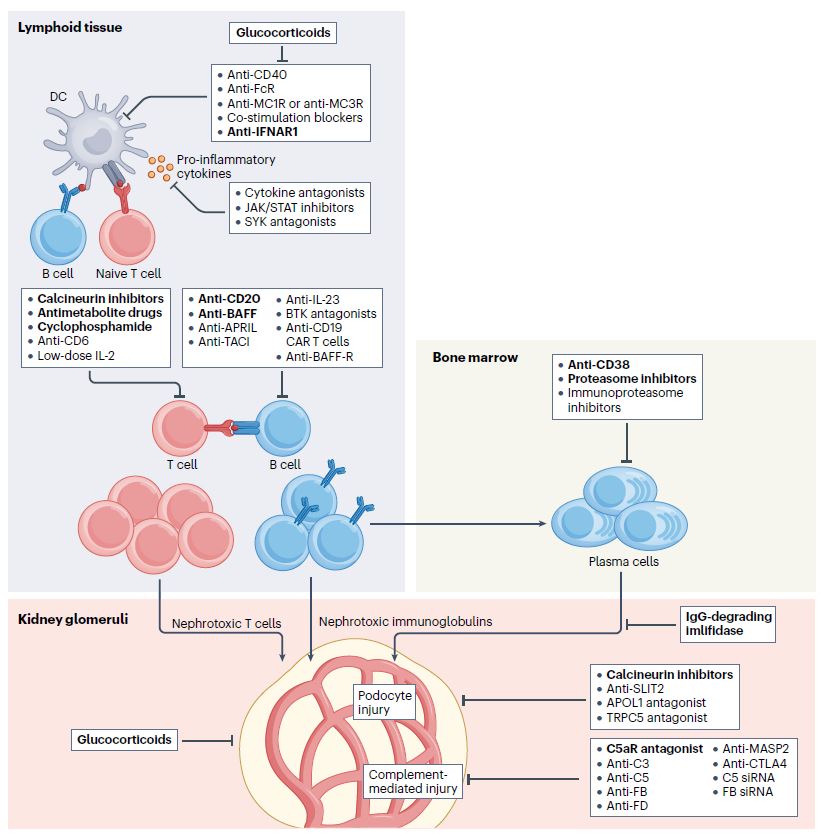
1. Most drugs for GN act outside the kidney (spleen, lymph nodes, bone marrow)
2. Long pipeline of drugs for 3 of the 5 groups of GN that connect immunopathogenesis + immunotherapy
Now in @NatRevImmunol@KitchingLab@PRomagnani, Nelson Leung
Free online: https://t.co/EGFkGBpC9p
Improving diagnostic pathways in patients with podocytopathies is possible. Find out all the latest discoveries in our new review in @CKJsocial@cirluigi@samuela_land@RagliantiV https://t.co/b9ShXRdGih