Now online in @NDTsocial
Early identification of CKD in pts with a solitary functioning kidney
🧐There is a need for long-term follow-up protocols in congenital single kidney pts from pediatric to adult nephrology care
▶️https://t.co/wHVv5cR1oZ
Our new paper on #CKD in #solitarykidney is out in @NDTsocial. SFK is not a benign condition— patients require longlife follow up starting from childhood
Special thanks to @cirluigi
https://t.co/4SJpJgIYJu
Thinking about a genetic disease is often a good idea, even in adults. Ordering genetic testing is essential, but make sure to consult a center with adequate expertise.
Clinical and pathological confirmation of the diagnosis for CKD has limitations, with up to 1/3 of individuals remaining without a formal diagnosis. This study shows that genetic testing is informative in a high proportion of clinically selected adults.
https://t.co/LaIg1o0ae1
Proud to share our paper in @Kidney_Int! Excited to see our research on anti-slit antibodies in steroid-resistant nephrotic syndrome published—a significant step toward targeted treatments. Huge thanks to my mentor @PRomagnani and @AngelottiLucia.
https://t.co/yNg5ad9Rui
Happy to see this finally out. The first study able to define the sensitivity and specificity of commercial anti-nephrin Ab by using kidney biopsies as gold standard. Standard Elisas do the job well. https://t.co/znMjDvR2g1
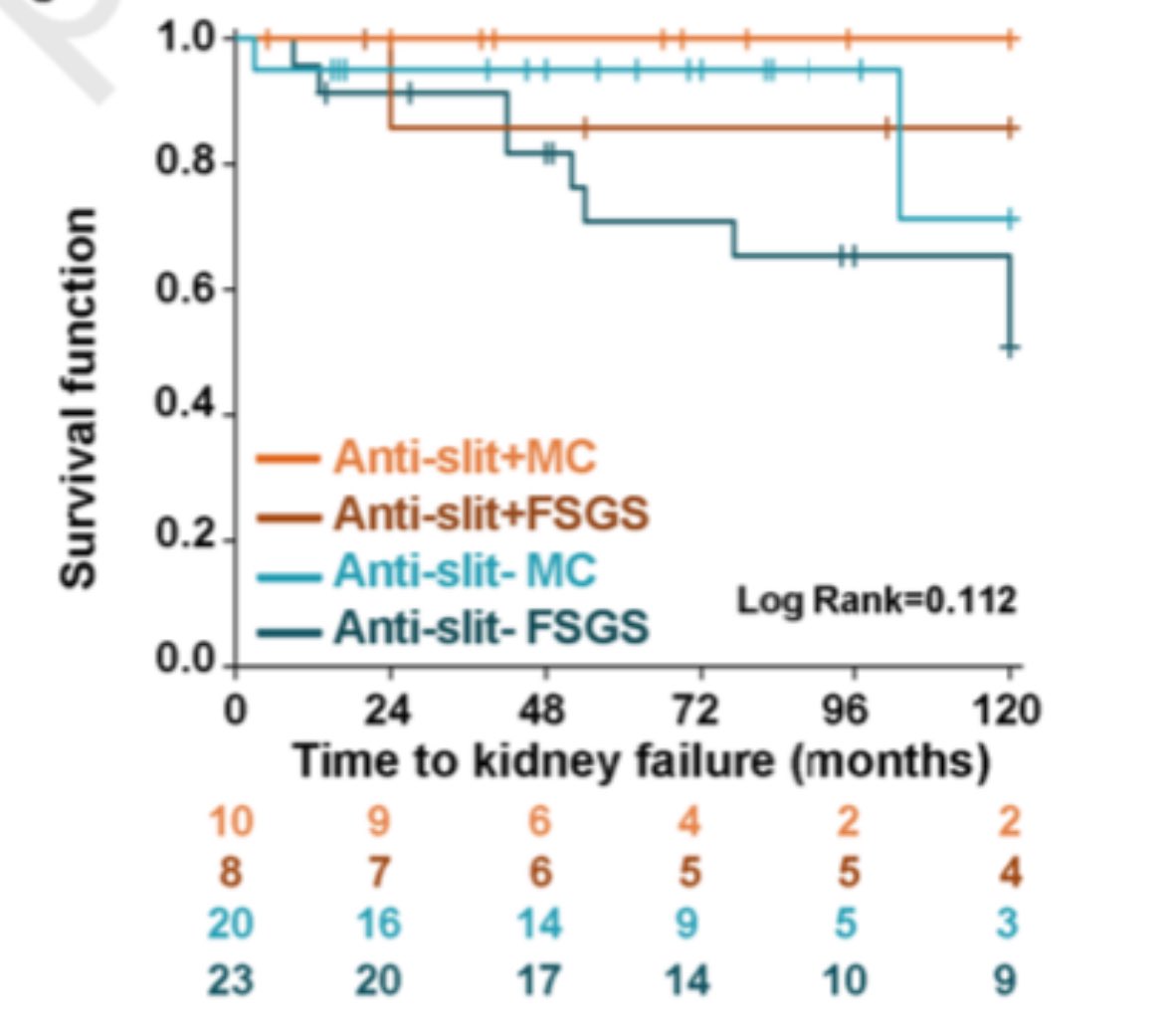
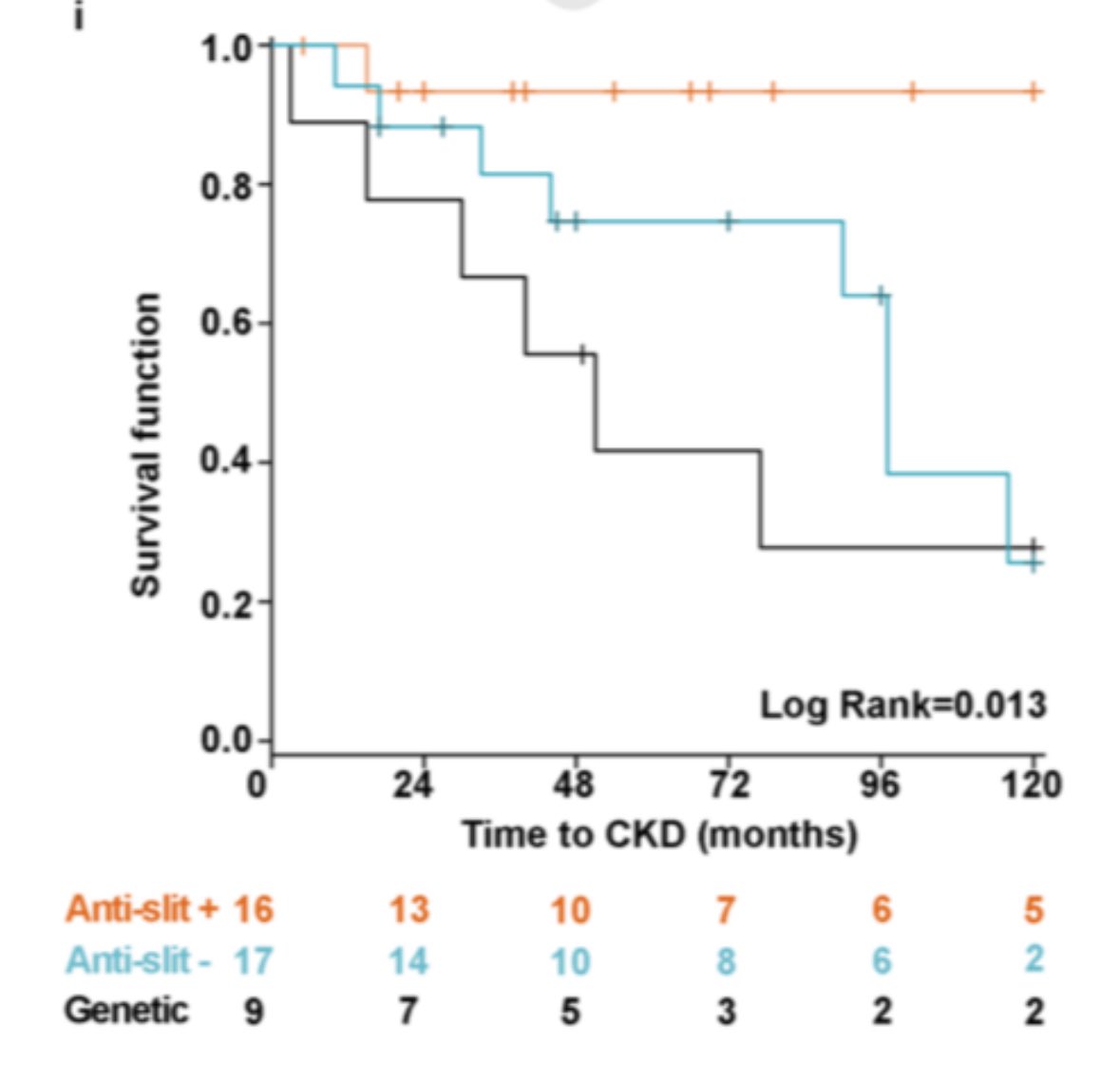
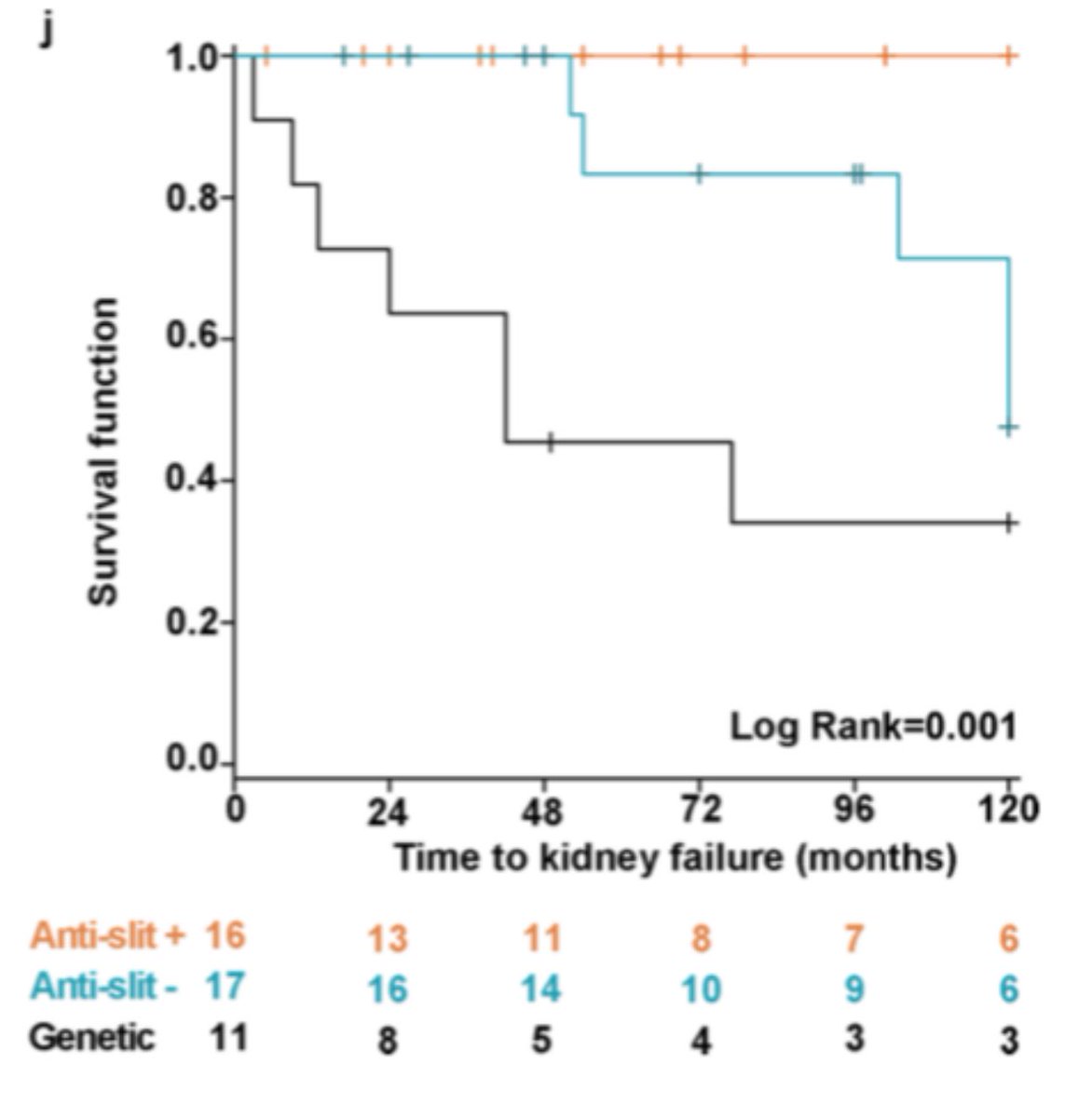
Look how much more important is to know if a patient is genetic or has anti-slit antibodies than if has MCD or FSGS at kidney biopsy.
We have finally come to the era of autoimmune, genetic and adaptive podocytopathies. No more MCD or FSGS used as diagnosis!
Anti-slit antibodies define response to therapy and prognosis much better than histopathological lesion patterns even among patients with steroid-resistant nephrotic syndrome https://t.co/S8duyCNcL9
Thrilled to share our latest in @Kidney_Int Identifying anti-slit diaphragm antibodies is a game changer for patients with steroid-resistant nephrotic syndrome. Together with genetics, we can finally tailor treatments and improve outcomes.
https://t.co/7x1ZqVqnoT
#NIPTtest (test DNA fetale), gratuito in Valle d’Aosta per le donne in gravidanza.
Considerato un valido mezzo di screening, non è stato inserito nei LEA che entreranno in vigore dal 1 aprile 2024. In tutte le altre regioni è a carico delle famiglie.
https://t.co/h7jfdFUaiJ
L’onere dei costi per le famiglie con #malattierare sarà altissimo.
Dal 1° gennaio 2024 entrerà in vigore un nuovo nomenclatore che escluderà molte analisi genetiche.
📢 L'appello della @SIGU_97.
https://t.co/vTw5BJza50
In a trial involving infants with grade III, IV, or V vesicoureteral reflux and no previous UTI, continuous antibiotic prophylaxis for 2 years provided a small but significant benefit in preventing a first UTI. Full results of the PREDICT trial: https://t.co/YjosHHfqgf
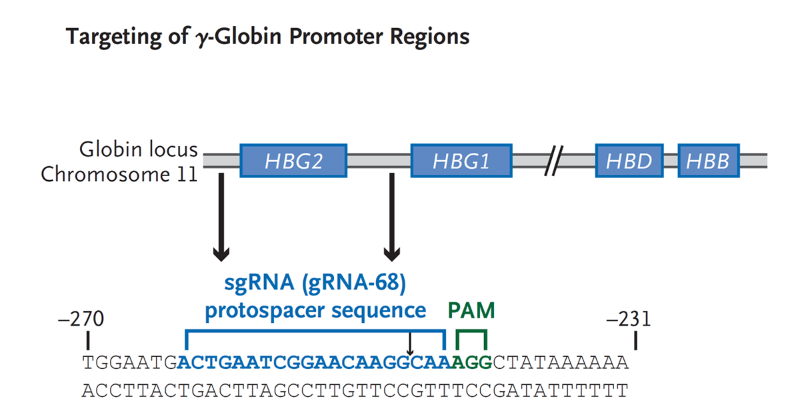
With CRISPR-Cas9, a repressor of fetal hemoglobin expression was disrupted in hematopoietic stem cells from three persons with sickle cell disease. Edited cells were reinfused. Hematopoiesis was restored. Read the full study results: https://t.co/wa3S5ZdpsA
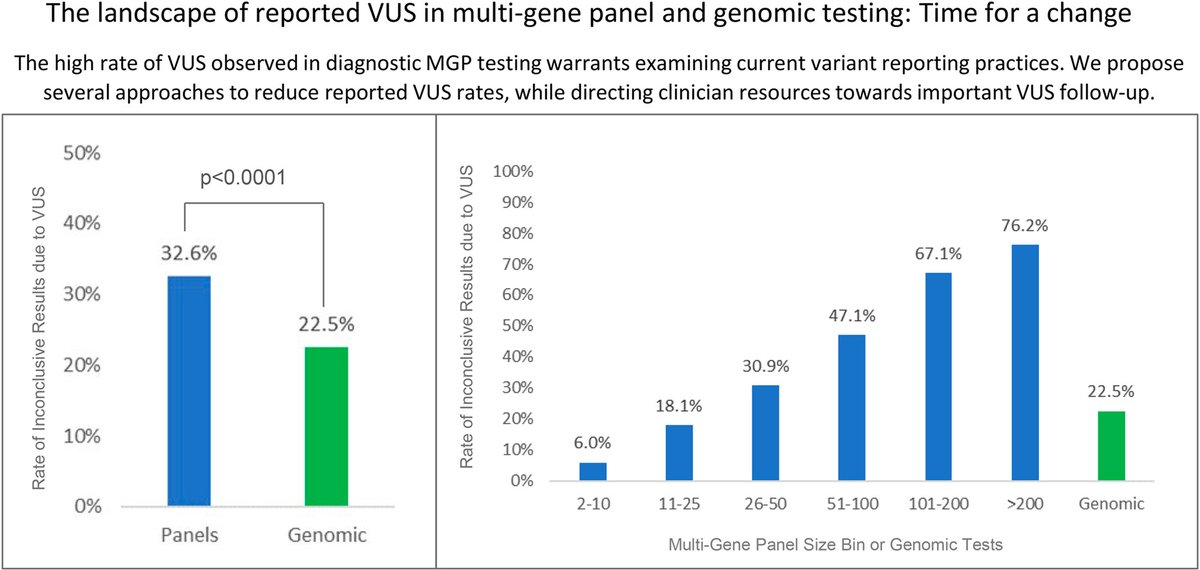
How can labs reduce the number of VUS reported in genetic testing? Exome and genome sequencing have lower VUS numbers compared to multi-gene panel tests. @HeidiRehm https://t.co/TukljYJaIn