A new online tool for hereditary cancer patients helped more people share genetic test results but didn’t increase follow-up talks. Clinician support in family communication as test results are first shared may increase distribution of information https://t.co/vNSwxAAnsJ
An EHR-based score to flag people likely to have severe AATD (PiZZ) using routine data like COPD, bronchiectasis, cirrhosis, and height; could cut testing by 95%+ vs random screening. https://t.co/5njm82R1Ep
Pharmacogenomic (PGx)-guided therapy can reduce preventable adverse drug reactions. Most individuals carry at least one actionable #PGx#phenotype, and nearly half in this study had an #ADR-risk phenotype linked to a prescribed medication. https://t.co/ekGdQpXhyq
Negative blood exome sequencing does not exclude mosaic disease. This CGC review highlights affected-tissue sampling, high-depth NGS, ddPCR, and low-VAF variant interpretation in somatic overgrowth and vascular anomalies. https://t.co/bTsbm488bm
Biallelic SEPSECS variants cause a spectrum from severe neonatal encephalopathy to childhood-onset ataxia and cognitive decline. Pontine involvement is uncommon, supporting shift from “PCH2D” to SEPSECS-related NDD https://t.co/0Wx1Qwh2fJ
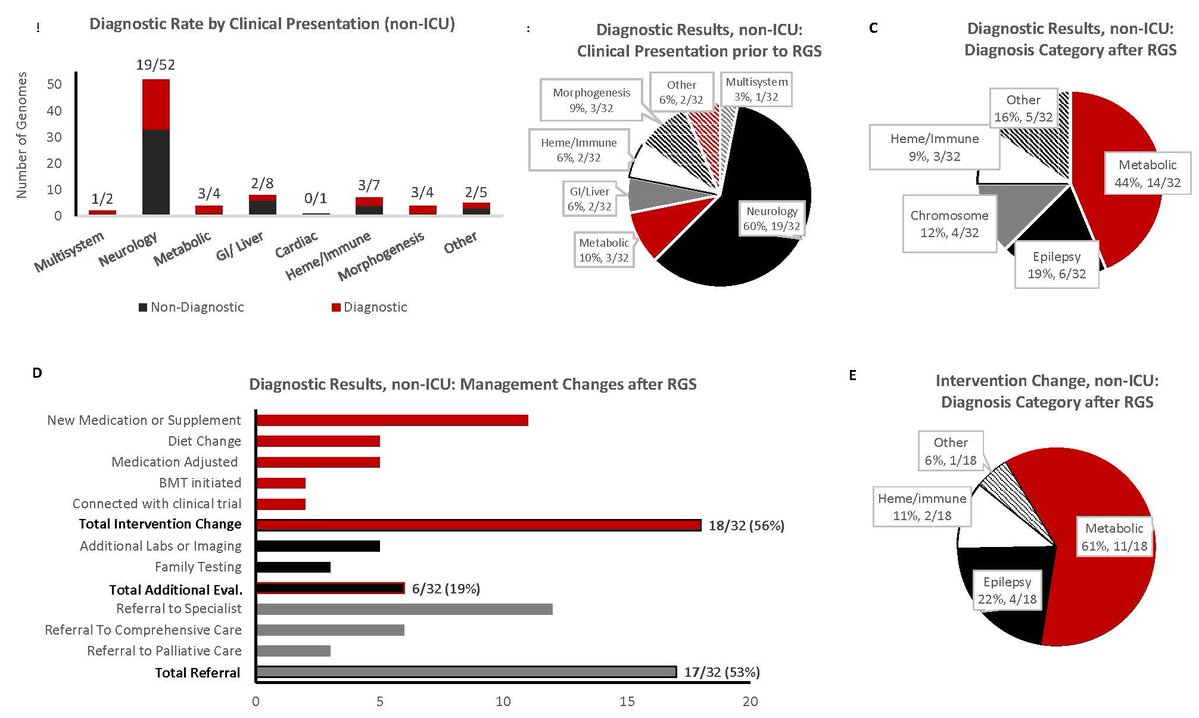
Rapid genome sequencing (RGS) identified actionable genetic conditions in nearly 40% of non-ICU care individuals, with majority having medical management changes within 30 days, highlighting utility of RGS outside of critical care settings. https://t.co/LZ3JpfVyBg
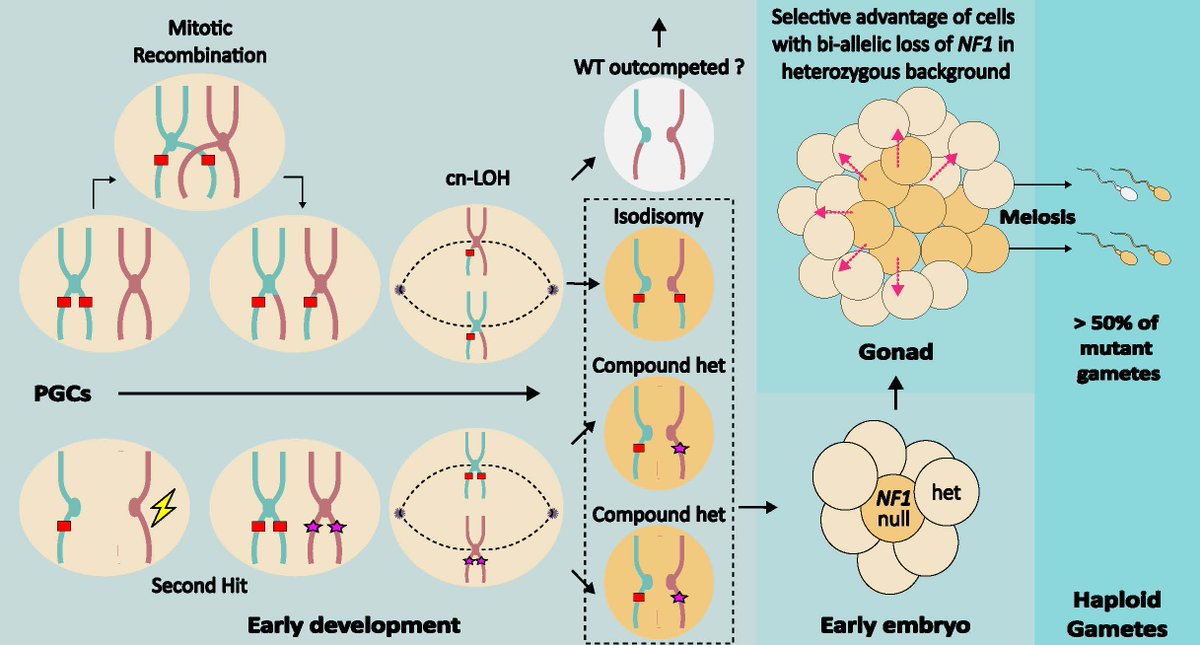
Not so Mendelian: NF1 variants were transmitted to offspring at higher-than-expected rates, suggesting transmission ratio distortion. https://t.co/Ou2ggv3k6i
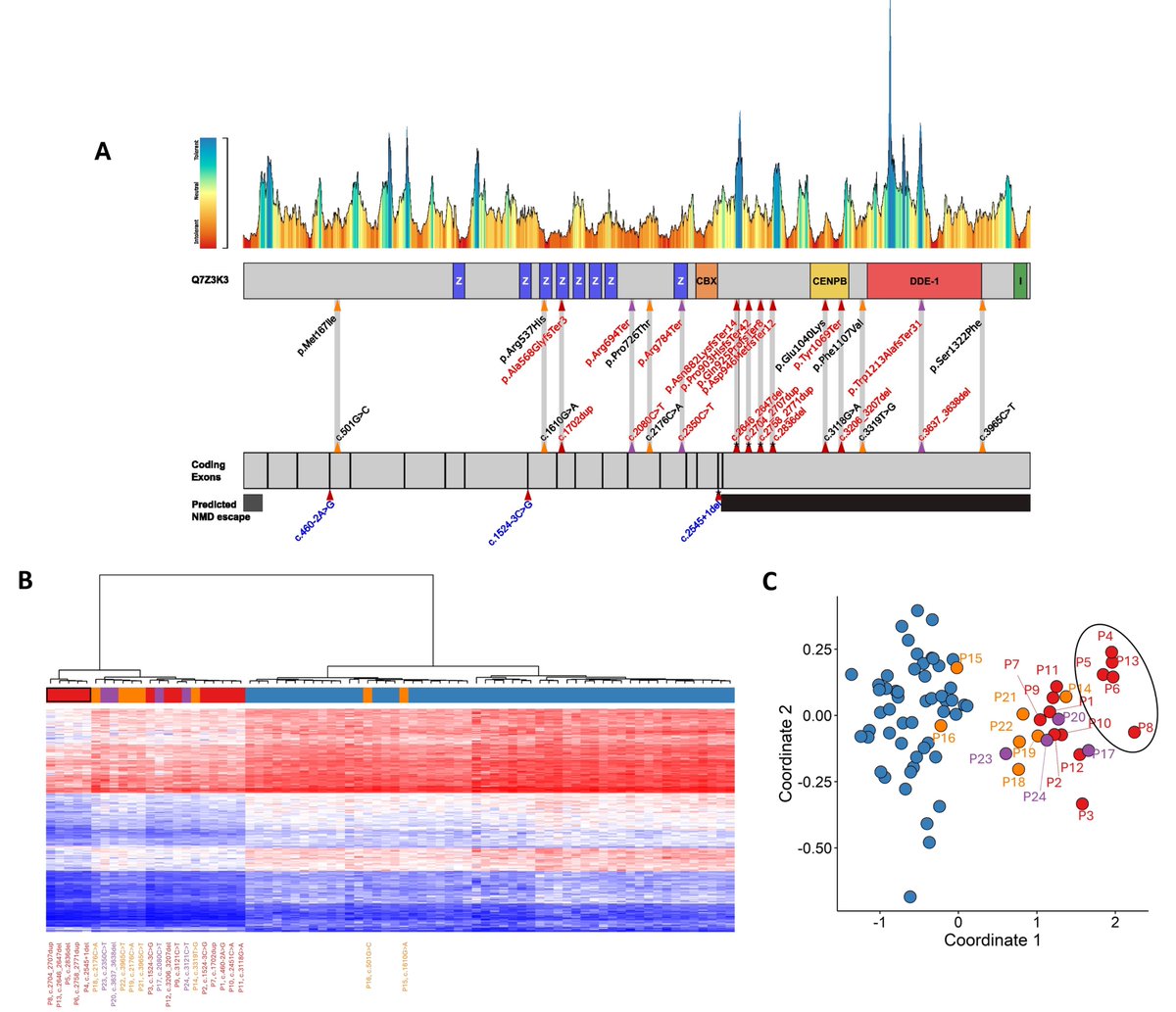
A newly found #DNAmethylation episignature for White-Sutton syndrome improves diagnosis and helps reclassify uncertain POGZ variants, advancing precision care for rare neurodevelopmental disorders. https://t.co/Q9bDiXdj4n #GIMO#Epigenetics#POGZ#WHSUS#WhiteSuttonSyndrome
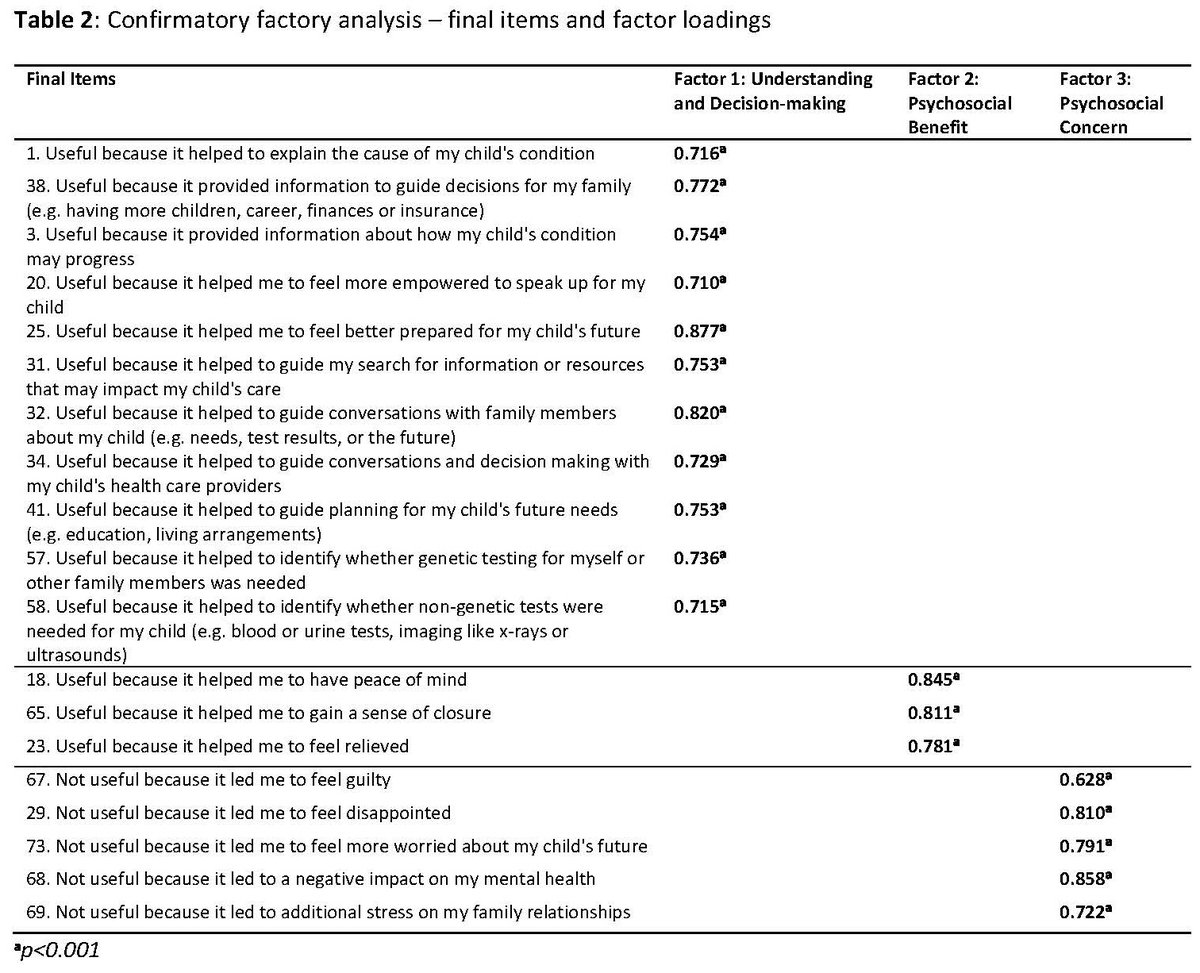
#P-GUIDE is a validated tool that captures #parentsperspectives on the personal #utility of clinical #genetictesting, helping advance how we measure the value of testing across diverse clinical settings. https://t.co/QXj3QF9H4g
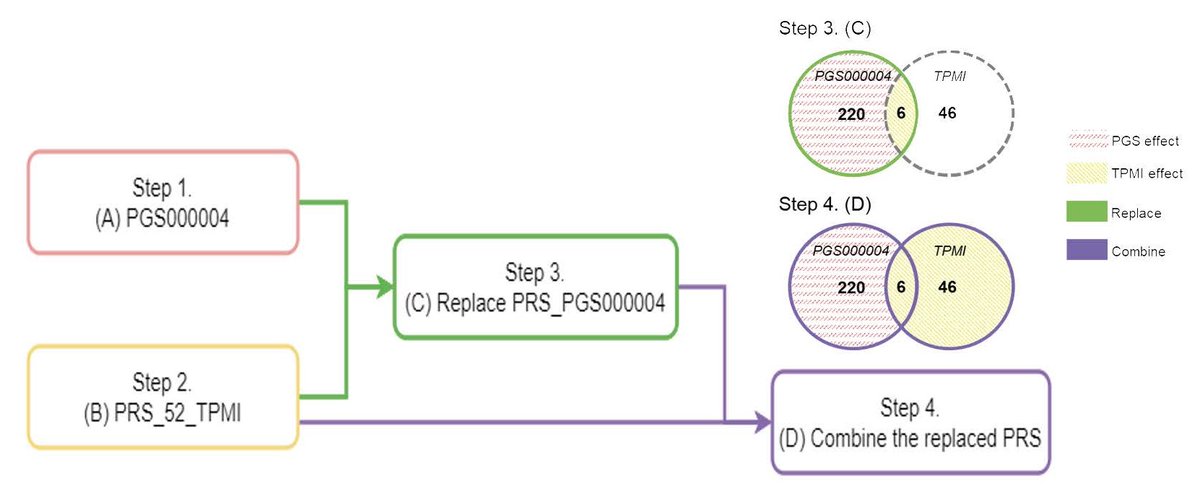
Population-specific optimization boosted polygenic risk score performance in East Asians, bringing more accurate and equitable breast cancer risk prediction one step closer to precision medicine https://t.co/cHekNKcYPj #GIMO#BreastCancer#PopulationTransferability#AsianAncestry
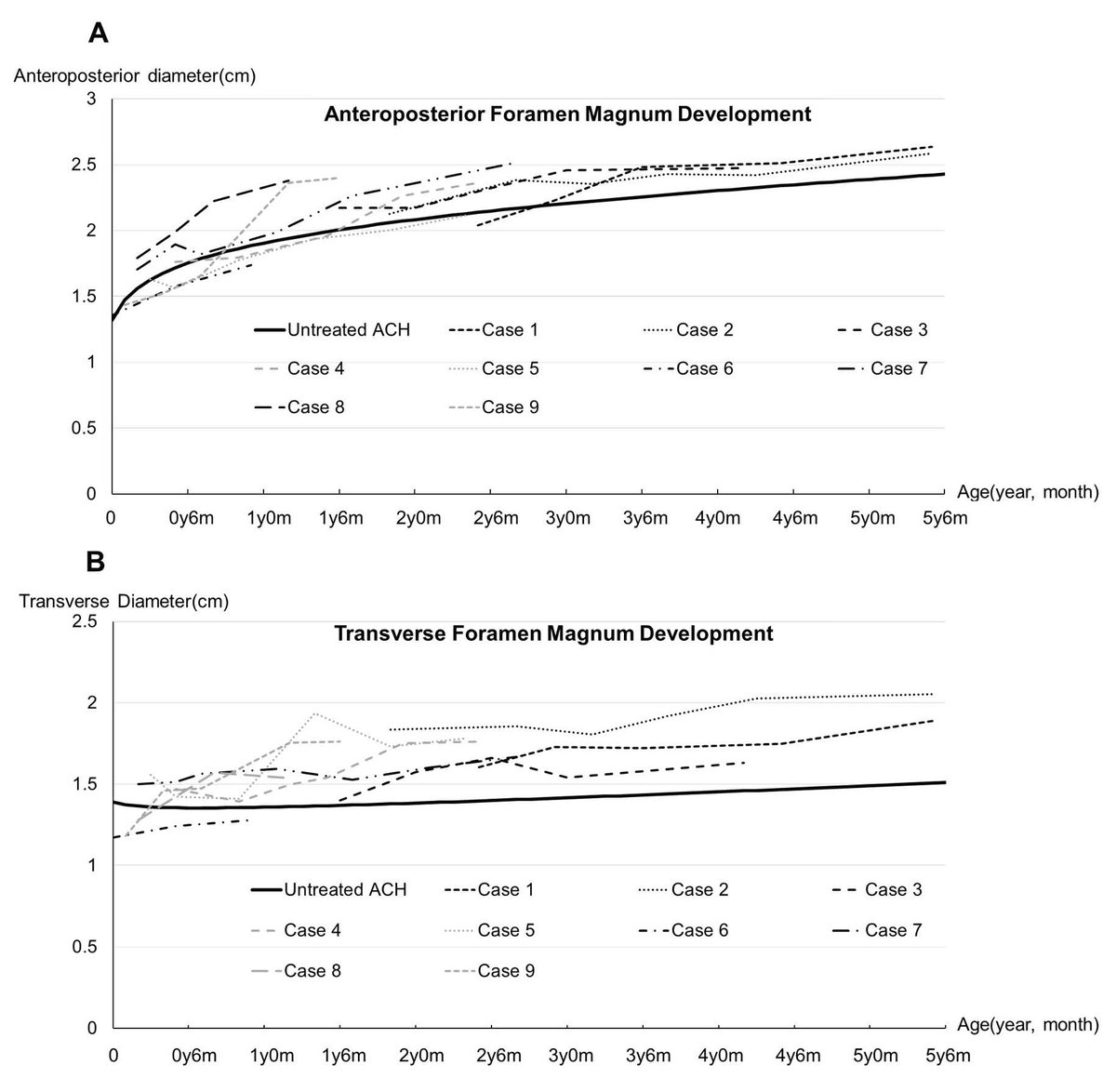
Foramen magnum stenosis is a major cause of death in young kids with achondroplasia. In 9 infants starting vosoritide before age 3, the foramen magnum outgrew untreated reference curves, independent of height response. https://t.co/n9xmSqJnti
Across 20K families, Fam3PRO integrated 21 genes and 17 cancers for inherited cancer risk prediction, matching BRCAPRO and MMRpro performance while identifying more with pathogenic variants. https://t.co/k5PVsfBtho
Indigenous-led governance is essential for ethical #biobanking and genetic data research. Highlighting consent, stewardship, data sharing, and data sovereignty as key priorities. https://t.co/V0Q2sPaWkb
23 new individuals expand SET-related NDD, with GDD/ID, hypotonia and speech delay as core features. Most variants are truncating. A new SET DNA methylation episignature distinguishes cases from controls and helps interpret VUS. https://t.co/PRnefseeCi