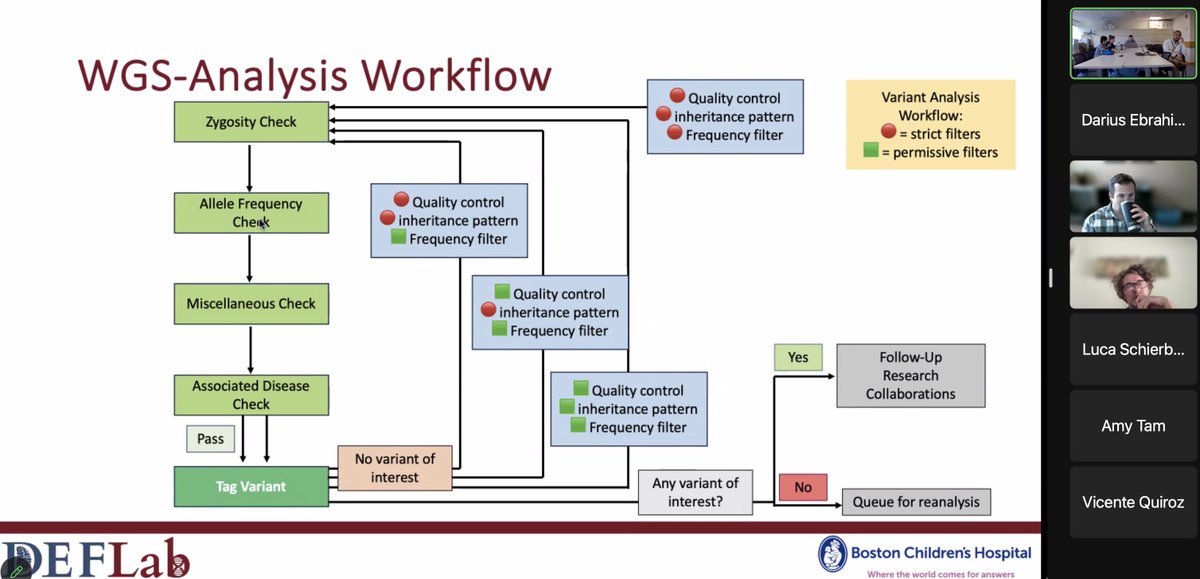
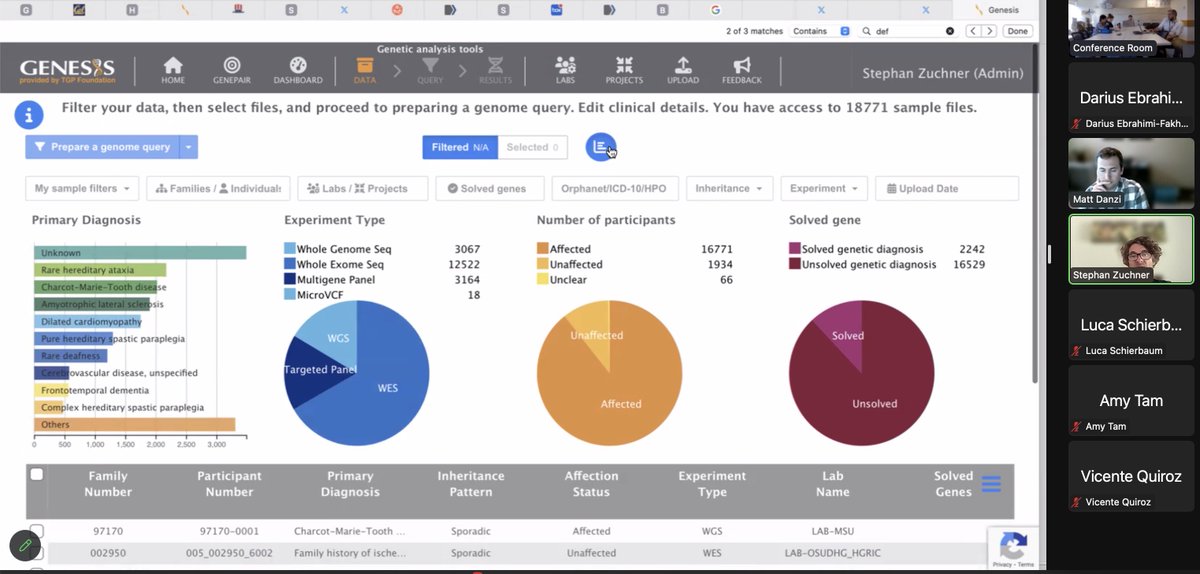
@cgonzagaj Agreed. That’s why GENESIS database exists. Sharing back for joint discoveries. Same tool box for all users. Always. https://t.co/XPqAlUOlCR
September is CMT awareness month. But what is CMT???? Charcot-Marie-Tooth disease; a synonym for the clinical term Hereditary Motor and Sensory Neuropathy. First described in 1886 by the three doctors whose names this disease bears, Jean-Martin Charcot (1825-1893), Pierre Marie (1853-1940), both from France, and Howard Henry Tooth (1856-1925) from England, CMT, in its infancy, was thought to affect only the muscles of the lower legs. However, scientists now understand this disease to have reaches far beyond only the lower legs, and with this, many new acronyms are part of CMT.
Today, CMT comprises many different inheritable neuropathies, axonopathies, myelinopathies, and neuronopathies. Some of these affect only the sensory nerves, some affect only the motor nerves, some affect both, and some even include autonomic nerve fibers. With all of these changes over time, brought on by CMT gene discovery (more than 25 of these gene discoveries were made with the help of the GENESIS platform!), the basic two or three CMT classifications were inadequate for grouping the many different disease types and subtypes.
There are today more than a dozen classifications of CMT. Some have CMT in the name: CMT1, CMT2, CMT4, CMTX, etc. Some are different acronyms, such as dHMN (Distal Hereditary Motor Neuropathy), HSAN (Hereditary Sensory and Autonomic Neuropathy), and HMSN (Hereditary Motor and Sensory Neuropathy) to name a few. Some are known only by their gene name, such as SORD-neuropathy and BAG3-CMT (both discovered with GENESIS support). All these, and many more diseases, are now considered under the CMT umbrella by many of the leading doctors.
The CMT disease name is evolving as scientists continue to make new CMT gene discoveries. We are proud of the contributions to CMT genomic science made possible by our GENESIS platform and we remain committed to providing these tools to scientists from around the world so that these discoveries can continue. #charcotmarietooth #GENESIS #GenomeToTherapy #CMTAwareness https://t.co/gZ6d3WZucx
SORD, sorbitol dehydrogenase gene
The cover of the May 2020 Nature Genetics journal depicted a tornado of artificial sugar packs, symbolizing sorbitol and its devastating effects on nerves. Scientists using the GENESIS genomic database and research platform made the groundbreaking discovery that mutations in the gene “SORD” leads to 100x higher sorbitol levels in patient blood and tissues leading to a neuropathy (also known as Charcot-Marie-Tooth disease). Patients with two bad copies of this gene will develop difficulties moving their feet and walking. This can seriously impact the quality of life. This study showed that one in ~300 people carry one bad copy of this gene – which leads to a calculation that at east 3,000 patients in the US carry two bad copies and will inevitably develop the disease. Worldwide, the number is closer to 80,000 patients. Thus, SORD-neuropathy is now considered the most common autosomal recessive axonal CMT. No therapy exists for such diseases of the peripheral nerves. However, within 14 months of the paper in Nature Genetics, a small group of patients underwent an intense trial with a new drug, AT-007, showing the feasibility and safety. Within 24 months, in Spring 2022, a full clincal trial at sites in North America and Europe started testing this new drug. Results are expected in summer of 2024 at the earliest. These are transformative times for CMT and inherited peripheral neuropathy patients.
This discovery was actually made by a team of scientists at the University of Miami. In 2019, a young physician and scientist from University College London, Andrea Cortese, came on a one-year scholarship to join the team of Stephan Zuchner, MD, in Miami. Within months, Andrea and others in the group noticed an unusual and strong signal in the genome data of 2,500 CMT patients, largely brought together by the Inherited Neuropathy Consortium of CMT experts. By comparing in GENESIS the CMT patients with over 10,000 other datasets, they noticed what the biggest genome global control datasets had missed, the gene SORD contained a relatively common mutation. The difficulty and serendipity had to do with a nearby, so-called pseudo gene that was hiding or cloaking the actual gene SORD. Only the advanced bioinformatics pipelines of GENESIS at the time were able to see through this hazy signal. Even today, most commercial gene companies are not yet providing the SORD gene test as it causes considerable technical detection challenges. Once SORD was discovered, the Miami team and collaborators, in short order, conducted many experiments that proved without a doubt the pathogenic nature of SORD. This is an intriguing and powerful example of advanced genomic technologies, the power of data aggregation and data sharing, and also the concept of Genome-to-Therapy. Any scientist is able to access GENESIS to make more discoveries: https://t.co/SBvqY1GjiJ. #SORD #GenomeToTherapy #GENESIS
The Genesis database and tools were established in 2011 to find genetic causes for rare diseases and to share data in a safe fashion amongst geneticists and physicians. Using our GENESIS platform, scientists have since found more than 100 rare disease genes or expanded the associated disease spectrum in important ways. We will start a series of posts to recap some of the most astounding discoveries and what it means for patients with rare diseases. Especially the new concept of Genome-to-Therapy is beginning to materialize over the coming years: genomic discoveries are rapidly being translated to therapeutic ideas, experiments, and animal or human trials. Much of this is only possible because of our generous partners in industry, patient foundations, and patients themselves. #GENESIS #GenomeToTherapy
There are now 2,000 genomic datasets openly shared amongst registered researchers on the platform. It's an incredible resource - freely available for rare neurodegenerative research. Have you joined? Let your fellow scientists know. https://t.co/XPqAlUOlCR. .
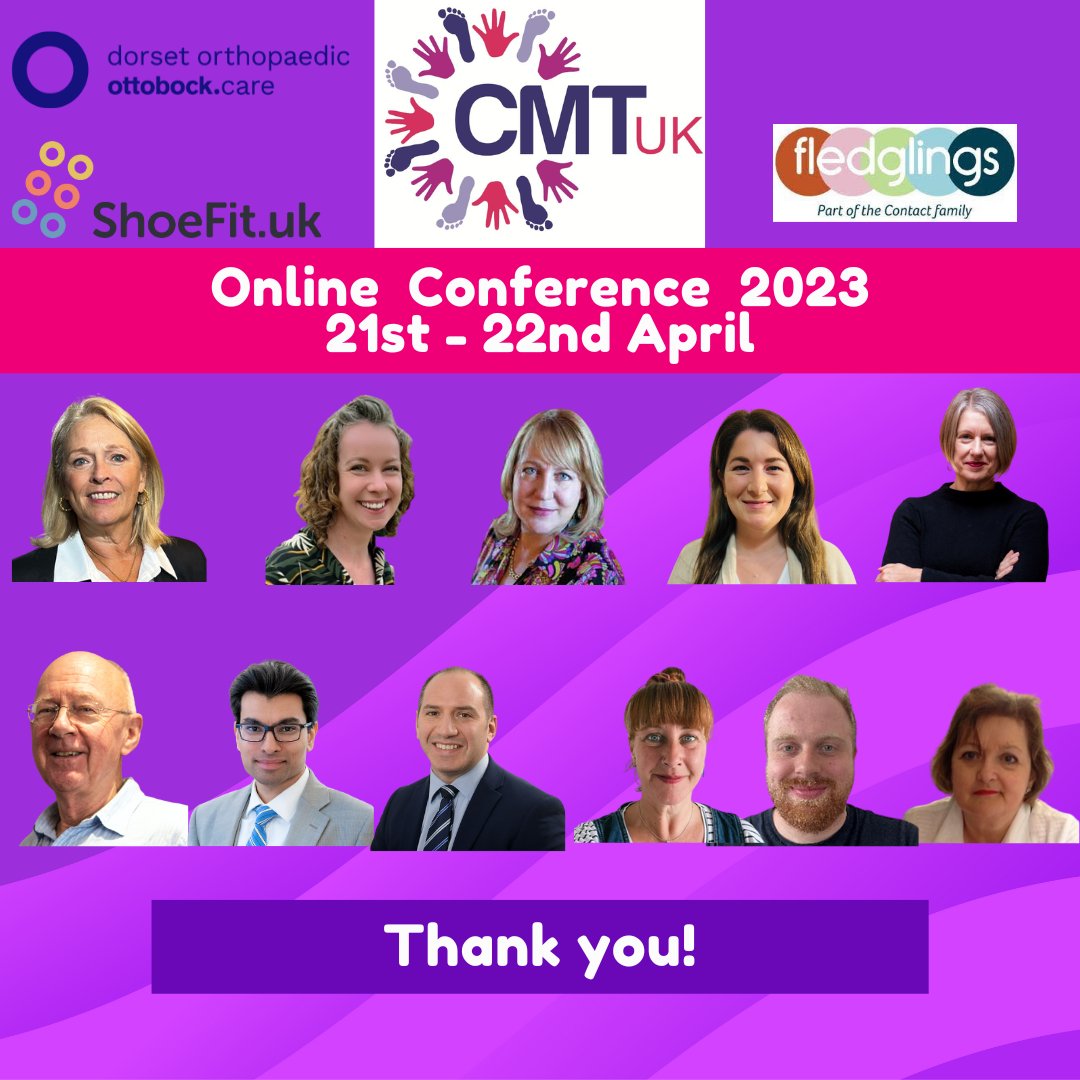
A big 'thank you' goes out to all our attendees, speakers and sponsors and everyone else involved in this year's CMTUK Conference.
We have summarized the content from each session - please click here to read more: https://t.co/ZgbWiDAyjg
#cmt#charcotmarietooth#cmtaware
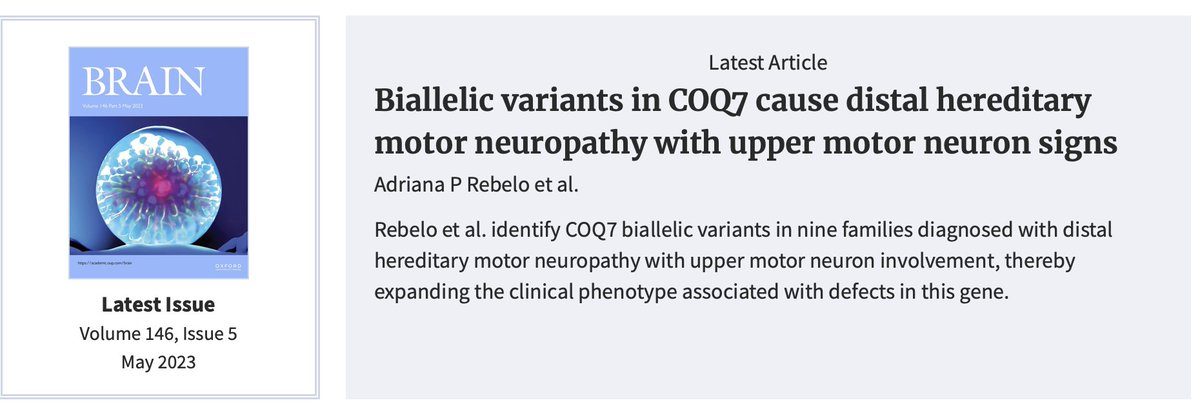
GENESIS is proud to support the COQ7 gene discovery study in the prestigious journal 'BRAIN' this months. Congrats to a collaboration of scientists in USA (Miami, Iowa City. St Louis), Brazil, Canada, Germany. This has implications for CMT, mitochondria research and more @Brain1878@UMDF #CharcotMarieTooth https://t.co/sdS1b1beup…
https://t.co/zVkmJGjLK2
Congratulations to Dr Carsten Bönnemann who received this year’s International Duchenne-Erb Prize of the German Society for Muscle Diseases (DGM) at the award ceremony at the DGM Congress in Essen. Read the full story on our website: https://t.co/BNxOHzj6p8
FGF14, one of the most important genetic ataxias might be moving closer to therapy within months of discovery. Congrats to Prof Matthis Synofzik and team @uni_tue@HertieNeuroSci
https://t.co/SQCjyIJ6nR
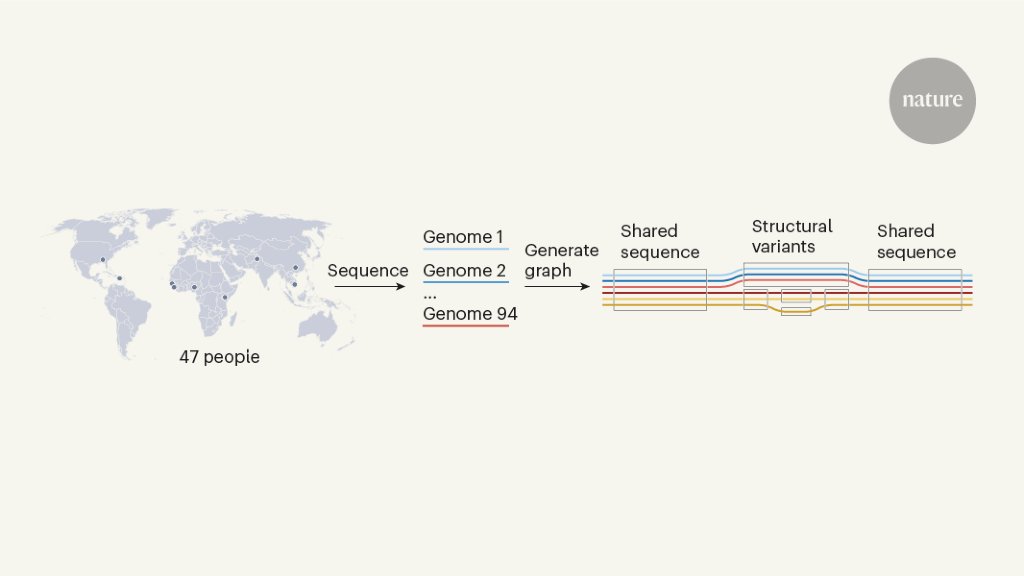
A human reference pangenome has been generated. In this Forum,@AryaMassarat & @mgymrek tell us how it was built, and Brian McStay & Hakon Jonsson discuss the insights into repetitive sequence that we are already gaining from it https://t.co/8lH7p1I3oG
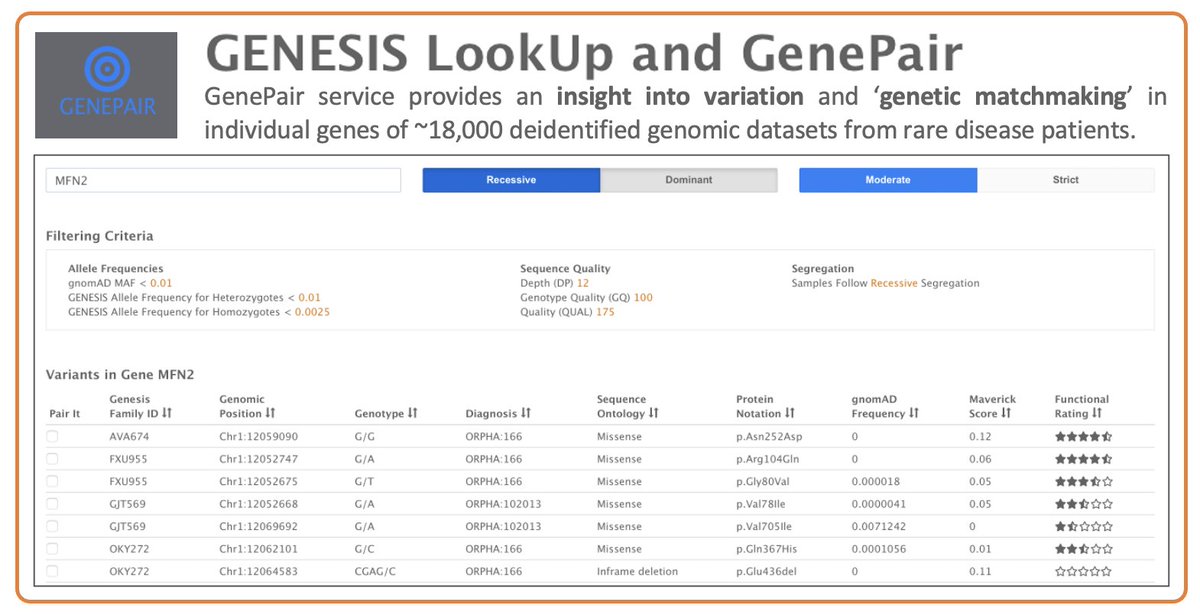
GENE:PAIR - a new gene matching site
Gene discovery; rare disease; looking for a second case/family? Try out matching your candidate genes.
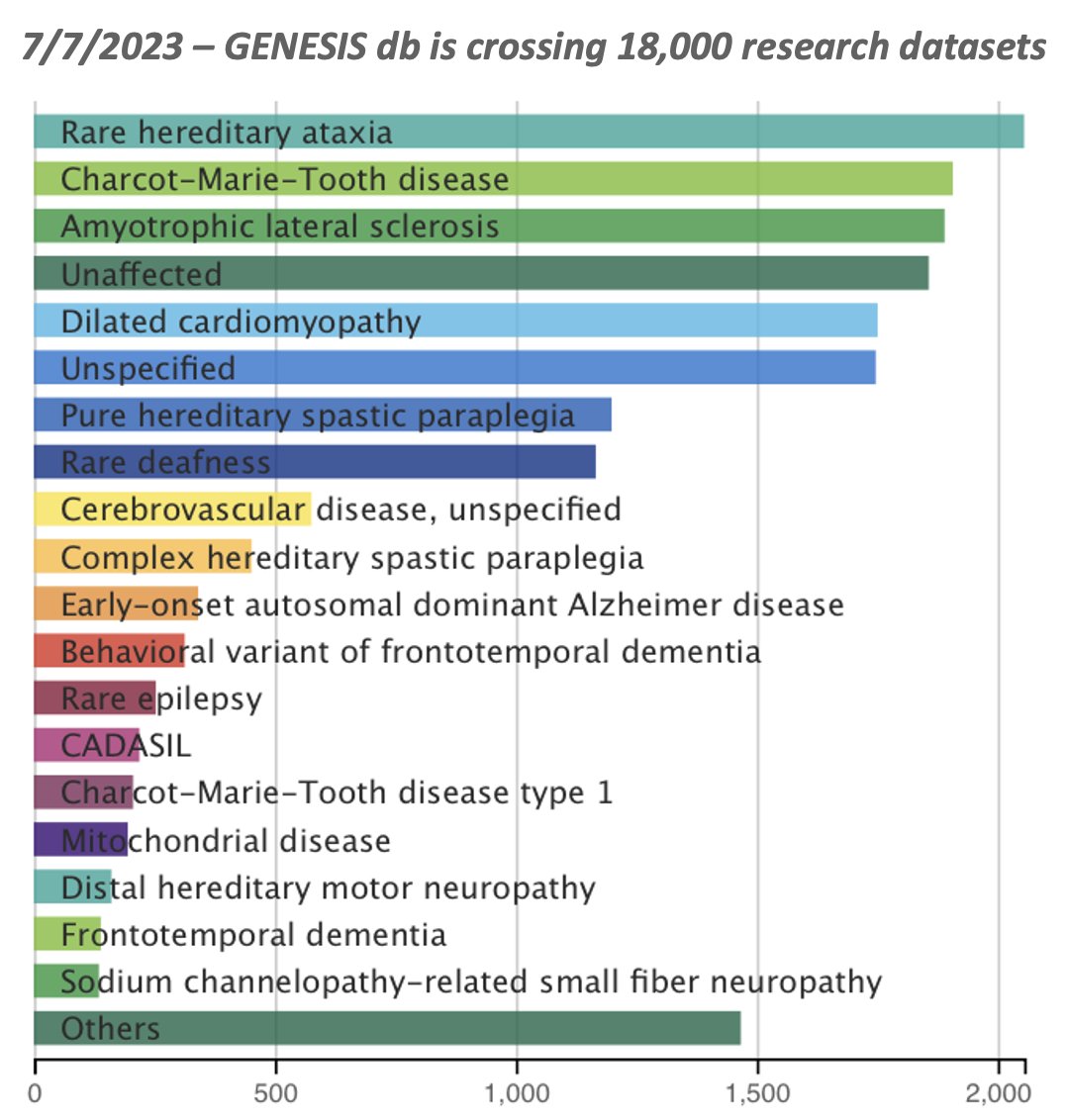
GENESIS GENE:PAIR contains variants and phenotypes from ~18,000 genomic datasets from rare disease patients.
https://t.co/rd1x5b7PJK
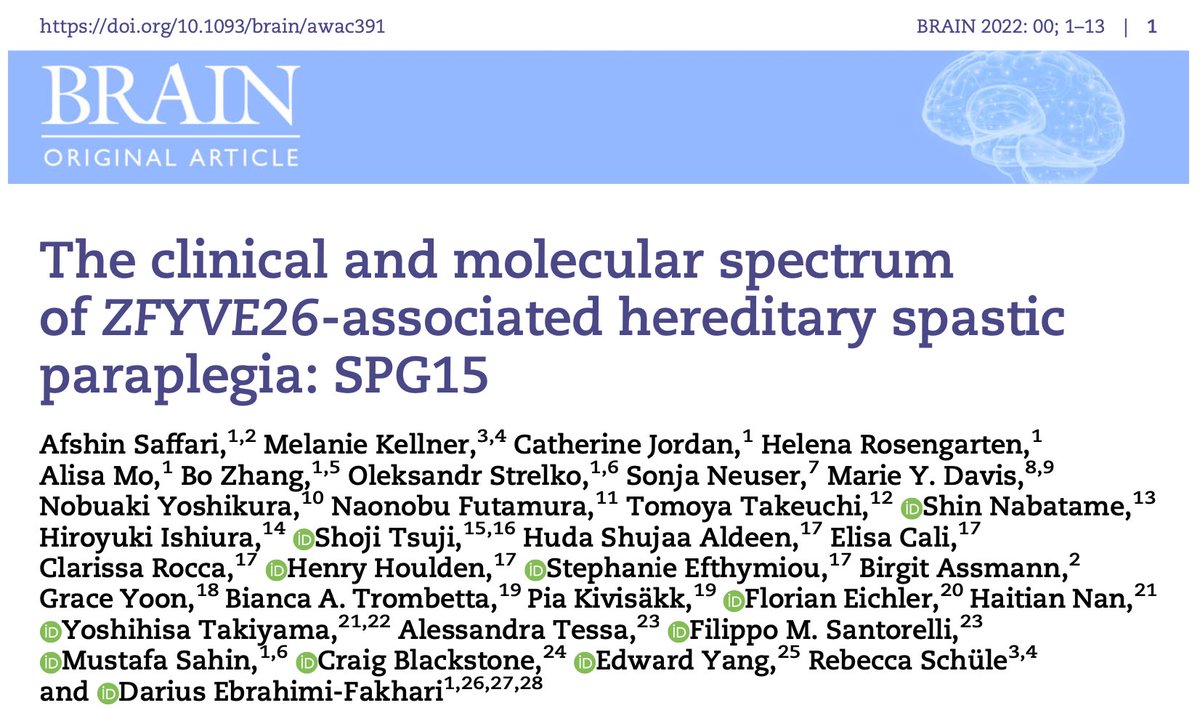
Afshin has done an enormous amount of work💪🏽 in just 2 years. Leading an 🌎 collaboration @BostonChildrens with colleagues from @DZNE_en @uni_tue@MGHNeurology et al, he described the clinical & molecular spectrum of #hereditaryspasticparaplegia type 15 (SPG15) and a serum marker
Today is #NationalUndiagnosedDay
GENESIS has immensely contributed to solving the diagnosis over 100 previously unknown diseases. @GENESIS_genomes
https://t.co/ucMqAY03GQ
GenePair is here! Genetic matchmaking in Mendelian disease research.
https://t.co/cnH6Ao4HRP
The open GENESIS gene LookUp and GenePair service provides an insight into variation in individual genes of ~18,000 genomic datasets from rare disease patients.