Tolokas in Busha: The Community Space is Alive
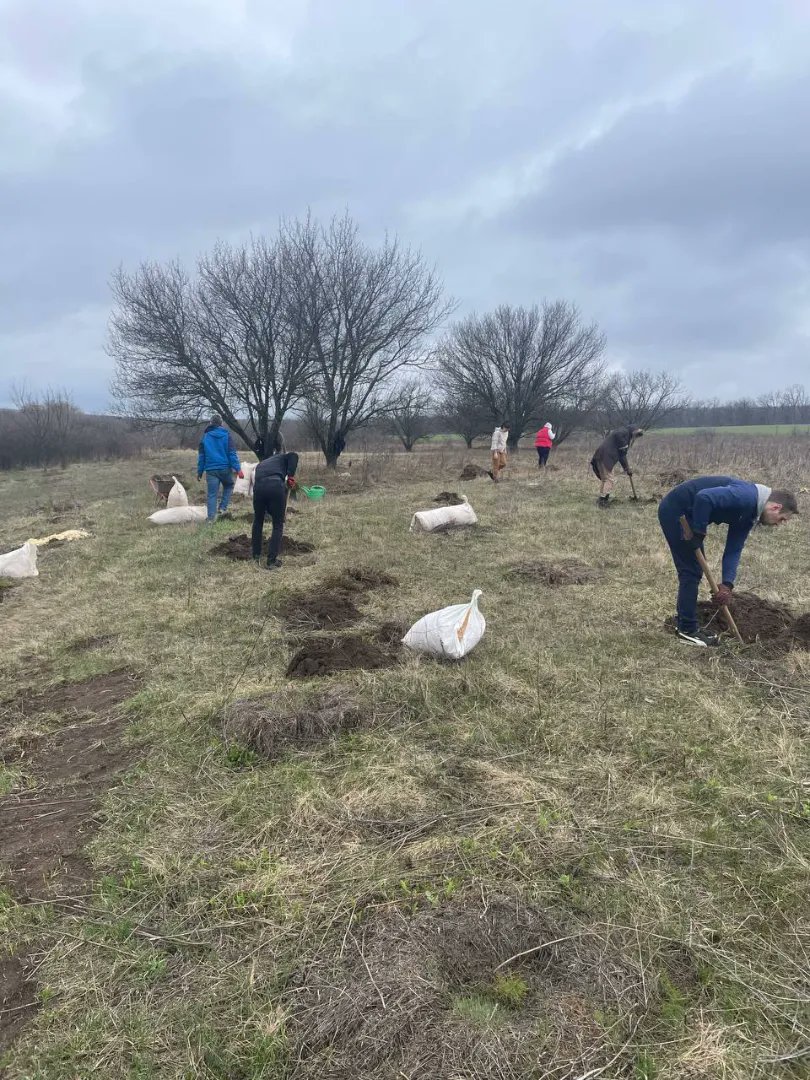
This spring, more than 20 tolokas (traditional Ukrainian community work gatherings) have taken place in Busha. Almost every Saturday, people come together to help one another, improve community spaces, prepare homes and public areas for the summer season, and strengthen the social fabric of the village through shared work.
As Oleksii Zhdanov and Katya Serbina recently wrote:
"We helped each other with household work, cleared plots of land, improved community spaces, prepared homes and shared areas for the summer season, and made Busha ready to welcome tourists, guests, and everyone who will come this summer to discover our region of Podillia."
For me, this is an important sign that the Busha Community Space continues to evolve and find new purpose.
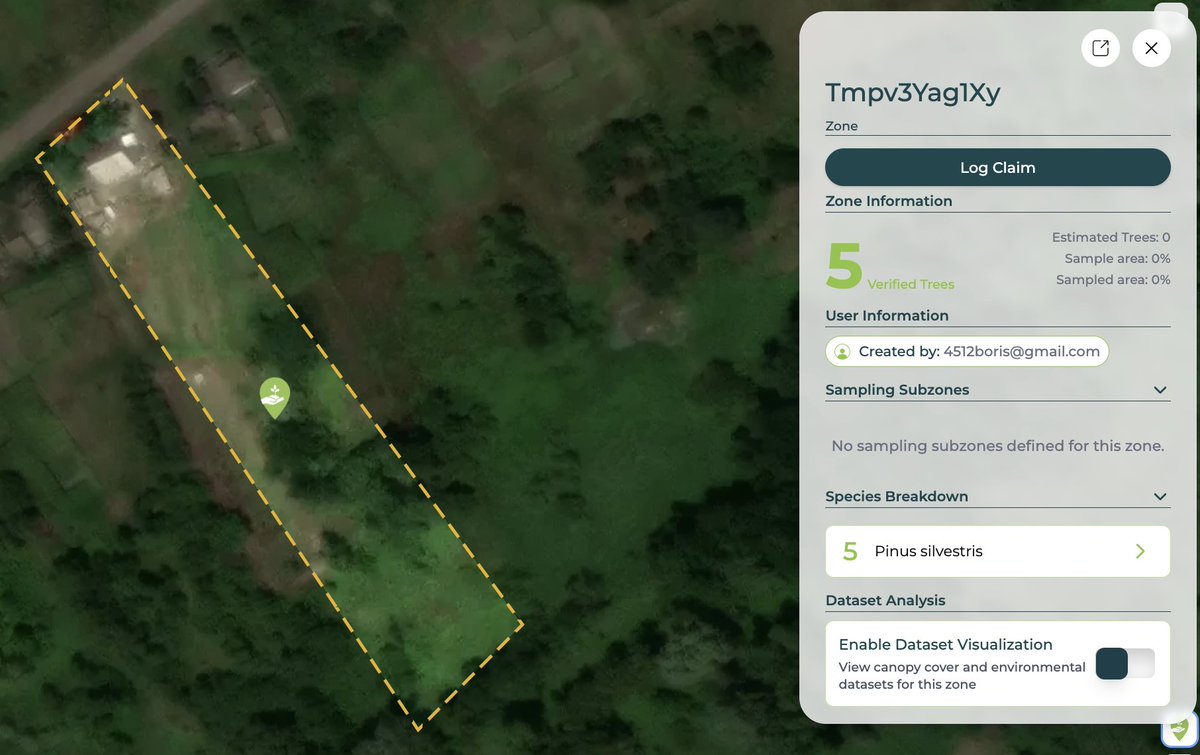
A new direction is gradually emerging around nature conservation and ecosystem regeneration. Busha is becoming a meeting point for ecologists, researchers, conservationists, and active citizens working together to restore local landscapes.
Two major initiatives are helping shape this vision: the creation of the Lyskivka Hill Nature Reserve and the Clean Murafa River restoration project. Both initiatives are already attracting attention beyond the local community and are becoming examples for the wider region.
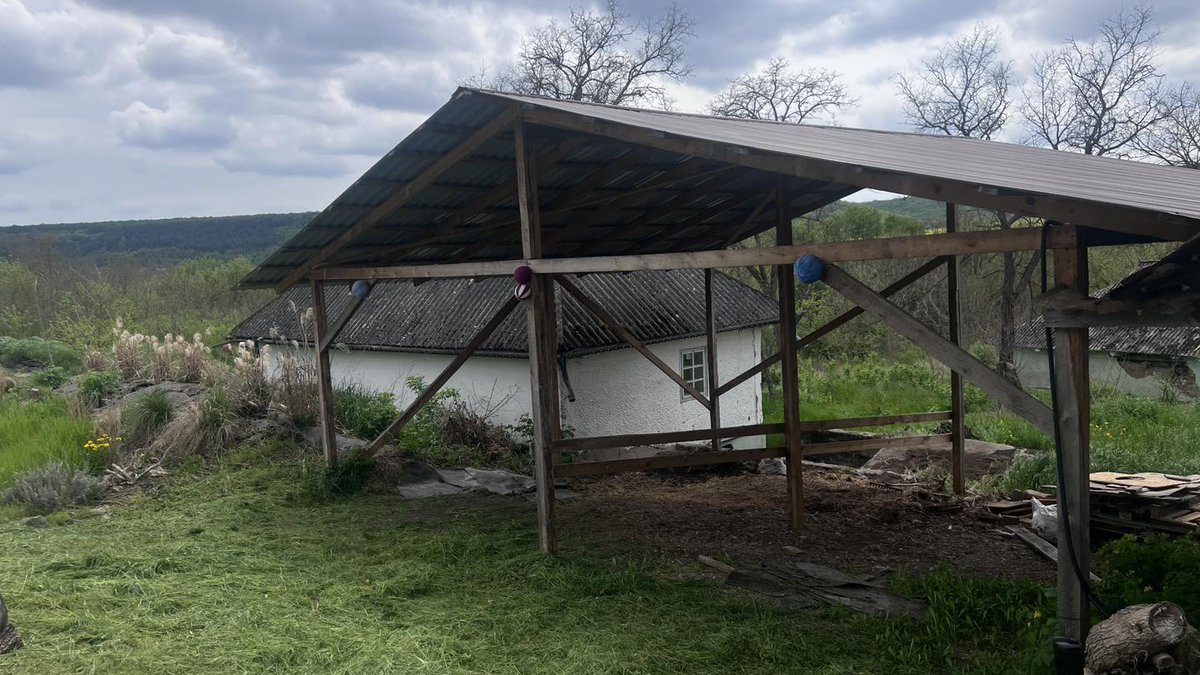
What makes this especially meaningful is that the community space was originally built with support from donors of GEN Europe as a shelter for people displaced by the war.
While the original vision evolved differently than expected, the space has found a new role.
Today, it has every chance to become a scientific and educational eco-center — a place for environmental gatherings, ecological restoration workshops, conservation meetings, climate conferences, and discussions about regenerative land stewardship.
Across Ukraine, many ecovillage communities are discovering that caring for ecosystems is becoming one of the strongest forces bringing people together.
By restoring the land, we restore our communities.
#GENUkraine #GENEurope #Busha #Regeneration #NatureRestoration #CommunityBuilding #ClimateAction #Ecovillages #EnvironmentalStewardship #LandRegeneration #Ukraine #InEarthWeTrust 🌱
Can soil regeneration be economically attractive for grassroots communities? 🌾
Reflecting on the recent cross-sectoral Soil Assembly held at the "Hlyboki Balyky" Ecological Research Station, the answer is a definitive yes—if we integrate digitalization.
Exactly one year after discussing this framework with Latin American communities, we brought the format to Ukraine. The event united top-tier academia (Sumy State University, Kyiv-Mohyla Academy, Kherson State University), UNCG, permaculture practitioners, and the @gen_ukraine Global Ecovillage Network Ukraine.
While post-war land restoration is our urgent priority, our discussions ventured further into:
• Digitalization of Ecology: Transitioning from assumptions to verifiable data.
• Voluntary Carbon Markets: Creating mechanisms to fund local eco-initiatives.
• Soil Stewardship: Supporting ecovillages, eco-stations, and activists directly managing the land.
My talk was a bit rebellious, pushing for a radical shift: forming a new regenerative economy backed by carbon verification. To scale restoration, we must make soil health and biodiversity preservation financially viable for the people on the ground.
The video will be uploaded to YouTube shortly—I’ll drop the link in the comments.
#SoilAssembly #GENUkraine #CarbonVerification #ClimateTech #Permaculture #EcoStations
Ecovillage Svitanok Samara: 80 km from the front line — a solarpunk hub emerging in real conditions
In the Dnipro region, in the ecovillage Vasylivka, the space Svitanok Samara is changing.
It is no longer just a children’s or permaculture space.
It is becoming a small solarpunk maker hub, built step by step under pressure.
This winter was difficult.
Andrii Koida faced severe pneumonia.
Myloslava lost her husband and had to focus on personal matters.
But the space continued.
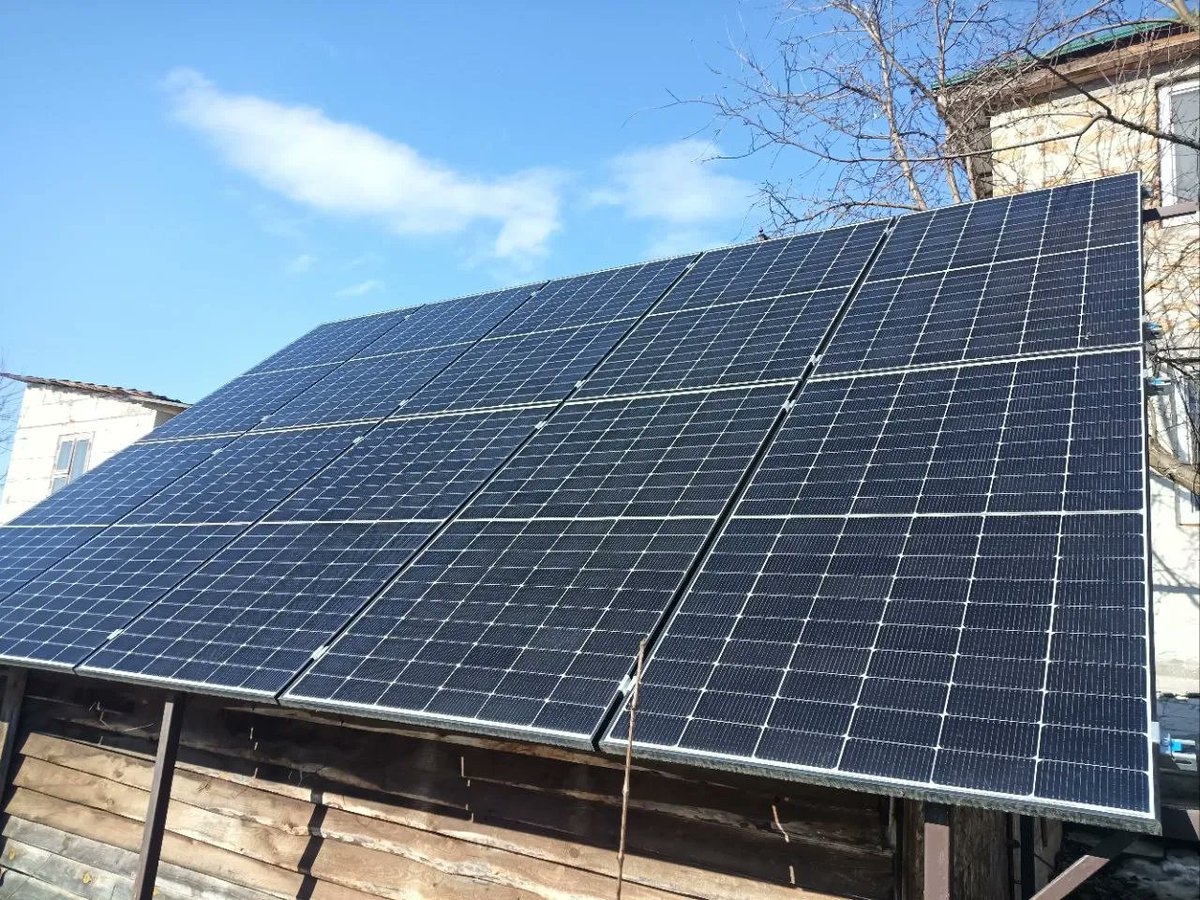
A solar energy storage system has now been assembled and launched — temporary, adaptive, built from what is available:
– 4 solar panels
– inverter
– battery assembled from cells
– installed in an existing хозяйственное space
It is not final, but it already works — supporting the house during repairs.
Next: more panels, proper housing, upgraded systems.
All this became possible through GEN Ukraine and a mix of grassroots, ecological and crypto support.
This is what real-world ReFi looks like:
not dashboards first —
but people, crises, recovery — and then infrastructure.
And still, systems emerge.
#ecovillage #solarpunk
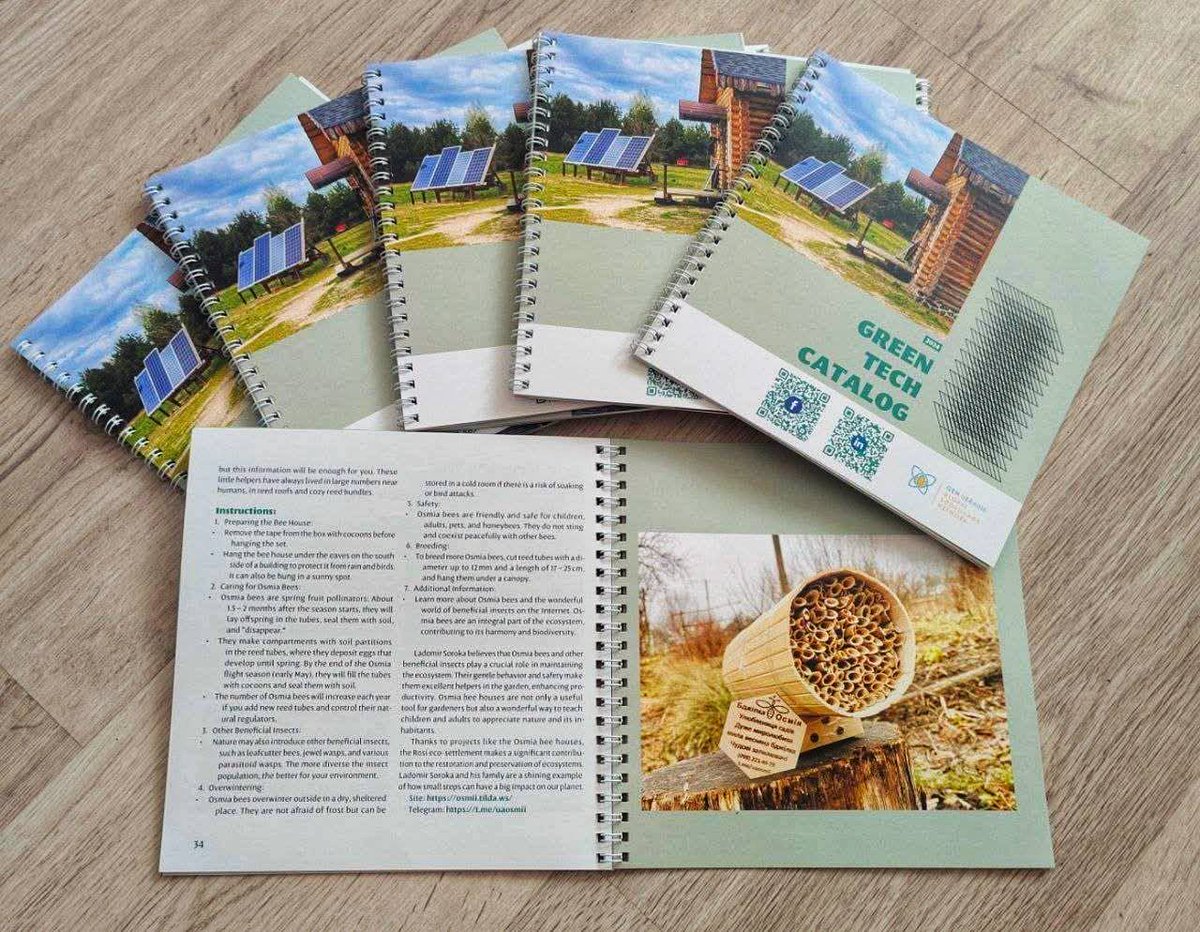
We’ve just published our Green Tech Catalog — a collection of practical solutions developed within GEN Ukraine ecovillages.
This catalog was created with the support of CISU as part of the Space of Unity project.
These are not high-tech concepts. They are low-tech, field-tested solutions that continue to work when electricity, infrastructure, or centralized systems fail. Solar setups, simple water systems, mobility solutions, and autonomous tools — all tested in real conditions.
In times of instability, such solutions are not optional — they become the foundation of resilience.
📥 Download the catalog: https://t.co/7WFlmtlhbi
We’re open to collaboration and partnerships — these approaches can be relevant far beyond our local context.
#greentech #ecovillage #spaceofunity
From Toloka to Tokenization: rebuilding spaces and shared value
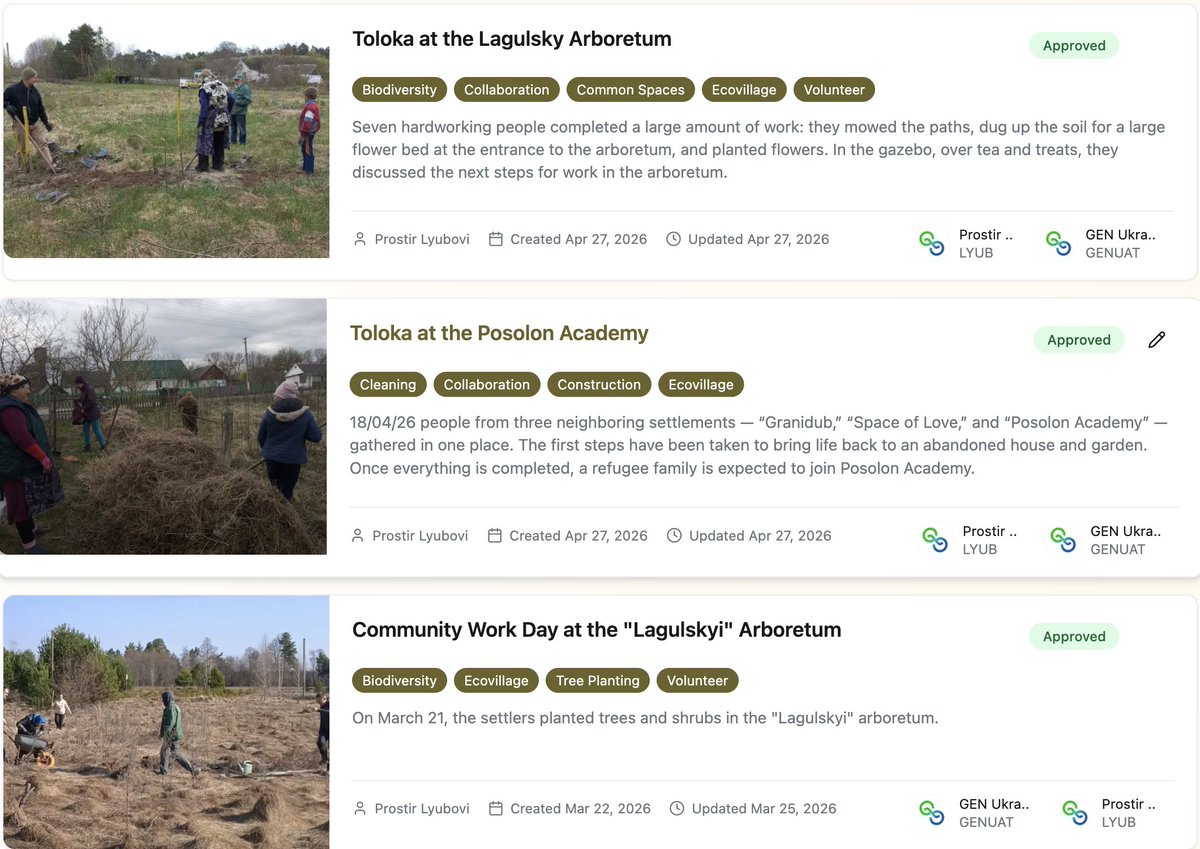
On April 18, a toloka (collective work day) took place at Posolon Academy. People from three neighboring ecovillages — “Granidub,” “Space of Love,” and “Posolon Academy” — came together in one place.
The focus was practical: taking the first steps to restore an abandoned house and garden. The intention is clear — once the work is completed, the space will host a refugee family.
As often happens, the work was accompanied by meaningful conversations and ended with a shared meal prepared by the host. This social layer is not secondary — it is part of how communities rebuild trust and continuity.
A week later, on April 25, the next toloka took place in the Lahulskyi Dendropark.
Seven participants from the same settlements completed a substantial amount of work: clearing pathways, preparing soil for a large flowerbed at the entrance, and planting flowers.
After the work, the group gathered in a gazebo over tea and discussed the next steps. There was a clear sense of satisfaction — not from planning, but from visible results. Building a dendropark from scratch is a long process, but it creates a shared direction.
At the same time, another layer is being introduced — economic coordination.
Following the approach of @grassEcon Economics, we are starting to issue local vouchers for each settlement and distribute tokens via paper wallets to all toloka participants through the Sarafu platform.
The goal is not speculation, but memory and recognition:
to preserve the contribution of each participant and build a shared “economy of participation” across the three communities.
There is already a first voucher and initial reports in the “Space of Love” ecovillage. The next step is to extend this practice across all three locations.
This is not a simple path. It requires time, trust, and cultural adaptation.
But it creates a bridge between physical work on the land and new forms of decentralized coordination.
If you are interested not only in ideas, but in how communities actually build — step by step, with hands in the soil — you are welcome to follow and join.
#ecovillage #toloka #refi
Ecovillage Omelianivka — the replacement of the entrance door in the common house
In the PRP Yemelianivka community (Zhytomyr region), a small but meaningful infrastructure project has been completed — the replacement of the entrance door in the shared house. At first glance, it may seem like a technical detail. In reality, it reflects how everyday decisions shape comfort, safety, and long-term resilience.
The process took several months of preparation, while the installation itself had to be completed within a single day: removing the old door, adjusting the opening, and installing the new one. This kind of work reflects the reality of community life — important changes often emerge not from big events, but from practical, coordinated action.
Along with the new door, the house is now equipped with a digital code lock.
A simple but effective solution for shared spaces:
🔹 no need to pass around or hide keys;
🔹 each resident can have individual access;
🔹 more clarity and safety in daily use.
For many communities, these small infrastructure steps become the foundation of long-term viability. Not only ideas or inspiration, but doors, warmth, daily routines, agreements, and shared responsibility.
It is also important that the team turned the process into shared knowledge. During installation, they recorded a practical video guide on how to install a door in an aerated concrete house — contributing to a culture where local experience becomes accessible to others.
🎥 Watch the video: https://t.co/60MSFgvUCN
This work was made possible thanks to microfinancing support from @Localism_find and https://t.co/Dha95n8Dya — an example of how small, distributed funding can enable tangible improvements on the ground.
At GEN Ukraine, we value these kinds of stories — where community development is visible not in declarations, but in real changes to living spaces. This is how the network grows stronger.
Thanks to everyone who contributed — through funding, coordination, and hands-on work.
If you are interested in practical examples of community resilience, you can follow more stories from the GEN Ukraine network.
#ecovillage #StandWithUkraine #Localism #ReFi #GrassrootsEconomics
🌿 A cross-sectoral meeting on carbon verification, nature conservation territories, and new opportunities for communities has taken place.
The discussion brought together representatives of the GEN Ukraine network, the nature conservation sector, environmental experts, and people who work with land on a daily basis. Among the participants were the Ukrainian Nature Conservation Group, ecologists, as well as representatives of ecovillages and territories already engaged in protecting nature and developing local spaces.
This was a practical, working meeting without formalities — focused on real challenges and actionable solutions. We discussed biodiversity monitoring, voluntary environmental credits, international verification platforms, legal models of land use, and opportunities to launch the first pilot initiatives in Ukraine.
Special attention was given to the need for a context-specific approach in Ukraine. War, damaged landscapes, complex land tenure systems, self-seeded forests, and underfunded protected areas all require solutions grounded not only in global frameworks but also in local realities and experience.
Participants shared concrete examples of locations that already have a foundation for further work: areas with ecological value, motivated people, accumulated data, and readiness to act in a systematic way.
For us, it is important that ecovillages are increasingly seen not only as places to live, but as responsible stewards of land. This is about care for the earth, long-term thinking, and the ability to connect nature, people, and modern tools.
The next step is moving from discussion to pilot action. Several locations are already ready to test new approaches together with experts.
🌱 This is how a field of collaboration is gradually emerging — where communities, science, and conservation actors can work together.
The meeting was held within the Spaces of Unity project, in cooperation with Landsforeningen for Økosamfund and with the support of CISU – Civilsamfund i Udvikling.
#SpaceofUnity
How we digitized tree planting — and earned a bit of crypto 🌱
We’ve reached a point where we can not only talk about impact, but actually record it in digital form.
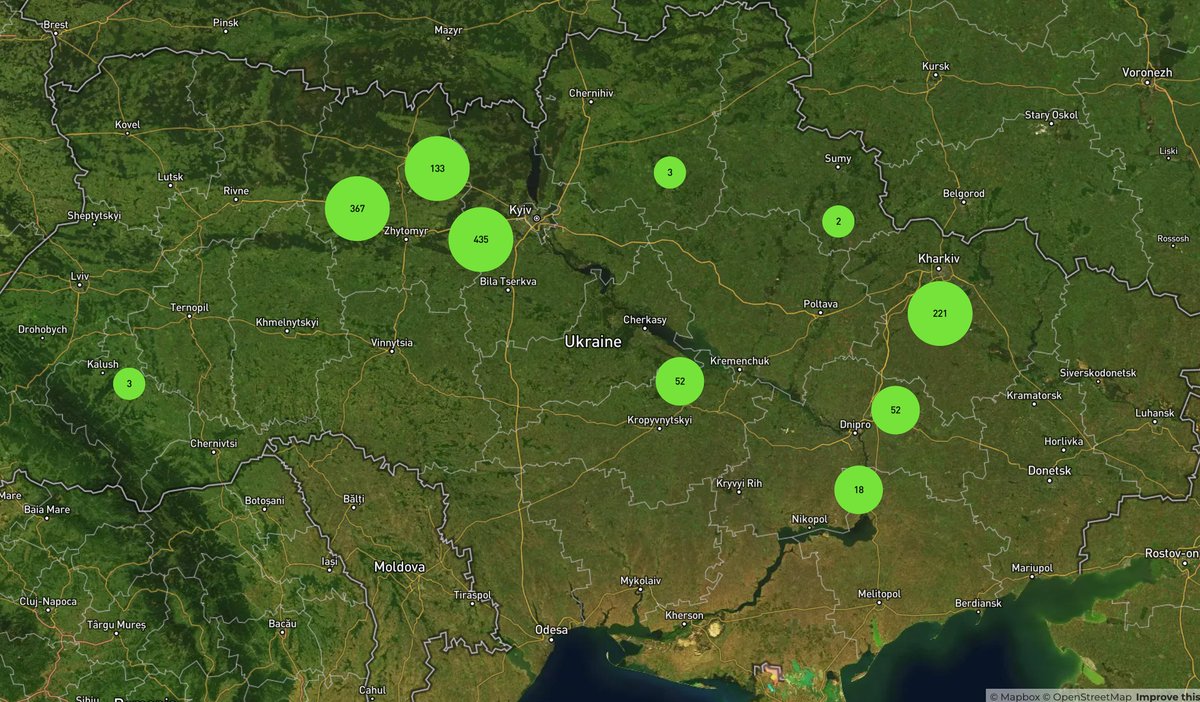
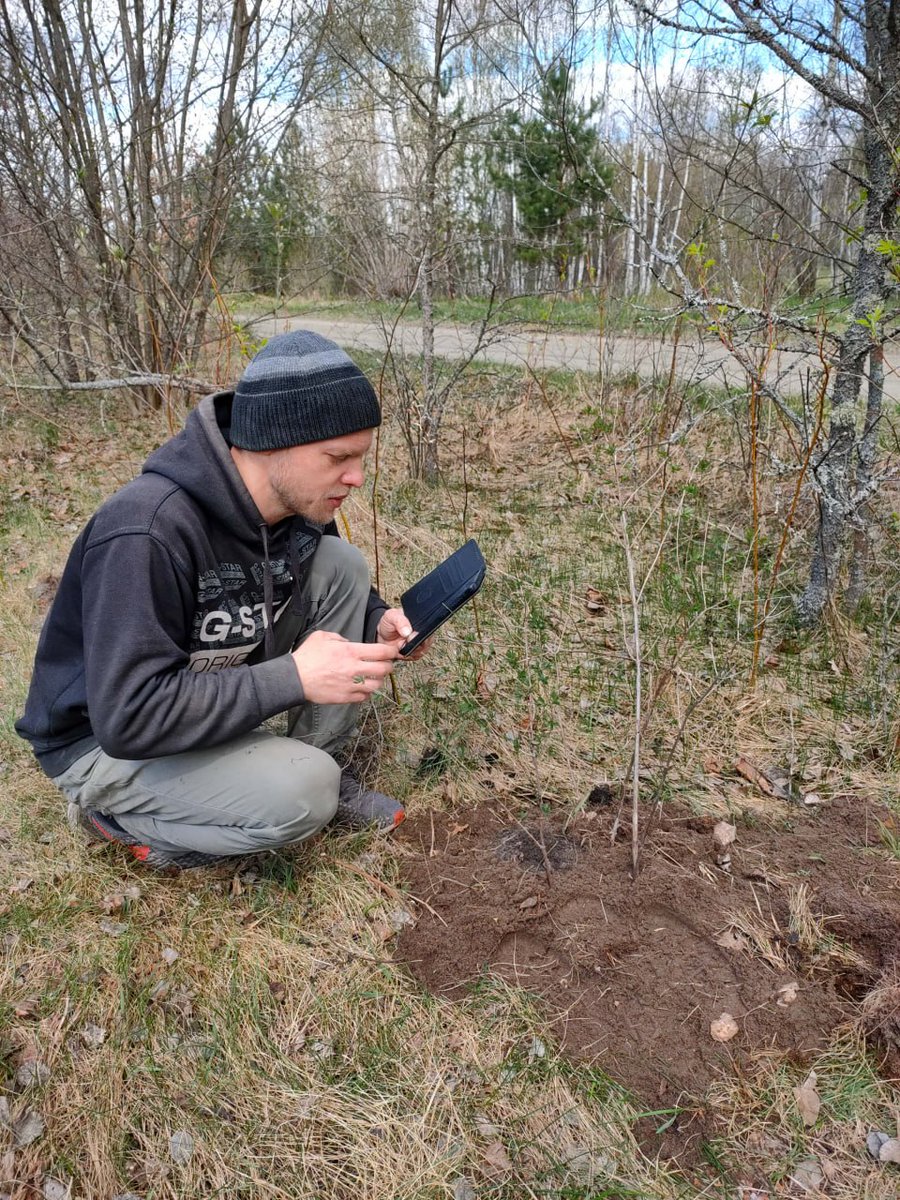
It’s not a final system yet, but already on @SilviProtocol you can see around 1,100 verified and digitized trees across more than ten of our locations.
One detail stands out: most of these plantings are happening in frontline regions. If you look at the map, it becomes obvious.
In reality, we planted closer to 2,500 trees. And this highlights a core issue — the gap between physical work and Web3 accounting.
In the field, things don’t follow a script.
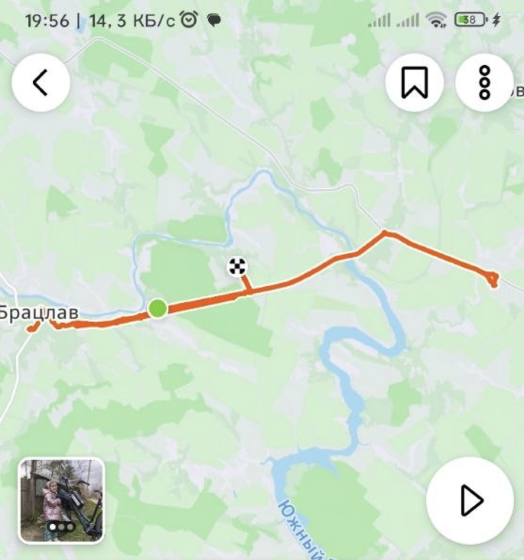
Geolocation can shift by tens of kilometers due to security constraints.
Phones fail to capture points.
People work with their hands — not with apps.
To fully operate in this system, we would actually need to upgrade devices across the network — phones, laptops — otherwise the digital layer simply can’t keep up with real-world activity.
Still, even with these limitations, the results are tangible:
— ~2,500 trees planted
— 1,100 digitized and verified
— 12 projects created on the platform
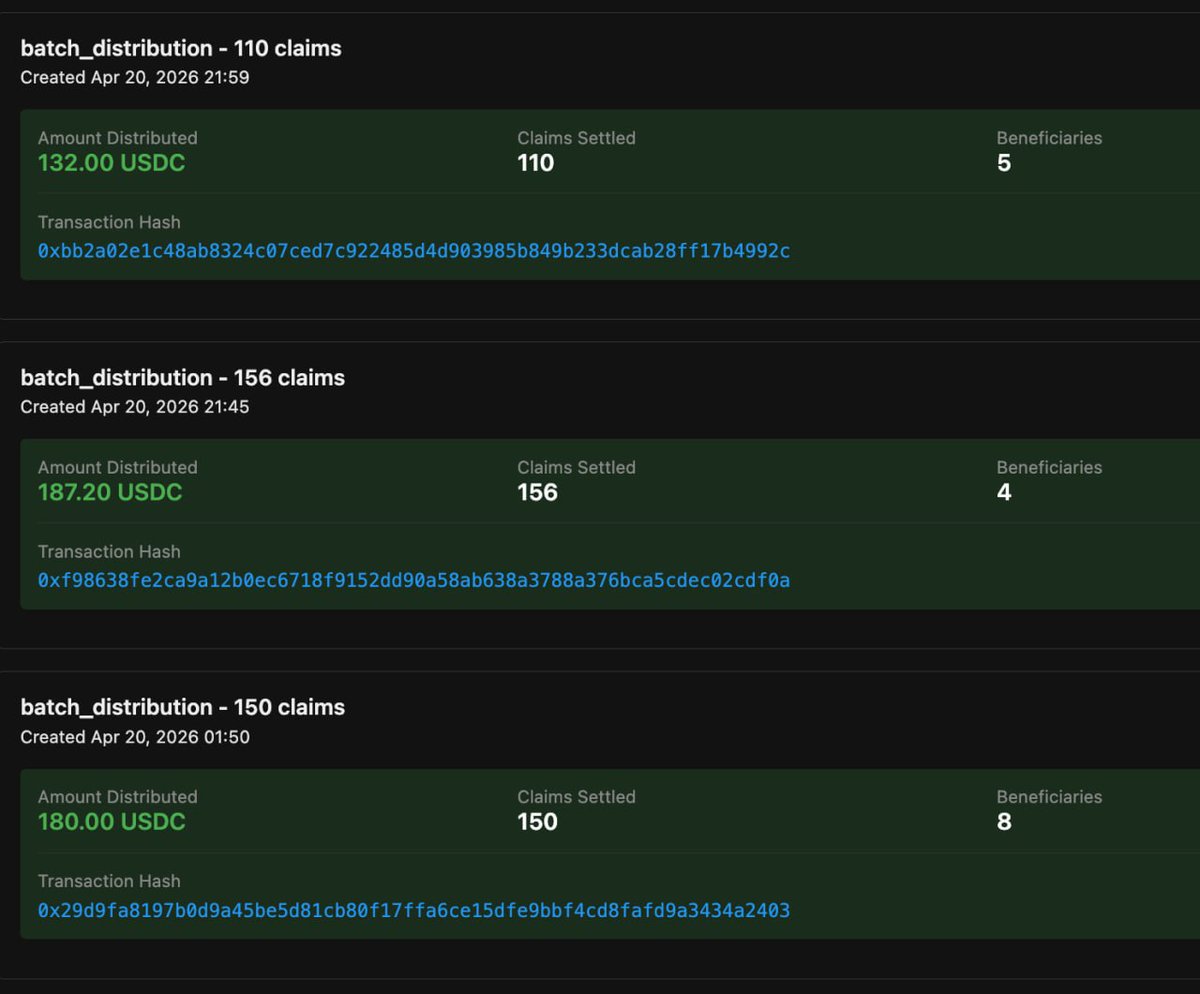
— 480 USDC already paid directly to local wallets
This is what an emerging horizontal economy looks like.
The model is simple:
Each verified tree brings $1.20 USDC upfront
$0.80 USDC after one year if the tree survives
This is not “income” in the traditional sense. It’s a tool:
— to support local initiatives
— to create incentives for impact verification
— to onboard communities into Web3 (wallets, transactions, validation)
In practice, it’s a preparation layer for more complex systems — carbon credits and biodiversity markets.
What matters is accessibility.
The onboarding is simple, the mechanics are clear, support is responsive, and payments are relatively fast. This allowed us to test everything not in theory, but in real conditions.
At this stage, we can confidently recommend this approach to others:
permaculture groups, foresters, volunteers — anyone involved in tree planting.
Because this is one of the few tools where a physical action — planting a tree — already has a digital trace and a basic economic layer around it.
Special thanks to @DjimoSerodio for continuous support and fast responses to all our “field-level” challenges. Without that, this experiment likely wouldn’t have worked.
#ecovillage #treeplanting #ReFi #Web3platform #tokenizing
🌿 One bicycle is just the beginning. What matters most comes after.
A few years ago, our friends from Denmark donated used bicycles to Ukrainian communities. But the story didn’t end with the handover. In many ways, that was where it truly began.
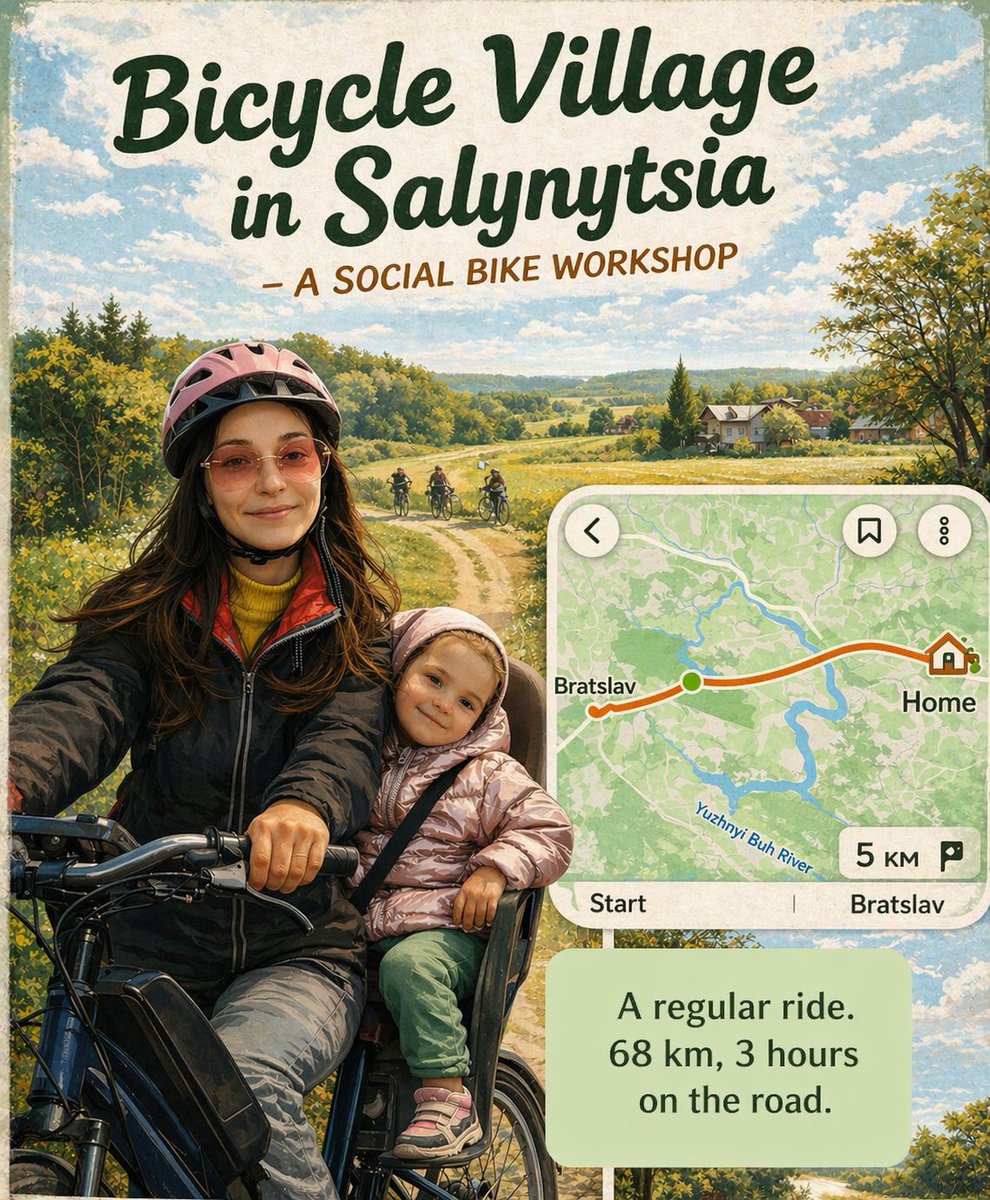
In the village of Salyntsi, a social workshop called “VeloSelo” emerged — an initiative created by internally displaced people with the support of GEN Ukraine. It has grown into a space for mobility, mutual support, and hands-on learning, where a bicycle becomes part of a resilient way of life.
Here, bicycles are repaired, restored, reinforced, and adapted to rural conditions. Some are even transformed into e-bikes. What was once second-hand equipment gains a new life — and everyday purpose.
One of these bicycles now supports Viktoriia Makhinko in her daily routine.
Her route is simple but demanding: home, kindergarten, work, back home, kindergarten again, and the evening return. More than 68 kilometers a day. Around three hours in motion.
No car.
No fuel expenses.
No exhaustion from long distances.
With an e-bike, Viktoriia can balance childcare, work, and community life. For some, it’s just a bicycle. For her, it’s real freedom of movement and a daily foundation of stability.
This is what real support looks like: not a one-time donation, but a solution that works for years and transforms everyday life.
We are now exploring the idea of installing trackers on our bicycles to better understand our mobility patterns in real time — trips made, distances covered, time in motion, and the emissions avoided by choosing bicycles over cars. This would allow us to build a shared dataset and demonstrate sustainable mobility through real, verifiable impact.
The next step we are considering is the tokenization of these mobility routes and their carbon impact through a Proof of Action model — potentially with mentorship from @CeloPublicGoods. This could connect everyday actions — like riding a bike instead of driving — with measurable climate value, creating a new layer of incentives and recognition for low-carbon behavior.
We are deeply grateful to our Danish friends and partners for their trust and support — and for contributing to changes that continue moving forward. 🌍🚲
#GENUkraine #SpacesOfUnity #VeloSelo #Ecovillages #Mobility #Resilience #GreenRecovery #ReFi #ProofOfAction
Our first sold-out biodiversity batch — a milestone for GEN Ukraine 🌱
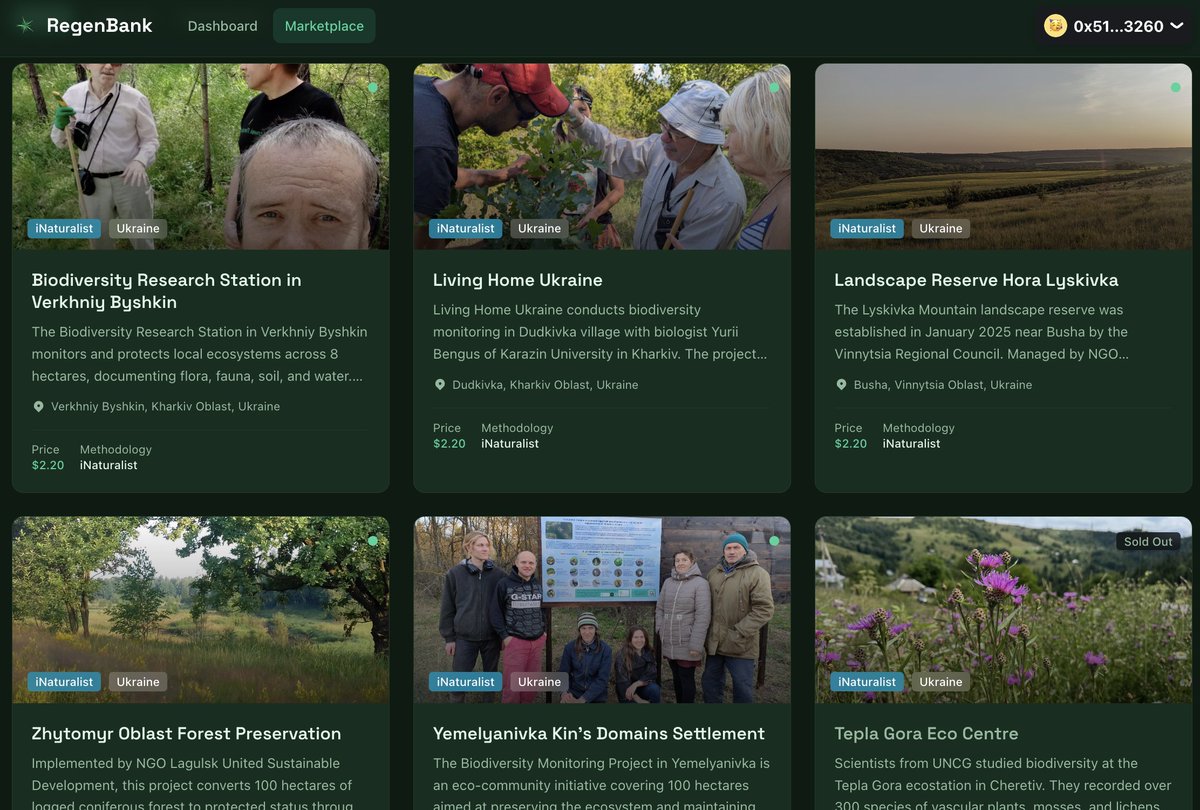
A real moment for our network. The first Ukrainian stewardship project listed on-chain via Regen Bank — Tepla Gora Eco Centre in the Carpathians — just fully sold out.
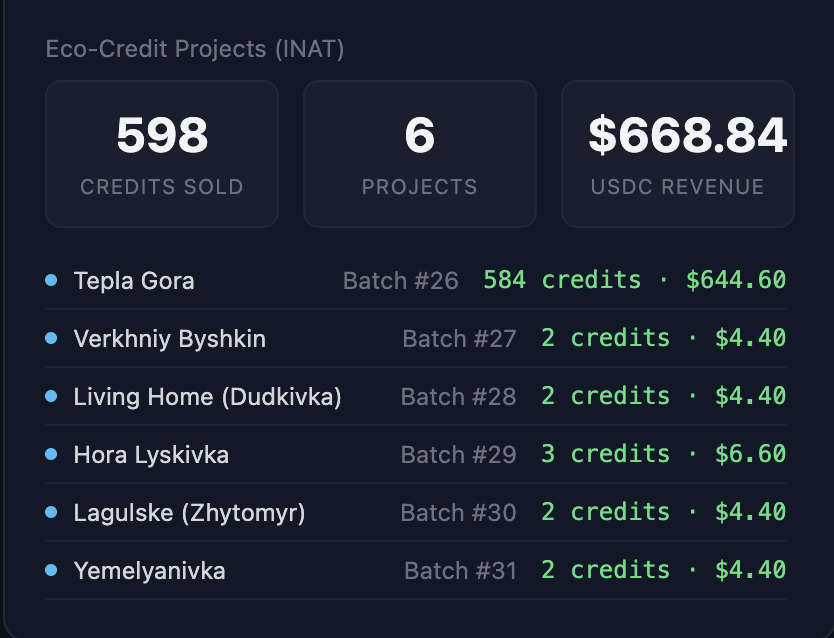
Numbers from the marketplace so far:
📈 ~$608 paid directly to Ukrainian stewards
🎯 293 biodiversity credits sold for the Tepla Gora batch — fully retired listing, funds already on the ground
🌿 5 more projects live and open for buyers — from Kharkiv to Zhytomyr to the steppes near Busha
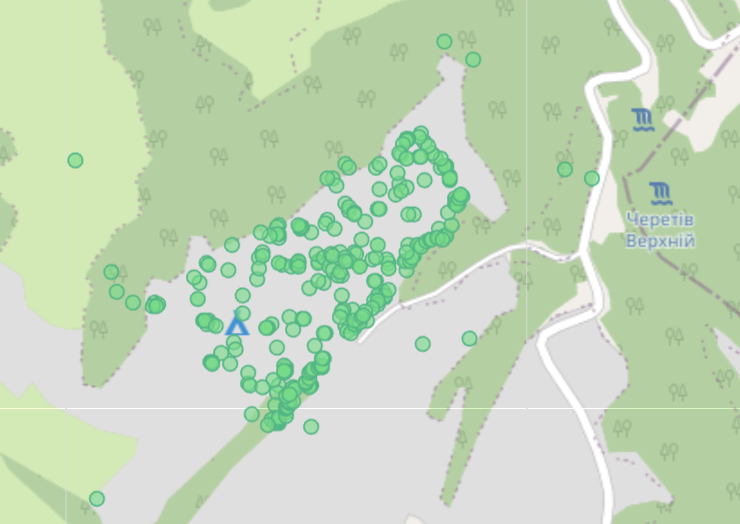
Here's what's new about this: our teams document species through iNaturalist — Red Book orchids, rare oaks, rare mosses and lichens. Every verified observation becomes an on-chain biodiversity credit (ERC-1155 on Celo). Buyers pay in USDC, 100% goes to the project, 10% on top goes to the cooperative treasury.
No offsetting theatre. No intermediaries skimming off steward payments. Just fieldwork our communities were already doing, finally funded in a way that respects the work.
Huge thanks to the team at @regen_network and the RegenBank platform for building the rails.
If you're running an ecovillage and want to list your land — reach out. If you want to back Ukrainian biodiversity work directly — one click away.
👉 https://t.co/cdcbiFN7Kw
#GEN #Ecovillage #Biodiversity #Ukraine #ReFi #Regeneration
Building a Shared Space: Community Terrace at Radariya Eco-Center (Ukraine)
Our community in Radariya (Kyiv region) continues to develop the infrastructure of our shared space.
Right now, we are building a multifunctional open terrace with a roof. This space will serve as a dining area for visitors and a main площадка for educational seminars, workshops, and community events.
At the moment, due to the lack of proper infrastructure, we are using outdoor tables without shelter. This limits what we can do — especially during rain or strong wind — and directly affects our ability to host gatherings and learning activities.
The terrace (4 × 9 meters) will be attached to our common house. We are using locally sourced wood, which reduces logistics costs and supports local producers. All construction work is being carried out by community members themselves.
This is a small but very practical example of how local infrastructure is built:
through shared effort, local materials, and a clear understanding of needs.
The total budget for the project is about €1,200 (48,500 UAH).
So far, we have already purchased materials for €300 (12,000 UAH).
We are currently looking to raise the remaining €900 (36,500 UAH) to complete the project.
We would truly appreciate any support — financial, material, or by sharing this initiative.
This terrace is not just a structure. It is a space for people to gather, learn, and build resilient communities together. @localismfund
#Ecovillage #CommunityBuilding #RegenerativeEconomy #Ukraine #Sustainability #LocalAction #Resilience
Building Resilience through Decentralized Energy: Milestone Update
We are excited to share a significant leap forward in our journey toward the tokenization of renewable energy. The first solar power plants in our network have been successfully verified on the @arkreen_network platform, and data tracking is now live.
Analysis: Strengthening Community Infrastructure
In the face of ongoing war and systemic blackouts, energy independence is not just a technical goal—it is a critical necessity for survival. To meet this challenge, we have significantly scaled our physical and digital infrastructure:
Solar Expansion: We have purchased and activated +10 new solar stations.
Precision Monitoring: The deployment of our first 5 smart meters enables real-time, verified accounting of energy production.
Energy Security: Critically, we have integrated 5+ battery storage stations. These are vital for maintaining community stability and power continuity during grid failures.
Transparency & Data: We have developed the Ecovillage Impact Dashboard, a central hub where we track every step of our tokenization process: https://t.co/nUvKCEvUWc
Strategic Scenarios
Tokenizing Resilience: By onboarding these assets to Arkreen, we are transforming physical stability into digital assets, creating a transparent record of our community's regenerative efforts.
Climate-Finance Integration: This progress was accelerated by our participation in the @OctantApp Climate Epoch 7, demonstrating how ReFi (Regenerative Finance) provides tangible support for infrastructure in high-risk zones.
Scalable Autonomy: The combination of solar generation, smart metering, and battery storage creates a functional blueprint for other communities seeking energy autonomy under extreme pressure.
Conclusion
This achievement is the result of the collective effort of our team and partners. We are moving beyond simple monitoring toward a fully transparent, incentive-aligned energy ecosystem that directly supports life and restoration on the ground.
Onward to further decentralization and resilience!
#DePIN #EnergySecurity #SolarEnergy #Web3 #ReFi #Arkreen #Octant #ClimateTech #Resilience #Ecovillage #RegenerativeEconomy
40 Pine Trees Planted: Growing a Living Space Together
50 km from the frontline, Kharkiv region
ecovillage “Happy People”
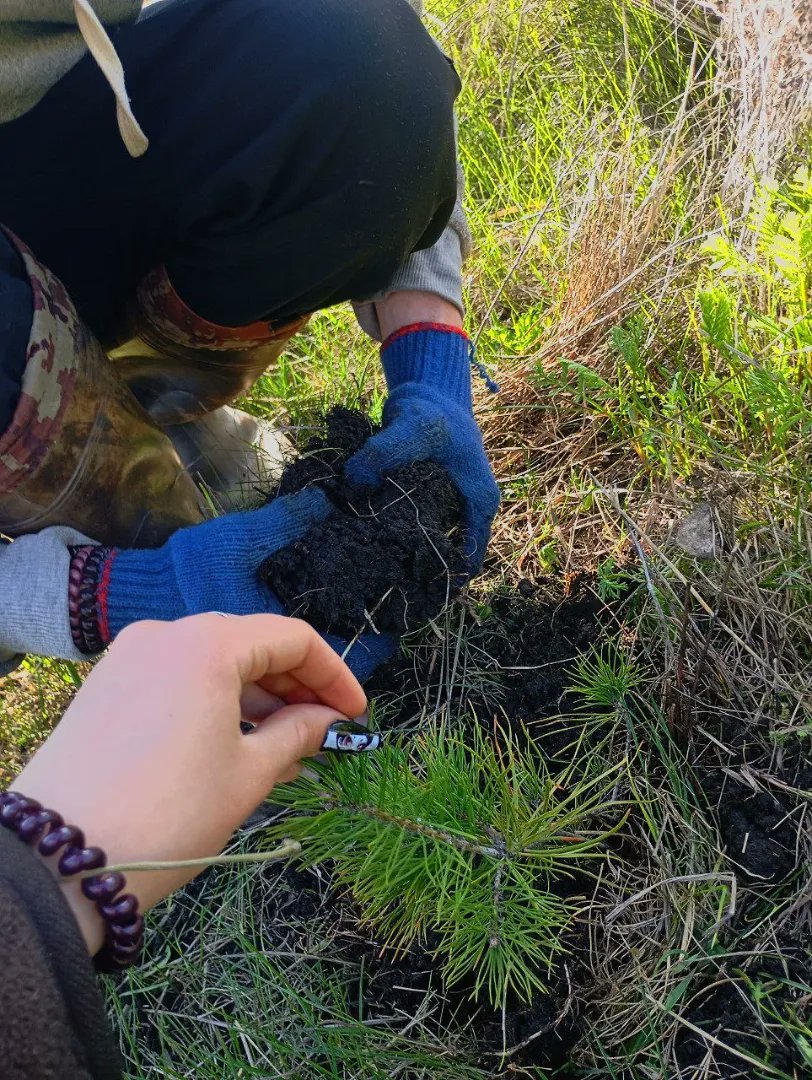
We planted 40 pine trees 🌲
This took place as part of our annual spring tree planting campaign across ecovillages — a coordinated effort within the GEN Ukraine network where communities restore land and plant trees together.
No big campaign on the ground, no complex setup — we simply came together and did it. With our own hands and with a shared understanding that this matters.
Each tree here is not just about planting.
It is about shaping a place that will continue to live, grow, and evolve together with us.
This work is connected to the development of the Happy People Kindergarten — a space where we are building a living environment for children, adults, and the wider community.
Step by step, this territory is becoming something more:
– a forest garden
– a place for restoration and resilience
– a future permaculture learning center
We also documented this activity on the @SilviProtocol platform — as part of our effort to move toward verification and digital recognition of ecological actions.
We are not rushing.
But we are moving forward — consistently.
Creating a space where people can live, breathe, and simply be.
And these 40 pine trees are already part of that future 🌿
#regeneration #ecovillages #permaculture #climateaction #ukraine #community #silvi #refi #naturebasedsolutions
50 New Trees: Planting the Future Together! 🌳✨
This weekend, our community in Yemelyanivka turned into a hub of creation. In just 4 hours, we planted over 50 ornamental trees and shrubs near our common house: Forsythias, Spireas, Mahonias, Junipers, Larches, Lilacs, and Jasmines.
Key Highlights:
📍 Tech in Nature: We’ve already started logging the plants in the Silvi app for long-term tracking.
🪵 Resourcefulness: Stocked up on firewood and treated invasive acacia stumps to let our new garden thrive.
🎸 The Soundtrack: I collaborated with AI to write a high-energy rock anthem specifically for this video to capture the spirit of our labor.
The inspiration was through the roof! I can already see the breathtaking beauty that will surround our common home in just a few years.
Enjoy the video and the music! https://t.co/34ku0jxei9
@SilviProtocol #SpaceofUnity #treeplanting #ecovillages
Building the future of communities not in theory — but through practice.
In the ecovillage Omelianivka (Zhytomyr region), we facilitated the “World of Communities” game for educators from Holovkivska Gymnasium.
This was not a typical pedagogical meeting, but an attempt to explore community development as a system that can be modeled and tested.
🎥 Watch how it happened:
https://t.co/qoM8Ff1MP6
We shifted the conversation from “reporting” to “experience”:
the school space became a place to test ideas, not just discuss them.
Together, we:
— modeled development scenarios for the community
— explored solutions under limited resources
— practiced working as a team rather than isolated roles
— looked at the school as a core element of a local ecosystem
This shift matters.
Modern education is not only about knowledge transfer — it is about creating environments where people can think and act together.
This session was part of the collaboration between Holovkivska Gymnasium, NGO “Ridne Polissya,” and GEN Ukraine, within the framework of the #SpaceOfUnity project.
Thanks to principal Olha Myahkova for openness to experimentation, and to the teachers for their engagement and willingness.
We are not just playing.
We are prototyping how real communities can function.
#training #SocialInnovation #ResilientCommunities #civilsociety
Solar Installation at Pokuttia School — from Resilience to Tokenization
In the town of Horodenka, the Waldorf school “Pokuttia School” has taken an important step toward energy resilience.
With support from the GEN Ukraine network and international partners, part of a solar energy system has been installed — allowing the school to continue operating during periods of power outages that remain a daily reality in Ukraine.
This is not just about infrastructure. It is about continuity of education, community life, and basic human conditions — heat, food, and light.
Thanks to the installed system, the school was able to maintain its educational and artistic activities even during the most difficult blackouts. The inverter ensured heating and minimal electricity supply, making it possible to cook hot meals and keep the space functional for children and the community.
Installed equipment:
5 solar panels (450 W each)
Sun-lok SG05LP3-EU-SM2 inverter (10 kW)
Fuji ESS 5100 battery (100 Ah)
The system is already working at full capacity and continues to support the school during ongoing outages.
At the same time, this is only the first phase.
To achieve full energy independence, the school still needs:
28 additional solar panels (450 W each)
2 more batteries
installation and connection equipment (automation, switchboards, cables)
The target is a 16 kW solar power system that would allow the school to operate autonomously, without reliance on the central grid.
A fundraising campaign is now open to complete this installation.
The next step is integrating this system into @arkreen_network — enabling tokenization of solar generation and creating a direct link between local energy production and global climate finance mechanisms.
This case reflects a broader transition:
from energy resilience → to measurable impact → to tokenized climate infrastructure.
We thank all partners who made this possible, including Steffan Dreesmann, @OctantApp Climate Epoch 7, and @localismfund.
The work continues.
#solarpower #ecovillages #localism #tokenization
Planting 100 Trees on the Frontline — and Bringing Them On-Chain
In the Kharkiv region, in a frontline area with increased risk, the community of Zhivyi Dim continues its work.
As part of our spring tree planting campaign across the GEN Ukraine ecovillage network, they planted 100 trees in a forest they have been growing for the past 5 years. Year by year, this forest is taking shape — not as an idea, but as a living system.
During the workshop, people planted trees together, and later gathered around a bonfire to share a simple meal and reflect on a bigger issue — global deforestation and what local action actually means in this context.
At the same time, the reality on the ground remains complex. Internet connection is often disrupted, which makes it difficult to upload planting data in real time to @SilviProtocol .
We reached out to @DjimoSerodio, and the response was direct:
“We already have offline functionality. We’ve just fixed a syncing bug — update should be in production within a day or two. It should allow registering trees even in unstable connectivity conditions.”
This is not just technical support — it’s a live feedback loop between communities on the ground and the platform infrastructure.
Right now, 10 of our projects are already active on Silvi.
And what we see is a shift:
From planting trees →
to documenting impact →
to building verifiable ecological data layers.
We are moving fast in digitizing all our tree planting activities — not as reporting overhead, but as part of the action itself.
And yes — we actually like this process.
#treeplanting #ecovillages #ReFi #localism