We’re seeding $100,000 in matching funds to 8 resilient bioregions combating deforestation.
The Bioregional Reforestation Grants Round, the largest blockchain-native, outcomes-based reforestation grant round yet, is officially open!
Portal link in bio 🧵👇
5 days left to apply to Ma Earth round 3. If you're a land project doing important nature work, this is a great opportunity to share your story and apply for funding. Ma Earth and its ecosystem of partners has so much groundwork to make nature projects more legible, interoperable and fundable. This is so much more than just round 3, this is the beginning of something big and beautiful and much needed 👏🌳
We are uploading our work to @SilviProtocol and we are so excited 😊
Next week we'll continue uploading and monitoring our reforestation in the town of Los Cerrillos, Cordoba, Argentina.
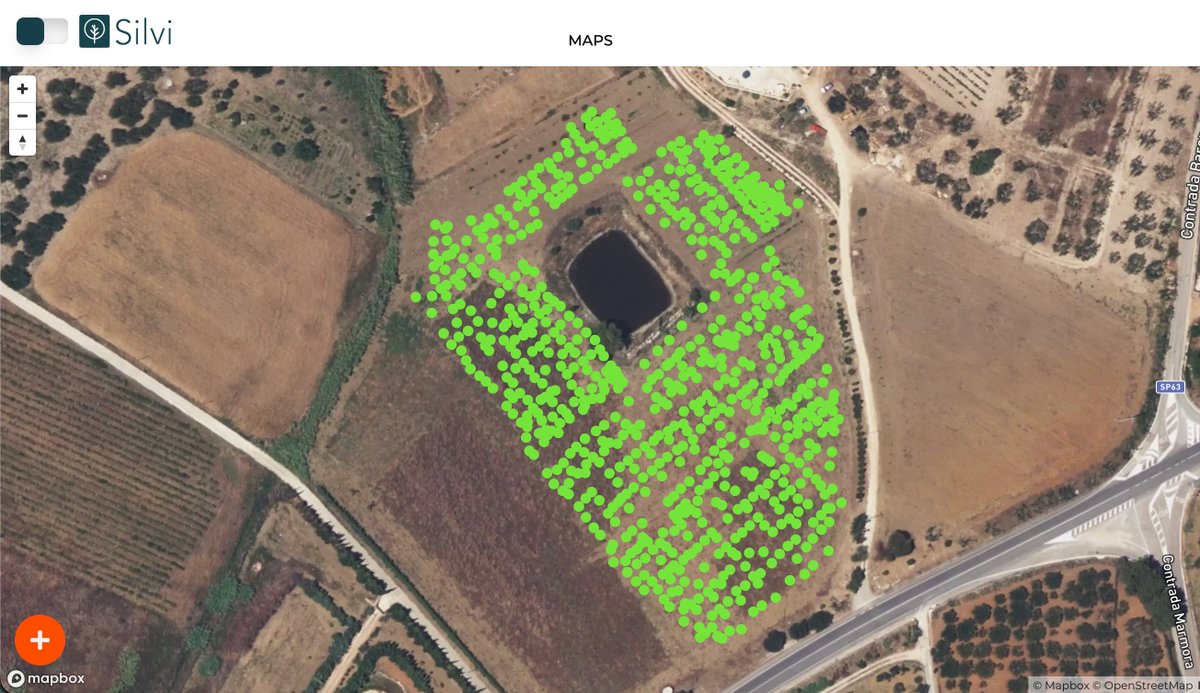
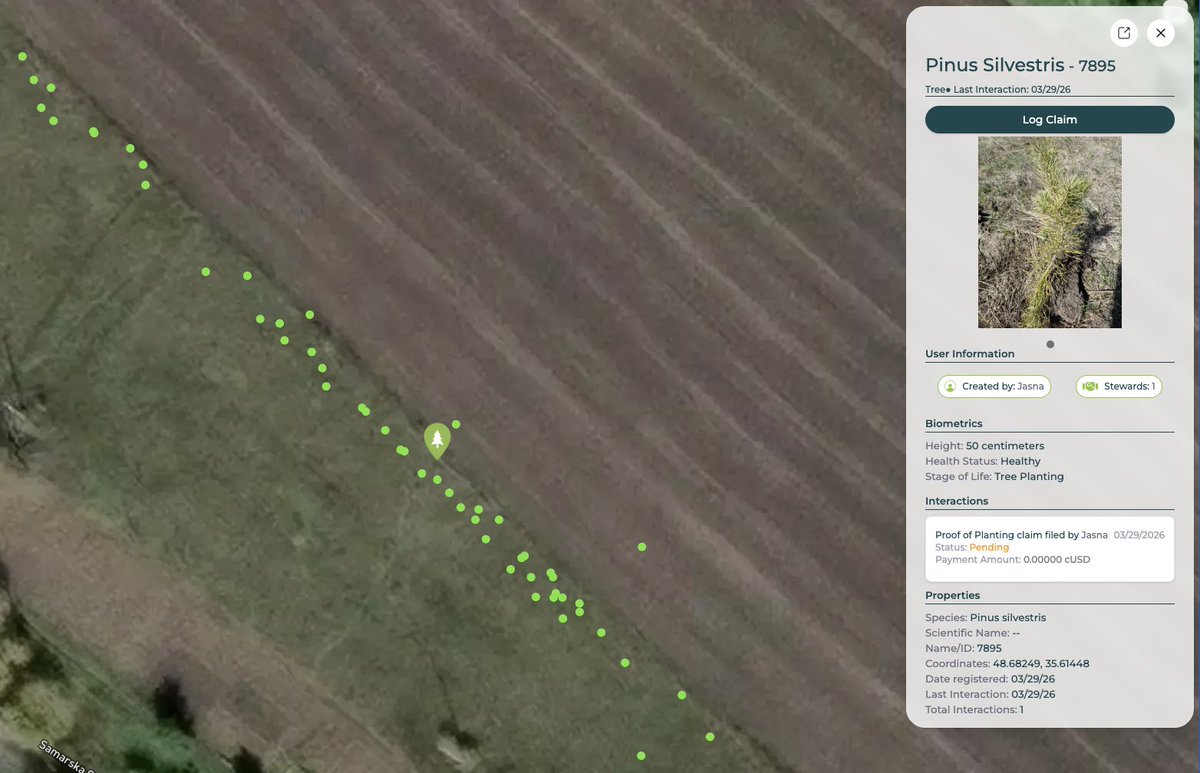
We've been hard at work turning a degeraded field into a regenerative forest with the help of friends at Butterfly Hill. Every tree that we have planted has been logged into @SilviProtocol and each green dot represents a living tree verified.
What if the financial system was backed by something that grows?
@DjimoSerodio, founder of @SilviProtocol, is building the infrastructure to treat trees as a reserve asset, using blockchain to fund, verify, and coordinate reforestation worldwide. 🌲
https://t.co/5G1sJ1t0QB
How we digitized tree planting — and earned a bit of crypto 🌱
We’ve reached a point where we can not only talk about impact, but actually record it in digital form.
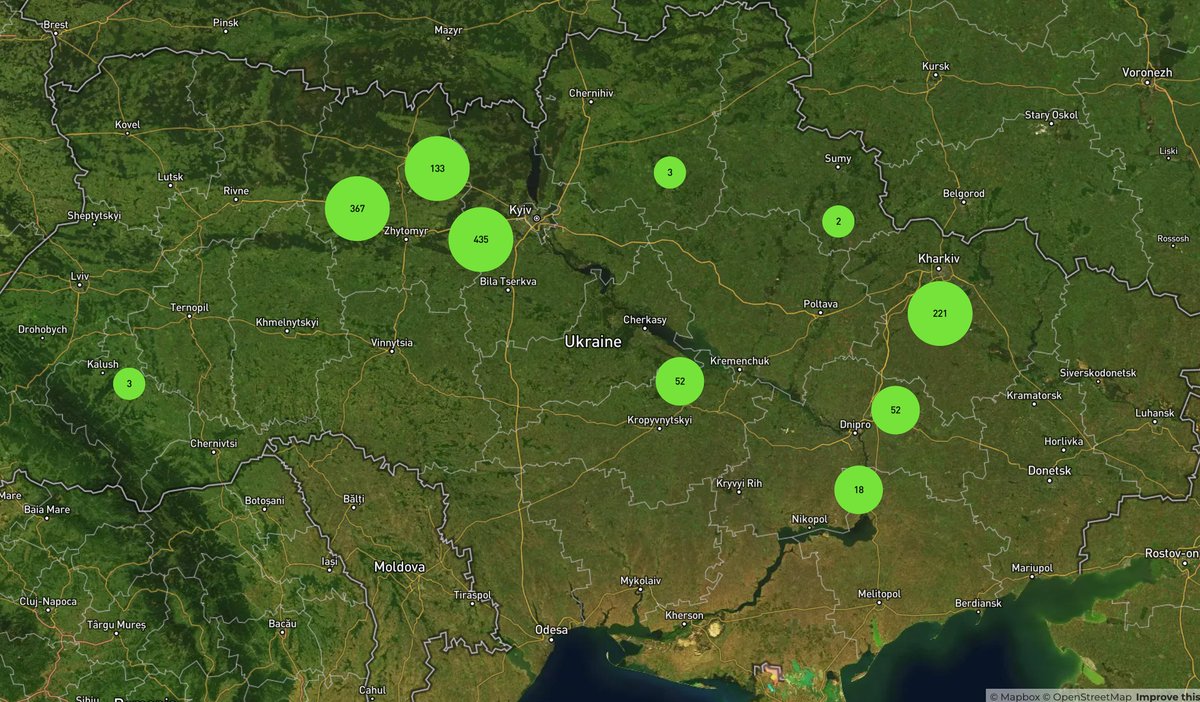
It’s not a final system yet, but already on @SilviProtocol you can see around 1,100 verified and digitized trees across more than ten of our locations.
One detail stands out: most of these plantings are happening in frontline regions. If you look at the map, it becomes obvious.
In reality, we planted closer to 2,500 trees. And this highlights a core issue — the gap between physical work and Web3 accounting.
In the field, things don’t follow a script.
Geolocation can shift by tens of kilometers due to security constraints.
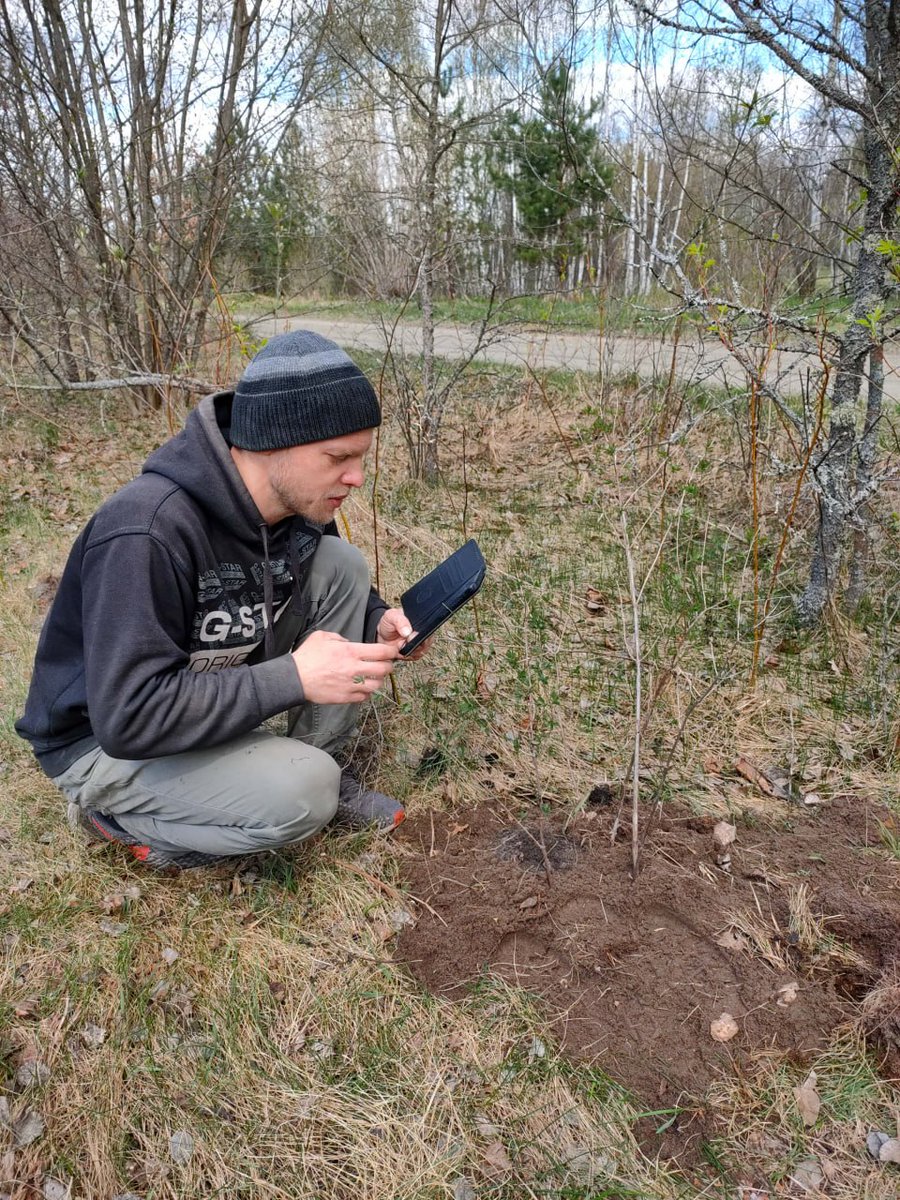
Phones fail to capture points.
People work with their hands — not with apps.
To fully operate in this system, we would actually need to upgrade devices across the network — phones, laptops — otherwise the digital layer simply can’t keep up with real-world activity.
Still, even with these limitations, the results are tangible:
— ~2,500 trees planted
— 1,100 digitized and verified
— 12 projects created on the platform
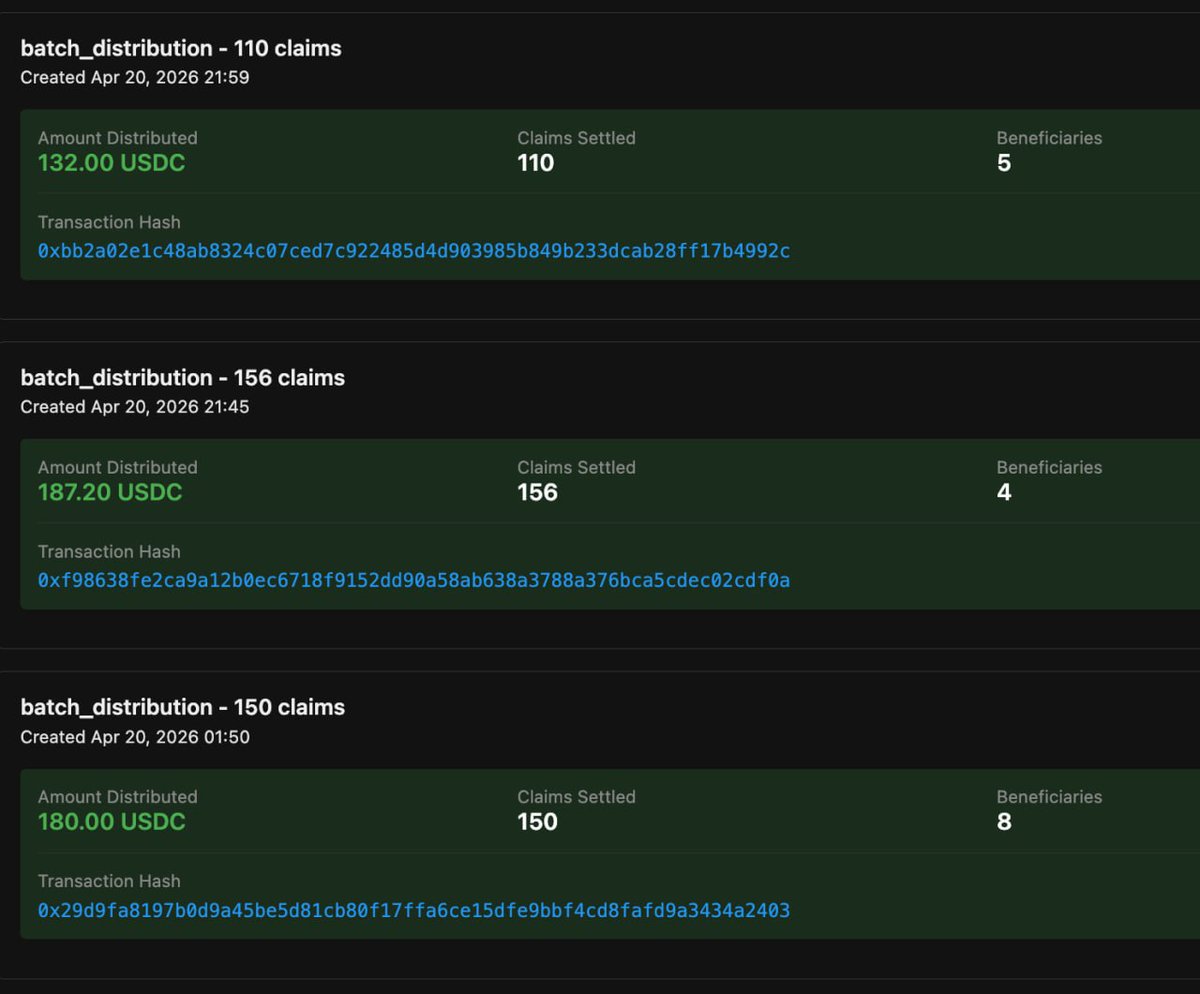
— 480 USDC already paid directly to local wallets
This is what an emerging horizontal economy looks like.
The model is simple:
Each verified tree brings $1.20 USDC upfront
$0.80 USDC after one year if the tree survives
This is not “income” in the traditional sense. It’s a tool:
— to support local initiatives
— to create incentives for impact verification
— to onboard communities into Web3 (wallets, transactions, validation)
In practice, it’s a preparation layer for more complex systems — carbon credits and biodiversity markets.
What matters is accessibility.
The onboarding is simple, the mechanics are clear, support is responsive, and payments are relatively fast. This allowed us to test everything not in theory, but in real conditions.
At this stage, we can confidently recommend this approach to others:
permaculture groups, foresters, volunteers — anyone involved in tree planting.
Because this is one of the few tools where a physical action — planting a tree — already has a digital trace and a basic economic layer around it.
Special thanks to @DjimoSerodio for continuous support and fast responses to all our “field-level” challenges. Without that, this experiment likely wouldn’t have worked.
#ecovillage #treeplanting #ReFi #Web3platform #tokenizing
Who owns data produced by land stewards, and who profits from it? What might it look like if the people closest to the land held the power to define, measure, and communicate their own impact?
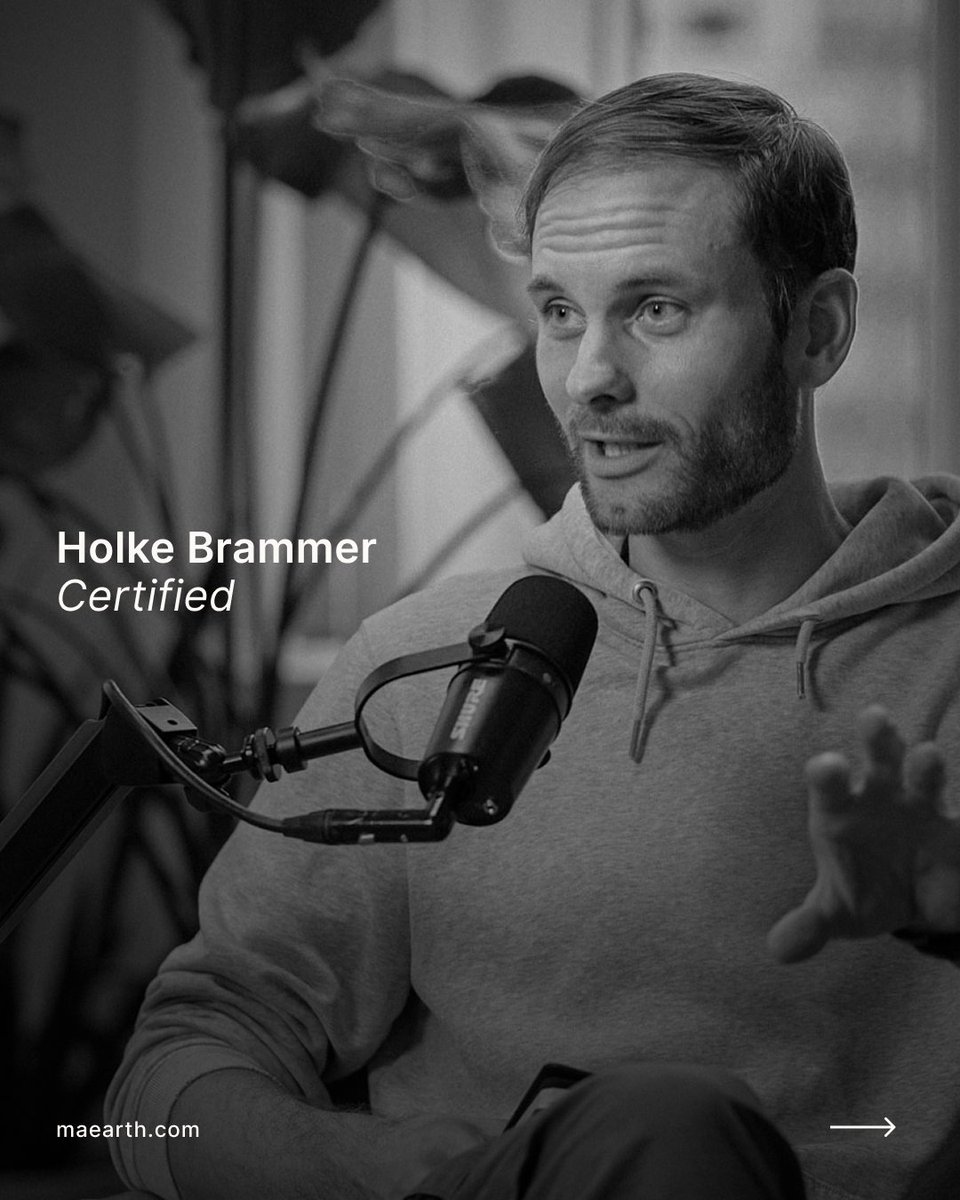
Join us for a webinar with @holkexyz of @hypercerts and Certified, where we're looking at how open tech protocols can support environmental organizations in protecting and leveraging the century's most valuable asset—data.
In this Lab we'll discuss...
📊 Who owns land stewardship data and why it matters
🌱 How AT Proto honors and protects user data
📊 Community-created impact metrics
🌱 How the Hypercerts Foundation's work in retroactive impact reporting can help environmental stewardship and philanthropy evolve to meet our current context
April 21, 11am EDT.
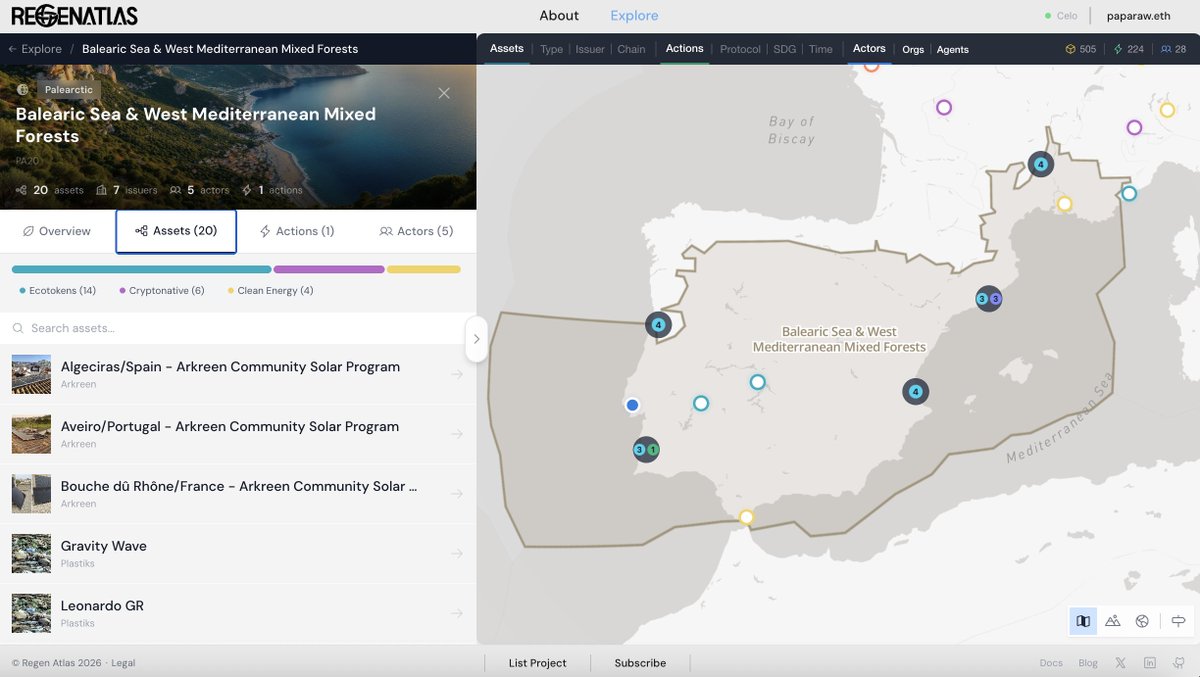
With so many projs in the industry dying I'm pleased to say that @theregenatlas is in its lane, thriving, and we just added @hedera@SilviProtocol@Atlantis_p2p and many others
oh yeah and we are looking sexy af — MAJOR bioregional facelift! New UI just got pushed out
link ↓
Planting 100 Trees on the Frontline — and Bringing Them On-Chain
In the Kharkiv region, in a frontline area with increased risk, the community of Zhivyi Dim continues its work.
As part of our spring tree planting campaign across the GEN Ukraine ecovillage network, they planted 100 trees in a forest they have been growing for the past 5 years. Year by year, this forest is taking shape — not as an idea, but as a living system.
During the workshop, people planted trees together, and later gathered around a bonfire to share a simple meal and reflect on a bigger issue — global deforestation and what local action actually means in this context.
At the same time, the reality on the ground remains complex. Internet connection is often disrupted, which makes it difficult to upload planting data in real time to @SilviProtocol .
We reached out to @DjimoSerodio, and the response was direct:
“We already have offline functionality. We’ve just fixed a syncing bug — update should be in production within a day or two. It should allow registering trees even in unstable connectivity conditions.”
This is not just technical support — it’s a live feedback loop between communities on the ground and the platform infrastructure.
Right now, 10 of our projects are already active on Silvi.
And what we see is a shift:
From planting trees →
to documenting impact →
to building verifiable ecological data layers.
We are moving fast in digitizing all our tree planting activities — not as reporting overhead, but as part of the action itself.
And yes — we actually like this process.
#treeplanting #ecovillages #ReFi #localism
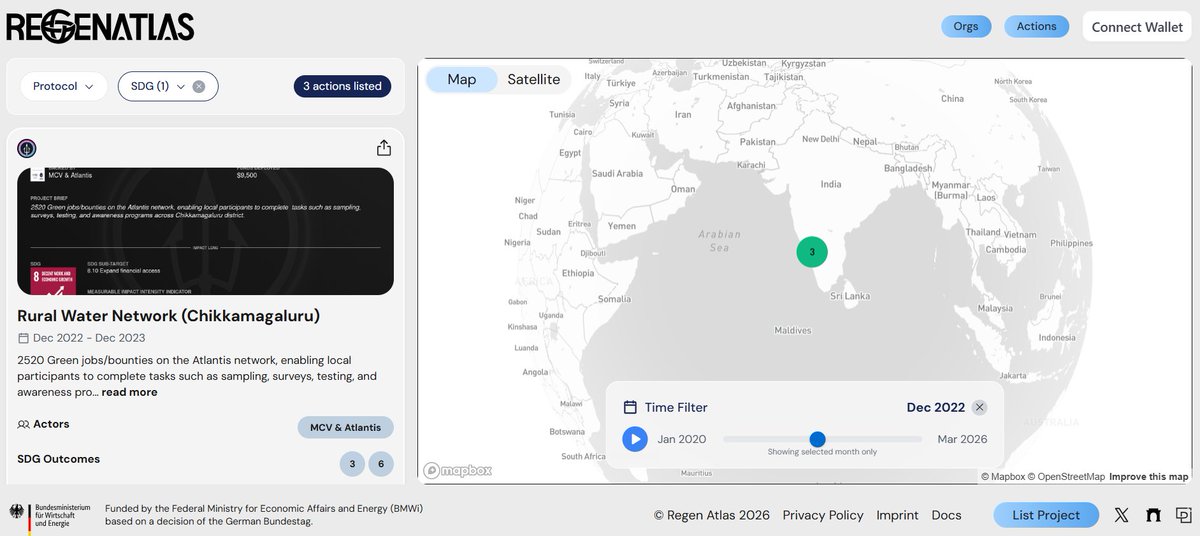
4/ We now have three additional live connectors beyond @Atlantis_p2p: @SilviProtocol, Ecocerts (@GainForestNow), and @hedera. Each adapter fetches verified impact data & normalizes it into Actions View schema.
220+ onchain attestations referenced. 100% SDG metadata coverage.
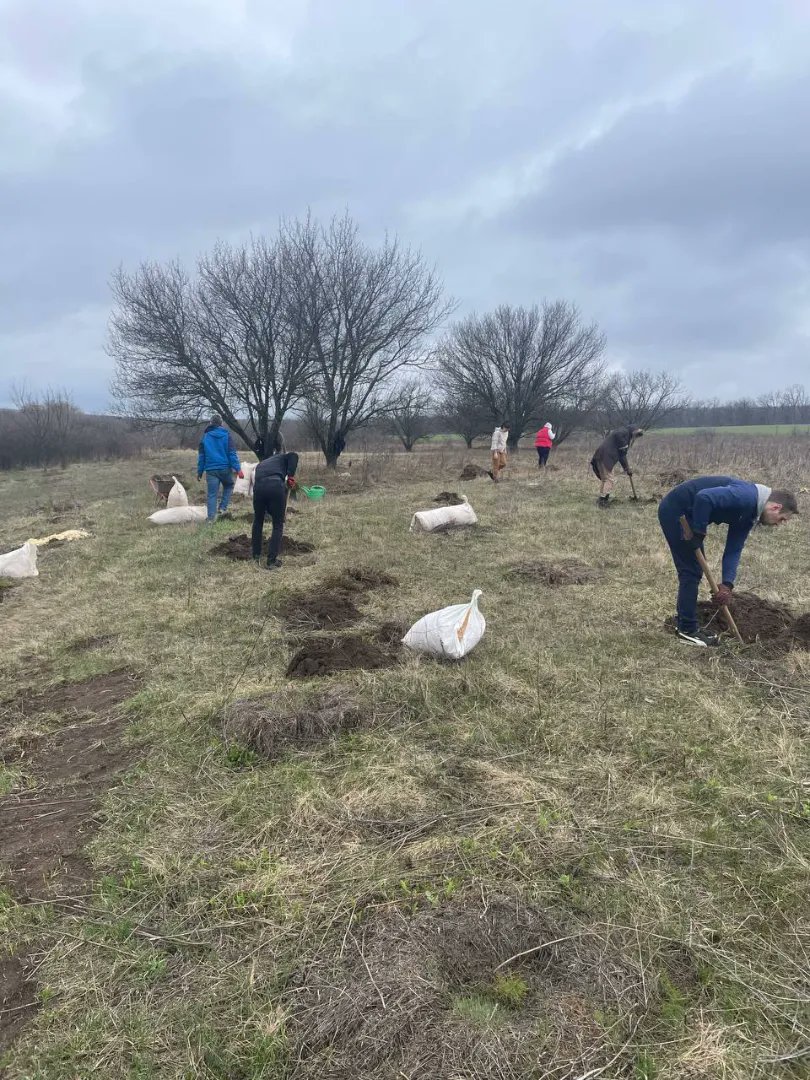
Planting trees 70 km from the front line — and bringing it on-chain
In the Dnipro region, about 70 km from the front line, the “Settlement of Masters” — a community led by Olena and Oleh Yasni — continues its work.
As part of our annual spring tree planting initiative across the GEN Ukraine network, the community organized a small toloka.
On Saturday, March 28, a group of 5 participants planted 50 trees — mostly pines, along with several walnut trees.
The goal is simple: creating a windbreak to protect the settlement and improve local microclimate.
Small team. Clear action. Long-term effect.
But this time, we added another layer.
All planting data was recorded and uploaded to @SilviProtocol — including geolocation, species, and basic tree data.
This is one of our first steps toward:
– digitizing tree planting activities
– creating verifiable records of regeneration
– building a foundation for future tokenization
From physical action → to digital trace → to potential on-chain impact.
This is how we are gradually connecting real land work with ReFi infrastructure.
Still early. But direction is clear.
Tree by tree. Data point by data point.
#treeplanting #ecovillages #regeneration #ReFi #tokenization #localism
Planting trees 70 km from the front line — and bringing it on-chain
In the Dnipro region, about 70 km from the front line, the “Settlement of Masters” — a community led by Olena and Oleh Yasni — continues its work.
As part of our annual spring tree planting initiative across the GEN Ukraine network, the community organized a small toloka.
On Saturday, March 28, a group of 5 participants planted 50 trees — mostly pines, along with several walnut trees.
The goal is simple: creating a windbreak to protect the settlement and improve local microclimate.
Small team. Clear action. Long-term effect.
But this time, we added another layer.
All planting data was recorded and uploaded to @SilviProtocol — including geolocation, species, and basic tree data.
This is one of our first steps toward:
– digitizing tree planting activities
– creating verifiable records of regeneration
– building a foundation for future tokenization
From physical action → to digital trace → to potential on-chain impact.
This is how we are gradually connecting real land work with ReFi infrastructure.
Still early. But direction is clear.
Tree by tree. Data point by data point.
#treeplanting #ecovillages #regeneration #ReFi #tokenization #localism
The first tree planting season has begun.
In the Polissia region, the ecovillages “Prostir Liubovi” and “Posolon” are organizing their first community work days — not as one-time events, but as part of a long-term regenerative practice.
From March 3 to March 20, they planted 94 trees as part of a growing food forest: 77 pines, 4 oaks, 8 cherries, and 5 maples. It may seem small, but in systems terms, this is how landscape regeneration actually starts.
There is also an important local context: most households rely on firewood for heating. The response is simple and grounded:
for every tree burned — plant at least ten new ones.
On March 21, the community continued their work in the protected area — the “Lagulskyi” Arboretum. They planted 24 flowering quinces (chaenomeles), 4 oaks, 3 sea buckthorns, and 5 lilacs.
This is only the beginning. The arboretum still needs more plants, care, and coordination. But the key shift has already happened — people are acting together.
At the same time, we are moving to the next layer of this work. We have started a partnership with @SilviProtocol , and soon these plantings will not only restore ecosystems physically, but also be digitized, verified, and tokenized.
This allows community-led restoration to become visible globally — as measurable ecological impact that can be supported through climate finance mechanisms.
This is what regeneration looks like in practice: small steps that build systemic change.
#treeplanting #ecovillage
@TheMaran We can help you get tree data on any chain. And you can still operate your app/website on it. We have an SDK. Let's chat!
https://t.co/QbCzd0MdDt
https://t.co/YC1eSJ4TDy