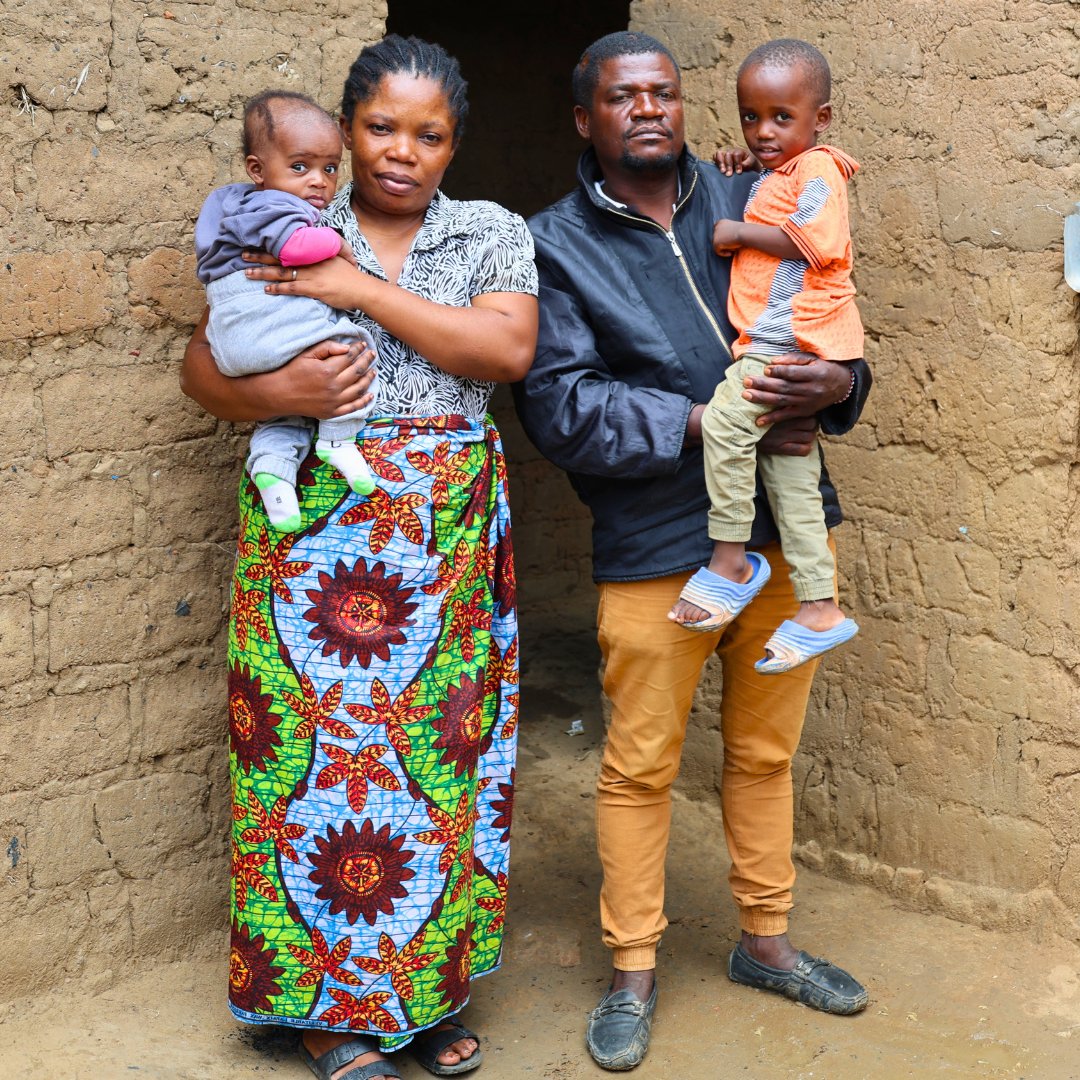
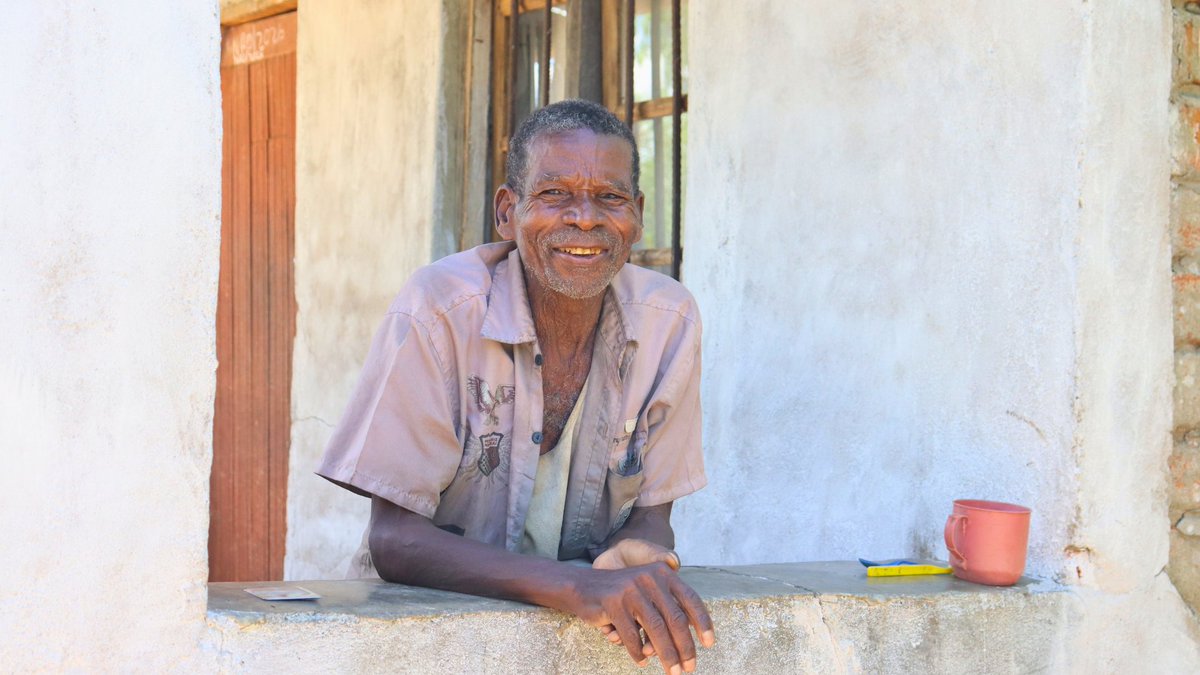
🚨 New research coverage: @nytimes reports on improved health outcomes from giving cash to moms
Rx Kids, which @GiveDirectly has been delivering in Michigan, provides unconditional cash to expecting mothers during pregnancy and through their baby's first year of life.
The article calls this “one of the most optimistic recent assessments of cash transfer programs.”
The results, published in The Lancet, speak for themselves:
⬇️ Premature births down (-2.7 percentage points)
⬇️ Low birth weight births down (-4.2 percentage points)
⬆️ Number of women receiving adequate prenatal care up (+5.7 percentage points)
This piece also notes that Rx Kids has previously been associated with fewer evictions, better maternal health, and a drop in welfare investigations of child maltreatment.
When cash is delivered unconditionally and at the right time, families are able to determine what would best address their priority needs.
We're proud to see this work getting the recognition it deserves.
Full article here: https://t.co/QlwlXZ2ipJ
"For years, the rainy season struck fear in my family’s heart.
One heavy rainy night, while my children and I were asleep, the roof cracked open and wooden beams began falling inside. I quickly gathered the children and a few moments later, the house collapsed.
Our food was soaked by the rain. My husband's fish business had weakened. The little money he brought home was only enough for food. Repairing the house was simply beyond what we could afford.
Then I received my cash transfer from GiveDirectly, about $550. I bought cement, made blocks, and purchased iron sheets, timber, and nails. Two of my sons contributed part of their own transfers so we could finish the construction together.
Today our home stands firm even when the rains return. We have so much peace and happiness in our home.
In the past, I also felt embarrassed when visitors came. Now when people visit, I welcome them with confidence, knowing my children and guests can rest comfortably under a solid roof.
These walls represent more than shelter. They represent dignity, security, and the chance for my family to move forward."
Rosa in Mozambique
Learn more about our work in Mozambique at https://t.co/5f4ygYBU1S
"Little by little, life is changing.
I live with my granddaughter. Her parents died when she was a year and a half old so I took her in to take care of her. All I wanted was to give her a decent life and for a long time, that felt out of reach.
Then came the support from GiveDirectly. With the $40 I received last month, I bought 30 notebooks for my granddaughter at $0.10 each. For uniforms, I bought a shirt and pants for $2 and a pair of shoes for $3.
For the first time in a while, we eat well and we eat whatever we want. Fish, meat, beans, and vegetables.
I bought blankets because the nights were so cold. I also bought a mattress for visitors, metal sheets for the house and even renovated my kitchen.
I think with what's left, I'm going to buy a goat. This is a good investment for us."
Agnes in the DRC
Learn more about our work in the DRC at https://t.co/VSVMEFP0Wc
Have been thinking about exactly this for a little while now as well.
There needs to be far more conversation and planning about it, and I think it's underestimated what it will take to solve.
1) It's not a sure thing the money arrives. The default pathway will be for most of it to sit idle. We need systems, orgs, events, mechanisms for ensure that good intent to deploy actually turns into action.
2) The number of orgs / interventions that can credibly absorb $100M+ quickly, confidently and with high cost-effectiveness is low. There needs to be focused effort to increase that absorption capacity, and that needs to start now.
3) Some interventions are genuinely capped by the size of the problem they address. Bednet distribution is constrained by the number of bednet-appropriate geographies and manually intense supply and distribution chains; vaccination by cold-chain and clinician supply; deworming by eligible populations. These programs have real ceilings that money cannot raise quickly.
4) Scaling an implementing organization takes years, not months. Registering to operate in a new country, building leadership and team capacity, establishing government relationships, putting payments and fraud infrastructure in place, proving out new technology — each has lead times measured in 1-3 years, and cannot be compressed by throwing money at it after the fact.
No other high-impact global health intervention has the scalability profile of direct cash transfers. There's no cold chain, no commodity procurement, no clinician bottleneck, no expiration dates... delivered digitally through mobile money, its marginal unit cost at scale approaches the transaction fee.
And *even then*, there are countless bottlenecks that need to be solved to effectively work at 5-10x @GiveDirectly's current scale.
I'm thinking a lot about this at the moment, and keen to collaborate with anyone working on similar problems.
Send cash directly to families impacted by Ebola in DRC.
Cash transfers help to prevent people living in poverty from being pushed further into crisis.
Recipients know what they need most: https://t.co/2TmzzLPe2K
Is it nuts to give cash to the poor without strings attached?
That’s not a rhetorical question; it’s the headline the New York Times ran the first time they covered GiveDirectly.
Last month on VoxDev, we reposted @indevmag's first piece by @PaulFNiehaus: https://t.co/GiFla1TfQO
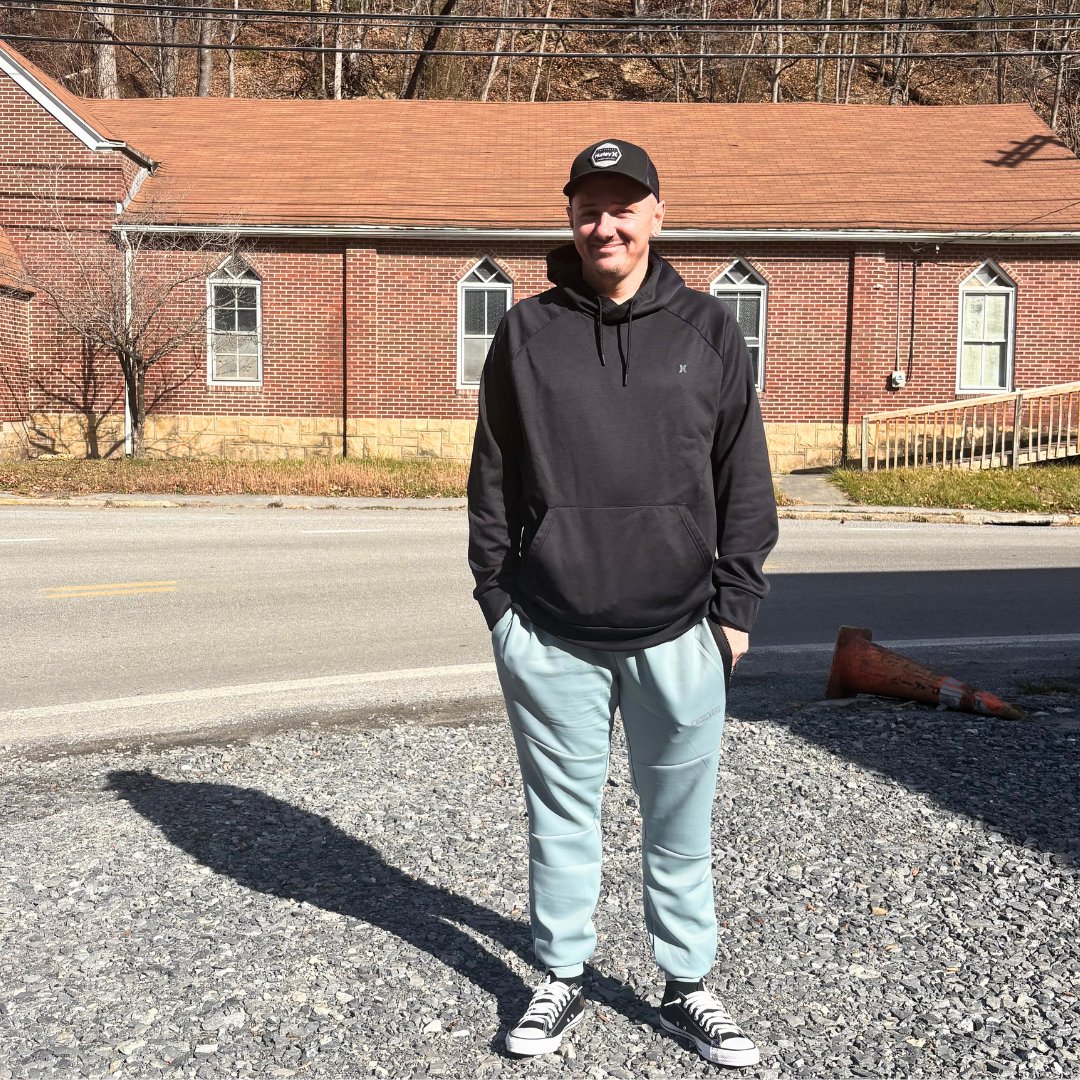
"I'm an emotional person. I'm also a crier.
I've been caught in active addiction since I was 14. There have been a lot of barriers that stopped me from growing and getting out of active addiction.
I couldn't get a driver's license, so I walked two hours to my 14-hour job and two hours back home every day. I associated those 18-hour days with my past relapses.
But then came GiveDirectly’s RISE GMI (Rural Income for Self Empowerment Guaranteed Minimum Income).
I didn't know I was going to be able to buy my son presents for Christmas. He's 14, and he had a great Christmas because of it.
Programs like this allow people to get their license, pay their bills and change their life for the better. I think that we need more love like this in the world. One day I hope I'm in a position to pay it forward.
I'm not saying it is and I'm not saying it ain't, but there's a good chance this might make the difference for me to stay sober.”
Stephen in the USA
Learn more about our work in the USA at https://t.co/AAuy3VjiED
Still searching for a Mother's Day gift? Make a donation in your mom's name, directly to a new mother in Kenya. Your cash goes straight into her hands, helping her and her baby flourish. https://t.co/Zqb36RQbYG
An insane bit in this piece on giving cash to poor people: Harvard's IRB nearly blocked a randomized trial because it "worried that giving people money might harm them"!
https://t.co/E5zzMtXLSd
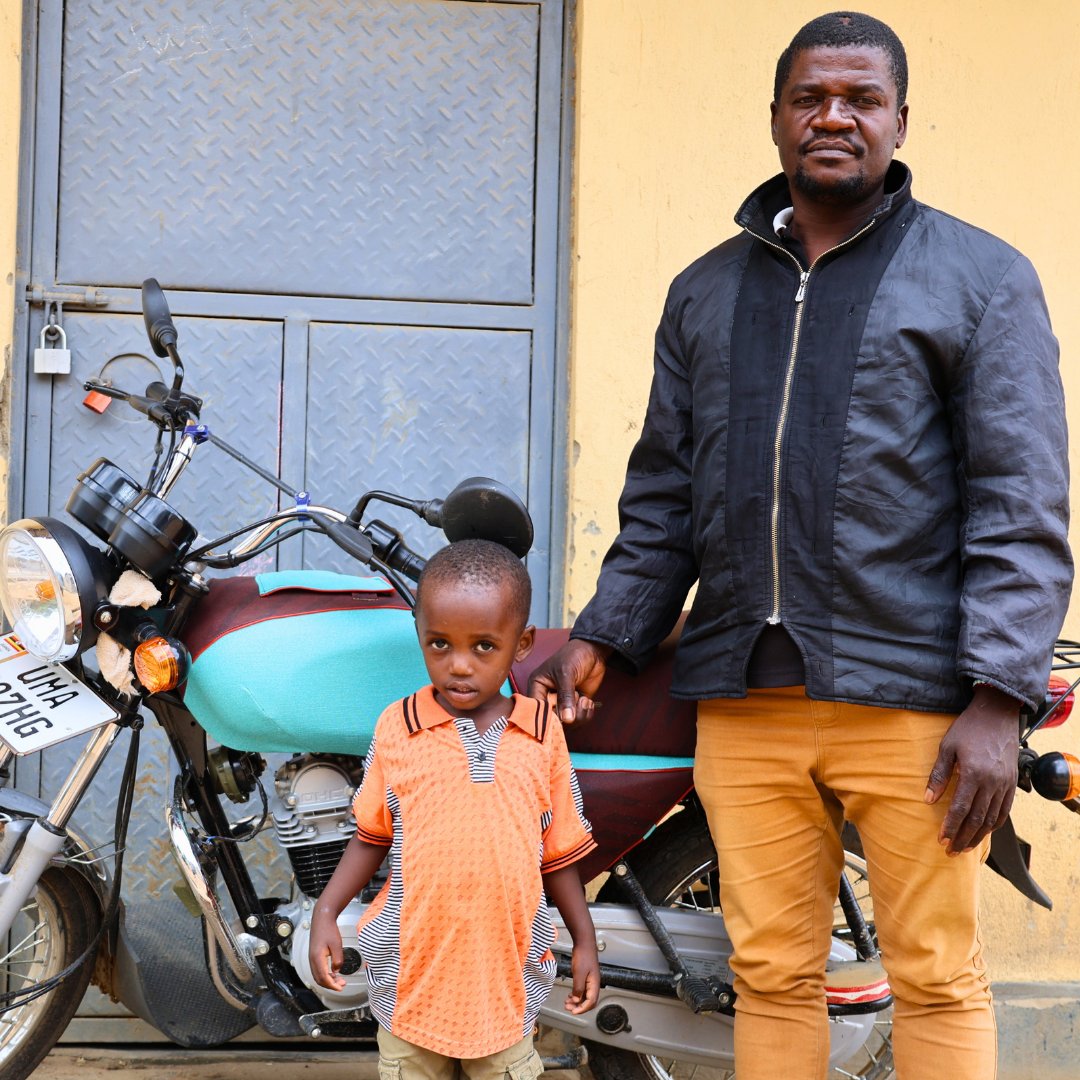
“The first time I received a cash transfer from GiveDirectly, it was life-saving. It was my due date and I was waiting at the hospital scared. I went into the delivery room not knowing how I would pay for the operation, the medication and everything else the hospital would ask. It was a successful delivery and that night as I was lying in bed wondering, the message hit my phone. I read it with so much joy and tears in my eyes.
I immediately sent for clothes for the baby and paid for medication and food. This money came at the right time when I needed it most, now my baby is okay and I'm also recovering very well.
A month later, GiveDirectly sent another cash transfer and this allowed my husband and I to join the village saving group. We also bought a new motorbike and my husband now runs a successful motortaxi business for us. We are saving to purchase another motorbike in the near future. I’m so grateful for the support that enabled me to deliver my baby safely and start a family business.”
Bijoux in Uganda
Learn more about our work in Uganda at https://t.co/eRr0tQZ9Cn
@GiveDirectly is the one charity i've consistently given to since i started earning money. this article is great, written by GD's co-founder, and gets to the heart of why i love GD - they give agency to people who don't start with a lot, and prove it works with RCTs.
@GiveDirectly has been named one of TIME100's Most Influential Companies of 2026, recognized under both the 10 Most Influential Social Good Companies and Pioneer categories.
We thank @TIME for this recognition and we remain unwavering in our mission to accelerate the end of extreme poverty.
Learn more here ↓
https://t.co/DTkH9ZaHYC
#TIME100Companies
“I lost my father when I was still a small boy. The little I remember about him has stayed with me all these years. He was a caring man, the kind of father who would do whatever it took to make sure his family never went hungry. He always pushed me to take school seriously and work hard. Sometimes I sit and think, ‘if he had lived a bit longer, maybe my life would have taken a different path. Maybe I would have gone further with my education’.
Now I am 68 years old. I got married and later became a widower. I have eight children, and they are all out there living their own lives. I am grateful for them but deep inside, there has always been one thing that made me feel like I failed somehow. I never managed to build my father a tombstone.
So when I received money from GiveDirectly, I made up my mind. I told myself, if I do not do it now, I might never do it. I have kept $115 aside just for my father’s tombstone. Right now, I am only waiting for the rains to completely stop so the work can begin.
Honestly, the support came at the right time. It feels like I will finally be able to do something I have carried in my heart for many years. It gives me peace just thinking about it. And I find myself hoping that one day, when I am gone, someone will also remember me this way.”
Juliano in Malawi
Learn more about our work in Malawi at https://t.co/8AQIRW6A2F
Highly ecommended: @notanastronomer's new magazone InDevelopment, with a first isue featuring @PaulFNiehaus on the origins of GiveDirectly and cash transfers
https://t.co/T6LezBRInH
$318 billion a year. New research from Paul Niehaus, cofounder of @GiveDirectly and economist at UC San Diego, reframes extreme poverty as a solvable math problem rather than a distant ambition. Paired with co-authors at UC Berkeley's Center for Effective Global Action (CEGA) and Stanford, the team used AI-driven targeting to price the end of extreme poverty at just 0.3% of global GDP.
As Devex reports, the question now is whether this clarity can move philanthropic capital off the sidelines. Key findings worth flagging for #ImpactInvesting and #Philanthropy leaders:
💰 $318B/yr would lift ~533 million people in 85 countries above the poverty line
📊 That's a fraction of what the world spends annually on alcohol (7x more) or cosmetics
🛰️ Machine learning on satellite and survey data enables household-level targeting
🎯 Direct cash transfers beat universal basic income on cost ($895B) and precision
💡 Over 100 individual philanthropists could each end poverty in a full country
The bottleneck isn't feasibility anymore. It's donor conviction. Learn more: https://t.co/2DHRF1eHsk
“I have always seen mothers arrive with their children extremely malnourished in my four years at this hospital. Unfortunately, I have also seen many give up on treatment before the end. The main reasons they gave me was the distance to the hospital and the lack of money. This left me deeply frustrated, because we knew what needed to be done, but we had no way of solving the problem outside the hospital.
Since GiveDirectly came, I see very clear changes. Mothers are coming to the hospital more, and they don't give up so easily. Many now have bicycles or even motorcycles, which makes it much easier to get around, especially as many communities are very far from the hospital. And the most incredible thing is that our figures for monthly discharges of children with malnutrition have improved a lot in a few months. We've even discharged 20 children just this month, which was unthinkable before.
I've also noticed something that may seem small, but which shows a real transformation: hygiene. Mothers and children now arrive at the hospital wearing clean clothes. This shows not only a change in their financial situation, but also in their self-esteem and care for themselves.”
Hafussa, Mecutamala Health Center, Mozambique
Learn more about our work in Mozambique at https://t.co/5f4ygYBU1S