@HauserSeraphine If all necessary steps to understand and reproduce a study are accessible somewhere in the main document then I'm OK. My flow is disturbed if I see numbers in a graph and don't know where they come from.
While research in weather and climate gets ever more technical, Methods sections in papers don't seem to get more precise. They rather get ever more dense/obscure and often hinder the reproducibility of the results. I do know it's easy to forget mentioning important yet tiny
@DorringtonJosh A study should also be reproducible without sharing code that may not be usable in eg 40 years time. Subjectively cutting corners in the Methods is what makes it painful for me as reader/reviewer to understand some results. What's the harm in a 10-page methodology is all I wonder
scroll past it. But what about those readers or the reviewers that want/need to fully grasp the origin and meaning of a study's results? Isn't it getting increasingly painful for them, when they have to guess hidden or omitted aspects of the methodology?
sideline the Methods after the References(!?), etc. I just wonder; is there any benefit in this? Readers that have no time or aren't keen in consuming long content will anyway stick to the Abstract. Readers not interested in a study's exact methodology, guess what, they will just
@RiboldiJacopo I am fine with your list of characteristics, Jacopo; I need no name 😉 Btw, we should also look at the driver of the warm core. Is it just convection?
⚠️🚨 BREAKING! 🚨️️️⚠️
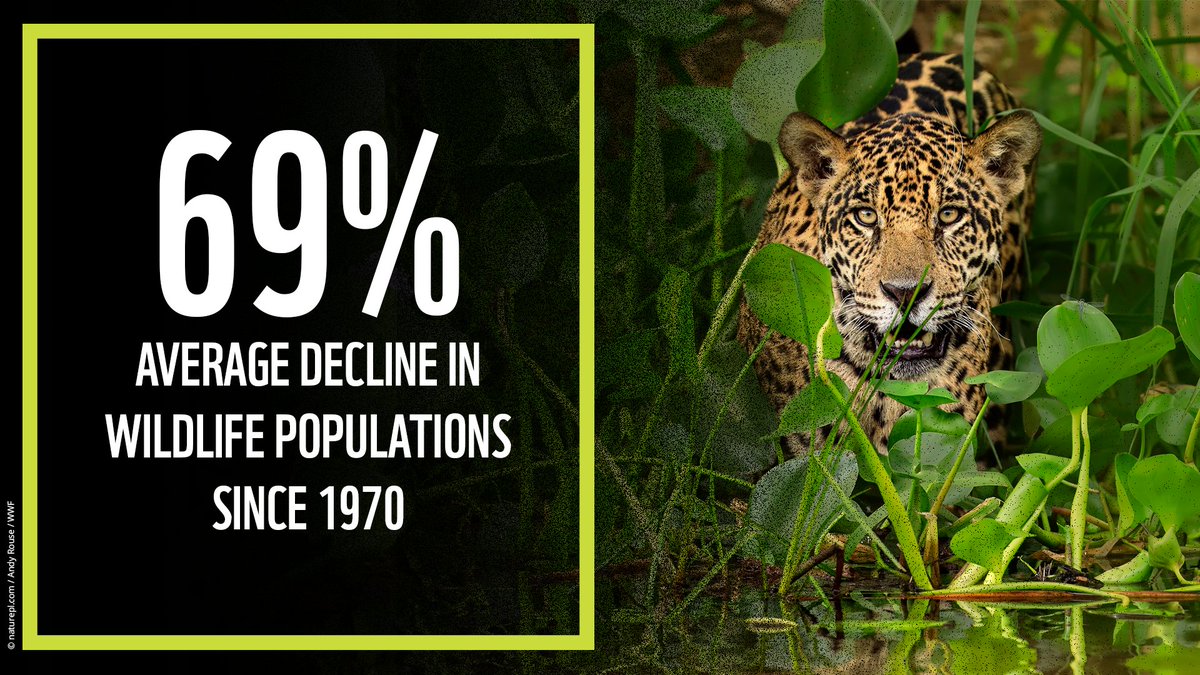
@WWF’s latest #LivingPlanet Report highlights the stark reality that nature loss is not being halted, let alone reversed.
Fixing our relationship with nature is critical and we need urgent action to turn the tide 👉 https://t.co/TznK46P0W8
#LPR2022🌍





![climatebookgr's tweet photo. 🌡️🔴 2023: Το θερμότερο έτος στα χρονικά των καταγραφών παγκοσμίως
[ EN ] 2023: The warmest year on records
Link: https://t.co/3GO2Q2JnHI https://t.co/8CwfSQfOge](https://pbs.twimg.com/media/GC2b3hfXoB8aRRE.jpg)