Director and Principal Transportation Engineer/Planner at ViaStrada. Specialist in road safety and sustainable transport. Also handy with cricket and Lego...
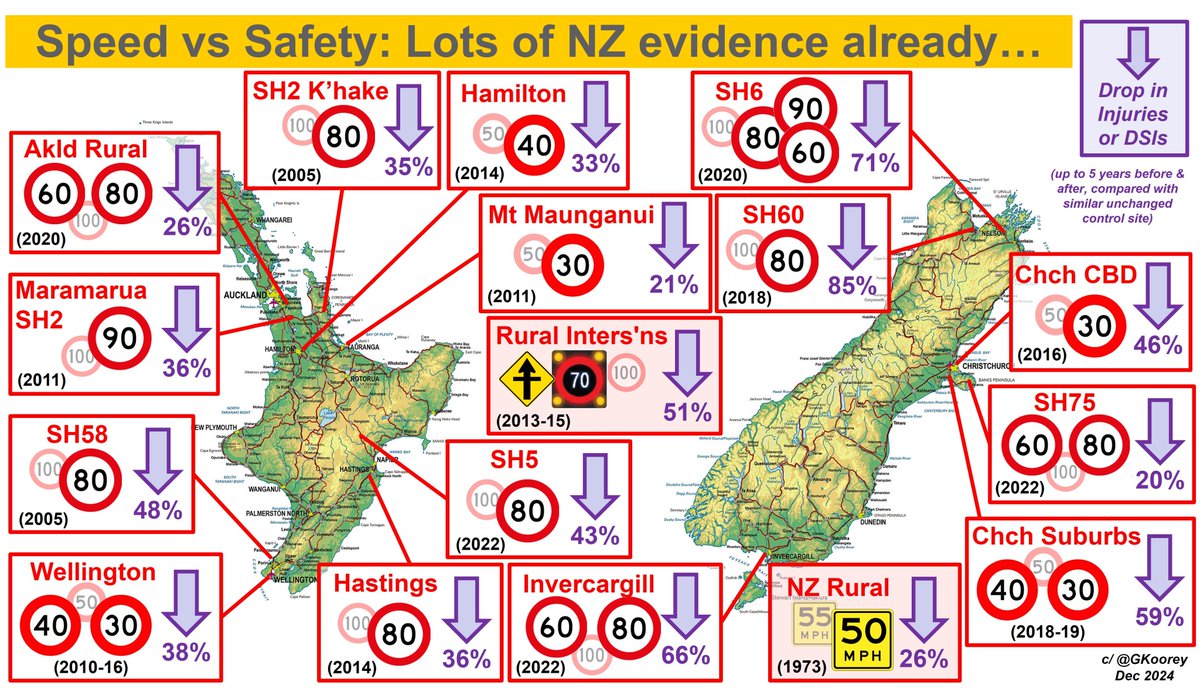
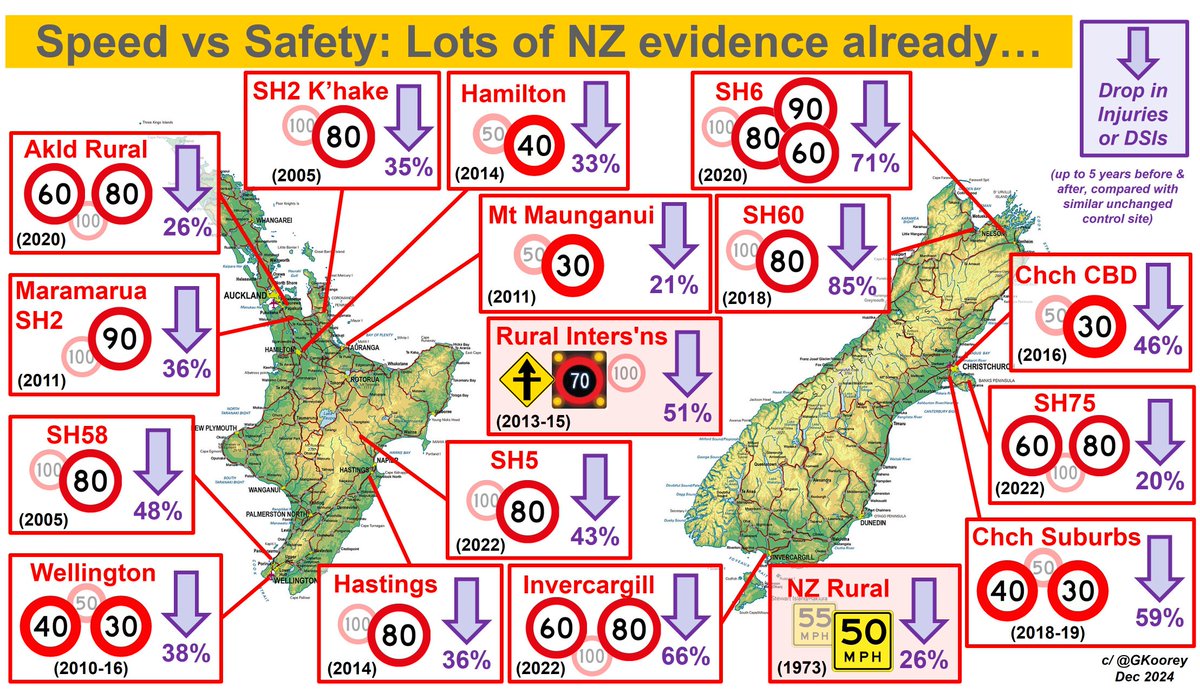
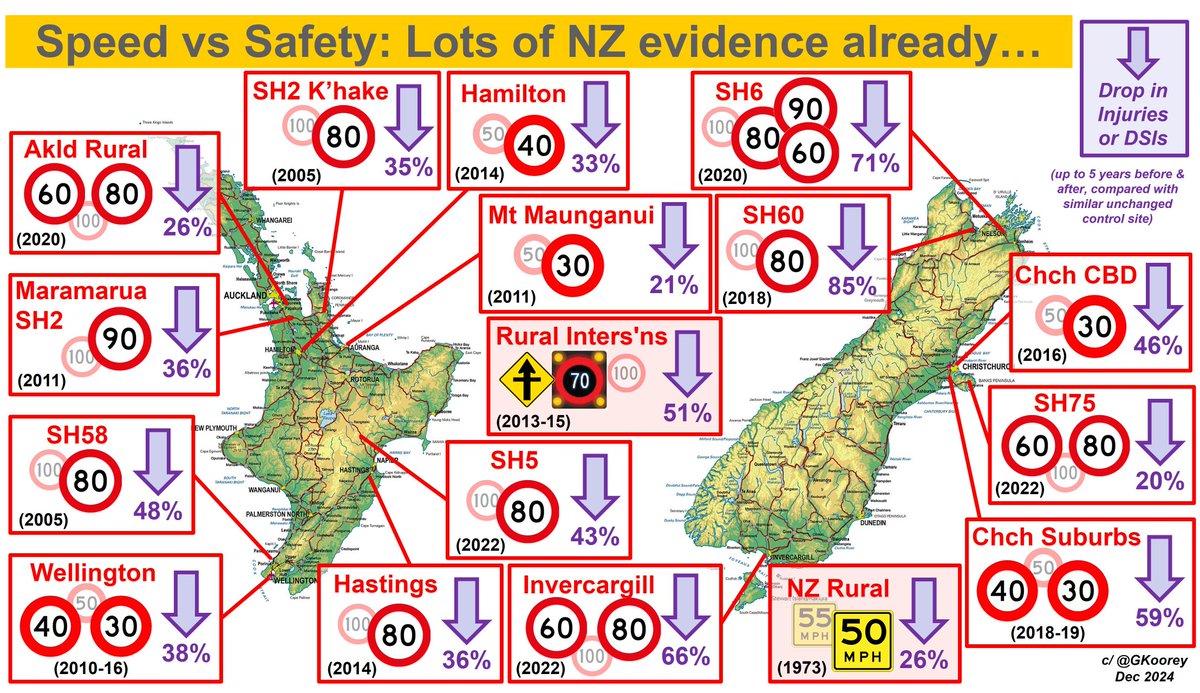
With the current Govt looking to increase speed limits again in the name of "economic growth and improved productivity", it's useful to remind ourselves that past and current speed limit reductions have consistently seen much greater $$ gains from fewer deaths & serious injuries
@TheObserva2902@AynRandy666 Interesting spin - the enforcement is mostly for drug/alcohol driving offences, which I think most people would agree should be "punished". Lower speed limits just induce people to slow down a bit (enforcement or not), which in turn reduces casualty numbers - basic physics
@RobertAtatuPen@AynRandy666 Largely due to increased enforcement, which is good to see. But also because several roads & streets across the country still have lower speed limits (unlike Auckland that caved in and reversed most of them)
@TerryVercoe@Jamesnotabot@GreaterAKL Hmm, I'm not seeing an issue with the first link; it hasn't expired and no idea why it would want access to your phone files. As for the graphic, you can try to download and save the image provided or you can get the original JPG at https://t.co/8WMwgO1ijK
@TerryVercoe@Jamesnotabot@GreaterAKL That's a bit weird, that link should just take you a view-only version of a Word doc summarising the stats - I guess I can see if the SharePoint link has expired...
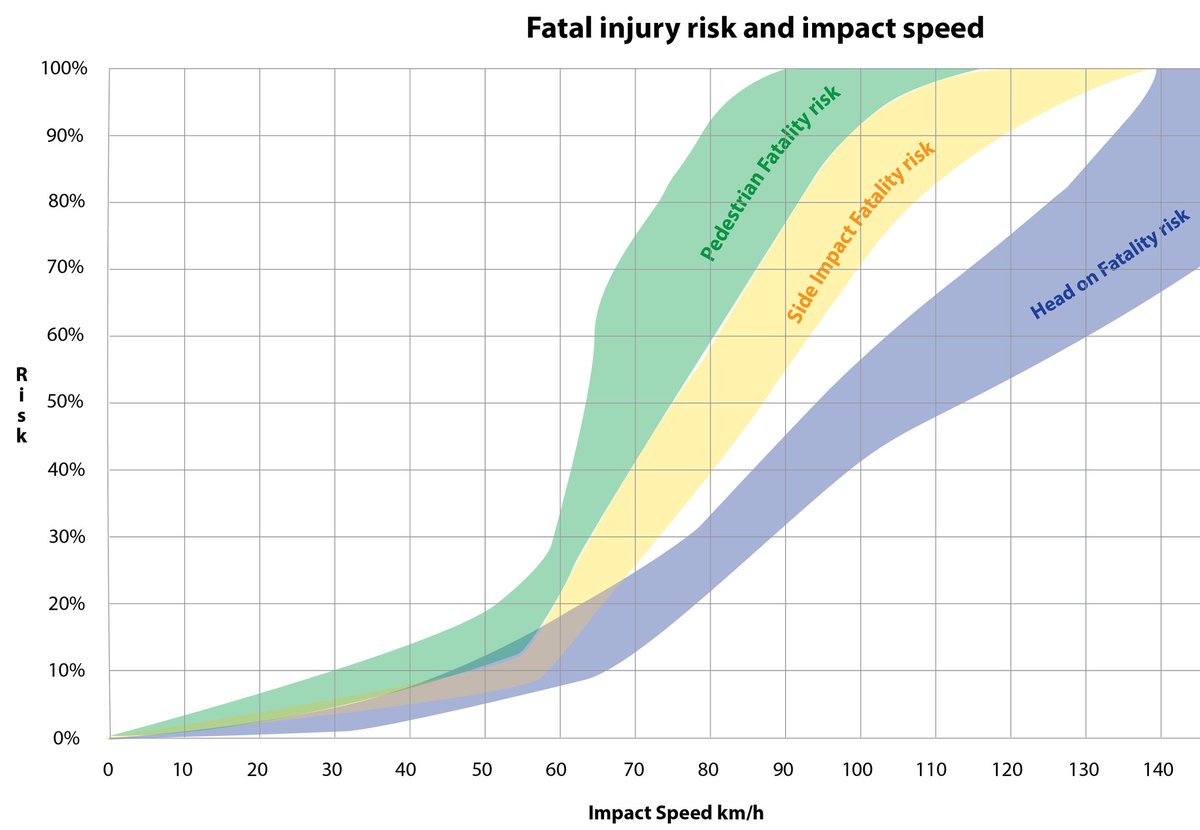
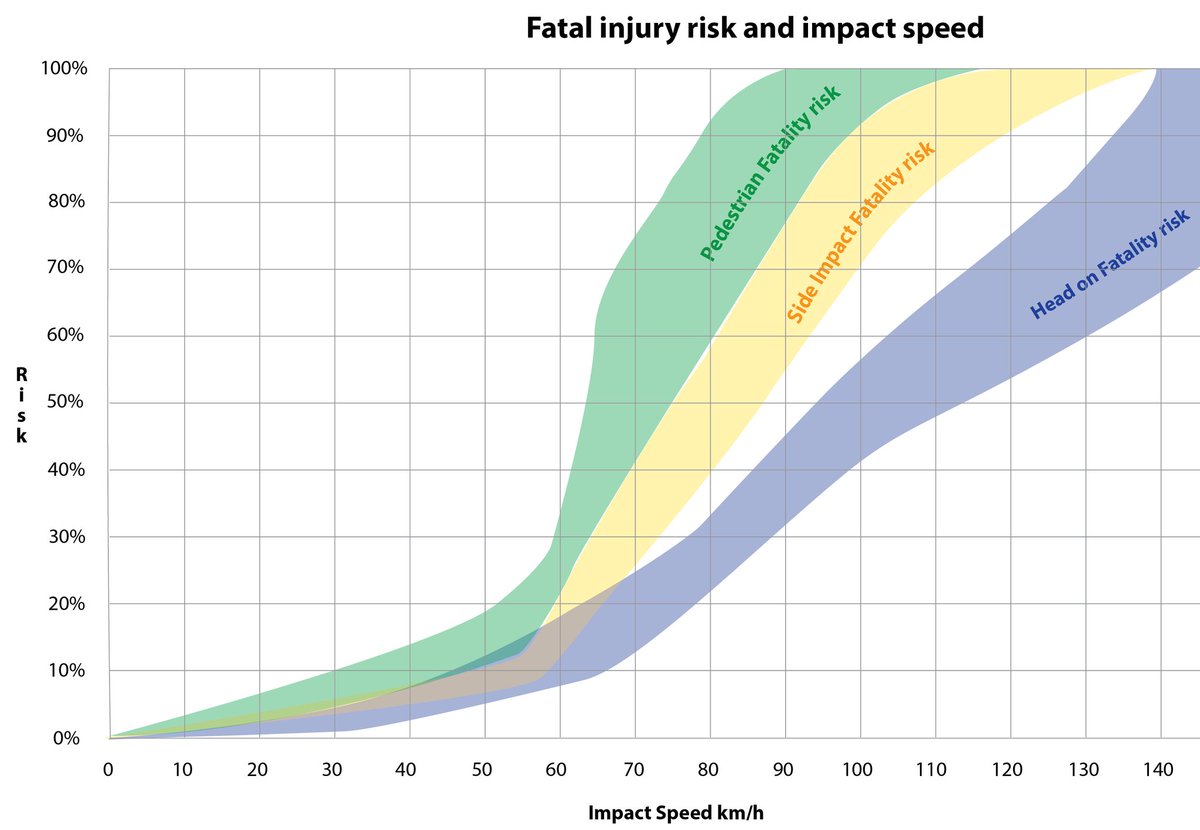
@LertzAdam@GreaterAKL Agreed, lots of different things can contribute to why crashes happen. But then the speed at the time of the crash significantly determines the resulting consequences...
@LertzAdam@GreaterAKL That's why we tend to wait a bit until there are enough crash numbers to try to identify any patterns - certainly I'll be monitoring things over the next few years...
@TerryVercoe@Jamesnotabot@GreaterAKL Hmm, you're basing your evidence on a pseudo road safety expert, who is comparing 2021 numbers (featuring several periods of lockdowns) with 2022 (when traffic volumes went back up)? Here's my actual data: https://t.co/tCOdLeYrP7
@verminlionel@randomtwootera1@GreaterAKL It's not about whether speed *causes* a crash - lots of factors often contribute. It's about the CONSEQUENCES of the resulting crash, depending on the speed at the time - that's basic physics
@TerryVercoe@Jamesnotabot@GreaterAKL Nope, the comparisons were made against similar road sections that didn't have their speed limits changed over the same time period - so traffic volume changes (whether during COVID or whenever) had the same effect on both of them
@LertzAdam@GreaterAKL Well, there have also been other fatalities on other roads recently increased - sure, early days, but let's remind ourselves again what happened when the speeds were previously lowered...
@chris_otautahi @tomforccc Funnily enough, City Council are currently investigating the safety effects of these stone Chch. Good example is Lincoln/Barrington intsn - from one of the worst crash records beforehand to no crashes since it was raised
@PostQuake@chrisluxonmp At least half of that cost is for reconstructing/improving road and utility infrastructure at the same time - you're welcome... And the calculated benefit:cost of the completed cycle network was at least 8:1 - show me the expressways that even produce a 2:1 B/C ratio...
@Mike1104376788@_ConnorSharp@GreaterAKL Sure, that's why most recent ones would need more time to get more robust findings - didn't stop them from all reducing though... A pity that the Akld urban ones now have to go back up. And the earlier ones have plenty of data to demonstrate their effectiveness.