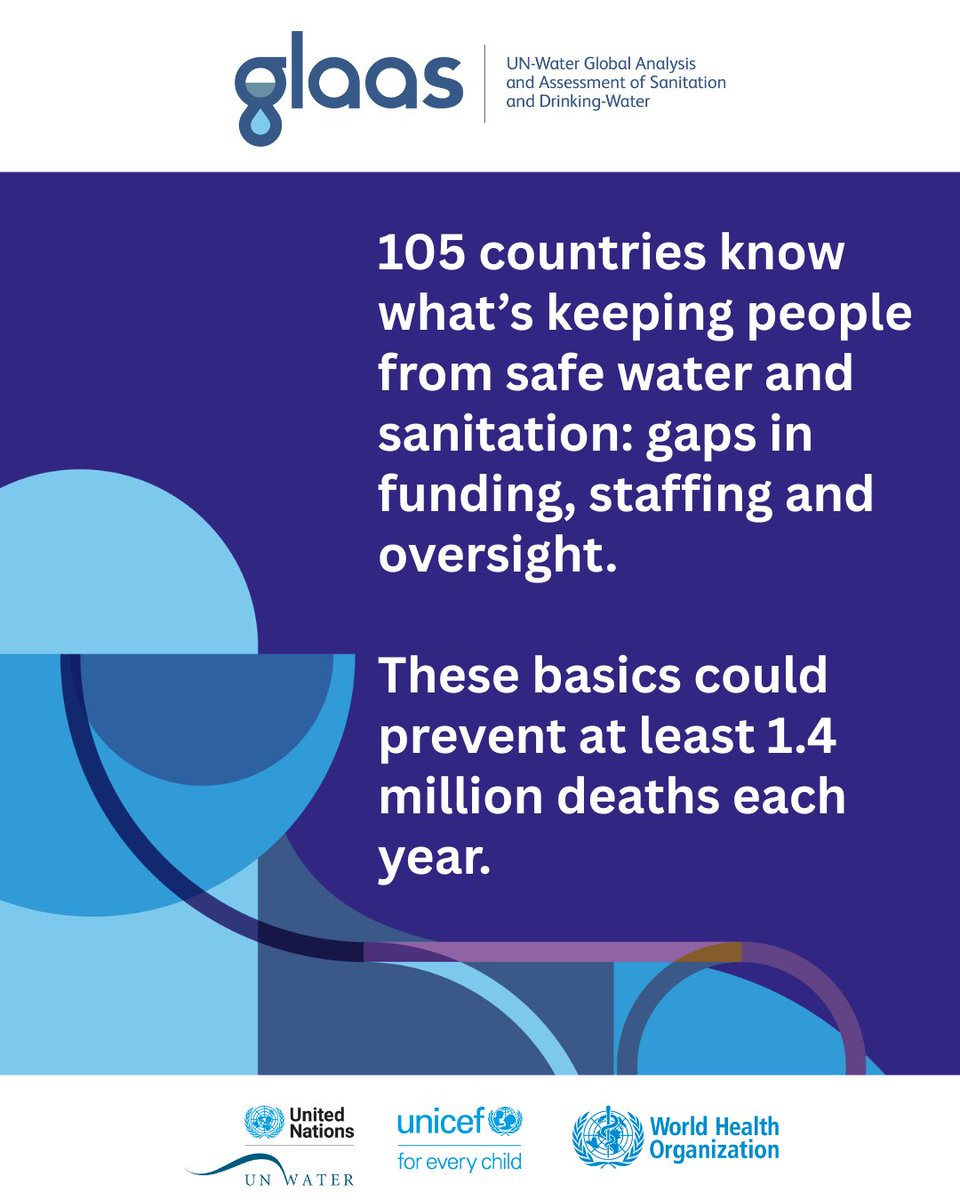
🆕 The new UN-Water GLAAS 2025 report is out today: State of systems for drinking-water, sanitation and hygiene: Global update 2025. 105 countries highlight what’s holding WASH services back, and what it will take to accelerate progress to #SDG6.
Explore: https://t.co/VtWYIygsWE
How can countries use WASH data to accelerate progress towards SDG 6?Join the @RuralWaterNet webinar (EN/FR) on 9 June, featuring WHO’s Fiona Gore on the latest #GLAAS and @JMPWASH findings, plus country experiences from Ghana & Sierra Leone. Register: https://t.co/wNLdARegmx
New interview in @SmartWaterMag on the latest @UN_Water GLAAS findings. Progress on drinking-water, sanitation and hygiene depends not only on infrastructure, but on stronger governance, financing, regulation and workforce capacity.
Read more: https://t.co/OQYWx5iLai
To close WASH financing gaps, countries need to know where money comes from, where it goes, who benefits and where gaps remain. The latest WHO WASH newsletter highlights how GLAAS & WASH accounts support smarter financing, transparency and accountability.
https://t.co/jJgwyBiMmD
Great opportunity in global WASH 👇
@UNICEFwater is recruiting a Global Sanitation Lead (P5), Nairobi. Rare chance to shape leadership on sanitation systems, MHH and WASH in schools. Deadline 10 April.
🔗 https://t.co/K1cP8TaoYX
Appreciate the coverage by @OOSKAnews / Water Diplomat on the latest JMP–GLAAS work advancing climate-resilient WASH monitoring.
A key step toward stronger data, better decisions, and more resilient services.
Read here: https://t.co/BPlpH0l9xQ
7 April is #WorldHealthDay 2026. We #StandWithScience—using GLAAS data (https://t.co/VtWYIygsWE) to drive evidence-based action on water, sanitation and hygiene systems that protect health every day. More: https://t.co/XdrvNL8nvm
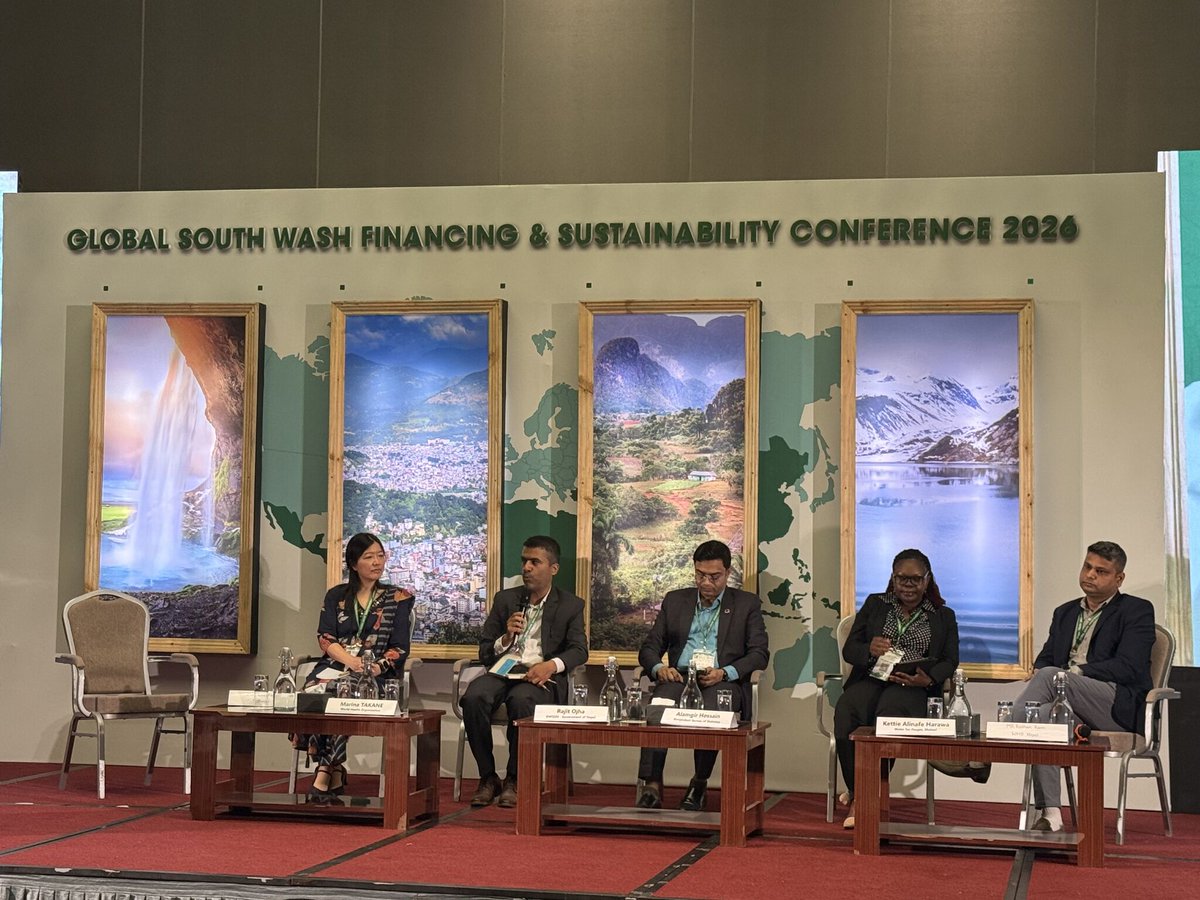
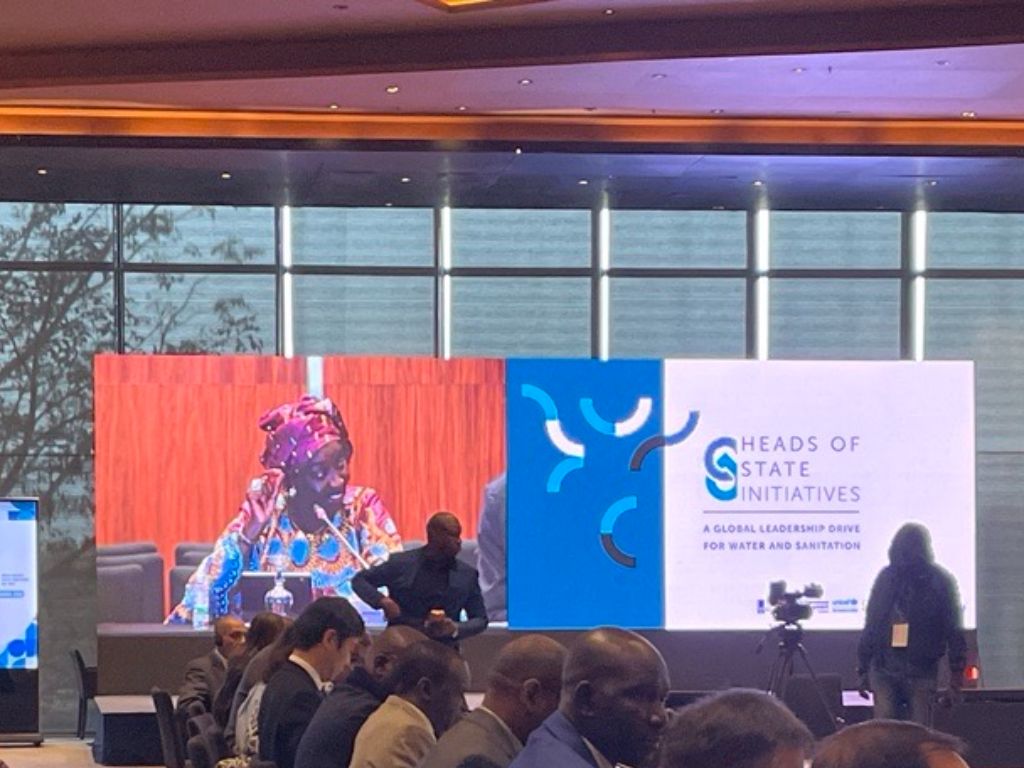
Thanks to Oliver Jones for highlighting this important conversation at the Global South WASH Financing Conference, and for the photos. Great to see @WHO's Marina Takane leading discussions on how stronger financial tracking through WASH accounts.
https://t.co/xqhT1mlF0I
Thanks to @openwashdata and Global Health Engineering at ETH Zurich @ETH_en, a new R #GLAAS data package is now available.
Explore and analyse GLAAS data from 2013/2014 to 2024/2025 to support stronger, evidence-based #WASH systems.
https://t.co/aN4LVoMnWL
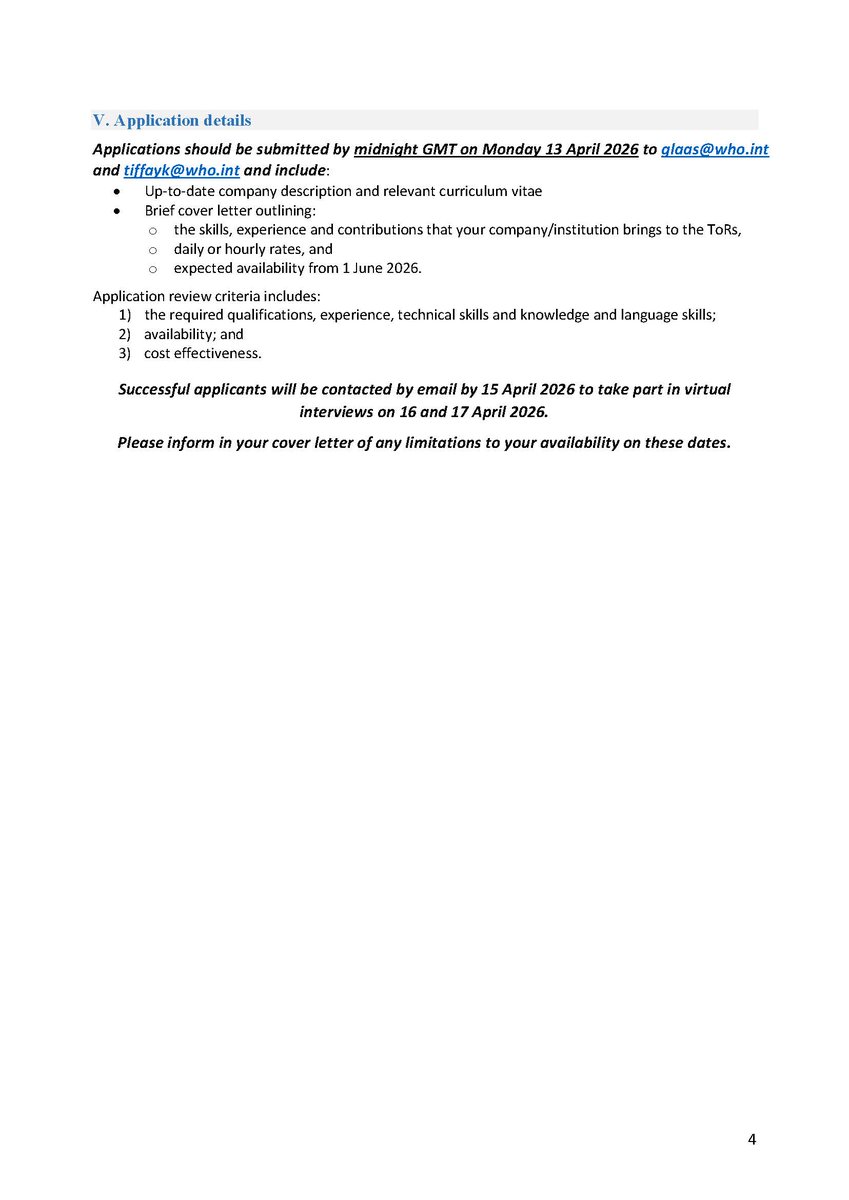
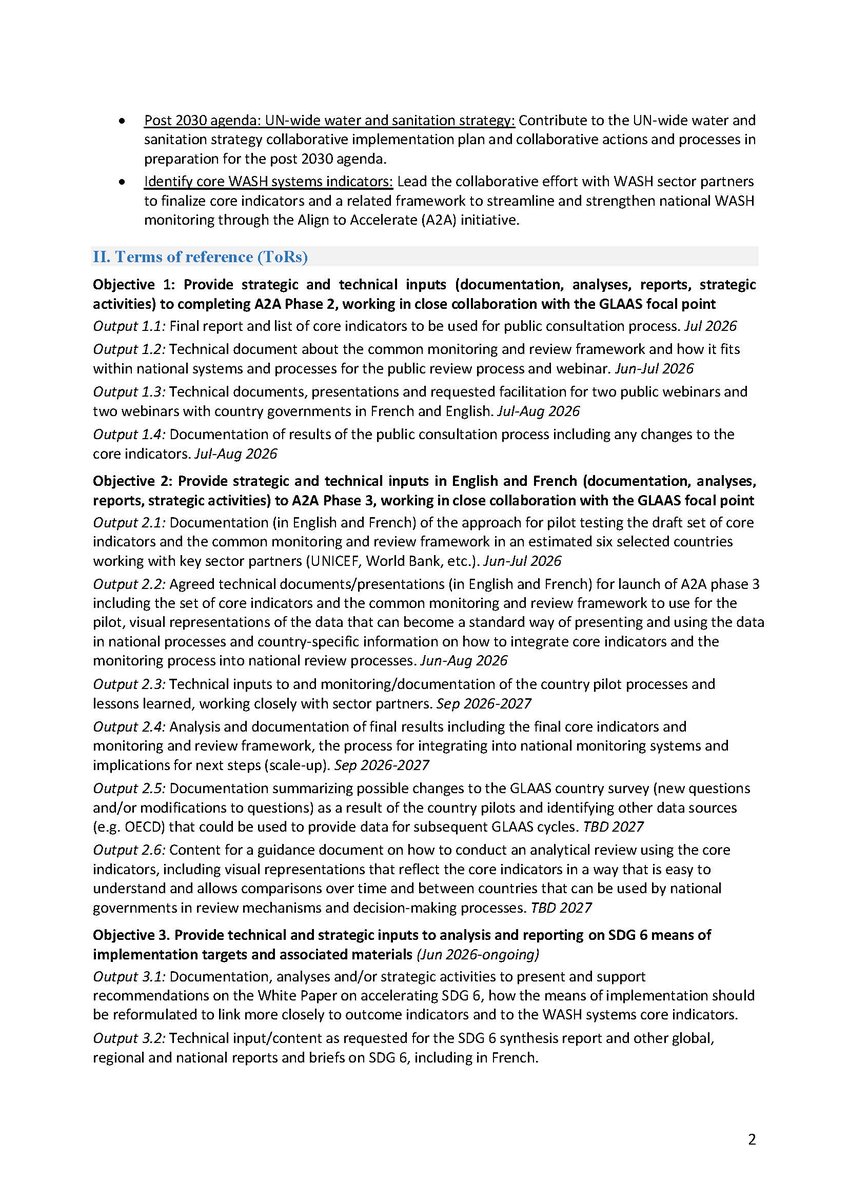
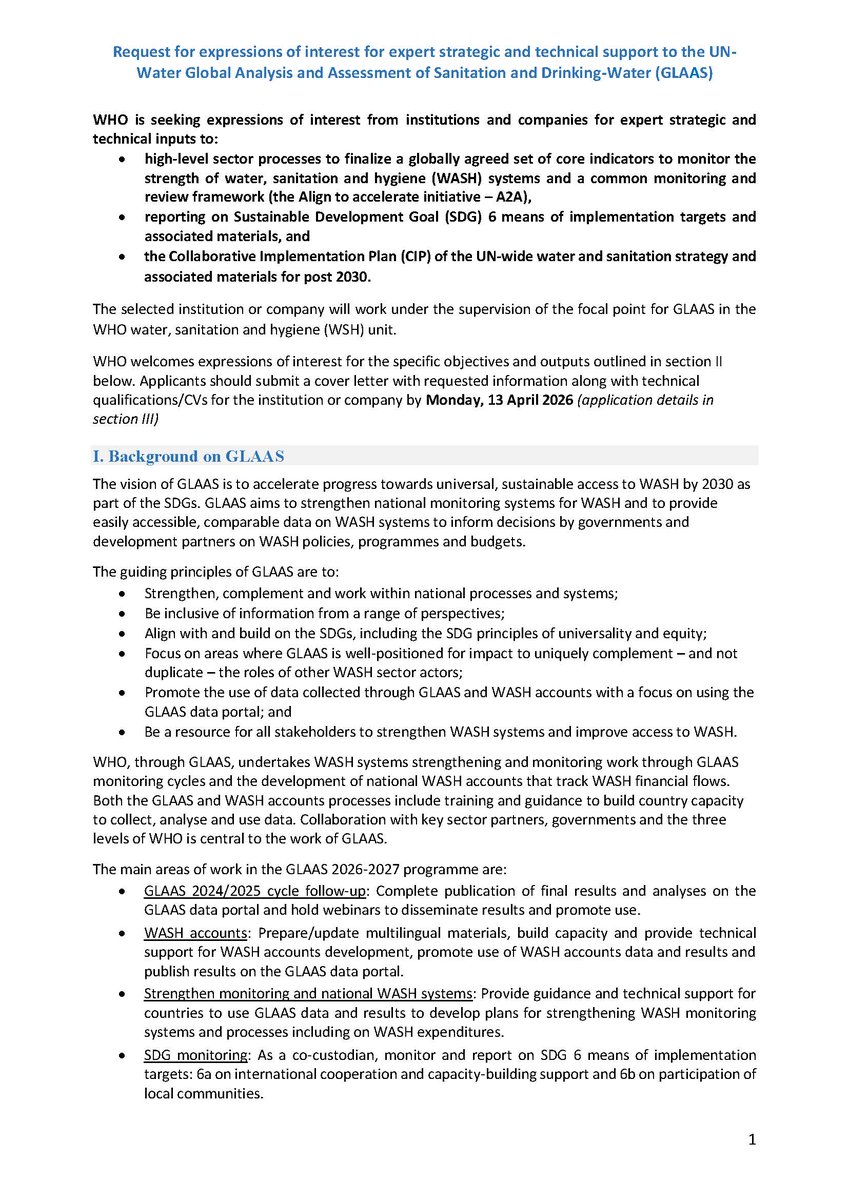
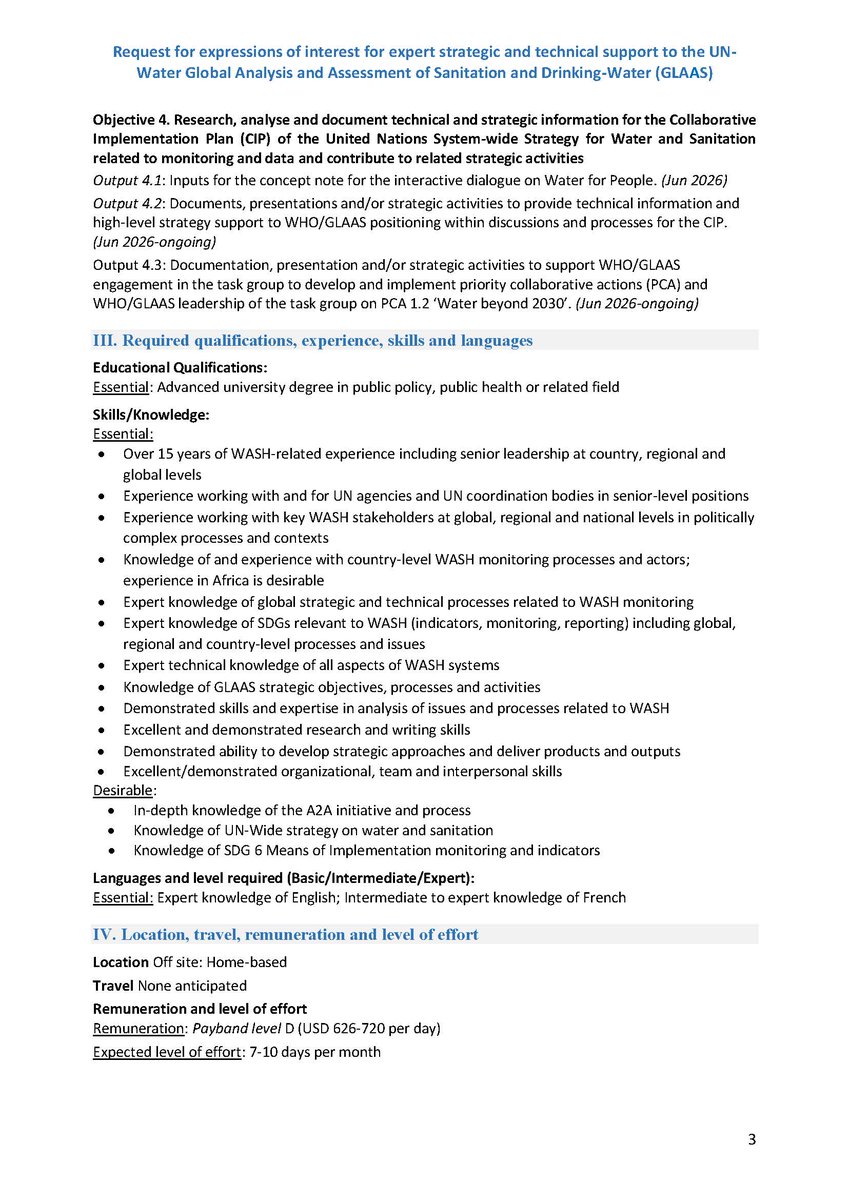
📢 Call for Expressions of Interest
WHO is seeking institutions/companies to support global WASH monitoring through GLAAS, including core indicators, SDG 6 reporting and the A2A initiative.
🗓 Deadline: 13 April 2026
Great to see @smartwatermag highlighting insights from #GLAAS2025.
“Systems” are the institutions, financing, workforce, rules & data that keep #WASH services working over time.
Progress is real, but sustaining it depends on stronger systems.
Read more: https://t.co/juElAPNhJm
Now on YouTube: the #GLAAS2025 global webinar 🎥
Explore how WASH systems are performing worldwid, and where urgent action is needed on financing, workforce, regulation and climate resilience in the final stretch to 2030.
Watch here: https://t.co/tTLzthgT4s
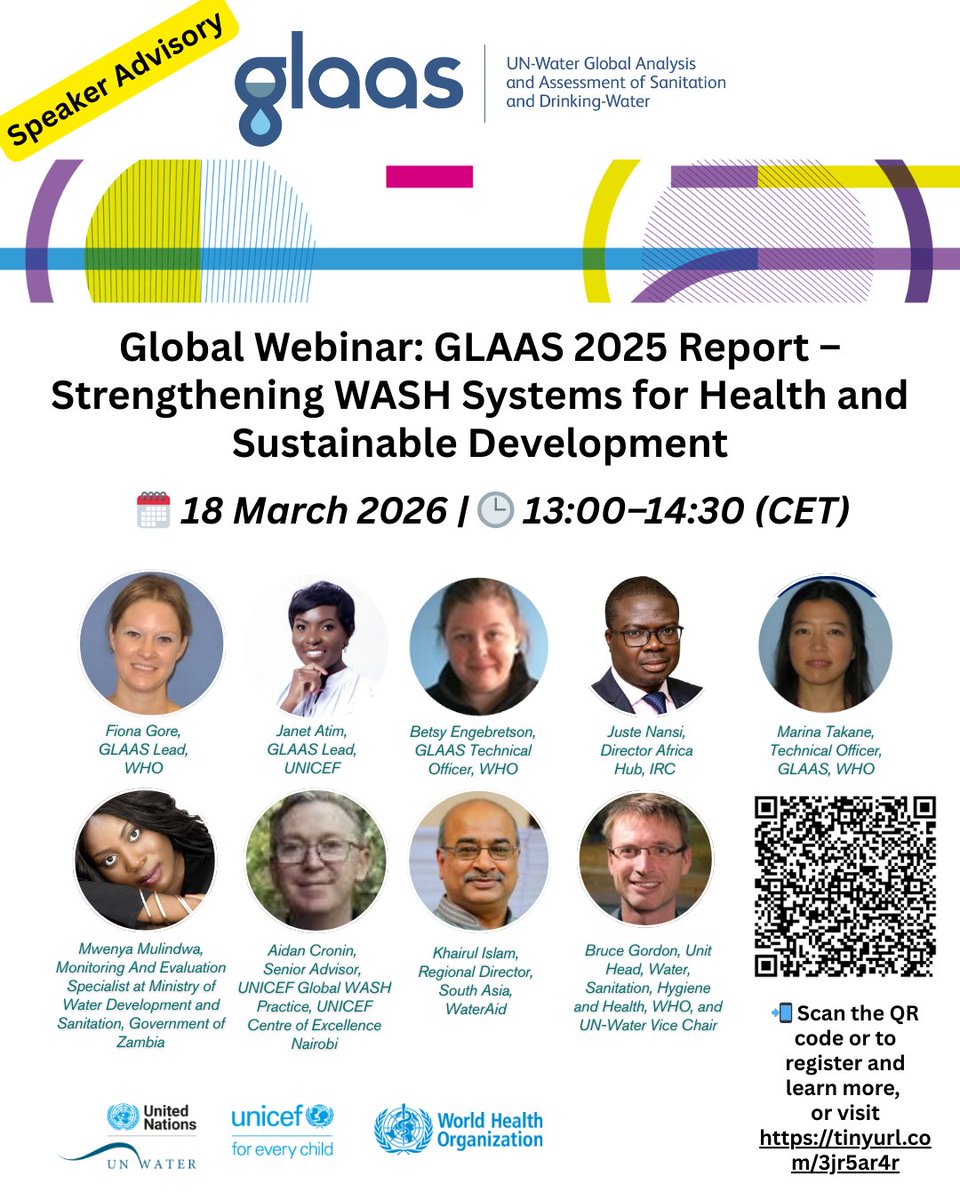
🚨 Speaker Alert 18 March | 13:00 CET! Join distinguished speakers from @WHO, @UNICEF, @wateraid@IRCWASH, #Zambia & partners at the #GLAAS2025 global webinar. Explore how countries are strengthening #WASH systems for health & sustainable development.
🔗 https://t.co/XKD7CMUvrt
⏰ One week to go!
Join the global webinar on the GLAAS 2025 report to explore how WASH systems are planned, financed and governed—and what the latest findings mean for accelerating progress toward SDG 6.
🗓 18 March 2026, 13:00–14:30 CET
Register: https://t.co/XKD7CMUvrt
Join WHO and UNICEF on 18 March 2026 for the global webinar on the UN Water GLAAS 2025 report. Explore how WASH systems are financed, governed & implemented and learn how to use the GLAAS data portal to strengthen policy, planning and investment.
Register: https://t.co/XKD7CMUvrt
Join @WHO, @UNICEFwater and @UN_Water on 18 March (13:00–14:30 CET) for the #GLAAS2025 global webinar. Explore the latest findings on how WASH systems are financed, governed & strengthened for health, climate resilience & sustainable development.
Register: https://t.co/XKD7CMUvrt
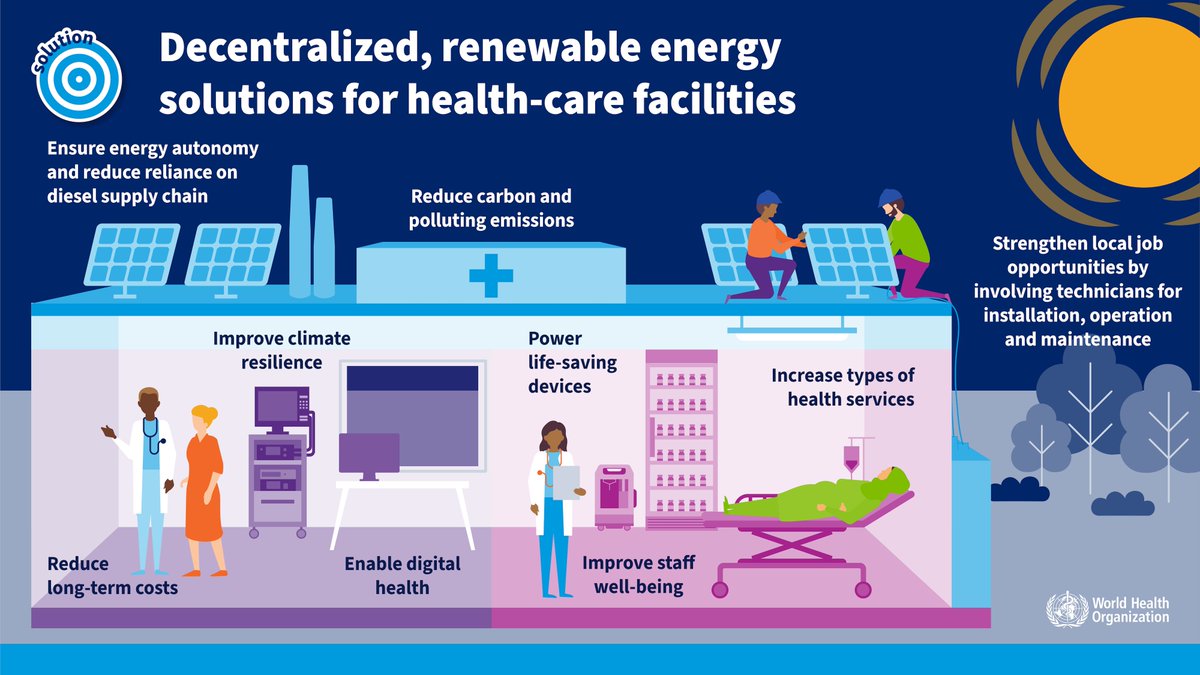
80% of countries now address climate risks to WASH services in national policies. Clean, decentralized energy helps health facilities maintain safe water, sanitation & hygiene during climate shocks. More on strengthening climate-resilient WASH systems:
https://t.co/NyuJD185R6
Strong spotlight from @SanWatForAll on the new #GLAAS 2025 report in their latest newsletter: key for WASH policy, financing and system strengthening. Thx for the shout-out! More excellent updates from SWA in their newsletter here: https://t.co/2LblTL6KhL
Appreciation to @OOSKAnews & The Water Diplomat for the strong and thoughtful coverage of WHO’s GLAAS and ID1 work, plus highlights on the WES workshop in Bangkok. Clear, timely reporting that helps connect water, #WASH & public health to global audiences
https://t.co/SkMLMGDhyX
Explore the #GLAAS 2025 report findings through the interactive data portal. Search, filter, and compare country and global results on #WASH systems, financing, governance, and capacity.
Try it here: https://t.co/Id50JbYWno
Thank you Dr @jess_macarthur and @Sandec_Eawag for this excellent #FridayGift highlighting #GLAAS 2025. Many countries have WASH plans in place but not the financing and workforce needed to deliver services for all and stay on track for #SDG6. Read more: https://t.co/dIWYYLsQC1