Worried about screen time in the age of #coronavirus? Read this article by our research director explaining the science behind the new screen rules https://t.co/QXJ3EjJDpW
Need help with Seesaw? We're live in 15 minutes. Get your questions answered quickly. Join us! Register here https://t.co/VoZPy313qh #seesawchat#remotelearning
If your Ss aren't able to take that trip to a museum, park, or historical site, there is an alternative. While not an outright replacement, these field trip tools can offer inspiring and intriguing experiences: https://t.co/d7z2wzWH1r
This is great for parents to get into the habit of asking more questions instead of giving kids answers. The responses may be more surprising (in a good way) than you think!
I'm on the shelter-in-place order in the Bay Area, so took the time to write a blog to support others at home, both teachers and parents. https://t.co/MDPwOy4JaD
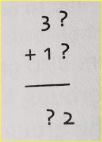
Here are some terrific gr 5 problems. Will your students think they are best solved using their computational or reasoning skills? If the former, at least they'll get lots of computational practice. If the latter, they will get the joy & satisfaction that comes from being clever!
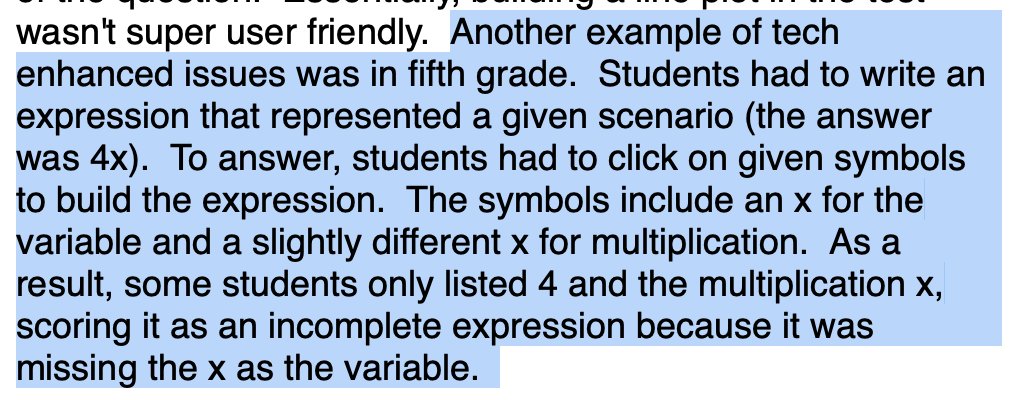
This is the stuff that makes me mad. Test writers use x for a variable when they're already using it for multiplication. Kids have to enter their answers digitally & get confused. Teacher has taught everything correctly, then kid loses points & society blames the teacher. Absurd.
36+36? 30+30=60, 6+6=12. 60+12 = "sixty-twelve" = 72. Key is knowing funny numbers, the 2nd most important number bond after expanded form. 48+48? "Eighty-sixteen"=96. Great for subtraction w/ regrouping & multiplying & dividing fluently w/in 100. Don't trade tens. Shift tens!!
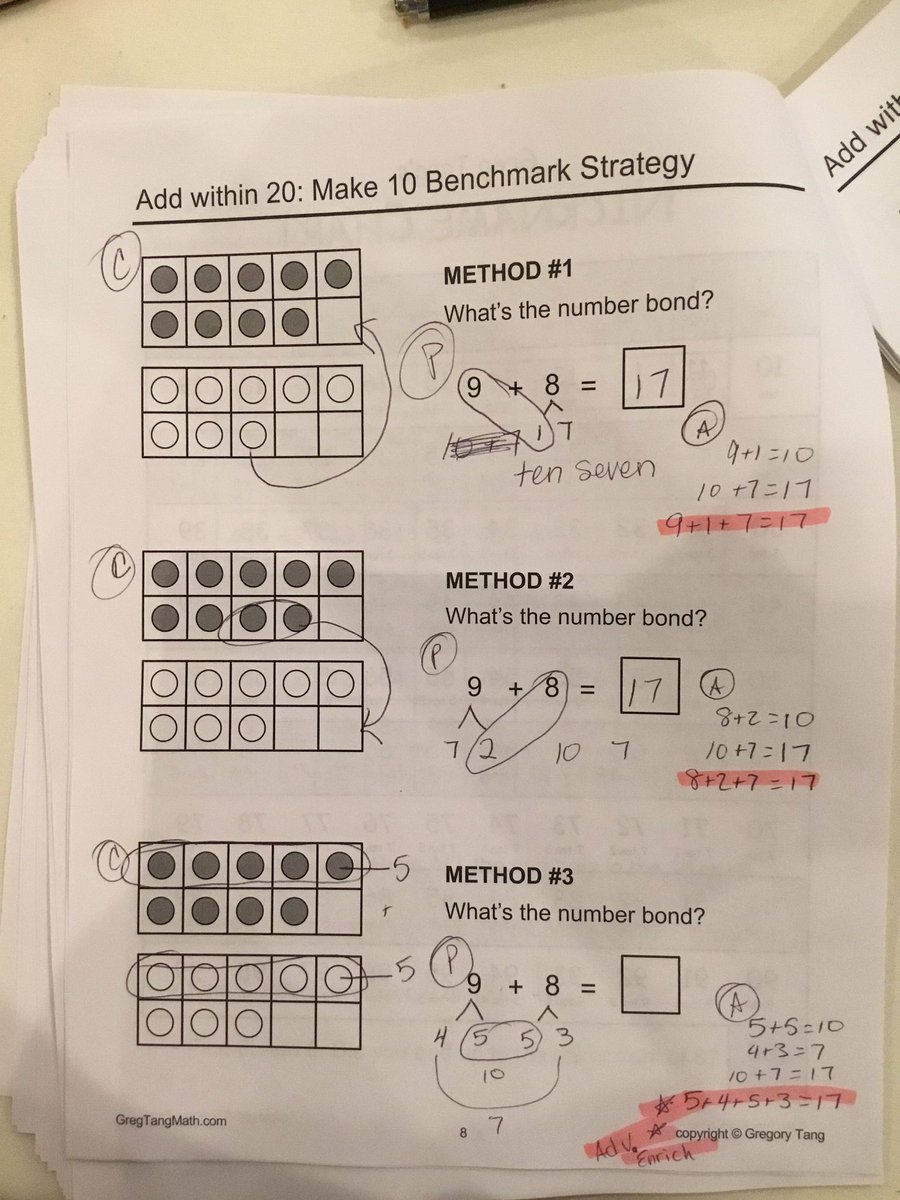
Can you teach kids at different levels of learning in whole group math instruction? @gregtangmath says YES! Use number bonds, shifting 10s and true Concrete/Pictoral/Abstract instruction as intervention and enrichment.