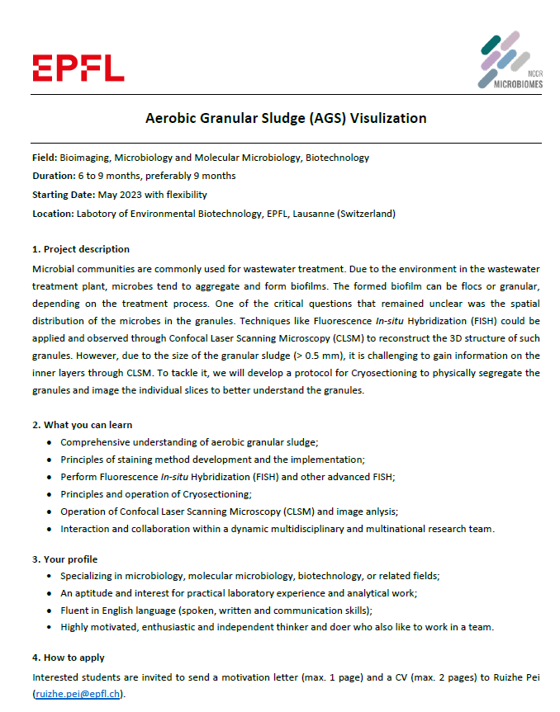
🎓 Don't miss this opportunity!
If you're passionate about bacteriophages and applied research, check it out!
Great on all accounts: group, location, and topic! 👌
The Ricker lab is hiring! Looking for 1 postdoc and 1 PhD interested in studying phage-microbiome interactions for Salmonella and S. suis in collaboration with @GuelPHage_lab Also an NSERC funded MSc or PhD student position in molecular biology. RT widely and DM for details!
Just wrapped up a short research visit working with targeted metagenomics (#baitcapture) to tackle #AMR! 🧬🦠
Grateful for the warm welcome and fantastic experience. Learned a lot, worked with awesome people, and had plenty of fun. Big thanks to @NicoledotRicker and the team!🙌
Wetsus opened a second PhD call for this year. This time looking for Masters graduates with affinity for modeling biologically activated carbon filters, improving skating ice, valorizing manure, biodegradable flocculants, monitoring micropollutants,
Happy to host @zhangt1968 from @HKUniversity at biotechnology Delft @TNWTUDelft for nice discussions and an insightful lecture on antimicrobial resistance in wastewater and the environment
Did you know that drinking water in the Netherlands contains no chlorine? 🚰
Its production relies mainly on biological unit operations that harbour biofilms 🦠
High population densities, strong selective pressures...
Are we spreading ARGs and ARBs? 🚨
https://t.co/bDnLZQ4TTR
Welcoming applications for a PhD position on the Microbial Ecology of Phototrophic Mixed Cultures in the Department of Biotechnology and Food Science @NTNUnorway @NTNUNaturalSci 🇳🇴. Apply by Dec. 20th. Thanks for RT's.
https://t.co/1J6OTWTM8G #jobs
The REPARES team met in September in Leeuwarden for EWTW 2022. The team also participated in spearheading plenary sessions on Antibiotic Resistance. We want to thank the organizers of EWTW2022 and one of our partners @wetsus. #antibioticresistance#WWTP#emergingcontaminants
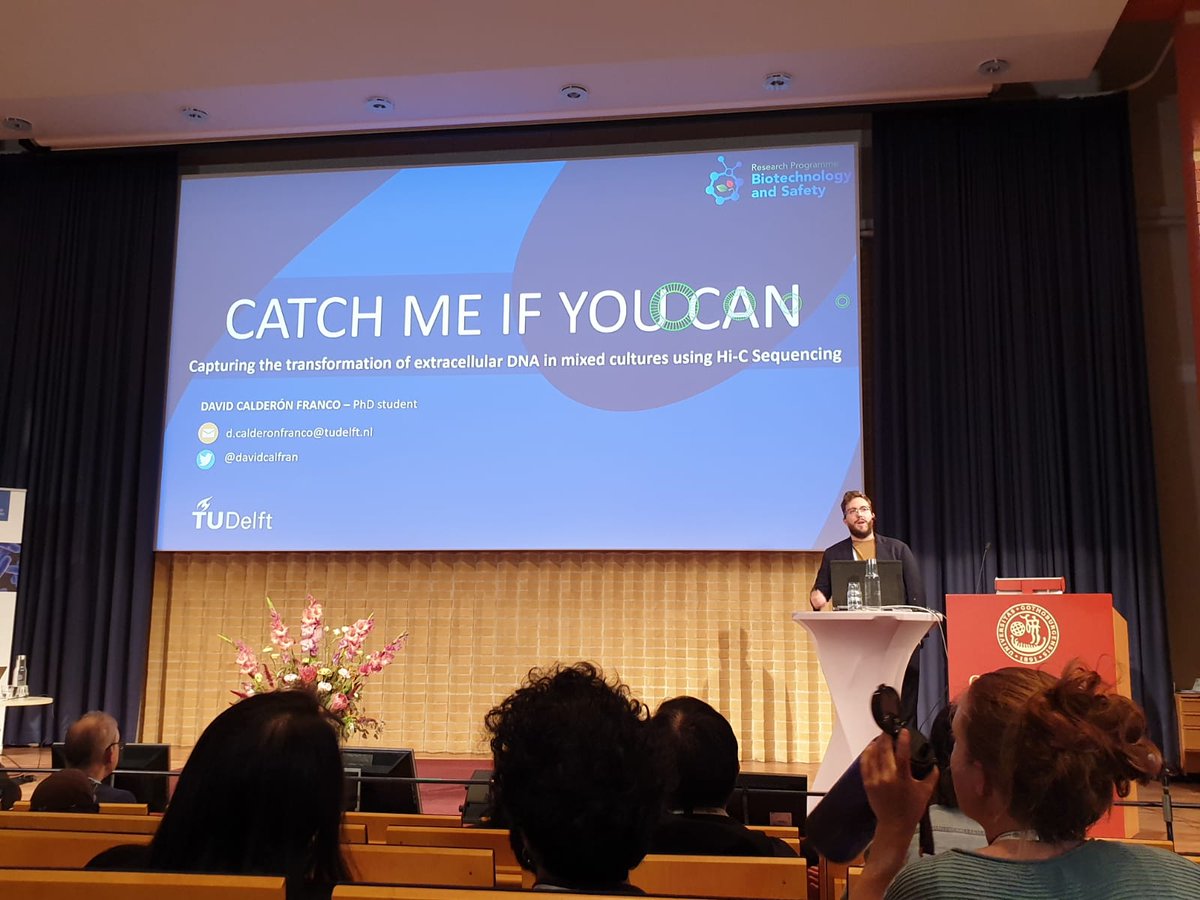
@davidcalfran is next in #EDAR6 showing that wastewater bacteria are able to acquire an exogenous plasmid when exposed to high antibiotics doses using Hi-C.
Common env. concentration doesn't seem to drive #transformation (which is great news!).
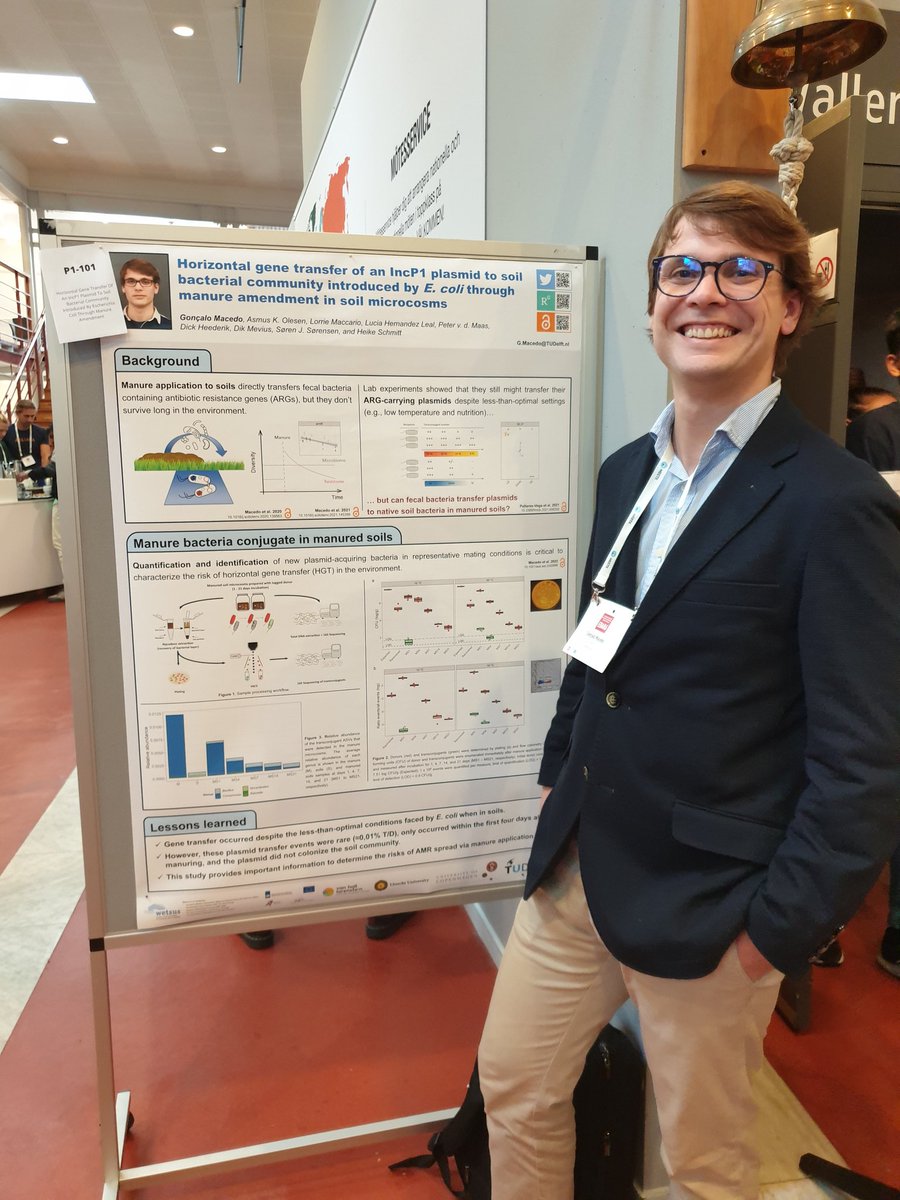
Horizontal Gene Transfer of an IncP1 Plasmid to Soil Bacterial Community Introduced by Escherichia coli through Manure Amendment in Soil Microcosms
by @GNMacedo et al. in @EnvSciTech
https://t.co/wTI5WIOr8d
What a journey this was! I learned plenty and enjoyed it a lot! 😃💪
Many thanks to all the co-authors: @Asmuskalckar, @LorrieMaccario, Lucia Hernandez Leal, Peter v. d. Maas, Dick Heederik, @Dik_Mevius, Søren J. Sørensen, and Heike Schmitt!
(4/4)
This work showed that:
1) Gene transfer from fecal to soil bacteria occurred despite the less-than-optimal conditions faced by manure bacteria when transferred to soils.
2) These events were rare and mainly happened shortly after manure application.
(3/4)